BoredomBusted — Find Your Next Favorite Thing To Do
Discover hobbies, activities, places, and ideas that spark joy. Whether you're looking for something creative, active, social, or relaxing, BoredomBusted helps you find your next favorite thing to do.
Browse our hobby guides, things-to-do collections, and place ideas to never be bored again.
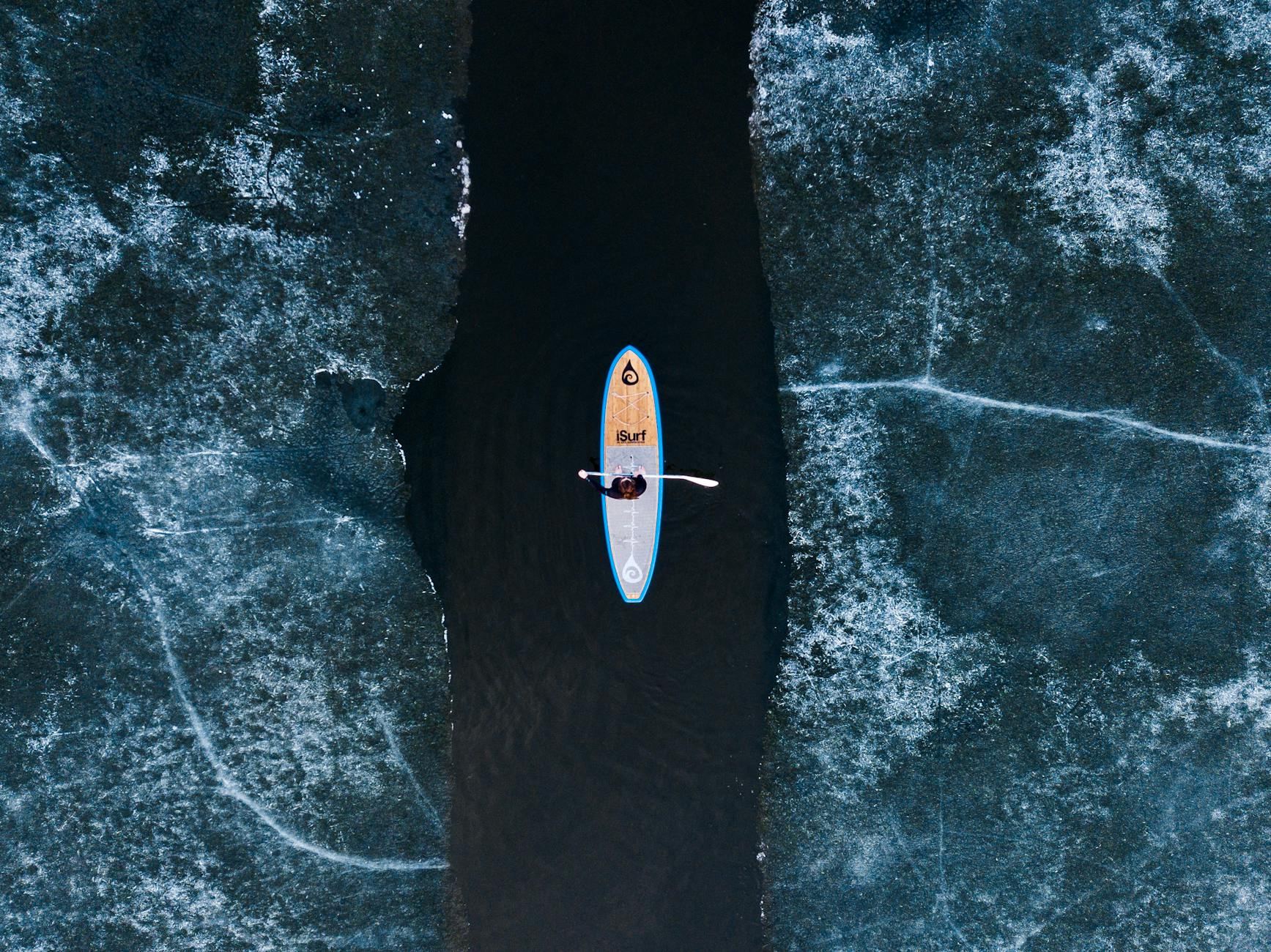
Paddleboarding appears relaxing, but it’s actually a rigorous full-body workout—flat water is the toughest challenge, while swells provide momentum.
Getting started with paddleboarding as a beginner is an enjoyable way to connect with nature while standing on a wide, flat board, pushing yourself across the water with a single long paddle.Core and shoulder power drive each stroke.
Lakes, rivers, or ocean bays offer perfect spots—anywhere calm enough to balance and move with ease.
Most people start in shallow water, practicing balance and weight shifting. Then, they venture farther out once they've found their rhythm.
In paddleboarding, you stand on a board and use a single-bladed paddle to propel yourself across the water, engaging your core and adjusting your posture to maintain balance while navigating varying conditions.
Paddleboarding induces a flow state through rhythmic strokes and constant balance adjustments, offering immediate skill feedback that fosters a sense of accomplishment and mental clarity, while the dynamic water conditions stimulate creativity and adaptive thinking.
Many think paddleboarding is just a leisurely pastime. It's actually a demanding full-body workout wearing a relaxation mask.
Balancing on an unstable board fires up your core, shoulders, and stabilizer muscles. Proper technique means your whole posterior chain is in action with each paddle stroke.
Flat water, deceptively, is the hardest place to start. Nothing aids you there. On ocean swells or river currents, momentum helps ease the effort.
The start feels unstable—like learning to walk again. You wobble on the board, adjusting constantly to avoid falling. Your legs tremble from the effort, trying to keep balance.
The paddle feels awkward at first. It twists in your hands, leading to overcorrections. You come close to toppling sideways. But eventually, rhythm finds you, and you glide forward effortlessly, catching you by surprise.
Your arms tire faster than expected. A tight grip out of fear exhausts them quickly. Lean the wrong way, and you'll likely experience an unexpected swim.
The true satisfaction hits between strokes when the board is still. Below, clear water reveals fish swimming, making the effort feel worthwhile.
When to start: Early morning
Duration: 1.5 hours
Cost to try: $40
Success criteria: If you launch cleanly, paddle 30 minutes, and return to shore without a fall or needing help, do session 2.
# Top 5 Mistakes Beginners Make When Starting Paddleboarding 1. Holding the Paddle Backwards - *Fix:* Angle the paddle blade away from you (not toward you like a scoop) so the curved side faces forward for better tracking and speed. 2. Standing in the Wrong Position on the Board - *Fix:* Stand centered over the handle/middle of the board rather than too far back or forward, as this is the balance sweet spot and keeps the fins in the water for proper steering. 3. Paddling with Incorrect Technique - *Fix:* Keep the paddle blade vertical (straight up and down) as it enters the water with your top arm extended, and never paddle past your feet to avoid wasted energy and loss of momentum. 4. Not Wearing a Leash - *Fix:* Always wear an ankle or calf leash to prevent your board from floating away if you fall and to ensure your safety on the water. 5. Looking Down Instead of Forward - *Fix:* Keep your gaze steady on the horizon ahead rather than looking down, which will improve your balance and stability as you paddle.
To connect with paddleboarders online, start with r/paddleboarding and r/SUP on Reddit. They're active and great for tips and local meet-up info.
Try searching paddleboarding directories on Discord and Facebook groups. Each platform has niche and regional communities.
Outside the web, these places are where paddleboarding happens.
In California, don't miss Santa Barbara, Huntington Beach, or Monterey Bay for great scenes.
The most beginner-friendly style. These boards are wide, stable, and versatile.
Perfect for calm waters and easy activities. Great for families and can even handle fishing or yoga.
Best for intermediate paddlers looking for longer trips.
These boards are longer and narrower, designed to cut through water efficiently. With storage for gear, they're ideal for extended flat-water adventures.
Targets those ready for surf challenges.
These boards are shorter, made for agility in the surf. They demand skill but reward with thrilling wave rides.
Combines paddling with yoga on water.
These boards are extra stable, perfect for yoga poses.
Caters to those who like to fish while afloat.
These stable boards include storage and rod holders.
Astronomy lives in the same world — different mechanics, similar appeal.
Readers who enjoy this often gravitate toward Thru Hiking next.
Finding your optimal stance width and weight distribution changes everything. Many beginners stand too narrow or too wide. They end up fighting for balance instead of establishing it.
The right stance makes the board stable enough that you can focus on technique. Suddenly, you can explore different water conditions. You can progress to tricks or distance paddling without white-knuckling through every session.
Next, let's look at how adjusting your paddle grip complements this newfound stability.
This hobby is for you if you: - Prefer being alone or with one other person rather than in organized group settings - Like activities where you can set your own pace and aren't competing against others - Find yourself drawn to water even though you're not necessarily a strong swimmer - Want exercise that doesn't feel like exercise—where you lose track of time It's probably not for you if: - You get anxious being out on open water where you can't touch the bottom - You need immediate results and progress metrics to stay motivated - You live somewhere landlocked or too far from bodies of water to make it convenient
Still looking for something to do? Browse things to do when bored for more ideas.
Paddleboarding has a gentle learning curve — most beginners can stand and paddle on flat water within their first session. Balance improves quickly with practice, and you'll feel comfortable after 3-5 outings. The key is starting on calm, shallow water and building confidence gradually.
A basic paddleboard setup ranges from $300-$800 for a beginner-friendly board and paddle. You can rent equipment for $15-$40 per hour to test it before buying. Quality boards last for years, making it a worthwhile investment once you're committed.
You'll master basic paddling and balance within a few sessions on calm water. Intermediate skills like turning and edging take 4-8 weeks of regular practice. Advancing to challenging conditions or touring longer distances requires ongoing practice, but most people enjoy the activity from day one.
Paddleboarding works your core, shoulders, back, and legs while engaging your stabilizer muscles for balance. It builds functional strength and improves cardiovascular endurance without high-impact stress on joints. Most paddlers notice better posture and core stability within weeks of regular use.
Kids as young as 4-5 years old can paddleboard with supervision on calm water, often starting on tandem boards with parents. There's no upper age limit — it's a low-impact activity accessible to older adults. Proper flotation devices and calm conditions are essential for younger paddlers.
While being a confident swimmer helps, it's not required if you wear a properly fitted personal flotation device (PFD). Starting in shallow, calm water is the safest approach for non-strong swimmers. Always prioritize safety gear and consider taking a paddleboarding lesson to build confidence.