BoredomBusted — Find Your Next Favorite Thing To Do
Discover hobbies, activities, places, and ideas that spark joy. Whether you're looking for something creative, active, social, or relaxing, BoredomBusted helps you find your next favorite thing to do.
Browse our hobby guides, things-to-do collections, and place ideas to never be bored again.
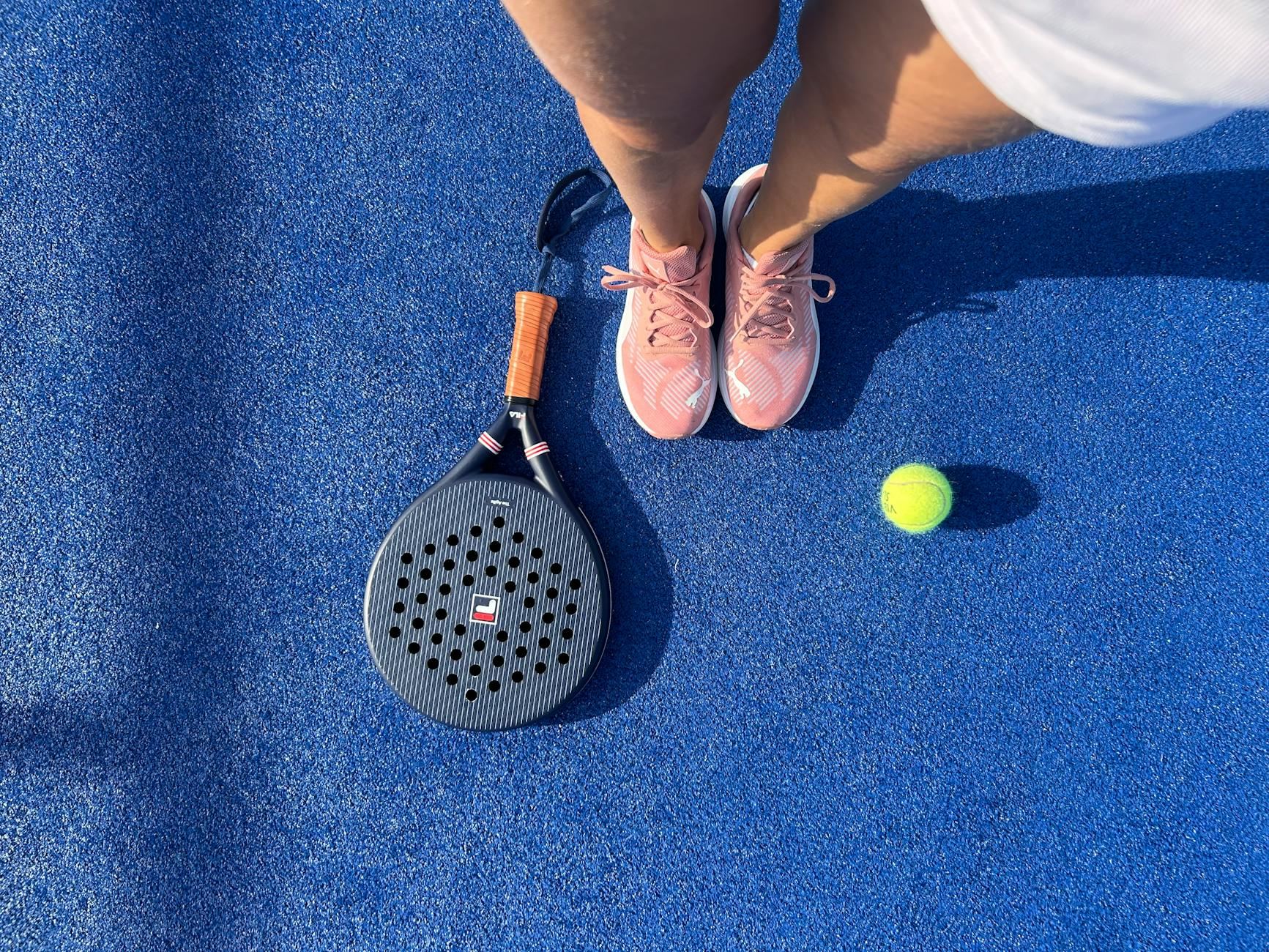
Padel isn't just tennis with walls — its unique strategies and teamwork dynamics create a surprising depth that captivates even newcomers.
Getting started with padel as a beginner is easier than you might think, as it is a racket sport played on a walled, enclosed court. It borrows rules from tennis and the wall-play of squash. The smaller court and slower ball mean rallies last longer — which is why beginners can have a real game on day one.
It's doubles by default, four players to a court. That format naturally makes it social — you show up with one friend and you already have half a game.
In padel, players engage in doubles matches or rally drills on a 20x10 meter court, using a solid perforated paddle to hit a depressurized tennis-like ball over a net while focusing on strategic shot-making, positioning, and reactive movements, including quick lateral shuffles, overhead smashes, and retrieving rebounds off glass walls.
Padel fosters a flow state through fast-paced, reactive decision-making during rallies, allowing players to lose track of time while refining skills through immediate feedback from their performance, enhancing social connections through team dynamics and shared experiences on the court.
You're picturing padel as a watered-down mix of tennis and a bit of squash.
It's easy to see why: rackets, a ball, some fancy footwork. But that's like calling chess a simpler checkers—it's just wrong. Padel carries its own rich strategy that goes beyond imitation.
Take Maria, who switched from tennis to padel. She found anticipating ball rebounds off walls opened a brand-new tactical world—it's a game of angles, not just volleys.
Three things make it shine. Smaller courts. Simple rules. Quick understanding. These elements make padel a social hit—pick it up together, laugh through the learning, and find teamwork smack in the middle of fun.
There's nothing like it when everyone gets drawn in. And here's why that matters...
Starting out in Padel feels exciting but clumsy. With a racket in hand and unfamiliar court layout, you might feel disoriented at first.
As you grasp the basics, the game becomes more fun. The ball bouncing off the walls creates unexpected angles and you begin to appreciate the strategic elements.
Those awkward moments are universal; everyone experiences them. Learning to anticipate the ball's path is tricky initially yet essential to the fun.
When to start: Morning
Duration: 1 hour
Cost to try: $10
Success criteria: If you can rally 5 consecutive wall rebounds and complete 3 underhand serves that land in the service box, do session 2.
Most new players treat the walls like obstacles — something the ball hits when a shot goes wrong. That's backwards. The walls are built into padel's scoring logic, and players who ignore them are giving up their biggest tactical edge.
Start practicing the bandeja off the back wall — it's the shot that separates players who understand padel from players who are just playing tennis with glass panels. Once you stop avoiding the walls and start aiming for them, the game opens up completely.
Hitting hard feels productive. It rarely is. In padel, a ball driven with full force off the back wall often bounces straight back to your opponent — you've done their job for them.
The fix is deliberate: aim for gaps and angles, not pace. A well-placed shot at 60% power that lands at your opponent's feet is worth three thundering drives that float back into play.
Beginners tend to fixate on the ball and forget their feet. By the time the shot arrives, they're flat-footed in the wrong half of the court — scrambling instead of playing.
The habit to build: after every shot you hit, reset your position relative to your partner — not relative to where the ball just went. Padel is a doubles game, and the pair that moves as a unit wins the point before the rally ends.
Many cities now have dedicated padel clubs and courts. Look for them within larger sports complexes — they're often the hub of local padel action.
The fastest way to connect with players is through Meetup. Search for padel groups in your area for pick-up games and group outings.
Facebook groups are another fantastic resource. These can lead to friendly matches and deepen your engagement in the padel community.
Doubles play in Padel is all about coordination. Communicate and strategize with your partner. Ideal for social players who enjoy teamwork.
Singles play demands quick reflexes and sharp skills. Great for those seeking a fast-paced, personal contest.
A close neighbor worth considering: Rugby Union.
Readers who enjoy this often gravitate toward Kabaddi next.
Readers who enjoy this often gravitate toward Doubles Tennis next.
Anticipation makes or breaks your Padel game. Unlike other racket sports, Padel introduces complexity because the ball can rebound off the walls.
Predicting where the ball will go after hitting a wall changes everything. It's not just about watching the ball. You also need to read your opponent's intentions.
Mastering anticipation improves both defense and offense. This sets a solid base for mastering advanced techniques.
Engage in four sessions of Padel over a month. Play once a week to fully understand the dynamics.
If you find yourself strategizing about your next game, you're drawn to more than just the social aspect. Embrace this curiosity by joining a local league or scheduling more matches with friends.
But if you leave sessions only mildly interested, that's substantial feedback. Try playing with different partners or testing new strategies to see if Padel can match your style.
When the very thought of another game feels exhausting, acknowledge it as a clear signal. Padel may cater to others' tastes, but it might not align with yours.
The unmistakable sign you're hooked is finding yourself watching Padel match replays late at night. Unplanned enthusiasm reveals a genuine connection.
Want broader ideas first? Our list of hobbies gives you the lay of the land.
Not ready to pick a hobby yet? The boredom busters page has smaller things to try first.
Padel is played on a smaller court with solid paddles instead of strung rackets, and a lower-pressure ball that moves slower than a tennis ball. The court is enclosed by walls and glass, which are part of play—you can hit the ball off the walls like in squash. This makes padel easier to learn and more social than tennis, with longer rallies and shorter points.
Most people can learn basic padel skills and enjoy casual games within 1-3 months with regular practice. You'll pick up the fundamentals—serves, groundstrokes, and positioning—quickly due to the sport's forgiving nature and slower ball speed. Improvement continues beyond this, but beginners can have fun from their first session.
You'll need a padel paddle (similar in price to a tennis racket, typically $60-200), padel-specific shoes with good lateral support, and appropriate clothing. Most padel clubs provide balls and court access, so you don't need to buy everything upfront. A small initial investment makes it more affordable than many racket sports.
Padel has a moderate difficulty level, making it accessible for beginners while still offering depth for competitive players. The smaller court, slower ball, and wall rebounds mean fewer long-distance movements and more forgiving errors compared to tennis. Even without prior racket experience, most people can enjoy a meaningful game quickly.
Padel is typically played in doubles (four players—two per side), which is what makes it so social and beginner-friendly. While solo practice drills exist, the standard game format emphasizes teamwork and social interaction, making it ideal if you want to meet new people while staying active. Many clubs organize group sessions specifically for beginners.
Court rental typically costs $15-40 per hour depending on your location and time of booking, split among four players. Equipment is a one-time investment of roughly $150-300 for a decent paddle and shoes if you don't already have them. Monthly memberships at padel clubs often offer discounted rates, making regular play more affordable for committed players.