BoredomBusted — Find Your Next Favorite Thing To Do
Discover hobbies, activities, places, and ideas that spark joy. Whether you're looking for something creative, active, social, or relaxing, BoredomBusted helps you find your next favorite thing to do.
Browse our hobby guides, things-to-do collections, and place ideas to never be bored again.
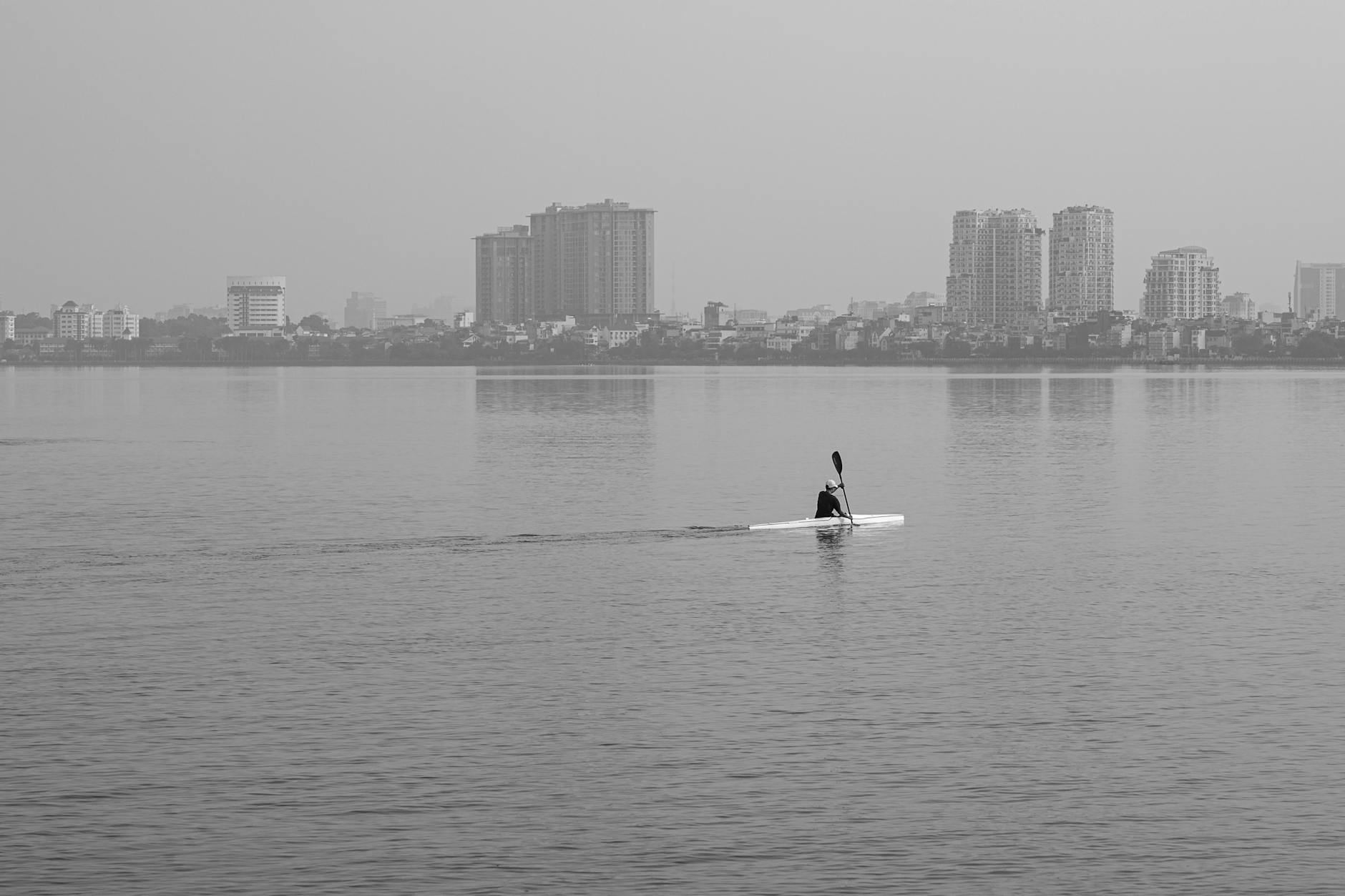
Sea kayaking isn't just about the scenery — it's a compelling flow state that emerges from mastering the unpredictability of water dynamics.
Getting started with sea kayaking as a beginner involves understanding the fundamentals of paddling a narrow boat across coastal waters using a double-bladed paddle. – bays, sea channels, or ocean shorelines – using a double-bladed paddle for propulsion and steering.
Unlike river kayaking, the challenge isn't rapids – it's reading tides, wind, and open water that doesn't care about your skill level.
In sea kayaking, you paddle through coastal waters using a double-bladed paddle, executing various strokes for propulsion and direction, while also interpreting water conditions and planning your route. You develop skills for stability and recovery in choppy waters and may engage with others in a group setting, enhancing communication and teamwork.
Sea kayaking fosters a flow state as you become immersed in the challenges of navigating dynamic waters, while the ongoing skill development provides incremental feedback, enhancing your sense of accomplishment and engagement with the environment.
You think sea kayaking is for people with vans and strong granola opinions. Or maybe, a vacation rental and a gentle paddle. So you've already shelved it as 'relaxing, not a hobby.'
That assumption is costing you something real.
Sea kayaking demands technical skill, not leisurely floating in a boat. You learn to read tidal currents, manage wind fetch, and brace against waves. This skill set makes you feel like you're making progress.
The ocean isn't a pond. Each session tests you with a new dynamic challenge – water state shifts, weather changes, and surf landings. None of it lets you just drift.
Your body and mind are engaged together. Think like a climber — sea kayakers talk routes, conditions, planning, execution.
Picture a paddler in Cornwall. She moved from calm estuaries to threading a tidal race between headlands — timing the current perfectly.
She didn't just float. She navigated.
This shift — doing versus truly learning — is what your first session begins to teach you. Next, we'll dive into what gear makes it all possible.
Stepping into a sea kayak looks serene from afar. But once you're in, the boat feels like it's alive under you, reacting to every subtle move. It's nothing like the videos.
Bracing takes over everything early on. You're more focused on staying upright than paddling forward.
By week two, strokes become less random, but your shoulders and arms feel it the next day. You've found muscles you forgot you had.
Out of nowhere, you experience a smooth 10- or 15-minute stretch of paddling. It feels like a breakthrough. Then a sudden wake throws you off balance, reminding you there's still learning ahead. That realization is key—you're learning from these unexpected spills.
Wet exits start feeling manageable instead of emergencies. That's when you relax, and it changes how you sit in the boat.
It's as if your body is processing a new language. You're not failing; your instincts are evolving. Relax your grip. Loose hands and relaxed wrists allow better rotation.
The key is comfort. Coming next, we'll tackle common mistakes that keep kayakers stuck in frustration.
When to start: Early morning
Duration: 2 hours
Cost to try: $50
Success criteria: if you finished without capsizing, do session 2.
Beginners often wear out their arms quickly because they don't realize the core is much stronger.
Engage your core by keeping your top hand at eye level and rotating your ribcage with each stroke. If your shoulders aren't moving, you need to adjust.
Many novices rush into the water, overlooking the wave patterns hitting the shore.
Take time to observe. Sit and watch the waves for two minutes, count the sets, and plan your entry during a lull.
Straight, rigid posture seems stable but actually worsens balance by raising your center of gravity.
Tilt your pelvis forward and press your thighs against the braces. This will help you become one with the kayak instead of sitting on top of it.
Warm air can be deceiving when the water is much colder, leading to the risk of cold shock.
Always check water temperature and follow the 60°F rule. If air plus water temperature doesn't reach 120°F, wear a wetsuit.
Sit-on-top kayaks are great for calm waters but inadequate for rough conditions due to their open design.
Consider renting a sea kayak with a sealed cockpit and at least a 14-foot length for anything beyond protected bays.
Paddlers typically navigate coastlines, sea lochs, estuaries, and sheltered bays. These are ideal for open water sea kayaking.
Flat-water lakes and reservoirs are great training grounds to master basic strokes before transitioning to tidal waters.
Admit you're a complete beginner with no wet exit experience. This honest conversation ensures you are guided to appropriate skills sessions rather than overwhelming group paddles.
The baseline paddling experience requires minimal gear. Shoreline paddling, launching from beaches, and back before dark. No expedition planning, just water and a few hours. A perfect starting point for almost everyone reading this page.
Multi-day expeditions mean packing camping gear and planning logistics. Paddle from point to point over days or weeks, managing water, food, and navigating weather windows. This is for paddlers with coastal miles under their belts. Expect to spend an extra $300–600 kitting out for overnight capability.
Some coastal stretches mimic whitewater with tidal races and surf zones. It demands aggressive edge control and a solid roll. Ideal for paddlers from a whitewater background eager to venture into open water.
Surf kayaking focuses on riding waves and requires shorter kayaks. It's all about break-reading and timing, for those drawn to the ocean's energy. A dedicated surf kayak costs $800–1,500 and isn't suitable for touring – it's a committed choice.
Tandem kayaking values coordination over strength. It's genuinely easier to learn in but quickly leads serious paddlers to choose solo. Perfect for couples or friends eager to share moments before deciding on separate gear.
If you want a related angle, Whitewater Kayaking is the natural next stop.
If the texture of this appeals to you, Kayak Fishing is built on similar bones.
Some of the same instincts show up in Sprint Kayaking — worth a look if this clicked.
Most beginners obsess over paddle power. Stronger strokes, faster cadence, more effort. Yet the boat remains wobbly and exhausting.
The one skill is edge control – tilting your kayak onto one hull to engage the rocker and let the boat carve instead of fighting the water. Tilt with your hip and thigh, keeping your upper body steady.
Hold a consistent edge, and your turns will transform. No more brute sweep strokes – the boat turns while you simply steer. Without edge control, every correction is a slog. You're paddling a flat-bottomed brick, bullied by crosswinds without grip.
A kayak on edge is a different machine. It actually cooperates with you.
Dive into four sessions over 30 days. Not two, which barely scratches the surface. Not six, which risks burnout. Four rides a sweet spot where you actually start to understand the rhythm and decide if it's enjoyable.
Think rental first, not purchase. Keep your costs down and focus purely on whether you genuinely want to keep paddling.
If you find yourself checking the weather and planning your next route, this hobby has hooked you. Not just a fleeting excitement—you're ready for courses and investment in gear.
Indifference after four sessions means something's off. Maybe poor conditions or uninspiring lessons dulled the experience. Try once more, but this time, pick a spot with actual scenery or gentle currents for a real sense of it.
But if watching the clock, feeling cold, and waiting for it to end was common, it's a sign. Kayaking might seem appealing, but the effort doesn't resonate. Step away; this may demand more than it's worth to you.
The undeniable signal of real interest: you pause mid-scroll at photos of coastal routes. That pull toward water tells you what this hobby genuinely feeds. Maps of inlets and coastlines spark a quiet curiosity that's key.
Sometimes you just need something for the next ten minutes — that's what things to do when bored is for.
Beginners can start sea kayaking with little to no experience—most guided tours and lessons assume zero prior knowledge. Basic swimming ability and comfort in water are helpful, though not always required. Many operators provide thorough instruction on paddling, safety, and navigation before you head out.
Guided tours typically range from $50–$150 per person for a few hours, while kayak rentals are usually $30–$60 daily. If you want to buy your own equipment, expect $800–$2,500 for a quality sea kayak, plus another $200–$400 for a paddle and safety gear. Starting with rentals and lessons is the most affordable way to test the hobby before investing in your own gear.
Most people gain basic paddling and safety skills within a single 3–4 hour lesson or guided tour. Building confidence for independent paddling in various conditions typically takes a few more outings over several weeks. Mastering advanced navigation and tide reading requires more practice, but you can enjoy coastal exploration after your first session.
Sea kayaks are longer, narrower, and more stable in open water, designed for distance and rough conditions, while recreational kayaks are shorter and more maneuverable for calm lakes. Sea kayaking involves navigation, tide awareness, and exposure to ocean swells, whereas recreational kayaking is generally done in protected, sheltered water. Sea kayaks also carry more gear and storage for multi-day adventures.
While swimming ability is beneficial, it's not always a dealbreaker—always wear a properly fitted personal flotation device (PFD) and start with calm, shallow water near the shore. Many beginners gain confidence quickly with guided tours in protected bays and coves. However, check with your local outfitter or guide about their specific requirements and comfort recommendations.
Late spring through early fall offers the most predictable weather, warmest water, and calmest conditions—ideal for beginners. Summer provides the longest daylight hours, while shoulder seasons (April–May, September–October) have fewer crowds but cooler water temperatures. Winter sea kayaking is possible but requires advanced skills, specialized gear, and careful planning due to rough conditions.