BoredomBusted — Find Your Next Favorite Thing To Do
Discover hobbies, activities, places, and ideas that spark joy. Whether you're looking for something creative, active, social, or relaxing, BoredomBusted helps you find your next favorite thing to do.
Browse our hobby guides, things-to-do collections, and place ideas to never be bored again.
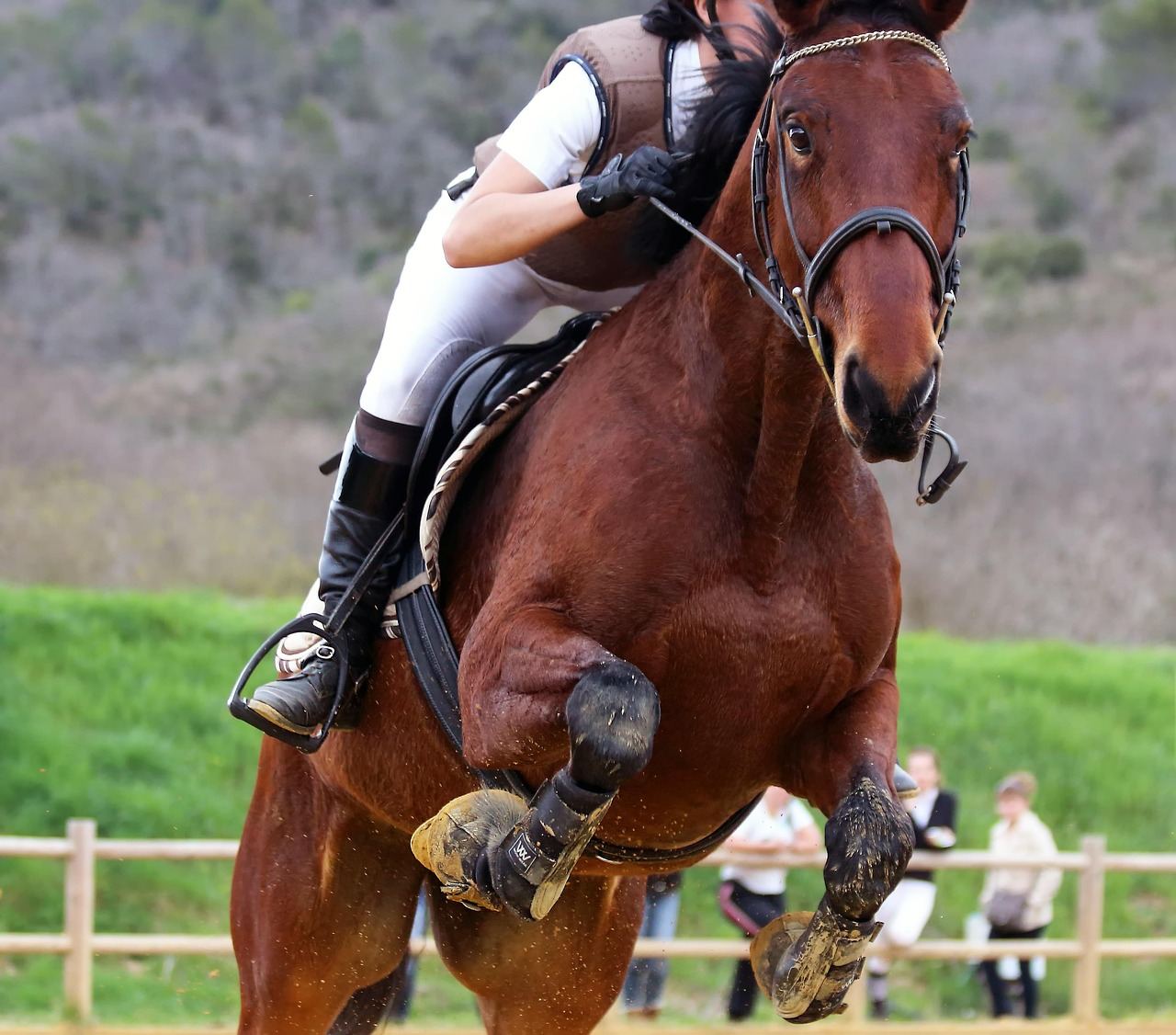
Show jumping isn't just about cash or a top horse—it's a mental chess match where a single miscalculation in stride costs you a rail and a chance to win.
Getting started with show jumping as a beginner involves understanding the basics of horse control and course navigation. Riders guide their horses through a timed course, navigating coloured fences with skill.
Penalty points are added if a pole is knocked down or a jump is refused.
It's all about speed and accuracy, unlike cross-country's fixed obstacles or dressage's focus on elegance.
In show jumping, you mount your horse and navigate structured courses with precise jumps, focusing on timing, balance, and technique while performing various exercises such as grid work and cavaletti to enhance your skills over 1-2 sessions each week.
Show jumping fosters mental toughness and focus through demanding courses that induce flow states, providing immediate feedback on performance and a sense of accomplishment as you refine your skills and achieve self-set goals.
So you think show jumping is just about having a good horse and lots of money.
Picture this: A rider walking the course, planning every stride between fences. It's about precision and control, knowing when to shift weight and apply leg pressure. It's strategy, like chess rather than just a ride.
It's about mastering the mental game. A single misplaced stride can knock a rail. This sport demands focus like golf, rewarding calm precision.
You won't feel this just from watching on TV. Two-point position over a course seems simple until your core and legs ache the next day.
Imagine starting with no riding background. Within a year of consistent lessons, you could compete in a local show. The fences are small, under two feet, and everyone is welcoming at entry levels.
What you see on TV isn't where you begin.The glamour on screen is the goal, not the first step. That initial leap from spectator to participant is what makes starting out an exciting journey.
Watching riders glide over jumps on screen is mesmerizing. In person, it's a mental tug-of-war. You're navigating the horse's instincts as much as your own.
Everything smooth on the flat? Surprise, jumping jolts every weakness to the surface. Your once steady hands now critique. Eyes darting too soon to the fence disrupt the ride in your head.
Week two or three often feels like a void. The rhythm isn't there, and your body betrays you. But that's when riders start pivoting from chasing perfection to shaping potential.
Line of sight can make or break your start. Set your gaze on the top rail—not the base. Focus downwards, and your horse mirrors that distraction.
When to start: Early morning
Duration: 2 hours
Cost to try: $0
Success criteria: If you can jump a line of 3 low fences at canter, landing in the same rhythm after each, do session 2.
Show Jumping attracts everyone for the thrill of the jumps. Flat work feels like a chore nobody asked for.
Focus on nailing your canter transitions on the flat—smooth and consistent on a loose rein. This makes jumping feel less chaotic.
You glance down at the jump just before takeoff, collapsing your position and shifting your weight forward.
Keep your chin up and choose a focal point on the far wall. Your horse will handle the fence.
Hanging on to the reins during the jump feels like control, but it's the reason your horse's back hollows and rails get knocked.
Start with the automatic release on a ground pole:
You're trying to find a stride distance that isn't there, leading to missteps and awkward jumps.
Ditch the counting. Focus on a steady rhythm instead for natural distances.
A sloppy 60cm jump does more harm than a well-executed 90cm jump. Height rewards precision, not the other way around.
Keep fences low and practice managing imperfect distances deliberately. Learn to adjust in the last strides.
Show jumping is hosted at equestrian centers, riding schools, and private yards. Outdoor or indoor arenas are typical, and some places are dedicated to competitions.
You don't need a competition venue until you're ready to show.
Start with British Showjumping (UK) or the US Equestrian Federation. Their websites have built-in club locators that aren't just a contact form.
Search for "BS affiliated riding club [your county]" or "USEF show jumping barn near [your city]" to filter out places that only offer casual riding.
Use Facebook Groups to find "show jumping lessons [your region]" – local yards often announce schooling show dates there first.
Call, don't email. Yard managers fill beginner slots quickly, and a phone call is more immediate.
Clearly state you're seeking jump training lessons. This ensures you meet instructors who specialize in jump training rather than ending up in a general riding class.
Hunters focus on horse form and rhythm, not just keeping poles up. The horse's style matters as much as results. This can be forgiving if your skill isn't perfect yet.
Equitation scoring looks at the rider's position and control, not the horse's show. This helps you refine your abilities rather than relying on a talented horse alone.
Puissance is all about one fence that keeps getting higher. It's both a thrilling event and a test of skill. Spectators love it, but casual riders should approach cautiously.
Speed classes reward quickness, not perfection. Faults add time instead of leading to a jump-off. This format suits those who already manage pace well.
Jumper derbies combine arena and natural obstacles. They offer variety without full eventing commitment. Check that your gear handles outdoor terrain to avoid extra costs.
Skeet Shooting lives in the same world — different mechanics, similar appeal.
Whitewater Rafting lives in the same world — different mechanics, similar appeal.
A close neighbor worth considering: Target Shooting.
The breakthrough skill for jumping isn't the jump itself. It's reading your stride. This means recognizing the distance between your horse and the fence while cantering, and making adjustments before it's too late.
Most riders think it's an innate feel. It's not. It's trained pattern recognition, honed by practice until your eye does the math.
A trained eye shifts you from reacting to leading. Your aids come in time to influence the jump. Without this, you're just along for the ride, and your horse is left guessing on approach. Position and rhythm only help if your eye is sharp.
Start with groundwork, not jumps. Place three trot poles 4.5 feet apart. Count your horse's footfalls, aiming to notice missteps as they happen. Work on calling distance at five strides while cantering to a crossrail, then verify your call. Honest, immediate feedback accelerates learning.
Commit to 8 sessions over 30 days. That's about two lessons per week, allowing for actual progress rather than just recovery.
If you're planning your next ride before the current one ends, that's not just enthusiasm. It's your system wanting more of the challenge. You're wired for the constant adjustments show jumping demands. Book a longer-term lesson block and talk to your instructor about leasing a horse.
Feeling indifferent usually means the sport hasn't fully clicked, not that you're bored. Ask to try a different horse for two more sessions. Pairing with the right horse can change everything.
Feeling genuinely relieved when it's over is a clear signal. Show jumping involves discomfort, fear management, and dealing with an opinionated animal. If the discomfort feels pointless, it's likely not the right fit.
You can't ignore watching competition footage and analyzing the lines instead of the spectacle. That's a clear sign of genuine interest. If you're replaying decisions in your mind, you're already thinking like a rider.
Looking for something different? The hobbies list is the easiest way to scan what else is on the table.
Initial costs typically range from $3,000–$10,000 for a beginner horse and basic equipment (saddle, bridle, helmet, boots), plus monthly expenses of $500–$1,500 for boarding, feed, and farrier care. Many riders start by taking lessons at an established facility rather than buying their own horse, which costs $30–$75 per lesson and requires no upfront investment.
With consistent weekly lessons, most riders develop foundational skills within 6–12 months. However, reaching a competitive show level typically requires 2–3 years of regular training. Your timeline depends on prior riding experience, practice frequency, and your horse's experience level.
You'll need a suitable horse or access to lesson horses, a safety helmet, riding boots, and appropriate clothing. A jumping saddle, bridle, and reins are essential equipment. Most beginners start at a stable that provides lesson horses and allow you to rent or borrow tack until you're ready to invest in your own.
Show jumping is challenging but learnable—it requires balance, coordination, and communication with your horse rather than strength. Most beginners struggle initially with rhythm and positioning over jumps, but dedicated practice and quality instruction make significant progress possible within weeks. Starting with low jumps (under 2 feet) and patient instruction is key.
Horses with calm temperaments, athletic builds, and good jumping ability work best. Warmbloods, Thoroughbreds, and Quarterhorses are popular choices. Your first horse doesn't need to be a top-level competitor—a well-trained, experienced jumping horse with a good temperament is safer and better for learning.
Riding 4–5 times per week allows meaningful progress, with at least one or two lessons focused on jumping technique. If you can only ride 2–3 times weekly, you'll still improve but at a slower pace. Consistency matters more than intensity—regular practice builds muscle memory and trust with your horse.