BoredomBusted — Find Your Next Favorite Thing To Do
Discover hobbies, activities, places, and ideas that spark joy. Whether you're looking for something creative, active, social, or relaxing, BoredomBusted helps you find your next favorite thing to do.
Browse our hobby guides, things-to-do collections, and place ideas to never be bored again.
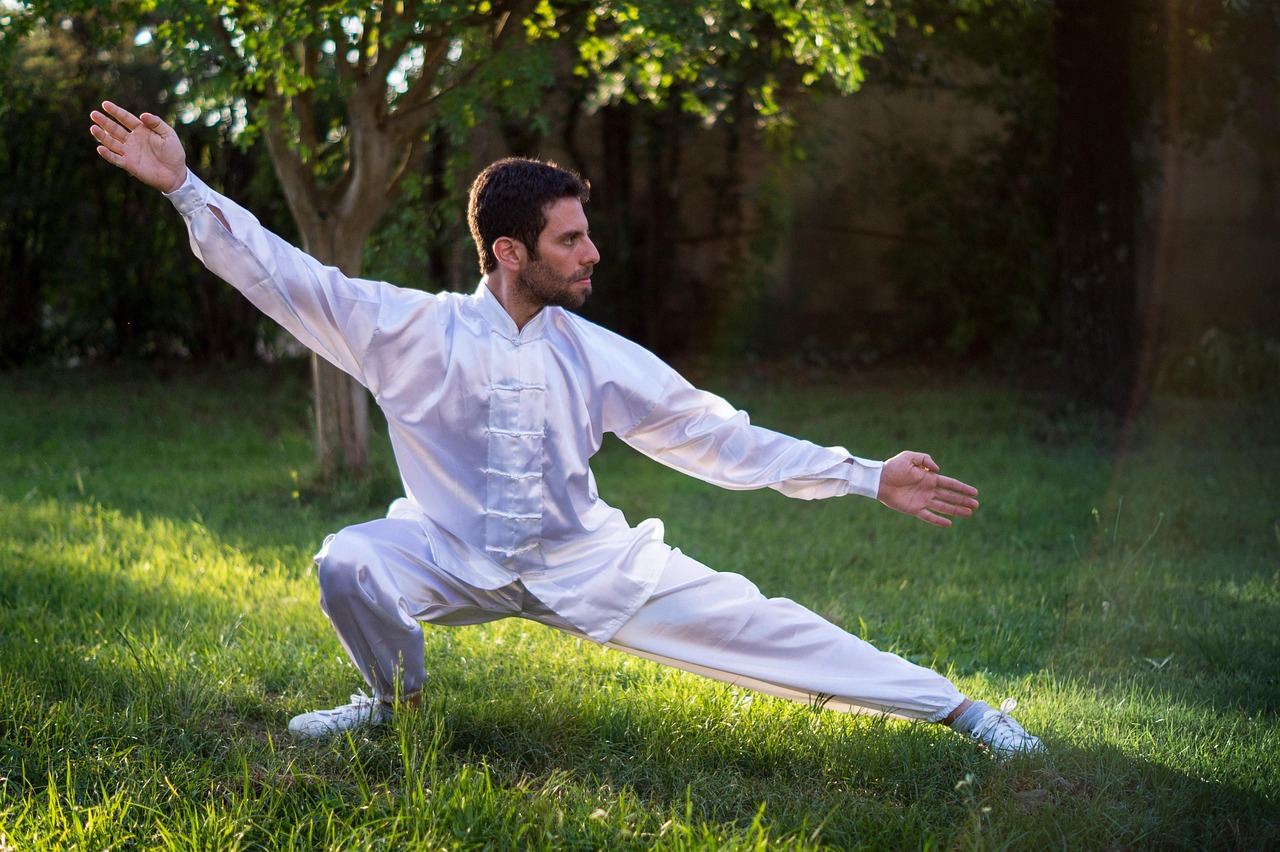
Tai Chi isn’t just tranquil stretches; its slowness is essential for honing precision in striking and mastering internal alignment that rivals traditional martial arts.
Learning tai chi as a beginner involves embracing slow, deliberate movements that create a harmonious flow in your practice.
Each posture flows into the next using relaxed muscle and redirected force, not speed or strength.
Unlike yoga or qigong, it has a genuine combat lineage:
In Tai Chi Martial Arts, participants practice slow, continuous sequences of choreographed movements called forms, focusing on precise actions like waist turns, arm positioning, and breathing, often repeating these forms multiple times for 7–30 minutes daily, either solo or outdoors.
Tai Chi creates a flow state through its meditative sequences that demand full focus on breath and movement, leading to skill feedback loops that enhance mastery and provide a sense of accomplishment as practitioners refine their techniques and progress.
You think Tai Chi is what retired people do in parks at 7am. Slow motion. Peaceful. Basically stretching with extra steps.
That assumption is costing you the whole picture.
At a Beijing workshop, a student tried to resist a master's push with full force and a solid stance. He went sideways anyway — not from strength, but from a half-inch shift in timing he never saw coming.
That's what years of slow practice is actually building toward.
The physical side is already surprising enough. But what keeps people doing Tai Chi for decades is something different — and the next section gets into that.
Watching Tai Chi looks like slow-motion ballet. Doing it feels like your body forgot how to exist in space. That gap — between observer and practitioner — is wider than almost any other martial art.
The first few sessions move at one speed. Slow. The frustration isn't that the movements are hard — it's that your nervous system is learning deliberate movement and genuine stillness at the same time, and those two things fight each other until they don't.
The thing beginners don't expect is how physical the instruction gets. "Sink your weight" sounds metaphorical until a teacher physically adjusts your stance. That adjustment — knees loaded, hips dropped, weight truly underfoot — is the first moment the whole practice makes physical sense. Ask your instructor what sung (松) means in your body before you try to replicate any movement at all.
Most people who push past the first month stop wanting to quit. The gap between frustrating and satisfying is smaller than it looks from week one. The next section covers the mistakes that keep people stuck on the wrong side of that line longer than necessary.
When to start: Early morning
Duration: 30-45 minutes
Cost to try: $0
Success criteria: If you can follow a beginner Tai Chi video and complete one full slow form with steady breathing and no major balance loss, do session 2.
Beginners treat Tai Chi like choreography – collect the steps, then figure out the rest later.
Spend two full weeks on just the first three movements until the weight shifts happen without thinking, then add the next sequence.
Most people don't realize how much chronic tension they carry in their legs until they try to hold a low, open stance for sixty seconds.
Soften your knees until they float just over your toes – if your thighs aren't mildly burning after ten minutes, you're still standing too tall.
The arms look like the action, so that's where attention goes – but Tai Chi movement is driven from the dan tien, not the hands.
Place one hand on your navel during practice and don't let the arms move until you feel the waist rotate first.
A form learned alone in your living room will just rehearse your existing bad habits at higher volume.
Find a weekly push hands session or an in-person class for at least the first three months – you need someone else's hands to feel what "rooted" actually means.
Slowing down and concentrating feels effortful, so the breath tightens – without anyone noticing until they're dizzy ten minutes in.
Exhale on every outward or downward movement, inhale on every gathering or rising one, and let that pattern replace conscious breath-holding entirely.
Tai Chi martial arts is practiced in martial arts studios, community centers, and public parks – yes, the park thing is real and completely normal.
The national governing body in the US is the USA Wushu-Kung Fu Federation, which covers tai chi as a competitive and traditional discipline and maintains a directory of member clubs.
"I'm a complete beginner – I'm interested in the martial side, not just the movement." Say that on your first visit. It gets you a real conversation about class fit instead of being waved into a general session where martial application never comes up.
Most people just say "Tai Chi" like it's one thing. It isn't.
Yang is the most widely taught style in the world — slow, expansive movements and a forgiving learning curve make it the default starting point for most new practitioners.
No other style gives you more accessible instruction and nearby class options — if you're brand new and want to walk into a room with other people, start here.
Chen is the original — older, rawer, and visibly more martial than Yang, with sudden bursts of speed and power woven into the form.
This one is for people frustrated by how gentle other styles look — just know the early grind is steeper than any other style on this list.
Wu uses a noticeably more upright, compact stance and smaller movements than Yang.
The reduced range of motion makes it genuinely practical for older practitioners or anyone with joint limitations — you lose nothing of the internal principles, just the reach.
Sun blends Tai Chi with Xingyi and Bagua, which gives it a livelier footwork pattern and a more agile feel than the other styles.
The catch: fewer teachers offer it, and Sun moves literally more than any other style here — that's a feature if agility appeals to you, a mismatch if it doesn't.
Wudang sits closest to the Taoist origins of the art, emphasizing internal cultivation over martial application.
Qualified teachers are genuinely rare, so expect a search before you find instruction worth your time. Worth the effort if the philosophical side draws you and you're not in a hurry.
Readers who enjoy this often gravitate toward Lap Swimming next.
Weightlifting is a sibling pursuit and often surfaces the same kind of curiosity.
Most beginners obsess over memorizing the form sequence – getting the hands right, the feet right, the transitions right.
That's not what makes Tai Chi work. It's what makes it look like Tai Chi while feeling like nothing.
The real lever is sung – the ability to release structural tension from a joint while keeping it load-bearing and responsive.
Not limpness. Not relaxation in the spa sense. It's the specific skill of dropping weight through a joint so force passes through you instead of stopping at you.
Without sung, your push hands partner doesn't feel resistance – they feel a wall, and walls are easy to redirect.
With it, you become genuinely difficult to read, because there's no muscular tension broadcasting your next move.
Every other Tai Chi principle – rooting, listening, neutralizing – is built on this one, and it stays theoretical until you feel it in your joints.
Twelve sessions over 30 days — three times a week. That's enough to move past the awkward phase where nothing feels natural, without sinking serious time into something that isn't working.
Tai Chi specifically needs that runway. The first two or three sessions feel like slow-motion confusion. By session eight or nine, something usually clicks — the breath, the weight shift, the reason people keep showing up for decades.
Twelve sessions is the honest minimum to know.
If you're looking forward to the next session — not because it's going well, but because the stillness is doing something you didn't expect — that's the signal. Start learning the full 24-form Yang-style sequence and find a regular class, not just drop-ins.
If you finished all twelve and feel nothing either way, that usually means you were practicing without paying attention. Extend by four sessions, each with one specific thing to focus on. If it's still flat after that, the fit might just not be there.
If you were watching the clock and resenting the pace, that's real information. Tai Chi's slowness isn't a beginner phase you push through — it's the entire practice. Deliberate, quiet movement is the point; if that genuinely frustrates you, this is a clean mismatch, not a character flaw.
You keep watching Tai Chi videos — not tutorials, just people practicing — and the quality of the movement holds your attention longer than it should. That specific pull toward the aesthetic of the practice is usually what separates people who last from people who quit at month two.
You need competitive feedback to stay motivated. Tai Chi has no tournaments, no sparring rounds, no clear external wins. Progress is internal and slow to name — if that structure doesn't sustain you, you'll drift.
Your schedule only opens up in short, unpredictable windows. Tai Chi rewards consistency over intensity. Sporadic sessions don't compound the way they do in some hobbies — you lose the thread fast without regular practice.
Chronic joint instability in the knees or hips is a real consideration. The low stances and continuous weight-shifting aren't brutal, but they're not neutral either. If you're managing an active knee or hip injury without medical clearance, talk to your doctor before you find a class.
Sometimes you just need something for the next ten minutes — that's what things to do when bored is for.
Most beginners can learn fundamental movements and basic forms within 4–8 weeks of regular practice, though mastering transitions and proper technique typically takes several months. Consistency matters more than intensity—practicing 20–30 minutes a few times per week yields faster results than sporadic longer sessions.
You only need comfortable, loose-fitting clothing and a flat surface to practice—no expensive equipment required. Many practitioners wear martial arts pants and soft-soled shoes, but regular athletic wear works fine for beginners.
Yes, Tai Chi is specifically designed for all fitness levels and ages, including complete beginners. The slow, controlled movements focus on proper form rather than speed or strength, making it accessible regardless of prior martial arts training.
Regular practice improves balance, flexibility, joint mobility, and core strength while reducing stiffness and improving posture. Many practitioners also experience better sleep, lower stress levels, and enhanced overall body awareness.
Group classes typically range from $10–$20 per session, or $60–$100 monthly for unlimited classes, while private instruction costs $40–$100+ per hour. You can also find free instructional videos online, though in-person classes provide better form correction and guidance.
Yes, once you learn the basic forms from a teacher or video tutorials, you can practice independently at home for 15–60 minutes daily. However, starting with at least a few classes or lessons is recommended to ensure you're using correct posture and technique.