BoredomBusted — Find Your Next Favorite Thing To Do
Discover hobbies, activities, places, and ideas that spark joy. Whether you're looking for something creative, active, social, or relaxing, BoredomBusted helps you find your next favorite thing to do.
Browse our hobby guides, things-to-do collections, and place ideas to never be bored again.
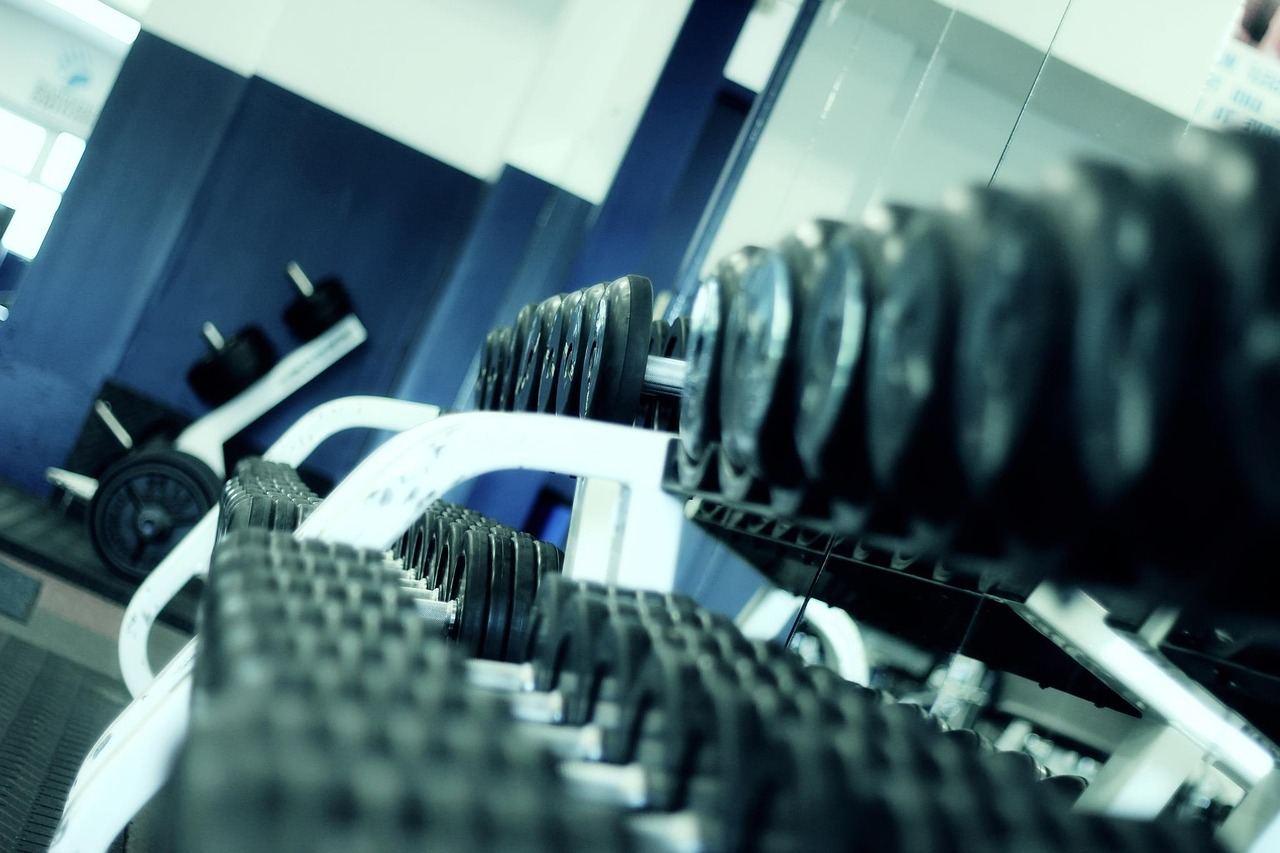
Weightlifting isn't about bulking up overnight — it's about lean muscle, metabolism boosts, and making everyday tasks easier over time.
Learning weightlifting as a beginner focuses on developing strength and muscle through a structured and progressive training approach. Unlike bodybuilding, it prioritizes functional strength over aesthetics. The method is to gradually increase the weights, focusing on technique and form for safety.
Olympic and powerlifting are the two main types. Olympic lifting features the snatch and clean and jerk, which need explosive power and agility. Powerlifting revolves around the squat, bench press, and deadlift, aiming for maximum strength.
It's not just about heaving the heaviest weights. Mastering technique is essential to engage muscles properly and build a balanced physique. Proper form isn't just for preventing injuries—it's key to effectively working each muscle group.
Weightlifting suits everyone, not just young bodybuilders. It enhances performance, bone density, and muscle tone. Plus, it's a fulfilling fitness routine for all ages and body types.
Each weightlifting session involves more than just lifting. You start with a warm-up, then exercise different muscle groups with weights or machines. Following a structured program for steady progress and ample recovery is crucial.
Weightlifting involves lifting weights for the purpose of strength training and muscle building. Sessions typically include a variety of exercises targeting different muscle groups.
Weightlifting provides a structured routine with tangible goals, engaging both the mind and body. The sense of achievement from lifting heavier weights keeps motivation high.
You think weightlifting will make you bulky overnight. This fear often holds people back, especially women. But there's more to it than just picking up a weight.
Gaining significant muscle mass is a complex process. It requires a specific mix of diet, training, and genetics.
Most people lifting weights see better muscle tone and increased strength, not massive growth. Think more lean and toned, less hulking figure. Substantial muscle gain takes a caloric surplus, precise workouts, and time.
Weightlifting boosts your metabolism. You'll burn more calories at rest, aiding weight management.
It strengthens bones, lowering osteoporosis risk, while also enhancing joint function.
Mental benefits are huge too. The focus required lifts your mood and reduces stress. Hitting personal goals builds confidence.
Weightlifting is about functional strength. It makes everyday tasks easier and your body resilient.
Ready to learn about finding the right routine for you?
In your first week of weightlifting, everything starts with learning the basics. The squat, bench press, and deadlift will quickly become familiar. Sore muscles greet you by day two, and the ache can be intense.This soreness, DOMS, is proof you're waking muscles up.
The second week might feel like mixing progress with patience. You know the moves, but not how to nail the technique every time. The gym starts to feel less alien.Improvement is subtle — movements smoother, frustrations clear.
Week three is tough. Doubt creeps in as the initial rush fades. You might think of throwing in the towel. But it's when you need to stick around, even if only to hear weights clink in your hands.Small strength gains mean you're on the right path.
Come week four, confidence grows. Exercise feels less awkward, more like second nature. Slight physical changes are visible.This is when weightlifting shifts from struggle to habit — a rewarding routine. Next up: the mistakes that can stall your progress.
When to start: Any afternoon
Duration: 1 hour
Cost to try: $20
Success criteria: Plan a second session when you feel confident with basic exercises and have experienced minimal soreness.
Newcomers often grab the heaviest weights they can find. It feels like a quick route to strength, but heavy lifting without proper form invites injury.
Stick to lighter weights that allow you to focus on form. You'll lift more in time, as technique and strength build together.
Jumping straight into a workout without warming up pushes your muscles to a sudden challenge.
Start with a dynamic warm-up to get blood flowing. A few jumping jacks or a short jog will do the trick.
After a tough session, your body needs time to rebuild. Overlooking this halts progress and leads to fatigue.
Prioritize rest days and quality sleep for recovery. Fuel your body well and listen when something feels off.
Upper body exercises often steal the spotlight from leg day. This imbalance weakens your overall strength.
Include squats and lunges in your routine for a solid foundation. Balanced workouts reduce the risk of injuries.
Without tracking, it's hard to see how much you've improved. Progress seems invisible.
Use a journal to log your workouts, weights, and reps. This keeps you motivated and committed.
Check Meetup or Facebook Groups for local weightlifting clubs. Use search terms like 'powerlifting club' or 'Olympic lifting team' for the best results. Local gyms with weightlifting facilities are the most direct option to find people to train with.
Explore Instagram and Reddit for weightlifting communities. Look for relevant hashtags or join subreddits to connect. These platforms are great for tips, resource sharing, and information on local events.
Online forums like Starting Strength and Stronglifts are treasure troves. They offer spaces for finding workout partners and local groups. Beginners and experienced lifters alike can find support here.
Join national bodies like USA Weightlifting or the IPF. These organizations list affiliated clubs and events. They connect you with experienced lifters and introduce you to competitive weightlifting.
When meeting your weightlifting group, honesty helps. Say you're new and eager to learn. This openness invites guidance and helps you fit in smoothly.
Powerlifting focuses on three main lifts: squat, bench press, and deadlift. It's intense, competitive, and all about lifting the heaviest you can. Best for those who love breaking personal records and thrive under structured training.
Olympic weightlifting features the snatch and the clean and jerk. It's all about speed, strength, and flexibility. Ideal for technical challenges and boosting athletic performance.
CrossFit combines weightlifting with cardio and bodyweight exercises. It's fast-paced, varied, and thrives on community vibe. Great for those who want a mix of workouts and a thorough fitness program.
Bodybuilding revolves around sculpting the body and developing muscle symmetry. It's methodical, focusing on isolation exercises. Perfect for those into physique competitions or enhancing muscle appearance.
Strongman training involves lifting stones, logs, and tires. It's rugged, practical, and focuses on real-world applications. Perfect for those who love variety and practical strength challenges with a competitive edge.
If this resonates, Gymnastics explores a similar direction.
Readers who enjoy this often gravitate toward Martial Arts next.
Another variant that pulls from the same roots is Wrestling.
To succeed in weightlifting, you must master proper form. Get this wrong and you're risking injury and slow progress. Good form targets the right muscles and ensures each exercise is effective.
Efficient lifting matters. You can lift safely and effectively, avoiding injury to joints and muscles. Proper form maximizes each rep, enhancing strength and muscle gains.
Practice with just a barbell or light weights. Focus on mechanics, ensuring your posture, grip, and alignment are correct. Use mirrors for self-checks.
Overhead squats with a dowel or PVC pipe help refine your posture and balance. This drill identifies weaknesses and improves flexibility.
Film your lifts. Reviewing footage shows your form from different angles. Compare your technique to experienced lifters or videos for insight.
Seek feedback from a coach or seasoned lifter. Their guidance is crucial early on, ensuring you develop a solid foundation.
Lift weights three times a week for four weeks. This commitment lets you experience the changes physically and mentally that come with routine training.
You might discover that every session leaves you wanting more. Feeling stronger and noticing technique improvements excite you. That's a good sign to stick with weightlifting and maybe track your progress in a journal.
If you're indifferent to lifting, you might see the benefits but lack passion. Try varying your exercises or mixing it into other activities you enjoy. This approach might make weightlifting a part of your routine without being the main focus.
Finding the gym sessions dull or off-putting is a clear signal. If the weights don't interest you, it might be the environment or lifting itself that isn't appealing. Consider trying another form of exercise that feels more engaging.
The undeniable sign you're hooked is researching lifting techniques or planning your next workout late at night.
If weightlifting doesn't feel like the right fit, our hobbies list has plenty of other directions to try.
For ideas that take five minutes instead of five weeks, see things to do when you're bored.
Starting costs vary. Basic equipment like dumbbells can cost around $50. Gym memberships range from $10 to $100 per month.
Beginners can start with a few dumbbells or a gym membership. Comfortable workout clothes and a water bottle are also essential.
Beginners can start with 1–2 hours a week. For significant progress, aim for 3–5 hours weekly.
Weightlifting has a learning curve, but many resources are available to help. Start with basic movements and gradually increase complexity.
New lifters often worry about injury and proper form. Start light, focus on technique, and consult resources or trainers.
Yes, with basic equipment like dumbbells or resistance bands, you can perform effective weightlifting exercises at home.