BoredomBusted — Find Your Next Favorite Thing To Do
Discover hobbies, activities, places, and ideas that spark joy. Whether you're looking for something creative, active, social, or relaxing, BoredomBusted helps you find your next favorite thing to do.
Browse our hobby guides, things-to-do collections, and place ideas to never be bored again.
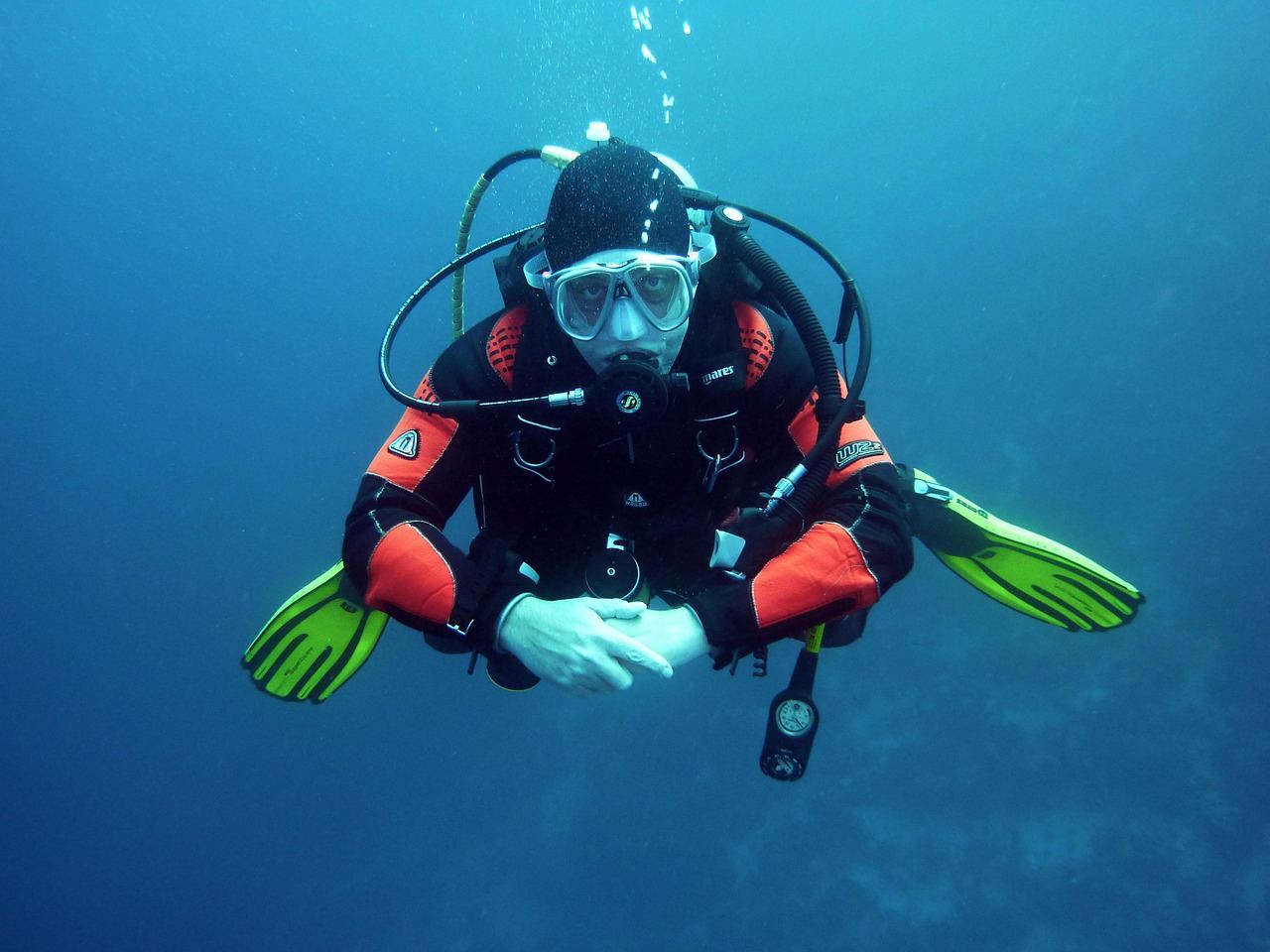
Technical diving isn't just deeper dives with more tanks; it's a complex mental challenge involving meticulous planning and gas management before you even enter the water.
Technical diving covers dives beyond recreational limits — deeper than 40 metres, into overhead environments like caves or wrecks, or requiring decompression stops before surfacing. It's the version of scuba where skipping a step has real consequences.
A single tank and a buddy can't manage these risks. Technical diving uses mixed gases, redundant gear, and strict procedural discipline because the margin for error at depth is measured in seconds, not mistakes.
Technical diving involves executing extended underwater expeditions beyond recreational limits, utilizing multiple gas cylinders and managing decompression while performing precise buoyancy control, efficient finning, and emergency skills in environments such as wrecks and caves.
Technical diving induces a flow state through intense focus on complex tasks and objectives, providing immediate skill feedback and a sense of accomplishment from mastering advanced techniques, all while fostering social connections through team-based planning and execution.
You think technical diving is just regular scuba with more tanks strapped on. Maybe a longer dive. Maybe a bit deeper. That's the assumption — and it's wrong in almost every direction.
Technical diving is a discipline in gas management, not just depth. You're planning decompression stops, calculating gas mixtures, and building redundancy systems before you ever hit the water. The gear looks complex because it is a life-support system you're actively managing — not equipment you wear passively while a guide points at fish.
Most divers who go tech aren't chasing adrenaline. They're chasing the focus that comes from a problem-rich environment where nothing is automatic. The mental load isn't a side effect — it's the whole point.
A wreck diver exploring the SS Thistlegorm at 30 meters isn't doing tech diving. But a diver penetrating an interior deck at 60 meters, managing two stage bottles and a mandatory decompression schedule — that person is running a small operation.
The dive starts two hours before entry.It doesn't end until the gas logs are checked.The question was never whether you can handle the depth — it's whether you can handle the planning.
Watching technical diving footage makes it look like controlled silence – glided descent, perfect trim, gas switches that happen without drama.
Your first session will not look like that. It will look like a person trying to remember six things simultaneously while slowly sinking sideways.
Before: Confident open-water diver. One tank, one computer, simple. You've done fifty dives. This should translate.
After: Two tanks, a stage bottle, a wing, a drysuit, a backplate. Four separate gas mixes to track. The pre-dive checklist takes longer than some of your old dives.
Before your first session, get the S-drill dialed on land until it's boring – the out-of-gas donation drill is the one skill that exposes every equipment configuration problem before depth does it for you.
Awkward. Expensive. Humbling.
You're rebuilding muscle memory you didn't know you had – and the divers who stay are the ones who find that process interesting rather than insulting.
When to start: Early morning
Duration: 2 hours
Cost to try: $0
Success criteria: if you completed all steps without skipping equipment checks, do session 2.
Doubles and stages change your trim completely. Beginners add gear before their base position is even close to dialed in.
Add each new piece of equipment only after you can hold a motionless hover for 60 seconds in the previous configuration.
Recreational diving trained you to think in minutes. Tech diving runs on cubic feet, and confusing the two gets you into a turn pressure you never actually calculated.
Calculate your total usable gas volume before every dive, then divide it into thirds:
New equipment feels bulletproof, so beginners defer valve shutdowns and regulator swaps until they're more comfortable. That means the first time they actually practice it, they're doing it stressed underwater.
Run out-of-air and valve-shutdown drills in the pool every four to six weeks — not just at the start of a course.
Slow, passive exhales feel natural at shallow depths. At depth with denser gas, that pattern spikes your CO2 faster than most beginners expect.
Unexplained anxiety at depth is usually a ventilation problem, not a psychological one. Practice active, full exhales on every dive and treat anxiety as a breathing check first.
"12 minutes of deco" does not mean hang for 12 minutes. It means stop ascending until your tissue loading clears — a different concept entirely.
Ask your instructor to walk you through a live deco profile on dive planning software before your first decompression dive, so the stops make physiological sense, not just procedural sense.
Technical diving happens in open water — quarries and inland dive sites are where most training occurs, not the ocean. Quarry diving sites, open water dive sites, and purpose-built training pools get you through the foundational work before you go deeper.
To find where that training is happening near you, start with these:
Once you find an instructor, the certification they hold tells you whether they can actually map a progression for you. TDI and PADI TecRec instructors have a structured curriculum behind them — they can hand you a path, not just an opinion about trimix.
Walk up and say: "I'm open water certified and want to understand what the path into technical diving looks like." That one sentence tells them your baseline, signals you're serious, and gets you a real conversation instead of a sales pitch.
Most certified tech instructors will sketch out a 12-month roadmap on the spot.
Cave diving means no direct ascent to the surface if something goes wrong. Navigation, gas management, and team discipline all have to be airtight before you go anywhere near a cave system — this is technical diving at its most extreme.
You need significant open-water technical experience before considering this. Specialized cave training courses, redundant lighting, and reels add $1,500–$3,000 in gear on top of everything else.
Wreck penetration carries a similar risk profile to cave diving, but you're threading through sunken ships instead of rock. The environment is more accessible globally, making this the more realistic path for most technical divers chasing overhead environments.
Basic technical training is the prerequisite. The main additions are a good wreck reel and redundant lights — no separate certification track required.
A rebreather recycles exhaled gas instead of venting it as bubbles.
Bottom time extends dramatically.
Marine life doesn't spook from bubble noise.
The tradeoff is that a scrubber failure or missed pre-dive check can deliver hypoxic or hypercapnic gas with almost no warning — divers have lost consciousness and drowned from skipping steps. Units run $5,000–$15,000, and that's before servicing costs.
This suits divers serious about deep exploration or underwater photography who are willing to invest serious training time — not a casual upgrade.
Sidemount configuration mounts tanks along your sides instead of your back, improving access to confined spaces and reducing surface strain. It's not a simpler version of diving — it's a full relearn of buoyancy and trim from scratch.
It's the natural fit for cave and wreck penetration divers, and for anyone whose back rules out a standard backmount rig. Gear costs run comparable to standard technical setups.
Hypoxic trimix is the gas blend for depths below 60m — helium replaces some oxygen to reduce narcosis at depth. If standard technical diving is the advanced course, this is the graduate program for divers pushing the 70–120m range.
Helium is expensive. A single deep dive can cost $50–$150 in gas alone — and that's assuming you've already logged the serious decompression dives this discipline requires as a baseline.
Another variant that pulls from the same roots is Freediving.
Some of the same instincts show up in Scuba Diving — worth a look if this clicked.
If you want a related angle, Snorkeling is the natural next stop.
Most beginners obsess over gear configuration – which rebreather, which manifold, which stage setup. The gear isn't the plateau. Their buoyancy control under gas switching is.
The skill is trim-stable buoyancy during task loading – the ability to hold your depth and body position precisely while your hands are doing something else entirely. In technical diving, the moment you reach for a valve, switch a regulator, or check a deco schedule, your body wants to drift. That drift costs depth accuracy, and inaccurate depth during decompression stops means your deco obligation isn't what you think it is.
When you develop it, gas switches become mechanical and calm – your body is just there, holding position, while your hands work. Without it, every procedural task becomes an emergency-management situation, and you never have the mental headspace to actually think during the dive.
Stress compounds at depth. One drifting moment during a critical switch and your whole dive unravels.
Technical diving doesn't let you dabble. It demands gear investment, formal training, and a psychological comfort with environments that will kill you if you make the wrong call – so figuring out fit before you're $3,000 deep matters.
Four dives over 30 days – ideally a mix of recreational dives and one intro-to-tech experience with a certified instructor. Space them out enough to think between sessions, not just react.
Four dives is enough to feel the weight of the equipment and the mental load of managing gas and depth. It's not enough to judge skill. It's enough to judge desire.
If you're already planning the next dive – and replaying the gas switch, the depth curve, the ceiling calculation rather than just the turtle you saw – that's the tell. Recreational divers remember the experience. Tech divers replay the procedure, and they do it because they want to, not because they're studying.
If that's where your head is going, do the Open Water Diver course if you haven't already, then move directly toward a Tec 40 intro course. Don't drift sideways into more recreational dives – you'll just delay the decision.
If you enjoyed it fine but haven't thought about it since, that's honest data. That's a vacation activity wearing a hobby's clothing. You could extend to six dives, but if the urge to go back isn't already nagging you, more dives rarely change that.
If you were uncomfortable in a way that had nothing to do with skill – claustrophobia under a ceiling, genuine dread watching the gas tick down – that's a different category entirely. Nerves are normal and trainable. Dread that doesn't diminish with familiarity is a signal, not a hurdle.
The specific sign: you're reading about wreck penetrations or cave systems at midnight, not because you're booking a trip, but because you just need to know what's in there. That pull toward the places recreational divers aren't cleared to go – not toward depth records, but toward access to the hidden thing – is the real indicator.
If it's been sitting in the background for a while, it won't go away on its own.
Ear or sinus issues that don't equalize reliably are a hard stop. Recreational depths are forgiving. A failed equalization at 50 meters is a medical emergency, not a reason to ascend slowly.
No realistic access to training infrastructure is a quieter but equally serious problem. Tech diving requires certified instructors, specific gas blending facilities, and water deep enough to train in. If you're more than a few hours from any of that, the friction will kill the commitment before the skill develops.
A schedule that runs in bursts and gaps is the third problem. Technical divers who go more than a few months between dives lose the muscle memory that keeps procedural tasks automatic under stress. The safety margins quietly erode between trips – and that erosion isn't always visible until it matters.
Looking for something lighter? Our boredom-busters guide is built for exactly that.
Technical diving goes beyond the recreational depth limit of 40 meters and requires specialized training in decompression procedures, mixed gases, and advanced equipment management. Recreational diving focuses on shallower depths with simpler oxygen-based gas mixtures and minimal decompression obligations.
Most technical diving certifications take 3–6 months to complete, depending on your prior diving experience and course intensity. You'll need to log 100+ recreational dives before starting technical training, so total timeline varies significantly by individual.
Certification courses typically range from $2,000–$5,000 USD, with additional costs for specialized equipment like rebreathers, decompression tanks, and computers. Ongoing expenses include gas fills, equipment maintenance, and dive trip fees.
Technical diving carries higher risks than recreational diving due to deeper depths, decompression requirements, and equipment complexity, but these risks are manageable with proper training and strict adherence to safety protocols. Most accidents result from inadequate training, poor planning, or equipment failure—all preventable with discipline.
Essential equipment includes multiple tanks, a decompression computer, redundant regulators, stage/deco bottles, and specialized buoyancy compensators. You'll also need dive tables or software to plan decompression stops and manage gas mixtures like nitrox, trimix, or heliox.
Technical divers can safely reach depths of 100+ meters (330+ feet) with advanced training and proper gas mixtures, though most common technical dives range from 40–70 meters. Depth limits depend on your certification level, gas mixture, and physical conditioning.