BoredomBusted — Find Your Next Favorite Thing To Do
Discover hobbies, activities, places, and ideas that spark joy. Whether you're looking for something creative, active, social, or relaxing, BoredomBusted helps you find your next favorite thing to do.
Browse our hobby guides, things-to-do collections, and place ideas to never be bored again.
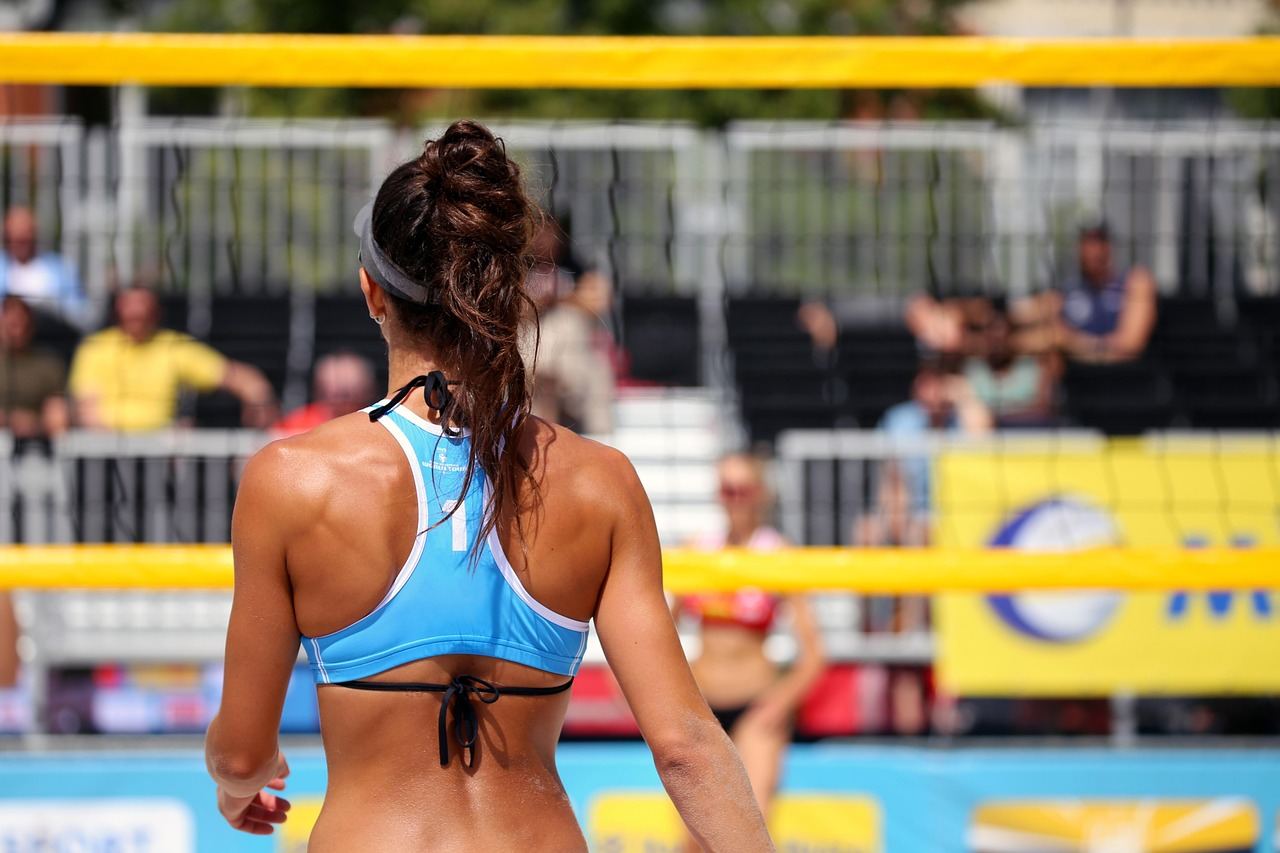
Think volleyball is fun and easy? In reality, mastering your touch and arm swing demands months of practice and instant trust in teammates—and it shows fast.
Getting started with volleyball as a beginner can be an exciting way to engage in teamwork and enhance your physical fitness. Volleyball is a team sport where two sides of six players each volley a ball over a net, scoring points when it hits the opponent's floor.
Unlike tennis or badminton, no player holds or carries the ball – every touch is a split-second redirect, making it one of the few sports where pure reflexes matter more than raw power.
In volleyball, players engage in explosive movements like jumping to spike, diving to dig, and sprinting for quick lateral movements, often practicing in drills that combine these actions in rapid succession, such as block jump-lateral shuffle combos and down ball receives, all while working with teammates to develop game-specific skills.
Volleyball cultivates a flow state through its fast-paced, high-intensity rallies that demand full concentration and quick decision-making, while the immediate feedback from successful plays fosters a sense of accomplishment and progress, complemented by the social interaction and camaraderie built through teamwork.
You think volleyball is a beach game. Something you play badly at a BBQ, laughing into your drink when you miss the serve.
That's the assumption – and it's exactly why most people never give it a real shot.
Volleyball is one of the most mentally demanding team sports at the entry level. Every touch is a visible decision, and there's nowhere to hide from a bad one.
The physical ceiling is genuinely steep. Reading the court, timing jumps, controlling a fast-moving ball with your forearms – these are real skills that take months to feel natural.
It also trains something most hobbies don't: instant trust in strangers. Six people, fast rallies, zero time to overthink – you have to commit to your teammates immediately.
A recreational league player once described their first real practice like this: they thought they knew how to hit a ball. Then a coach showed them their arm swing on video – and they looked like someone swatting at a wasp.
Six weeks later. Actual snap in that swing. A gap they could measure. That visible, concrete progress is what keeps recreational players coming back – not the game itself, but the proof that they're getting better at something genuinely hard.
The sport rewards people who treat it seriously, even at the most casual level. That's worth understanding before you show up.
Watching volleyball looks fluid. Players read the ball early, move without thinking, and make contact look effortless. Your first session will feel like you're playing a completely different sport.
Your forearms bruise in week one. You'll shank more balls than you return, and your timing will be off on almost everything. By week two, passing starts making sense in theory — your body just hasn't caught up with your brain yet.
Week three, you get a few clean contacts per session. Those moments are the only reason you're still showing up. By week four, the game slows down slightly — you start watching the setter instead of staring at the ceiling. That's not a skill gap closing — it's your nervous system finally accepting that the ball moves faster than anything you've trained for before.
Most beginners lunge and swing at the ball. Platform passing is not about your arms — it's about getting your platform in place before the ball arrives. Players who improve fastest move their feet first, keep the arms still, and redirect rather than hit. Do that one thing early and week two looks completely different. The next section covers the mistakes that keep people from figuring that out.
When to start: Early morning
Duration: 1.5 hours
Cost to try: $10
Success criteria: If you finished without extensive injuries or conflicts, do session 2.
New players look at where they want the ball to land, so their eyes – and arm swing – drop too early.
The fix: pick a spot on the wall behind the court and serve through it, not at the floor of the other side.
It feels more controlled to catch the ball in your hands, but palm contact kills accuracy and usually gets called as a carry.
Every beginner does this between points, then scrambles late because they were already at full height with locked knees.
Drop into a low, wide stance before the ball is served – weight forward, knees bent, ready to move in any direction without a prep step.
The instinct is to punch the ball hard, but without a wrist snap at contact, the ball floats long every time.
Beginners call the ball late because they're unsure and waiting to see if someone else moves first – which guarantees a collision or a drop.
Call it early and loud, before you're certain, because a wrong call your teammates can hear beats a silent hesitation every time.
Volleyball happens in gyms, community centers, beach parks, and school facilities – check sports halls and beach recreation areas for spots near you.
When you show up, say exactly this: "I'm a beginner, is this okay for my level?"
That one question gets you placed near patient players, warned about any house rules, and often paired with someone who'll quietly fix your form instead of watching you struggle.
Two players per side, played on sand – the reduced team size means you touch the ball constantly, which accelerates skill-building fast. Best for beginners who want more reps and don't mind the lower-stakes, outdoor vibe. You'll need a sand-friendly ball (around $30–$50) and access to a public court, which most beach towns have for free.
The standard version – six per side, specialized positions, and a much faster game than it looks on TV. Best for people who want structured team play and are ready to commit to a league or regular gym sessions. Court shoes matter here; playing in running shoes on a hardwood gym floor is how ankle rolls happen.
Played on a smaller court with players remaining seated throughout – originally designed for athletes with physical disabilities, but widely played in adaptive sports programs. Best for anyone with lower-body mobility limitations who still wants competitive team volleyball.
Informal variants that live somewhere between beach and indoor – smaller rosters, more touches, less pressure to have a full squad. This is realistically how most casual adult players actually play, especially in parks or backyard setups. No special gear needed.
Volleyball played in a racquetball court, where walls are live. It sounds gimmicky – it's genuinely chaotic and weirdly fun – but it's niche enough that you'll need to find a facility that specifically offers it. Worth a one-time try; probably not your long-term game.
Another variant that pulls from the same roots is Box Lacrosse.
A close neighbor worth considering: Soccer.
Some of the same instincts show up in Archery Tag — worth a look if this clicked.
Most beginners spend months chasing better arm swings and harder serves. The real wall they're hitting is something they can't even see yet — they have no idea where their platform is pointing when they pass.
Platform angle control is the skill that changes everything. Lock your wrists together, drop your shoulders, and steer the ball with your body angle before contact happens. Your arms follow that structure — they don't create it.
Deliberate platform angle is what makes passes land where setters can work. Suddenly the game feels slower, more readable. Without it, you're gambling on every touch, and no amount of setting or hitting practice fixes a team that can't control first contact.
Passing is the foundation every other skill is built on. And passing, stripped down, is just angle control.
These drills force you to own your platform position before, during, and after contact — not just hope for the best on each rep.
Six sessions in 30 days. Twice a week, consistent enough that your body adapts and your brain stops treating every touch like a crisis.
One session tells you almost nothing. Six sessions tells you whether the rhythm of the game is starting to click, or whether you're just tolerating it.
If you want to come back — and specifically if you're replaying rallies in your head afterward — that's not casual interest. That's the game rewiring your attention. Find a recreational league or a regular open gym. The solo practice ceiling arrives fast; you need live reps against real players now.
If you feel indifferent — not bad, not hooked, just fine — that usually means you haven't had a moment yet where the game actually worked for you. One more month is a reasonable extension, but only if you're playing with people at a similar level. Indifference caused by constant skill mismatches isn't indifference about volleyball.
If you actively didn't want to be there — not nervous, not tired, but genuinely counting the minutes — that's the clearest data you'll get. Volleyball is loud, social, and physically reactive. If that combination drained you across multiple sessions, no amount of persistence fixes a structural mismatch.
You're watching a casual beach game or a college match on TV, and you notice yourself tracking where the ball should have gone — not just watching, but mentally correcting. That low-level tactical attention means your brain has already started modeling the game.
Chronic shoulder or wrist issues are a real barrier. Serving, setting, and blocking load those joints repeatedly, and recreational play rarely has the coaching infrastructure to help you modify technique safely.
Access is a harder constraint than people admit. Volleyball needs a net, a court, and ideally six or more people — you can't just grab a ball and go solo the way you can with tennis or running.
If you strongly prefer individual sports where your performance depends only on you, volleyball's team structure isn't a phase you'll grow out of — it's the entire game.
If volleyball feels like too much to commit to right now, browse what to do when you're bored for lower-stakes ideas.
Starting costs are relatively low. A basic volleyball and proper shoes will run $30–$50 total. If you join a league or club, membership fees typically range from $50–$200 per season depending on the organization and level of play.
No—most recreational leagues and clubs welcome beginners and offer beginner-level divisions. Many communities have introductory clinics or beginner leagues where you'll learn fundamentals alongside other newcomers.
You can learn basic passing, setting, and serving within 4–6 weeks of regular practice. Most beginners can participate in casual games or entry-level league matches within 2–3 months with consistent training.
You don't need to be elite, but volleyball requires moderate cardiovascular fitness, agility, and leg strength. If you're generally active or willing to build fitness gradually, you can start at a beginner level and improve as you play.
Recreational players typically play once or twice a week in league or pickup games, though committed athletes may train 3–4 times weekly. You can start with just one session per week and adjust based on your schedule and interest.
Official matches require 6 players per side, but you can practice with fewer players or play recreational versions with as few as 2–4 per side. Many beginners start with casual games to build confidence before joining organized teams.