BoredomBusted — Find Your Next Favorite Thing To Do
Discover hobbies, activities, places, and ideas that spark joy. Whether you're looking for something creative, active, social, or relaxing, BoredomBusted helps you find your next favorite thing to do.
Browse our hobby guides, things-to-do collections, and place ideas to never be bored again.
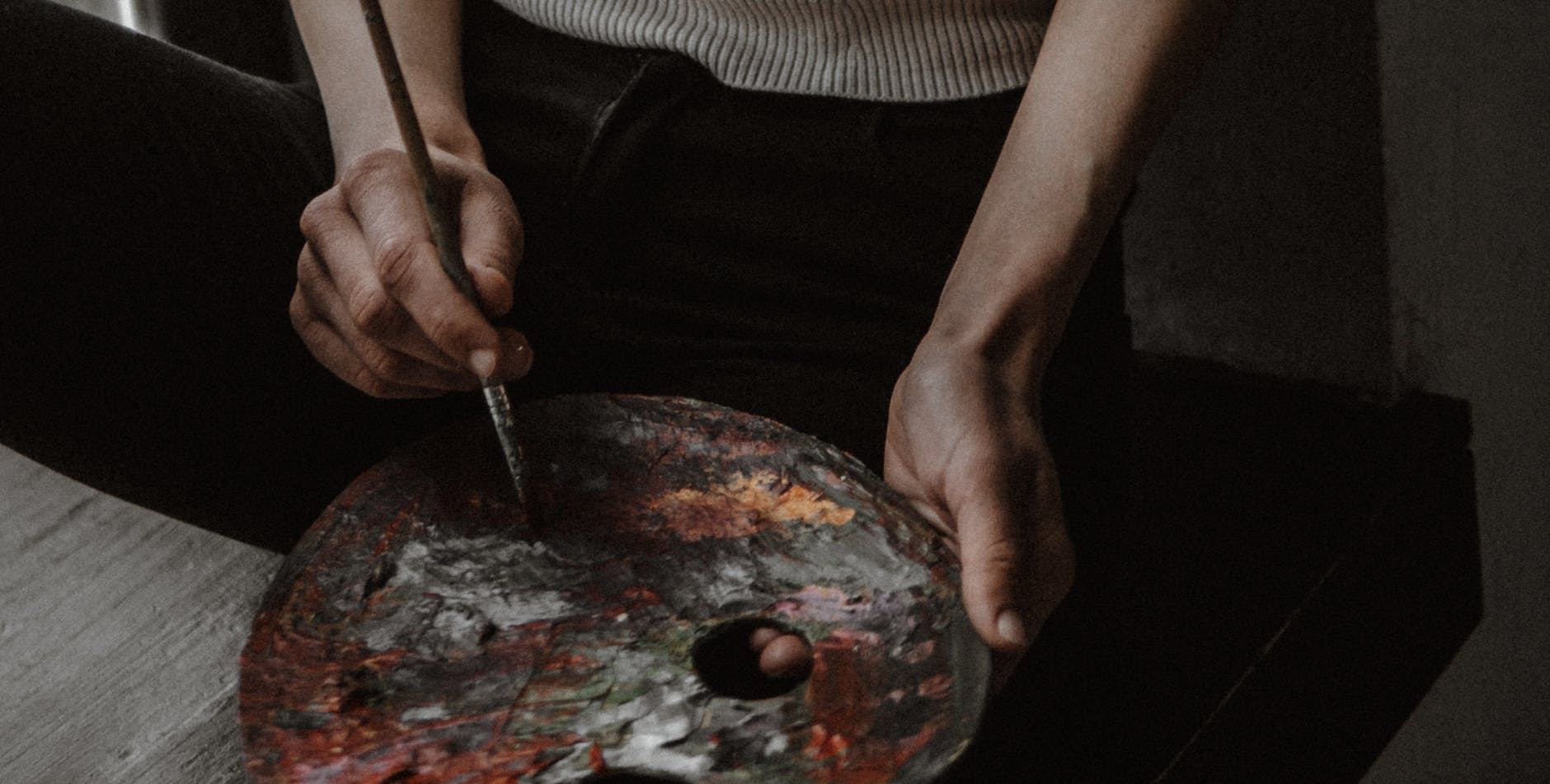
Whether you're looking to unplug from screens, express something words can't capture, or just fill your evenings with something more rewarding than doom-scrolling, creative hobbies are the answer.
This is the definitive list — 186 creative hobbies organized into 12 categories.
Every hobby here involves making, crafting, designing, or expressing something. Activities that give you something to show for your time.
Visual arts span everything from cave paintings to resin pours going viral on TikTok. What unites them is the act of transforming a blank surface or raw material into something that has never existed before.
Painting is perhaps the most iconic creative hobby. Different paints and surfaces create dramatically different experiences, so if you tried one medium and it didn't click,
1. Acrylic Painting — Acrylics are the ultimate beginner-friendly painting medium: they dry fast, clean up with water, and work on almost any surface. Incredibly versatile, you can create everything from bold abstract pieces to photorealistic portraits.
2. Watercolor Painting — A beautifully unpredictable medium where pigments blend and flow on wet paper, creating dreamy, translucent effects. It rewards patience and a willingness to let go of control.
3. Oil Painting — Oil paints offer rich, buttery textures and unmatched depth of color — the medium of choice for masters from Rembrandt to Monet. The slow drying time allows for extensive blending and reworking over days or weeks.
4. Gouache Painting — An opaque watercolor that dries to a beautiful, matte, velvety finish. Beloved by illustrators for its bold, flat color and forgiving nature — mistakes are easy to paint over.
5. Encaustic Painting — An ancient technique where pigmented beeswax is melted, applied to a surface, and fused with heat. The results are luminous and richly textured — you can layer, scrape, and embed materials into the wax.
6. Resin Art — Pouring, tinting, and manipulating epoxy resin creates glossy, glass-like surfaces on everything from coasters to large-scale abstract pieces.
7. Gouache on Black Paper — Painting light colors on dark surfaces flips the logic of traditional painting and forces you to think about light instead of shadow.
8. Pencil Sketching — The foundational creative skill: capturing the world around you with graphite on paper. Regular sketching sharpens your powers of observation in ways that improve everything else.
9. Charcoal Drawing — Charcoal produces bold, dramatic marks with a rich tonal range. You'll smudge, blend, and erase with your fingers — making it feel raw, immediate, and expressive.
10. Pastel Drawing — Pastels deliver vibrant, velvety color that you apply and blend directly with your fingers. A fantastic bridge between drawing and painting.
11. Ink Drawing and Pen Work — From precise technical illustration to loose gestural line work, ink drawing offers a satisfying permanence — you commit to every mark.
12. Chinese Brush Painting — This traditional East Asian technique uses ink and water-based pigments applied with expressive brushstrokes on rice paper. It emphasizes the beauty of the brushstroke itself.
13. Zentangle Drawing — A structured method of creating intricate, repetitive patterns using simple strokes, designed to promote relaxation. Requires zero drawing experience.
14. Botanical Illustration — Blending scientific accuracy with artistic beauty to produce detailed depictions of plants, flowers, and fungi. It teaches you to truly see the intricate architecture of the natural world.
15. Fashion Illustration — Capturing garments, silhouettes, and style through elongated, expressive figure drawings. Combines observational drawing with design sensibility.
16. Linocut Printmaking — Carving an image into a linoleum block, inking the surface, and pressing it onto paper. One of the most accessible printmaking techniques.
17. Woodcut Printmaking — Similar to linocut but using hardwood, which creates a distinctive grain texture that becomes part of the composition.
18. Screen Printing — Using stencils and mesh screens to push ink onto paper, fabric, and T-shirts. Fantastic for creating repeatable art and custom apparel with vivid, layered colors.
19. Monotype Printing — Painting directly onto a smooth plate and pressing paper onto it produces a single unique print each time. A loose, expressive technique beloved for its painterly spontaneity.
20. Cyanotype Printing — A historic process using UV light and a simple chemical solution to produce striking Prussian blue-and-white prints. You can create botanical prints using just sunlight and found objects like leaves.
21. Paper Marbling — Floating special inks on water, swirling them into mesmerizing patterns, then transferring those patterns onto paper. Every pull is unique and slightly unpredictable.
22. Pottery and Ceramics — Shaping clay by hand or on a wheel, then firing it in a kiln to create functional and sculptural objects.
23. Sculpture (Clay, Stone, Found Objects) — Sculpting in the round teaches spatial thinking and an intuitive feel for form and volume. The material you choose shapes the vocabulary of your work.
24. Mosaic Art — Arranging small pieces of colored glass, tile, or ceramic into patterns or images. A meditative, puzzle-like process that produces stunning, durable artwork.
25. Stained Glass Art — Cutting colored glass pieces, wrapping them in copper foil, and soldering them together to create luminous panels and suncatchers.
26. Glass Blowing — Transforming molten glass into vessels, sculptures, and ornaments through a combination of breath, heat, and precise hand movements.
27. Wire Sculpture — Bending, twisting, and coiling wire into three-dimensional figures, animals, and abstract forms.
28. Mixed Media Art — Combining paint, ink, fabric, found objects, and photographs on a single surface. Ideal for creative people who love texture, layering, and unexpected juxtapositions.
29. Collage Art — Cutting and assembling paper, magazine clippings, and other materials into cohesive compositions. No drawing skills required.
30. Art Journaling — A visual diary combining drawing, painting, collaging, and writing on the pages of a personal journal. Less about creating perfect art and more about self-expression.
31. Assemblage Art — Constructing three-dimensional artwork by combining found objects, discarded materials, and everyday items into sculptural compositions.
Photography and film let you capture the world as you see it — or as you imagine it. The barrier to entry has never been lower.
32. Photography — Capturing the beauty, mood, and grandeur of natural and urban environments. It gets you outdoors and teaches patience — waiting for the perfect light is half the practice.
33. Portrait Photography — Capturing the personality and essence of individuals through carefully composed images.
34. Street Photography — The art of capturing candid, unscripted moments of everyday life in public spaces.
35. Macro Photography — Revealing the breathtaking detail in tiny subjects — the veins of a leaf, the compound eye of an insect, water droplets on a petal.
36. Astrophotography — Capturing the night sky — star trails, the Milky Way, nebulae — using long exposures and specialized techniques.
37. Wildlife Photography — Patiently capturing animals in their natural habitats. Requires stealth, patience, and fast reflexes.
38. Drone and Aerial Photography — Capturing stunning bird's-eye perspectives of landscapes and architecture impossible from the ground.
39. Film Photography (Analog) — Shooting on actual film brings a deliberate, tactile quality back to photography. The limited exposures per roll force you to slow down.
40. Mobile and Smartphone Photography — Smartphone photography proves that the best camera is always the one you have with you.
41. Photo Editing and Digital Retouching — Editing transforms good photographs into stunning ones. Adjusting light, color, and composition in tools like Lightroom deepens your understanding of what makes an image work.
42. Short Filmmaking — Making short films combines storytelling, cinematography, and editing into one powerful creative package. You can start with nothing more than a smartphone and a story idea.
43. Documentary Filmmaking — Documentary captures real-life stories and communities, turning everyday reality into compelling visual narratives.
44. Stop Motion Animation — Photographing physical objects one frame at a time to create the illusion of movement. Painstaking but magical.
45. Time-Lapse Photography and Video — Compressing hours or days into seconds reveals hidden rhythms — clouds racing, flowers blooming, cities pulsing with life.
46. Video Editing and Color Grading — The edit is where a film is truly made. Assembling footage, pacing cuts, and shaping a narrative is a deeply creative process.
Music and sound tap into one of humanity's most universal forms of expression. These hobbies offer everything from meditative calm to electrifying creative breakthroughs.
47. Guitar Playing — One of the most accessible and versatile instruments. Its portability and range across genres make it a lifelong creative companion.
48. Ukulele Playing — The ukulele's compact size, gentle learning curve, and cheerful tone make it one of the best instruments for beginners.
49. Violin and Fiddle Playing — The violin offers some of the most emotionally powerful sounds in all of music, from classical concertos to Appalachian fiddle tunes. Challenging but deeply rewarding.
50. Bass Guitar — The backbone of virtually every band, the bass locks in the groove between rhythm and melody. Easier to get started on than guitar.
51. Banjo Playing — The banjo's bright, percussive tone sits at the heart of bluegrass and folk traditions. The clawhammer technique is uniquely satisfying.
52. Drumming and Drum Kit — A full-body creative workout that sharpens coordination, timing, and rhythmic instincts. Electronic kits make apartment drumming a real option.
53. Hand Drumming (Djembe, Cajón, Bongos) — Hand drums offer an incredibly accessible and communal entry into percussion. The djembe connects you to a rich West African musical tradition.
54. Beatboxing — Transforms the human mouth into a drum machine, synthesizer, and bass guitar all at once — no equipment required.
55. Handpan and Steel Tongue Drum — These melodic percussion instruments produce hauntingly beautiful, resonant tones with an almost meditative quality.
56. Piano and Keyboard — Builds a deep understanding of music theory while giving you access to virtually every genre of music ever written.
57. Harmonica Playing — Small enough to fit in your pocket but capable of producing deeply soulful sound, rooted in blues, folk, and rock.
58. Theremin Playing — An electronic instrument played without physical contact — you control pitch and volume by moving your hands through electromagnetic fields.
59. Handpan Composition — Extended play on a handpan moves beyond simple improvisation into composing original pieces with arc, tension, and resolution.
60. Singing and Vocal Training — You already own the instrument. Whether you join a choir, take lessons, or just belt it at karaoke, vocal training improves breath control and emotional expressiveness.
61. Songwriting — Songwriting merges lyrical storytelling with melody and emotion, giving you a deeply personal outlet for self-expression.
62. A Cappella Singing — Creates rich, full-band arrangements using nothing but human voices. An intensely collaborative hobby that builds ear training and blending skills.
63. Live Looping — Recording snippets of music in real time and layering them to build a full composition on the fly.
64. Music Production (DAW-Based) — Using digital audio workstations like Ableton Live, Logic Pro, or GarageBand, bedroom producers can compose, arrange, mix, and master professional-sounding tracks entirely on their own.
65. DJing — The art of curating and blending tracks to create a seamless, evolving musical experience.
66. Sound Design — Creating the audio textures, effects, and atmospheres you hear in films, games, and podcasts.
67. Electronic Music and Synthesizer Exploration — Synthesizers let you sculpt entirely new sounds from scratch using oscillators, filters, and modulators.
68. Music Composition (Notation-Based) — Writing original music using notation software like MuseScore. Teaches you to hear music structurally.
Writing and storytelling give you the power to build entire worlds, capture fleeting emotions, and share ideas that outlast the moment — all with nothing more than words.
69. Novel and Long-Form Fiction Writing — Writing a novel is one of the great creative challenges — sustaining a story, a world, and a cast of characters across tens of thousands of words. Events like NaNoWriMo provide community and structure.
70. Short Story Writing — The short story is its own distinct and demanding art form — everything a novel needs compressed into a space where every sentence must carry weight.
71. Flash Fiction and Microfiction — Flash fiction (under 1,000 words) and microfiction (under 300) challenge you to tell a complete story with maximum impact in minimum space.
72. Fan Fiction Writing — Fan fiction lets you play in the sandbox of your favorite fictional universes. Platforms like Archive of Our Own host massive, welcoming communities.
73. Worldbuilding — Creating detailed, internally consistent fictional settings complete with geography, history, cultures, and rules of magic or science.
74. Poetry Writing — Poetry distills language to its most potent and musical form. From haiku to free verse to traditional sonnets.
75. Spoken Word and Poetry Performance — Spoken word takes poetry off the page and turns it into a live, visceral experience powered by rhythm and emotional delivery.
76. Blackout Poetry (Erasure Poetry) — Take a printed page, select words that form a poem, and black out everything else. Created by removing language rather than adding it.
77. Lyric Writing and Songwriting — Writing words that live inside music adds layers of rhythm, rhyme, and melodic constraint that push your language in unexpected directions.
78. Journaling — The ultimate low-barrier creative practice: a notebook and honesty. Writing regularly is one of the most effective tools for clarity and self-knowledge.
79. Personal Essay and Creative Nonfiction — Taking real events and shaping them with literary techniques to create compelling true stories.
80. Memoir Writing — Memoir asks you to find the story arc in your own life. It's equal parts excavation and craft.
81. Blogging and Online Writing — A personal platform to share your voice, expertise, and stories with a global audience.
82. Screenwriting — Writing for film, television, and digital media through dialogue, action, and scene description.
83. Playwriting — Writing for the stage is an intimate, dialogue-driven art form where every word must earn its place.
84. Comic and Graphic Novel Scripting — Writing scripts for comics means thinking visually and pacing a story panel by panel.
85. Tabletop RPG Writing and Game Mastering — Writing campaigns for D&D and other RPGs is collaborative storytelling at its most dynamic.
86. Zine Making — Self-published, small-batch publications containing anything from poetry and essays to comics and collages. A beautifully DIY medium with deep roots in punk and indie culture.
87. Letter Writing and Epistolary Arts — In an age of texts and emails, the deliberate art of handwritten letter writing has experienced a genuine resurgence as a meditative, personal practice.
Performing arts put your body, voice, and personality center stage. The skills you build — confidence, presence, physical awareness, emotional expression — tend to spill into every other area of your life.
88. Theater Acting — Community and amateur theater lets you inhabit other characters, explore complex emotions, and collaborate with fellow performers. One of the most personally transformative hobbies you can pursue.
89. Musical Theater — Combining acting, singing, and dancing into one spectacular form. Community musicals welcome performers of all levels.
90. Stand-Up Comedy — Writing and performing your own comedic material is one of the most creatively demanding performing arts. It sharpens observational skills and timing.
91. Improvisation (Improv) — Improv teaches you to think on your feet, say "yes, and…" to creative opportunities, and build scenes with other performers in real time with no script.
92. Voice Acting — Bringing characters to life for animations, video games, audiobooks, and commercials using nothing but your vocal range and emotional intelligence.
93. Contemporary and Modern Dance — Encourages personal expression and exploration of movement beyond classical forms.
94. Ballet — Builds extraordinary physical discipline, posture, and grace — even beginners taking adult classes experience profound changes in how they carry themselves.
95. Hip-Hop and Street Dance — Rooted in Black American culture and community, hip-hop dance encompasses a wide range of styles from breaking to popping to krump.
96. Ballroom and Latin Dance — Salsa, tango, foxtrot, cha-cha — partner dances that build connection, rhythm, and a lot of laughter.
97. Folk and Cultural Dance — Every culture on earth has its own dance traditions. Learning a cultural dance form connects you to living tradition and deep history.
98. Pole Dance and Aerial Dance — Pole dance has evolved into a serious athletic and artistic discipline that builds extraordinary upper body strength, flexibility, and body confidence.
99. Aerial Arts (Silks, Trapeze, Lyra) — Builds incredible strength, flexibility, and grace while producing breathtaking visual results. Beginner-friendly classes are widely available at circus schools.
100. Juggling and Object Manipulation — A meditative, skill-based art that develops coordination and focus. Cheap to start and expandable in difficulty for the rest of your life.
101. Magic and Illusion — Learning close-up magic, card tricks, or stage illusions combines dexterity, psychology, and showmanship into an art form that genuinely astonishes people.
102. Puppetry — Puppetry combines sculpture, character design, voice performance, and storytelling into one expressive package.
103. Circus Arts and Flow Arts — Modern circus encompasses acrobatics, stilt-walking, hula hooping, and more. Many practitioners describe flow arts as moving meditation.
Fiber arts transform thread, yarn, and fabric into beautiful, often functional objects. The fiber arts community is one of the most welcoming of any creative hobby.
104. Knitting — Using two needles to interlock loops of yarn into fabric. Portable, meditative, and endlessly versatile — from cozy scarves to intricate colorwork sweaters.
105. Crocheting — Using a single hooked needle, crocheting lets you create everything from delicate lace to chunky blankets. Especially loved for three-dimensional shapes.
106. Amigurumi — The Japanese craft of crocheting small stuffed toys and figures. Perfect for makers who crave quick, adorable, highly giftable projects.
107. Embroidery — Stitching decorative designs onto fabric with needle and thread. Has exploded in popularity as modern makers bring fresh creativity to this centuries-old craft.
108. Cross-Stitch — Uses X-shaped stitches on gridded fabric to create pixelated images — essentially digital art made with thread.
109. Punch Needle — Using a hollow, pen-like tool to push loops of yarn through taut fabric, creating a tufted, textural surface. Faster and more forgiving than embroidery.
110. Tatting — A lesser-known lacemaking technique using a small shuttle or needle to tie knots into delicate, intricate lace. Ultra-portable and produces heirloom-quality pieces.
111. Weaving — Interlacing threads on a loom to create fabric, tapestries, and textiles. Appeals to makers who love the interplay of color, pattern, and structure.
112. Tapestry Weaving — A specialized form that lets you essentially "paint" with fiber.
113. Rug Hooking — Pulling loops of yarn or fabric strips through a woven backing to create thick, textured rugs and wall hangings.
114. Hand Spinning — Using a spinning wheel or drop spindle to twist raw fiber into custom yarn. Practitioners fall in love with the deeply meditative process.
115. Sewing and Garment Construction — Whether you're altering thrift-store finds or drafting patterns from scratch, sewing gives you the power to create clothing tailored exactly to your vision.
116. Quilting — Stitching together layers of fabric in intricate geometric patterns. Modern quilters are pushing the medium into fine art territory.
117. Visible Mending and Sashiko — Visible mending embraces repairing damaged clothing in a deliberate, decorative way. Sashiko turns a torn garment into a sustainability-minded statement piece.
118. Cosplay and Costume Making — Cosplay combines costume construction, prop fabrication, painting, and performance to bring fictional characters to life.
119. Macramé — This knotting technique creates decorative patterns and has made a massive comeback as a home décor staple. The repetitive knotting is wonderfully calming.
120. Needle Felting — Repeatedly stabbing loose wool roving with a barbed needle until fibers compress into a dense, sculpted form. Watching a cloud of wool transform into a miniature animal is deeply satisfying.
121. Wet Felting — Using hot water, soap, and agitation to bond fibers into dense, seamless fabric. One of the oldest textile techniques on Earth.
122. Natural Dyeing and Shibori — Natural dyeing extracts color from plants, minerals, and insects. Shibori adds pattern-making with stunning, unpredictable results.
123. Bobbin Lace Making — One of the most intricate textile arts, involving twisting and braiding threads over a pin-studded pillow. Contemporary artists are pushing it into fine art territory.
124. Nålebinding (Viking-Era Looping) — Predating knitting by thousands of years, this technique creates dense, warm fabric that won't unravel even when cut.
Paper crafts transform one of the most humble, accessible materials on earth into objects of surprising beauty. Most paper crafts require minimal investment to start.
125. Origami — The Japanese art of folding a single sheet of paper into decorative shapes without cutting or gluing. From classic cranes to complex tessellations.
126. Kirigami and Paper Cutting — Kirigami adds cutting to origami's folding, enabling three-dimensional pop-up structures. Traditional paper cutting traditions create intricate silhouette art.
127. Papercraft Modeling — Cutting, folding, and assembling cardstock into three-dimensional sculptures. From low-poly animal busts to detailed architectural replicas.
128. Bookbinding — Hand-binding your own books — sewing and assembling paper into beautiful functional books, from pamphlet-stitched journals to elaborate hardcovers.
129. Calligraphy — The art of beautiful writing using specialized pens, brushes, or tools to create elegant, disciplined letterforms.
130. Hand Lettering — A more expressive cousin of calligraphy — modern brush lettering has exploded in popularity through social media.
131. Scrapbooking — Combining photos, memorabilia, and decorative elements into themed pages that preserve memories in style.
132. Paper Quilling — Rolling thin strips of paper into coils, then shaping them into teardrops, petals, and scrolls. Dating back to Renaissance monks.
133. Paper Marbling — Floating special inks on a viscous water surface, swirling them into mesmerizing patterns, then transferring those patterns onto paper.
134. Decoupage — Cutting out paper images and adhering them to surfaces — furniture, boxes, trays — then sealing with varnish for a smooth, lacquered finish.
135. Rubber Stamping and Embossing — Carving designs into rubber and pressing them onto paper, often combined with heat embossing powder for a shiny, dimensional finish.
136. Handmade Papermaking — Making paper by hand — pulping fibers, pressing them in a mold, drying the sheets. You can embed flowers, leaves, and natural pigments into each unique sheet.
137. Card Making — Using stamping, embossing, die-cutting, and paper crafting techniques to create personalized greeting cards. People genuinely treasure a handmade card.
Making hobbies are for anyone who gets a thrill from building something tangible with their own hands. This category spans traditional craftsmanship to cutting-edge digital fabrication. If you've ever looked at something and thought "I could build that," there's a maker hobby here waiting for you.
138. Furniture Making and Joinery — Shaping lumber into functional and beautiful furniture, from simple shelves to heirloom tables. The craft scales from basic projects to complex joinery that will challenge you for a lifetime.
139. Wood Carving and Whittling — Armed with a sharp knife and a piece of wood, carvers create everything from rustic spoons to intricate sculptures. Spoon carving in particular has become one of the most approachable entry points.
140. Woodturning — Using a lathe to spin wood while shaping it with chisels, woodturners create bowls, vases, pens, and ornaments. Mesmerizing to watch a rough block transform into a silky-smooth vessel.
141. Pyrography (Wood Burning) — Using a heated metal tip to burn designs into wood surfaces. One of the most affordable woodworking hobbies to start — all you need is a wood-burning tool and a piece of wood.
142. Scroll Sawing — A scroll saw lets you cut intricate curves, patterns, and fretwork from wood. The go-to for creating detailed ornaments, puzzles, and decorative inlays.
143. Kumiko (Japanese Wood Joinery) — Creating stunning geometric lattice patterns by cutting and fitting thin strips of wood together — traditionally without nails or glue. The meditative precision required makes it deeply rewarding.
144. Marquetry and Intarsia — Artistic woodworking techniques involving inlaying different wood species to create pictures and decorative surfaces. Both produce striking visual effects that showcase the natural beauty of contrasting woods.
145. Blacksmithing — Heating iron or steel in a forge and shaping it with hammer and anvil is experiencing a major hobbyist renaissance. It offers an almost primal creative satisfaction.
146. Metalworking and Welding — Cutting, shaping, and joining metal to create tools, sculptures, furniture, and decorative items.
147. Knife Making — Combining metalworking, woodworking, and design into a single craft that produces a beautiful, functional tool you'll use every day.
148. Jewelry Making (Metalsmithing) — Fabricating original jewelry from raw metal using techniques like sawing, filing, soldering, and stone setting. Results are genuinely professional-quality wearable art.
149. 3D Printing — Designing objects digitally and materializing them layer by layer on your desktop. A gateway to an incredible range of making — from replacement parts to cosplay props to one-off artistic objects.
150. Laser Cutting and Engraving — Using a focused laser to cut and etch wood, acrylic, leather, and paper with astonishing precision.
151. Electronics and Arduino Tinkering — Building gadgets with Arduino microcontrollers and electronic components lets you create custom smart home devices, interactive art installations, and robots.
152. Leatherworking — Cutting, stitching, tooling, and dyeing leather to create wallets, belts, bags, and journal covers. Deep satisfaction in crafting something that will develop a beautiful patina over years of use.
153. Candle Making — Hand-pouring soy, beeswax, or paraffin candles with custom fragrances, colors, and containers. Produces beautiful, giftable results from the very first batch.
154. Soap Making — Cold process and melt-and-pour soap making lets you craft artisan soaps with custom scents, colors, and skin-nourishing ingredients.
155. Jewelry Making (Beadwork and Wire) — From beadwork and wire wrapping to resin casting and polymer clay, jewelry making spans a huge range of techniques and materials.
156. Cosplay and Prop Making — Cosplay combines costume construction, prop fabrication, painting, and performance. A wildly multidisciplinary hobby that rewards learning sewing, foam smithing, weathering, and electronics together.
Culinary arts hobbies transform your kitchen into a creative studio where science meets artistry on every plate. The feedback loop from effort to result is often measured in minutes, not weeks.
157. Artisan Bread Making — Coaxing a bubbling sourdough starter into a crackling, golden loaf. Artisan bread blends precise technique with creative shaping — braided challah, sculpted boules, decoratively scored loaves.
158. Cake Decorating — Turning ordinary cakes into edible works of art using buttercream piping, fondant sculpting, and hand-painted designs. Part engineering, part fine art.
159. Fresh Pasta Making — Hand-rolling silky sheets of dough and shaping them into ravioli, tortellini, or pappardelle is a meditative, tactile craft.
160. Sugar Art and Confectionery — From pulled sugar flowers and spun sugar cages to hand-painted chocolate bonbons, sugar art is where pastry meets sculpture.
161. Molecular Gastronomy — Using techniques like spherification, gelification, and foams to transform familiar ingredients into mind-bending textures.
162. Sourdough and Fermented Baking — Maintaining a live sourdough starter and using it to leaven bread. The depth of flavor in a well-developed sourdough loaf is genuinely incomparable.
163. Pickling and Preserving — Capturing peak-season produce in jars of vibrant, tangy goodness — from classic dill pickles to creative preserves like lavender peach jam.
164. Kombucha, Kefir, and Probiotic Drinks — Fermenting sweetened tea with a SCOBY culture to produce tangy, fizzy, probiotic-rich kombucha. Customizing with flavors and watching the fermentation process is endlessly fascinating.
165. Home Fermentation (Kimchi, Miso, Krauts) — From fiery kimchi and rich miso to tangy sauerkraut and ginger beer, fermentation connects you to food preservation practices spanning thousands of years.
166. Cocktail Mixology — Mixology goes far beyond pouring drinks — it's about flavor balance, technique, and presenting cocktails as visual experiences.
167. Charcuterie and Grazing Board Design — Selecting complementary cheeses, cured meats, fruits, and garnishes and composing them into an eye-catching edible landscape.
168. Spice Blending and Seasoning Craft — Creating custom spice blends — smoky berbere, fragrant garam masala, unique BBQ rubs — is a creative exploration of global flavor traditions.
169. Food Photography and Styling — Making dishes look as incredible as they taste using strategic prop placement, natural lighting, and compositional storytelling.
170. Home Brewing (Beer, Wine, and Cider) — A fascinating blend of chemistry, creativity, and patience that lets you craft custom beverages tailored exactly to your taste.
171. Bean-to-Bar Chocolate Making — Taking you through the entire process — roasting cacao beans, cracking, winnowing, grinding, tempering — to produce bars with flavor profiles you genuinely can't buy in stores.
172. Latte Art — Pouring intricate rosettes, tulips, and freeform designs into perfectly steamed lattes turns your morning coffee ritual into a daily creative practice.
Digital creative hobbies sit at the exciting intersection of art, design, and technology. The barrier to entry has never been lower — powerful creative tools are free or affordable, and every genre has thriving online communities.
173. Digital Illustration and Painting — Using a tablet or iPad with apps like Procreate or Clip Studio Paint, digital illustration offers the freedom of traditional art with infinite undo and unlimited layers.
174. Pixel Art — This retro digital art form uses tiny colored squares to create charming characters and scenes reminiscent of classic video games. Teaches economy of design — every single pixel matters.
175. 3D Modeling and Digital Sculpting — Tools like Blender (free) and ZBrush let you create detailed three-dimensional characters and environments for gaming, film, and 3D printing.
176. AI Art Generation and Direction — Using tools like Midjourney, DALL·E, and Stable Diffusion to generate striking visuals from text prompts. It's a powerful brainstorming, concept design, and creative exploration tool.
177. 2D Animation — Bringing characters to life frame by frame using software like Toon Boom, OpenToonz, or Procreate's animation feature.
178. 3D Animation and Motion Graphics — Creating animated 3D scenes and dynamic motion graphics using Blender, Cinema 4D, or After Effects. Develops both creatively fulfilling and genuinely marketable skills.
179. Stop Motion Animation — Photographing physical objects one frame at a time to create the illusion of movement. The handmade quality gives results a charm that CGI simply can't replicate.
180. Indie Video Game Design and Development — Designing your own video game — concept, story, mechanics, artwork — is one of the most multidisciplinary creative hobbies possible. Free engines like Godot and Unity make it accessible.
181. Creative Coding and Generative Art — Using code (Processing, p5.js, TouchDesigner) to create visual art, interactive experiences, and algorithmic designs. Where programming becomes poetry.
182. Podcasting and Audio Production — Creating a podcast combines storytelling, audio engineering, and branding into one creative package. With a decent microphone and free software, you can reach a global audience.
183. Video Content Creation and YouTube — Shooting, editing, and publishing video content is powerful storytelling made accessible by smartphones and free editors like DaVinci Resolve.
Design hobbies sit at the intersection of creativity and problem-solving — they're about making things look great while making them work. Perfect for visual thinkers and anyone who gets a thrill from bringing order and intention to the world around them.
184. Graphic Design — Combining images, text, and layout to communicate visually — posters, social media graphics, logos, infographics. Free tools like Canva and Figma have made this one of the most accessible creative hobbies.
185. Logo and Brand Identity Design — Distilling a concept or personality into a single, memorable mark. A fascinating puzzle balancing simplicity, symbolism, and aesthetics.
186. Typography Design — The art of arranging and designing typefaces for readability and visual impact. Deeply satisfying for detail-oriented creatives and endlessly useful across graphic design, web design, and branding.
Based on participation data, search trends, and survey research from 2024–2025, these are the creative hobbies with the most practitioners and cultural momentum right now.
1. Painting and Drawing — Roughly 30% of U.S. adults engage in fine arts like painting and drawing — up from 24% before the pandemic. Diamond painting has also exploded via TikTok.
2. Photography — Ranked the number-one hobby people want to try (33% in a recent Adobe survey) and consistently one of the most practiced creative hobbies worldwide.
3. Knitting and Crocheting — The "emotional support craft" trend combined with TikTok virality has driven a massive resurgence, especially among Gen Z and millennials.
4. Pottery and Ceramics — Google searches for "handmade pottery" hit all-time highs recently. The tactile, screen-free nature of pottery aligns perfectly with wellness-driven making trends.
5. Sewing and Quilting — "Zero-waste sewing patterns" is a rising search term, fashion upcycling is a 2025 trend leader, and quilting enjoys strong intergenerational participation.
6. Embroidery — Dubbed an "emotional support craft" for 2025, with punch needle embroidery going viral on TikTok — the crafting tag has more than 900 million posts.
7. Woodworking — A perennial favorite, with pyrography and laser cutting emerging as popular lower-barrier entry points for new makers.
8. Jewelry Making — Consistently cited in hobby surveys and tops lists of profitable craft hobbies, spanning beadwork, wire wrapping, resin casting, and polymer clay.
9. Creative Baking — A perennial favorite, with social media fueling trends in artisan sourdough scoring, mirror glaze cakes, and elaborate pastry decoration.
10. Journaling and Creative Writing — Art journaling and bullet journaling are massive online communities, and NaNoWriMo continues to draw hundreds of thousands of fiction writers each November.
These are real hobbies with active communities — they just happen to be wonderfully unexpected.
1. Ebru Marbling (Turkish Water Marbling) — Colors are suspended on a viscous water surface and transferred onto paper or fabric. Originating in 13th-century Turkistan and recognized by UNESCO as intangible cultural heritage.
2. Kintsugi — The Japanese art of repairing broken ceramics with lacquer mixed with powdered gold. Rather than hiding damage, it celebrates imperfection as part of an object's history.
3. Blackout Poetry (Erasure Poetry) — Take a printed page, select words that form a poem, and black out everything else. Created by removing language rather than adding it — simultaneously writing and visual art.
4. Nålebinding (Viking-Era Textile Looping) — Predates knitting by thousands of years, creating fabric that won't unravel even when cut. Experiencing a revival among fiber artists and history enthusiasts worldwide.
5. Bonkei (Japanese Tray Landscapes) — Creating miniature landscapes in shallow trays using non-living materials. A centuries-old Japanese tradition virtually unknown in the West.
6. Lippan Art (Mud Mirror Work) — A traditional art from Gujarat, India, combining mud and clay work with embedded mirror pieces to create raised, reflective wall decorations. Experiencing a global renaissance through DIY kits.
7. Yarn Bombing (Guerrilla Knitting) — Covering public objects — lampposts, trees, benches — in colorful knitted or crocheted coverings as street art. Graffiti made with grandma's tools.
8. Kumiko Woodworking — Creating stunning geometric lattice patterns by cutting and fitting thin strips of wood together without nails or glue. The mathematical precision required makes it deeply meditative.
9. Theremin Playing — An electronic instrument played without physical contact, controlled by moving hands through electromagnetic fields. Invented in 1919, it produces the otherworldly tone of classic sci-fi soundtracks.
10. Aquascaping — Designing underwater landscapes within aquariums using aquatic plants, rocks, and driftwood. Practitioners create scenes of extraordinary beauty — submerged forests, rolling hills, mountain ranges — all completely underwater and alive.
With 186 hobbies on the table, the hardest part isn't finding something interesting — it's resisting the urge to try all of them at once.
Pick the one that made you pause while reading, and try it this week. Not next month. Not after you've bought the "right" supplies. Most creative hobbies can be started with materials you already own or a small investment under twenty dollars.
The hobbies that stick aren't always the ones you'd predict. The person who thought they'd love watercolors might fall in love with bookbinding instead. The reluctant cook might discover that sourdough scoring is actually sculpture in disguise. Creativity is less about the medium and more about the mindset — that willingness to make something imperfect, learn from it, and make something slightly less imperfect next time.
Scroll back up, pick your starting point, and go make something.
A creative hobby is any activity that involves making, designing, or expressing ideas through artistic or hands-on work. This includes painting, writing, crafting, music, photography, and countless other pursuits that let you produce something original. Creative hobbies can range from visual arts to digital projects, and they're valued for both personal enjoyment and skill development.
Start by considering what activities naturally interest you and what type of expression appeals to you—visual, written, musical, or physical. Think about your available time, budget, and whether you prefer solo or collaborative work. Experimenting with low-cost or free options like sketching, writing, or online tutorials can help you discover what truly resonates before investing in materials.
Creative hobbies can range from nearly free to expensive depending on the activity. Writing, sketching, and digital art can begin with minimal investment, while ceramics, photography, or woodworking may require more upfront costs for equipment. Most hobbies offer budget-friendly entry points—you can start with basic supplies and upgrade as your interest and skills grow.
Yes, creative hobbies are well-documented for reducing stress, anxiety, and depression while boosting mood and self-esteem. The focused, meditative nature of creative activities helps quiet racing thoughts and promotes mindfulness. Research shows that engaging in hobbies you enjoy can improve overall well-being and provide a healthy outlet for emotional expression.
Absolutely—many creative hobbies can become side income or full-time income streams once you develop skills. Popular options include selling artwork, handmade crafts, writing, photography, music, or freelance design services online. Building an audience and refining your craft takes time, but platforms like Etsy, Patreon, and social media make monetizing hobbies more accessible than ever.
Progress varies widely depending on the hobby and how much time you dedicate to practice—typically you can see noticeable improvement within 2–6 months of regular practice. Most people find enjoyment and basic competence within weeks, even if mastery takes years. Remember that creative hobbies are about the process and personal growth, not just reaching a professional skill level.