BoredomBusted — Find Your Next Favorite Thing To Do
Discover hobbies, activities, places, and ideas that spark joy. Whether you're looking for something creative, active, social, or relaxing, BoredomBusted helps you find your next favorite thing to do.
Browse our hobby guides, things-to-do collections, and place ideas to never be bored again.
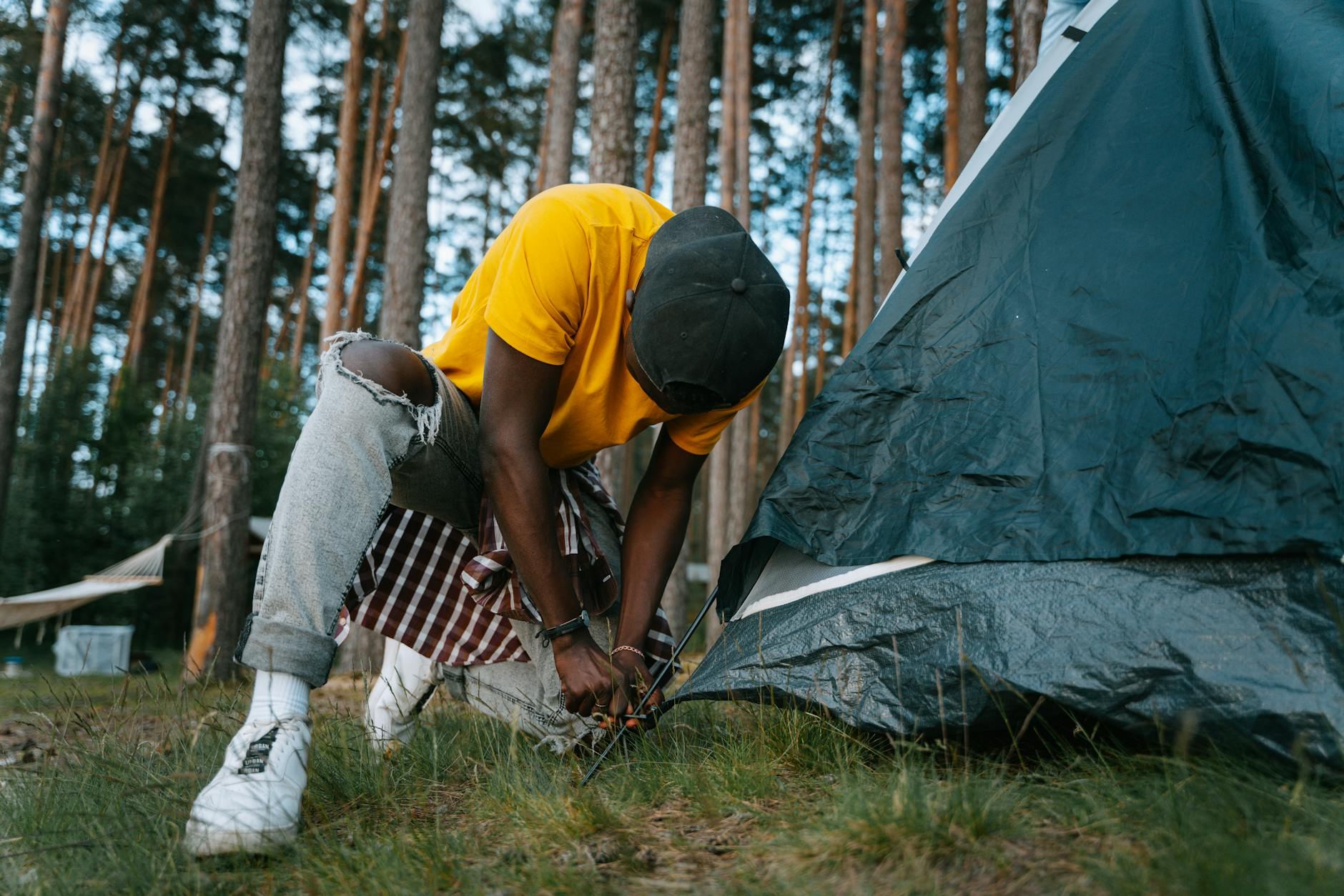
Backpacking isn't just a longer hike — it's about the profound self-reliance that makes you feel genuinely competent in a way car camping never does.
Getting started with backpacking as a beginner can open up exciting adventures, allowing you to carry everything you need on your back and travel through wilderness — or across countries — under your own power, sleeping where you stop.
Unlike day hiking, you don't return to a car.
Unlike travel, there's no hotel.
The pack is the point – self-sufficiency is the whole game.
In backpacking, you plan routes, navigate through diverse terrains using maps and compasses, set up campsites, manage gear, and hike for several days while carrying everything you need on your back.
Backpacking provides a sense of accomplishment through skill feedback as you navigate challenges, fosters a flow state during long hikes, and creates social bonds when shared with fellow backpackers, making it a deeply engaging experience.
You think backpacking is camping with extra steps. Heavier pack, longer walk, same vibe — just more suffering for the same view you could drive to.
That assumption is exactly why most people quit before they start.
A first-time backpacker named Reyes planned a 22-mile trip and bailed at mile 8. It wasn't exhaustion that stopped her.
She'd set up camp, filtered water, and eaten a hot meal in the dark — all alone. She said it was the first time in years she'd felt genuinely competent at something. That's what she came back for the second time.
That competence starts before the trailhead. The gear you carry is the first set of decisions that determines how that feeling lands.
Hiking along a ridgeline might look serene, but the reality hits when you're carrying 35 pounds and feeling a blister on mile two. It's a world apart from what you imagine watching trail videos.
Solitude sounds appealing until you're two miles in and genuinely questioning your choices. That discomfort is exactly where the real satisfaction gets built — knowing your pack weight to the ounce, sleeping hard after a shortened loop.
The first week usually feels brutal by mile three — that's your body adjusting, not a warning sign. Week two is when awareness kicks in: you mentally edit your pack after hauling things you never touched. By week four, finishing a planned loop flips the switch — the next longer route is already mapped in your head.
Beginners fixate on gear weight and miss the obvious: food is often the heaviest thing in your pack and the easiest to over-pack. Weigh it separately. Calculate per day, per meal — not by feel.
Sore shoulders and a brutal first mile make early doubt feel like a verdict. It isn't. Most hikers planning their next trip are still unpacking from their first. The next section covers the mistakes that keep people stuck in the hard part longer than necessary.
When to start: Early morning
Duration: 1.5 - 2 hours
Cost to try: $0
Success criteria: If you hiked 30 minutes with a packed daypack, checked your map at least once, and returned to the trailhead on your own, do session 2.
The fear of being caught without something in the backcountry makes first-timers stuff their pack until it hits 40+ pounds.
Weigh your loaded pack before you leave — anything over 20% of your body weight will wreck your knees by day two.
New boots look trustworthy, but your feet haven't negotiated with them yet.
Break in any hiking footwear with at least 50 miles of day hikes before committing them to a multi-day carry.
It feels intuitive — camp near the stream so water is easy.
Set up at least 200 feet from any water source. It protects the ecosystem and keeps condensation and insects away from your sleep.
Beginners treat emergency prep like travel insurance — something other people need. That logic holds until it doesn't.
Build a dedicated ditty bag with navigation, fire-starting, and first aid basics. Move it between packs so it's always there without thinking.
Five miles on a trail app looks the same whether it's flat or climbs 2,000 feet — it absolutely isn't.
Use a tool like Caltopo to check elevation gain. Then plan for roughly 30 minutes per mile, plus an extra 30 for every 1,000 feet of climb.
Backpacking happens on hiking trails, national forests, wilderness areas, and national parks – anywhere you can legally camp overnight on foot.
Talk to the group leader before your first trip. Tell them it's your first overnight: you'll get a gear check and a route matched to your fitness.
If you want to go deeper, the American Hiking Society connects you to trail clubs and land agencies – it's the fastest way to find organized trips on U.S. Forest Service and National Park Service land near you.
You're tackling a long trail end-to-end, like the Appalachian or Pacific Crest. Gear obsession is real – every ounce counts on months-long trails.
Think ultralight: under 10 lbs base weight by investing in lighter and often pricier gear. Experienced backpackers find this rewarding; beginners might just find themselves cold and unprepared.
Fastpacking means running the trail, covering in a day what used to be a two-day hike. Trail runners get to blend speed with overnight capability. Gear is a close cousin to ultralight, so expect to spend.
Winter backpacking demands more – like insulation and a four-season tent. Not for beginners – every move takes real thought when temperatures drop.
Bikepacking lets you carry gear on your bike for a change of pace. Perfect for cyclists who crave multi-day adventures without the foot miles. But gear costs spike fast with items like frame bags and panniers.
If the texture of this appeals to you, Adventure Travel is built on similar bones.
For something adjacent, see RV Camping.
If you want a related angle, Backcountry Camping is the natural next stop.
Many beginners get caught up in gear — lighter packs, better boots, aiming for faster hikes.
But the real bottleneck has nothing to do with equipment. It's about not knowing how to read terrain and time together.
Pace-to-energy budgeting is the key skill: understanding in real time how much effort each mile costs, factoring in elevation, footing, pack weight, and how far you've already gone. It's about developing an internal sense of sustainable effort so you reach camp with energy left.
This isn't slowing down — it's knowing exactly how hard you can push without blowing up your next two days.
Master this and you stop hitting the wall at mile 8. Decisions become clear — whether to push forward or set up camp, whether to take the alternate route or stick with your plan.
Without this skill, every hard day blindsides you. Backcountry surprises pile up fast when your energy is already gone.
People often quit after a couple of trips because they burn themselves out on day one, turning the rest of the journey into a struggle.
Commit to 4 overnight trips across 30 days — roughly one per week. That's enough to move past gear panic and first-night discomfort and start feeling what backpacking actually is.
If you're already planning the fifth trip before the soreness from the fourth has faded, that's the hobby. Start researching a longer route and buy a better sleep system before anything else.
If all four trips felt neither enjoyable nor genuinely terrible, that's useful information. Solo car camping delivers the same nature experience with far less physical cost — and suffering through the logistics doesn't make the scenery better.
If you were miserable and counting every mile back to the trailhead, accept that as a clean answer. Not everyone is built for nights on the ground with a loaded pack, and that's not a character flaw.
The sign that it's working: you're reading trip reports for trails you have no plans to hike yet, saving gear reviews across multiple browser tabs, and mentally calculating base weight before you've booked anything. That low-level pull is usually louder than any single trip feeling.
Chronic knee or hip problems make multi-day loaded carries genuinely dangerous — not the kind of discomfort you push through, but the kind that causes lasting damage.
Less than a full weekend free on a consistent basis means the logistics simply won't compress into weekday evenings the way other hobbies can.
If sustained solitude or navigational uncertainty makes you anxious rather than focused, the backcountry amplifies that feeling — it doesn't resolve it.
Not ready to pick a hobby yet? The boredom busters page has smaller things to try first.
Initial costs range from $500–$2,000 depending on gear quality, covering a backpack, tent, sleeping bag, and cooking equipment. You can start with budget options and upgrade over time, or borrow gear from friends to test the hobby before investing heavily.
Spring and early fall offer mild temperatures and manageable conditions, making them ideal for first-time backpackers. These seasons help you learn skills without extreme heat or cold, and trails are less crowded than summer.
Most beginner trips last 2–3 days, covering 4–8 miles per day with established campsites. As you build endurance and skills, you can tackle week-long treks or longer expeditions.
Not necessarily—start with shorter, well-marked trails and flat terrain to build fitness and confidence. Many beginners successfully complete their first trips by choosing appropriate routes and pacing themselves comfortably.
Common risks include weather changes, getting lost, and injuries. Mitigate these by checking forecasts, carrying a map and compass, telling someone your route, staying hydrated, and packing a first-aid kit.
Aim for 15–20% of your body weight as a comfortable starting point; most beginners carry 20–30 pounds. Lighter packs reduce fatigue and injury risk, so prioritize essential gear and leave behind luxury items.