BoredomBusted — Find Your Next Favorite Thing To Do
Discover hobbies, activities, places, and ideas that spark joy. Whether you're looking for something creative, active, social, or relaxing, BoredomBusted helps you find your next favorite thing to do.
Browse our hobby guides, things-to-do collections, and place ideas to never be bored again.
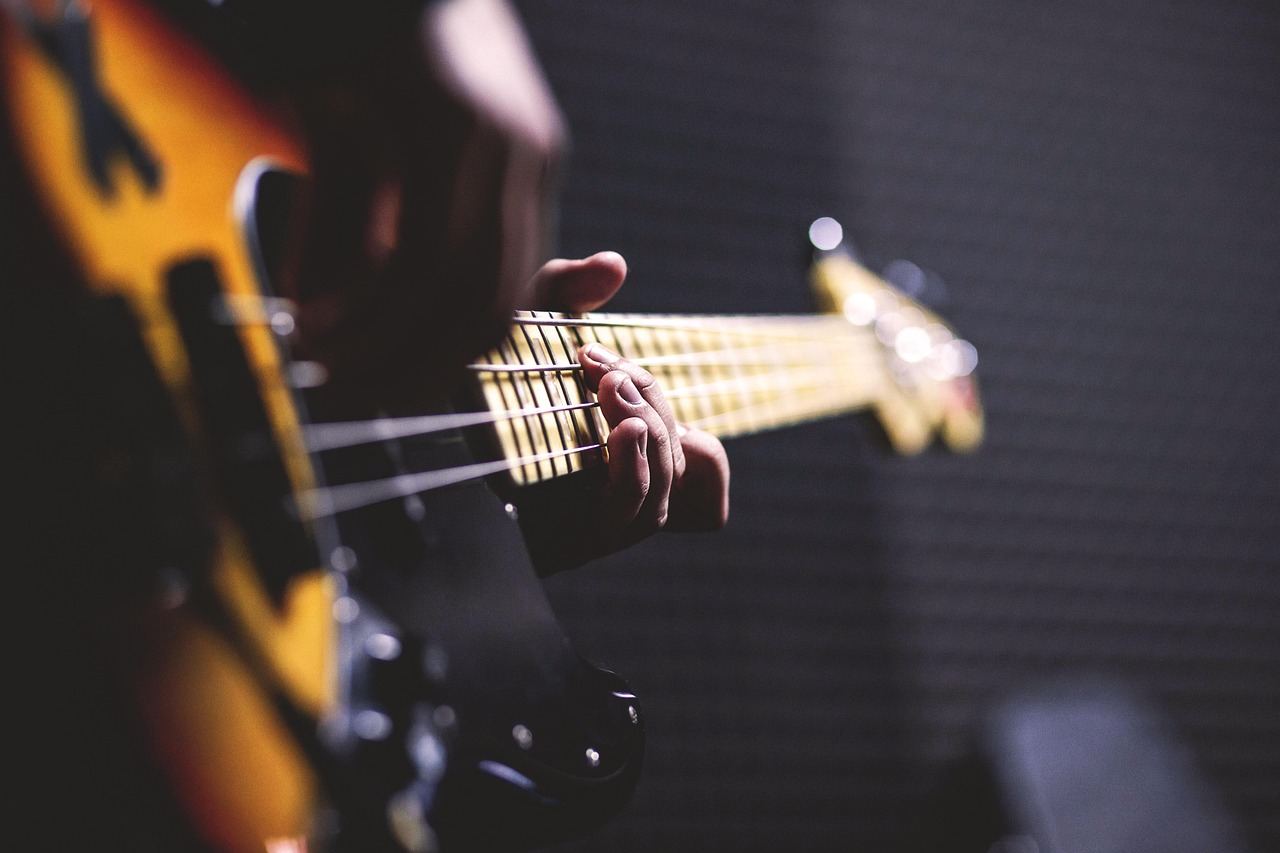
Bass isn't just the forgotten cousin; it shapes the rhythm and melody, and can be the most dynamic part of any track — just ask Paul McCartney.
Learning bass guitar as a beginner is an exciting journey that allows you to anchor the rhythm and harmony in any musical ensemble.
You pluck or pick four (sometimes five or six) strings tuned an octave below a regular guitar.
Unlike lead guitar, your job isn't to be heard first – it's to make everyone else sound better.
In bass guitar practice, hobbyists engage in structured sessions where they warm up with finger exercises, practice walking basslines, play scales and arpeggios, tweak amp settings, and improvise over jam tracks, honing physical techniques and musical creativity.
Bass guitar fosters a flow state through groove locking, while skill feedback loops from daily practice sessions provide immediate rewards, and creative expression during jam sessions offers novelty and a sense of accomplishment.
Bass is often dismissed as the guitar's dull counterpart. Just a backdrop with repetitive notes, right?
Choosing bass might be the smarter move for beginners. Guitar's steeper early curve sends a lot of beginners packing before they ever play a full song.
Bass merges rhythm and melody. It's what makes the drummer feel tight and the guitarist sound complete. Paul McCartney built some of rock's most recognized lines on bass — lines that sing a full melody rather than mark time.
Put on any Motown record and follow the bass instead of the vocals. That's not a simple supporting part — it's a second lead instrument that most listeners never consciously notice.
Not noticed. Not simple. Not a consolation prize. The ceiling on this instrument is genuinely high, and the floor is low enough that your first week actually feels like progress.
What that first week looks like in practice — gear, costs, and the first things worth learning — is next.
Watch a bassist and they look like they're barely trying. Pick one up yourself and that illusion collapses immediately. Fingers refuse to bend where you need them, strings buzz instead of ring, and your right hand has no idea what rhythm even means yet.
Then one clean note slips out. Your fingers begin to remember that feeling before your brain does — and that's when the real learning starts.
Week one is almost entirely about one goal: getting a single buzz-free tone. Your fretting hand will ache in places you didn't expect. That ache is progress, not a warning sign.
By week three, most beginners land their first real bassline — something like Another One Bites the Dust — and the satisfaction feels disproportionate to how simple it is. Week four is where the gap between what you hear in your head and what comes out of the bass starts to close.
The thing beginners consistently miss is muting. Sounding off and feeling awkward in week one is universal — even the players you're watching on YouTube were there. But unwanted string noise is what makes a beginner sound like a beginner, and most tutorials skip right past it. Rest your thumb on the string just above the one you're playing. Build that habit now and you'll skip a correction many players spend months making. The next section covers the other mistakes that quietly stall beginners — usually without them realizing it.
When to start: Early morning
Duration: 1 hour
Cost to try: $0
Success criteria: If you can tune your bass and play the simple bass line with a metronome at a steady tempo for 8 bars without losing the beat, do session 2.
Guitar players pick up bass and reach for a pick because it feels familiar. That instinct costs them months of development.
Use your index and middle fingers from day one, alternating on every single note, even at a crawl. The technique builds faster than it feels like it should.
Open strings ring sympathetically when you move across the neck. Most beginners hear the noise and assume it's technique — it is, just not the technique they're focusing on.
Rest your fretting-hand thumb on the low strings you've passed and let your picking-hand fingers mute the strings above the one you're playing. Both hands mute. Always.
Jumping into songs before you've locked a pulse is how bad timing gets baked in permanently. Songs hide your weaknesses. A metronome exposes them.
Run a metronome at 60 BPM and play nothing but root notes on beats 1 and 3 for five minutes before you touch anything else. Boring on purpose. That's the point.
Cranking the bass knob feels right — it's a bass guitar, after all. But boosted low-end turns into mud the second you play with a drummer or a backing track.
Cut your bass EQ to flat or slightly scooped and let the fundamental frequency of the notes do the work. The low end is already there. You're just getting out of its way.
A groove is the same notes played with intention. Every attack matters. Every rest matters.
Beginners drill the notes and wonder why it sounds mechanical. Pick one four-bar riff and spend a full session only varying how hard you pluck each note — nothing else. That's how groove actually gets built.
You can practice bass guitar almost anywhere you can close a door. Bedrooms, garages, rehearsal studios, and music schools are all perfect for honing your skills.
Acoustic-adjacent practice travels well too. Unplugged, with a headphone amp, or at low volume works great. All you really need is a dedicated 20 minutes.
Meetup.com is the fastest way in. Search for "bass guitar [your city]" or "jam session [your city]" and filter by beginner-friendly tags.
Try Facebook Groups next. Search for "open mic [your city]" or "musicians wanted [your city]" to uncover weekly jams and music gatherings.
The local music store is another spot to check. Browse their bulletin board for bassist postings, and chat with staff about beginner nights.
Bass-specific platforms like The Bass Guitar Network and TalkBass.com feature regional boards. Players organize monthly meetups and relaxed group jams there.
No one governing body oversees bass guitar like competitive archery does. Instead, the real infrastructure comes from within the musicians' community itself.
Walk into a venue and say: "I've been playing a few months and I'm looking to play with other people for the first time."
That one question can connect you to the right night and tempo, and often leads to 10 minutes with someone showing you a walking bass line you'll actually use.
The 4-string bass is the only starting point that makes sense.
Every beginner lesson, YouTube tutorial, and tab assumes you have one. Start here — figure out everything else later.
The 5-string adds a low B string below the standard E. It's the go-to for metal and worship music, where that extra floor matters.
The wider neck is a real adjustment. Give yourself a few weeks before deciding it's not for you.
Fretless bass removes the metal markers entirely. You control intonation with your ear and finger placement — which means small mistakes are audible in a way frets forgive.
Best approached after you're confident on a standard bass. Players like Jaco Pastorius built entire careers on that sliding, vocal tone.
Short-scale basses run a shorter neck and lighter string tension. That makes them the practical choice for younger players, smaller hands, or anyone who finds a full-scale neck fatiguing.
Budget $150–$400 for a solid starter. Paul McCartney played a Höfner — short-scale has never been a compromise.
Acoustic bass guitar needs no amp and works for campfire-style playing. The tradeoff is volume — it won't cut through a room the way an electric does, even unplugged through a small amp.
Pricing is similar to entry-level electrics. Buy one if quiet solo practice is your main use case — skip it if you plan to play with others anytime soon.
Another variant that pulls from the same roots is Classical Guitar.
For something adjacent, see Electric Guitar.
Acoustic Guitar lives in the same world — different mechanics, similar appeal.
Most beginners focus on songs, scales, and gear. None of that is what separates players who feel good from players who just play the right notes.
The single skill is note placement — learning to land notes slightly behind, on top of, or ahead of the snare hit, on purpose. Not by accident, not by feel-and-hope, but as a deliberate choice you make every bar.
Not rushing to fill silence. Not locking to a metronome robotically. Feeling where the pocket actually lives and placing your notes there on purpose. That's the entire difference between someone who knows bass and someone who plays it.
Get every pitch right without this skill and you'll still feel like you're fighting the groove. Drummers will want to play with you once you have it.
Record yourself playing a simple root-note pattern over a drum loop. Listen back at half speed and check whether you're landing early, late, or right on the kick.
Run the same four-bar line three ways: intentionally rushed, intentionally dragged, then in the pocket. Mute your strings and tap along to isolated drum tracks — snare only — until syncing there feels automatic.
Once your ear can hear the difference between those three feels, the next question is which bass style rewards this skill most — and that's exactly what the next section covers.
Eight sessions over 30 days — roughly two per week — spaced enough that you're reacting to the instrument itself, not just the novelty of picking it up.
If you're reaching for the bass outside the scheduled sessions, that's not motivation — that's the hobby. The next move is a proper amp setup and structured lessons, in that order.
Eight sessions of indifference usually means the approach is wrong, not the instrument. Try playing along with actual songs before deciding — bass lines in a real track feel nothing like isolated practice.
If you were counting the minutes until each session ended, that's a clean answer. It tells you to stop before you spend money on gear you won't touch.
There are also two practical factors worth ruling out early. Chronic wrist, hand, or finger joint issues are a real barrier — repetitive fretting aggravates tendonitis, and bass strings demand more finger pressure than guitar. If your living situation has no space for volume, bass will stay a frustrating approximation of itself — the low end needs room to actually resonate.
The sign you shouldn't ignore: you're watching live footage and your eyes track the bassist — not the vocalist, not the guitarist — without deciding to.
When you don't want to commit, things to do when bored is a better starting point.
Most beginners can play simple songs within 3–6 months of consistent practice. Developing solid technique and the ability to handle more complex grooves typically takes 1–2 years, though advancement depends on how frequently you practice and your musical background.
A decent beginner bass guitar and amp combo typically runs $200–$400. You can find quality used options for less, and entry-level starter kits are available around $150, though investing a bit more will give you better sound and durability.
Bass guitar is generally easier to start with than regular guitar because it has fewer strings and simpler chord structures, making it more forgiving for beginners. However, mastering rhythmic precision and locking in with drums requires dedicated practice and a strong sense of timing.
The key skills are finger strength and coordination, a solid sense of rhythm and timing, and listening ability to lock in with drums and other instruments. You don't need prior musical experience—these skills develop naturally with regular practice.
Yes, many bassists teach themselves using online tutorials, apps, and YouTube resources. However, a few lessons with a qualified instructor can accelerate your learning, help you develop proper technique, and prevent bad habits that are harder to break later.
Bass guitar is fundamental across nearly every genre—funk, rock, jazz, hip-hop, metal, and pop all rely heavily on bass lines. Your choice of bass style and tone allows you to shape the groove and feel of music across multiple genres.