BoredomBusted — Find Your Next Favorite Thing To Do
Discover hobbies, activities, places, and ideas that spark joy. Whether you're looking for something creative, active, social, or relaxing, BoredomBusted helps you find your next favorite thing to do.
Browse our hobby guides, things-to-do collections, and place ideas to never be bored again.
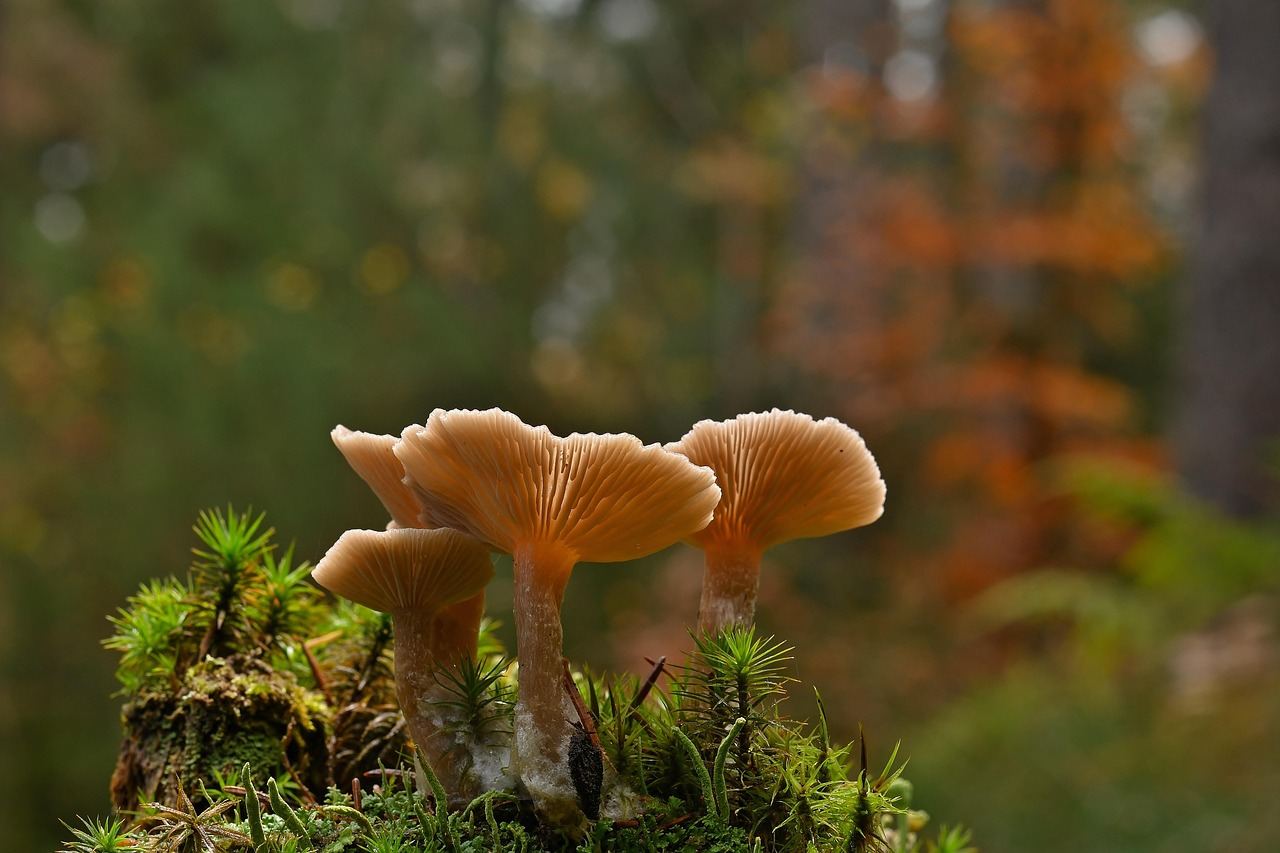
Mushroom foraging isn’t just about picking fungi; it’s a complex exercise in ecosystem literacy where you learn to reason like a naturalist.
Getting started with mushroom foraging as a beginner can lead to exciting adventures in nature while uncovering the fascinating world of wild fungi.
You become skilled at interpreting habitat, season, and physical features to tell edible mushrooms from toxic ones.
It's not like hiking or nature photography, because your choices matter: eat it, or leave it.
Mushroom foraging involves methodically scanning natural habitats for fungi, using careful observation to identify subtle cues in mushroom characteristics. Hobbyists physically hike through forests or along roadsides, crouching to inspect potential finds, using tools to harvest mushrooms, and referencing field guides or journals to verify their discoveries. This process combines physical activity…
Mushroom foraging engages practitioners in a flow state through focused attention on identifying mushrooms, balancing challenge and skill, and fostering incremental mastery through trial-and-error. The social aspect of foraging in groups enhances feelings of belonging, while the sense of accomplishment from harvesting edible fungi transforms a mundane environment into a rewarding experience. Seas…
You think mushroom foraging is a stroll in the woods where you see a mushroom, pick it, and head home for dinner. You might imagine an old eccentric with a basket, and that's it. This view misses the actual heart of the hobby.
Consider chicken of the woods. Bright orange, shelf-like, grows on dead oak. A beginner could easily find it. But learning why it's safe teaches you the foundational logic for evaluating everything else you find after it. That first easy species isn't just entry-level. It's where everything starts.
Understand what you're training with this hobby. Then the real challenge emerges: figuring out where to begin. That's what's coming next.
Watching foraging videos, finding mushrooms seems straightforward. The blobs of color just sit there, distinct and easy to spot.
Yet your first real walk is thirty minutes spent staring blankly at leaves. What seemed clear on screen isn't obvious in the chaos of the woods. The woods don't arrange themselves for easy finds.
You start with confidence. Pattern-recognition feels within reach, and your basket is ready. But first attempts leave you humbled. Your eyes slowly adjust and eventually, you make one real find. Understanding the idea of 'knowing your patch' takes time.
Early weeks involve coming home with photos of everything but mushrooms, or unidentifiable ones, which feels the same. When you finally find something real, you spend hours debating its safety. This caution is good.
You notice terrain patterns over time. Wet ground near roots or specific tree bases become familiar signals. Eventually, finding a confirmed edible mushroom feels more rewarding than imagined hauls.
The illusion that the woods change fades. They remain the same, but your perception shifts. Mushrooms don't just jump out; your vision improves. Learn about trees too. For example, Hen of the Woods near oak roots, and chanterelles around beech and pine.
When to start: Early morning
Duration: 1.5 hours
Cost to try: $5
Success criteria: If you correctly match and label 2 mushrooms by cap, gill/pore, stem, and smell, do session 2.
Spotting a single matching feature in a field guide and stopping there is a common mistake. Mushrooms have dangerous lookalikes.
Confirm using at least three distinct features: spore print color, gill attachment, and stem base structure before adding to your harvest.
Broad field guides for North America miss essential local nuances. The mushroom in front of you might differ significantly from one found 1,500 miles away.
Choose a regional guide tailored to your area: Pacific Northwest, Great Lakes, or Southeast forests host unique species.
Plastic bags cause mushrooms to sweat and spoil, ruining your specimen and losing essential spore evidence for identification.
Opt for a mesh bag or wicker basket: this ensures spores drop as you walk, and keeps species separated with paper bags.
Instagram and Reddit might seem like reliable ID sources, but photos miss vital details. Screens can mislead with color and texture, and often omit the stem base.
Examine fresh specimens in person, preferably during outings with a local mycological society, where experienced foragers can teach you crucial details.
Not all woods are equal. Mushrooms have specific tree companions: chanterelles like oak and pine, hen-of-the-woods favor dying oaks, and morels chase dead elms.
Determine the dominant trees in your target area before heading out to ensure you're hunting in the right habitat.
Mushroom foraging happens in areas with established tree cover, damp soil, and minimal foot traffic. Look in forests, state parks, national parks, and nature preserves for the best spots.
Search Facebook Groups for "mushroom foraging [your state]" or "mycological society [your city]." They post weekly foray schedules and are the most active communities.
The North American Mycological Association (NAMA) club directory at namyco.org is another resource. It lists vetted local clubs by region, making it easy to find knowledgeable local enthusiasts.
Meetup.com offers events under "mycology" or "foraging walk." In urban areas, these outings cater to beginners and don't require prior knowledge.
Check if a nearby university extension program offers seasonal foraging workshops. These workshops, often free or cheap, focus on local ecology and offer practical learning.
Walk in and introduce yourself as a complete beginner. This honesty gets you paired with experienced foragers who will ID everything you pick, keeping you safe in your first season.
Cities are unexpected goldmines for edible mushrooms—look to parking lots, park lawns, and tree stumps. Working in smaller areas with potential contamination makes species selection crucial. Ideal for those without cars or far from wild spaces, but identify species clearly as errors have higher risks here.
Choose just one mushroom to learn inside and out, from season to habitat to lookalikes. This targeted approach lets beginners build confidence. Morels, chanterelles, and chicken of the woods are great starting points. Avoid going too broad too fast to sidestep confusion.
Grow mushrooms like oysters and shiitake at home to sharpen your identification skills. Starting with cultivation provides immediate edible results. As you learn, wild foraging naturally follows. Starter kits costing $20–$40 make this a low-risk entry.
Collect specimens for spore prints to practice ID skills without pressure. Perfect for methodical learners aiming to master identification. You'll need only a sheet of paper and a glass bowl for spore prints, keeping gear costs minimal.
Focus on finding mushrooms like reishi and chaga for tinctures and teas. Ideal for those interested in herbalism. With no need to eat them raw, the pressure of edibility drops, making early mistakes less costly. This practice is also not tied to peak seasons, offering year-round exploration.
Readers who enjoy this often gravitate toward Berry Foraging next.
Readers who enjoy this often gravitate toward Wild Herb Foraging next.
Another variant that pulls from the same roots is Bottle Digging.
Most beginners spend their energy memorizing cap shapes and colors.
That's the wrong layer – identification starts below the surface, with habitat reading.
The one skill is learning to read the forest before you look at the ground.
It means knowing which tree species host which fungi, then walking toward those trees first –
not wandering and hoping something catches your eye.
Chanterelles fruit near oaks and conifers.
Chicken of the woods hugs wounded hardwoods.
The mushroom doesn't randomize. Neither should your search.
Anticipating where a mushroom should be allows you to identify even partial or damaged specimens. You already know the shortlist for each tree, soil, and season combination.
Relying purely on visuals breeds mistakes, because not reading your environment leads to guesswork.
The forest organizes the mushrooms for you. Learn to see the patterns it provides.
Four sessions over 30 days offer a solid test. One session a week immerses you in diverse weather and lighting, while mushrooms change rapidly enough to create a unique experience each time.
If you find yourself pausing to observe tree bark or scoping out areas to revisit, the hobby is taking root in your mind. You're starting to engage with your surroundings in a new way. Start learning your regional species list and invest in a quality field guide.
When being outdoors is pleasant but the mushrooms feel secondary, it might be time to consider other activities. Hiking or nature photography could be more your speed. ©Extending to eight sessions likely won't change this feeling.
Believe it. If crouching through damp ground is something you find tedious, that's a clear sign. It's not about patience — the hobby just might not be for you.
The one sign you shouldn't ignore: You start photographing mushrooms even if you don't plan to pick them. This unprompted documentation means your curiosity is genuine — most casual hobbyists don't bother with this level of engagement.
When you don't want to commit, things to do when bored is a better starting point.
Start by learning a few highly distinctive species with no dangerous look-alikes, such as oyster or chicken of the woods mushrooms. Use field guides specific to your region, cross-reference multiple sources, and never eat a mushroom unless you're 100% certain of its identity. Consider joining a local foraging group or taking a guided tour with an experienced forager to build your identification skills in the field.
You'll need a sharp knife or small scissors for cutting mushrooms, a basket or mesh bag for collecting (to allow spore dispersal), and a regional mushroom field guide. A smartphone with mushroom identification apps and a notebook for recording locations and species are also helpful as you develop your knowledge.
Building basic identification skills takes 1–2 seasons of regular practice and study. Most foragers spend their first year learning 5–10 common species before expanding further. Long-term confidence develops over several years as you encounter mushrooms in different weather conditions and seasonal variations.
It can be if you're careless with identification, as some poisonous species can cause serious illness. The key risk is misidentification, which is why starting with easily recognizable species and verifying your finds with multiple sources is essential. As long as you follow identification protocols strictly and never guess, foraging is a relatively low-risk activity.
Most mushrooms fruit in spring and fall when moisture and temperature conditions are ideal, though this varies by region and species. Summer mushrooms are less abundant in many areas, while winter offers limited options in most climates. Check local foraging calendars and online communities for the peak season in your specific location.
Starting costs are minimal—under $50 if you already have a knife and basket. A good field guide ($15–30) and optional apps (free to $5) are your main expenses, plus any travel to foraging locations. Once you're established, the activity costs almost nothing beyond transportation and becomes a free source of food.