BoredomBusted — Find Your Next Favorite Thing To Do
Discover hobbies, activities, places, and ideas that spark joy. Whether you're looking for something creative, active, social, or relaxing, BoredomBusted helps you find your next favorite thing to do.
Browse our hobby guides, things-to-do collections, and place ideas to never be bored again.
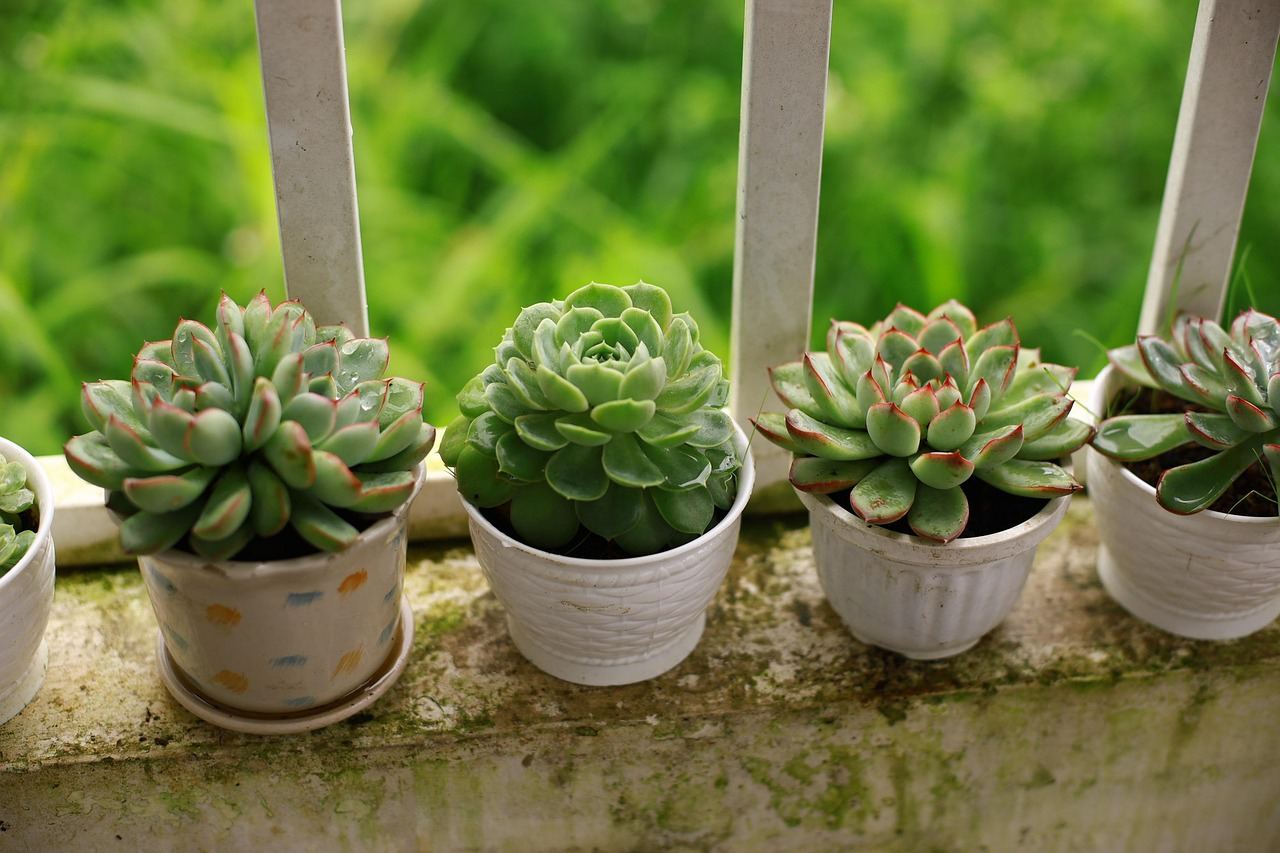
Container gardening is often dismissed as 'not real gardening,' but it can outproduce traditional plots by focusing on soil quality and mobility.
Starting out with container gardening as a beginner allows you to grow plants in versatile pots, boxes, or any vessel without the need for traditional ground soil.
You control the soil, drainage, and placement – moving things around as light or season demands.
Unlike raised beds or traditional gardening, the container is the entire ecosystem, which makes it viable on a balcony, rooftop, or windowsill with zero yard required.
In container gardening, adults engage in a hands-on cycle of planning, planting, and managing plants in portable containers, which involves selecting plant varieties, setting up soil blends, monitoring soil moisture daily, and adapting their garden by swapping plants seasonally to maintain visual interest.
This hobby provides immediate feedback through daily soil checks, fosters creative expression in designing container arrangements, and offers a tangible sense of accomplishment as plants grow and thrive, keeping practitioners actively engaged and invested in their progress.
You think container gardening is what you do when you don't have a real garden. A consolation prize. Something for apartment balconies and people who gave up on having actual land.
That assumption is costing you a genuinely flexible, high-yield growing system – and most people never find out because they quit before the first harvest.
Control the soil quality from the start. Ground gardeners fight issues like compaction and pH imbalance. You fill a pot with exactly what the plant needs, no surprises.
Container plants move. That seems minor until summer hits and your tomatoes seek sunlight while your herbs hide from frost indoors without shock.
Grow more intensively than ground plots. A well-managed 15-gallon container of peppers can outperform a neglected 4×4 bed because your focus isn't spread across a large area.
Ever hear about the person who grew over 200 tomatoes in a single season on a Philadelphia balcony? All with a five-gallon bucket. She saw the container as a tool, not a limitation.
Now imagine how straightforward it is to start when the essentials are simpler than most gardening guides claim.
Starting a patio garden isn't quite the serene YouTube montage you imagine. Instead, you face a grocery bag of potting mix and a pepper seedling that's already leaning suspiciously. You might even wonder if you've already managed to kill it.
The real education happens when you get dirt under your fingernails and start asking unexpected questions.
The first planting might lead to constant worrying—are you watering too much, not enough, or even the right plant? Weeks pass, sometimes with no visible change, and it's easy to start doubting your choices. The truth is, even when nothing seems to happen, roots are growing quietly underground.
Don't mistake this silence for failure. That's how plants establish themselves.
Ensure you begin with potting mix meant for containers. Standard garden soil compacts in pots, suffocating roots and draining poorly. It's like a slow drowning scenario for plants. The next section dives into mistakes that keep your garden from thriving.
When to start: Early morning
Duration: 1 hour
Cost to try: $10
Success criteria: If your seedlings are upright in moist soil, clearly labeled, and the container fits on your balcony in partial sun, do session 2.
That terracotta pot may look beautiful, but a single tiny drainage hole spells disaster. Without proper drainage, plants like your basil will rot from the roots.
Pick containers with multiple drainage holes, or drill extra ones yourself before planting anything.
Following the tag's advice for spacing won't work if your container is too small. Three tomato plants crammed into a 10-inch pot won't thrive.
Keep it simple with one large fruiting plant per container, or ensure each plant gets about 2 gallons of soil.
Watering on a schedule feels disciplined, but it ignores the varying drying rates of containers caused by factors like sun and wind exposure.
Push your finger two inches into the soil before you water; if it's still damp, walk away and check again tomorrow.
Garden soil from the backyard becomes dense and compact in a container, leading to suffocated roots and poor drainage.
Use a bagged potting mix specifically labeled for containers. Avoid "potting soil" or "garden soil" to ensure roots get the airy, lightweight structure they require.
While garden beds can retain nutrients, containers lose them quickly with every watering.
Begin a liquid fertilizer routine – half-strength, once a week – about four weeks after planting to compensate for nutrient loss.
Container gardening can happen anywhere outdoors. Whether you have a backyard, apartment balcony, patio, or community garden plot, each spot works. You don't need a dedicated yard.
Mention you're starting with containers. This one phrase often leads to tours of member setups, plant cuttings, and climate-specific advice that YouTube misses.
Built-in reservoirs wick moisture up from below, so you water less often. Perfect for beginners, apartment growers, or frequent travelers. Expect to spend $20–$50 per container versus $5–$15 for a basic pot.
Raised beds offer more soil volume and stable moisture. They're ideal for serious vegetable growers. Lumber and soil costs range from $100–$300 depending on size.
Hydroponics means growing without soil, just water and nutrients. It's faster and more space-efficient, but managing the system adds complexity. Budget $50–$200 for a basic kit.
Vertical gardening doubles capacity by using walls. Best for balcony growers or those with limited floor space. Wall-mounted systems start around $30–$80.
Grow bags are collapsible fabric containers that air-prune roots. Ideal for growing vegetables like tomatoes and potatoes. They're often cheaper than plastic pots, costing $2–$10 each, and fold flat for storage.
For something adjacent, see Indoor Gardening.
Flower Gardening lives in the same world — different mechanics, similar appeal.
A close neighbor worth considering: Succulent Gardening.
Many beginners focus on creating perfect watering schedules and choosing the right fertilizers.
The real difference lies in knowing your container's drainage. You want to learn this before your plant shows signs of distress.
Soil moisture reading by weight and feel is the key skill. Pick up your container post-watering and again after 48 hours. That weight change? It's your baseline.
'Ready to water' becomes second nature once you identify it. No more drowning roots or parched plants. Calendars don't know your microclimate, but your hands will.
Feeling whether your soil is truly 'ready' prevents issues rather than reacting to them. Surface dampness differs from genuine moisture at the root zone.
Without this skill, you'll face yellow leaves and slow growth. Both underwatering and overwatering seem identical until too late.
With this skill in place, even the trickiest plants become manageable.
Commit to 8 sessions over 30 days. Roughly twice a week. That's enough time to plant something, watch it respond, and find out whether the waiting bothers you or pulls you back in.
If you kept finding reasons to check on your plants between sessions, that's enthusiasm. You're tracking something alive, and it matters to you. Start researching your next container and think harder about what you actually want to grow.
If you did the sessions but felt nothing much, extend by two weeks. Container gardening is slow at the start. If you planted from seed, you may not have seen real growth yet. Give it the extra sessions before you decide.
If you resented every minute of it, pay attention. The watering felt like a chore. The dirt annoyed you. Some people genuinely don't want a living thing depending on them, and that's not a flaw, it's just honest data.
You notice other people's plants before almost anything else. You want to ask what they're growing. That low hum of curiosity isn't random.
If your travel schedule is unpredictable, that's a structural issue. Containers punish neglect faster than in-ground gardens—expect most will die in under two weeks without water in summer. Chronic hand, wrist, or back issues can make even container-scale work painful. Adaptive tools help but don't solve it completely. If you lack outdoor space, the indoor grow-light route is a different hobby. The costs and requirements don't directly transfer.
For ideas that take five minutes instead of five weeks, see things to do when you're bored.
You'll need containers with drainage holes, potting soil, seeds or seedlings, and basic tools like a small shovel and watering can. Choose containers sized appropriately for your plants—typically 6-12 inches deep for herbs and vegetables, deeper for larger plants. Start simple with 3-4 containers to avoid overwhelm while you learn.
Container gardening works in almost any space—balconies, patios, windowsills, or small yards. Even a single sunny windowsill is enough to grow herbs or small plants. The main requirement is access to sunlight (most vegetables and flowers need 6-8 hours daily) rather than a specific amount of physical space.
Container gardening is actually one of the easiest ways to start gardening because you control the soil quality and have fewer pest and weed problems than traditional gardens. Herbs and leafy greens are especially forgiving for beginners. Focus on one or two easy plants like tomatoes or basil to build confidence.
Container plants typically need watering every 1-3 days depending on climate, container size, and plant type, since pots dry out faster than garden soil. Check soil moisture by inserting your finger 1-2 inches deep—water when it feels dry at that depth. During hot weather, daily watering may be necessary.
Yes, many vegetables thrive in containers including tomatoes, peppers, lettuce, spinach, carrots, and beans. Use containers at least 5-gallon capacity for most vegetables, provide adequate drainage, and ensure 6-8 hours of daily sunlight for best yields. Cherry tomatoes and compact pepper varieties are particularly well-suited to container gardening.
A basic starter setup costs $30-75, including 3-4 containers, potting soil, and tools. You can reduce costs by repurposing household items as containers or buying seeds instead of seedlings. Most gardeners spend $10-20 monthly on soil and plants once established, making it one of the most budget-friendly hobbies.