BoredomBusted — Find Your Next Favorite Thing To Do
Discover hobbies, activities, places, and ideas that spark joy. Whether you're looking for something creative, active, social, or relaxing, BoredomBusted helps you find your next favorite thing to do.
Browse our hobby guides, things-to-do collections, and place ideas to never be bored again.
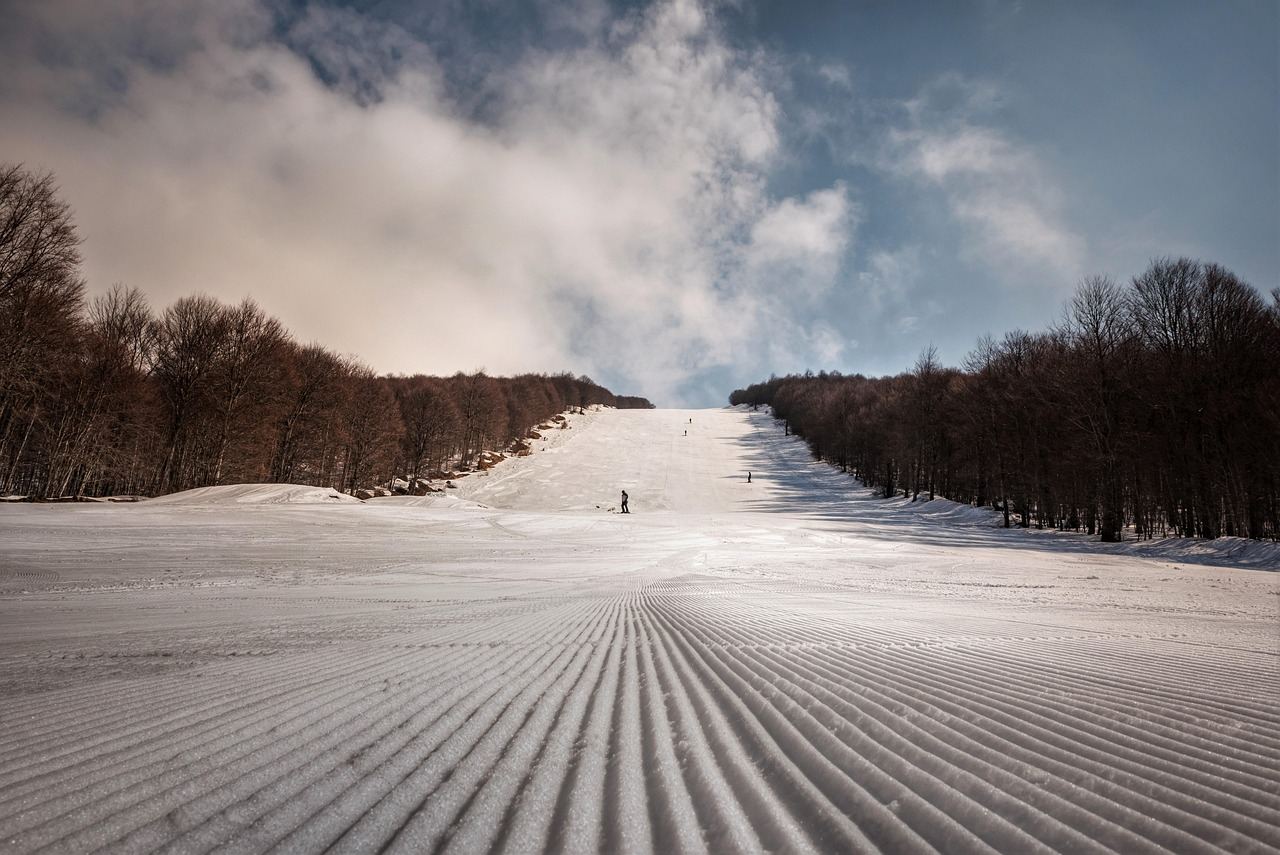
Cross-country skiing isn't just slow and boring; skate skiing rivals elite endurance sports for calorie burn, while classic trails require technical finesse many overlook.
Getting started with cross-country skiing as a beginner means embracing the challenge of moving across flat or rolling terrain under your own power – no lifts, no groomed runs, just skis, poles, and your legs doing the work.
Unlike downhill skiing, you're generating momentum yourself, which makes it closer to running or cycling than a resort sport.
Cross-country skiing involves propelling yourself across snow-covered terrain using two narrow skis and poles, executing coordinated movements of your arms and legs to maintain rhythm and momentum on groomed trails or backcountry routes.
The activity fosters a flow state through full-body aerobic engagement and real-time feedback on technique, creating a sense of mastery and accomplishment as you navigate varied terrain and improve your skills.
Cross-country skiing is what your parents did when lift tickets were too expensive, right? Slow, flat, and stuck in a golf course shuffle.
This assumption denies you one of outdoor sports' toughest physical challenges, all without needing a helmet.
Skate skiing will surprise you. Think full-body exertion, more akin to inline skating's power than any shuffle, taxing your cardiovascular limits beyond measure. Classic skiing, though on groomed trails, challenges with its subtle complexity – mastering the grip-and-glide is no small feat and demands dedication. Backcountry nordic skiing leads you into wild terrains resort skiers miss, with untouched landscapes and quiet descents.
A competitive skate skier burns more calories per hour than nearly any other endurance activity. Not your slow-walk burns. Not elliptical drags. We're talking top-tier cardiovascular output on a mere midweek morning.
Cross-country skiing faces gear issues and entry hurdles, but these challenges might be easier to overcome than you expect. That's up next.
Cross-country skiing initially seems peaceful. Watching it from afar, the rhythm of poles and the glide of skis look effortless.
As soon as you clip in, things change. Your legs seem clueless about executing a diagonal stride. You're eager, bundled up, and thinking, "I've done downhill skiing, what's the difference here?" That confidence vanishes when you're sweating inside your jacket, arms and legs uncoordinated, shuffling like you've got flippers on, and feeling muscles you never knew you had.
You're tired, confused, and may feel like you're the problem. The issue isn't you—your skiing muscle memory resists the diagonal pattern for a bit. It takes repetition for your nervous system to adapt. No pep talk will fast-track this process.
Here's a tip for day one: use the pole straps correctly. The push should come from the strap, not your grip. Most beginners tightly grip the pole, wear out their forearms quickly, and wrongly blame poor fitness when it's actually the technique that's off.
Next, let's cover the mistakes that keep beginners stuck.
When to start: Early morning
Duration: 1.5 hours
Cost to try: $20
Success criteria: if you finished without falling repeatedly, do session 2.
Rentals often give you classic skis by default, leading to confusion if you actually want to skate ski. Not all skis are the same and selecting the wrong type can hinder your progress.
Ask the staff explicitly about the skis you want. Classic skiing uses straight-track and kick-and-glide. Skate skiing involves a V-stride on groomed lanes.
Beginners often grip poles tightly out of instability, turning every move into a struggle. This grip actually drains your energy more than it helps.
Let the pole drop naturally at the end of each push. The strap supports your weight, and a loose grip offers more leverage and reduces fatigue.
Standing in a parking lot makes skiing appear colder than it is. Overdressing for warmth turns into overheating when you're in motion.
Wear a moisture-wicking base layer, a light mid-layer, and a wind-resistant shell. Feeling slightly chilly at first means you'll be comfortable once moving.
In the kick phase, many assume that pushing downward provides grip. This is ineffective and wastes effort without the gain of proper movement.
Push sharply backward with your heel. Proper wax and weight transfer should handle grip naturally.
Wax often is skipped by beginners who don't realize its necessity. A lack of prep leaves them slipping every time they tackle an incline.
Check the temperature on your wax tube, match it with the snow, apply a thin layer to the kick zone, and smooth it with corking. This simple step prevents slipping disasters.
Cross-country skiing happens on groomed trail systems, state and national parks, nordic ski centers, and sometimes just ungroomed open land if you know what you're doing – but groomed trails make learning dramatically faster.
Most dedicated nordic centers rent gear, groom their own loops, and exist specifically for this.
Walk up to the trail desk or club organizer and say: "I'm a complete beginner – what trail and rental setup do you recommend?"
That one sentence gets you a groomed beginner loop recommendation, properly sized skis, and usually a five-minute boot fitting lesson you didn't have to ask for.
This is the classic form – parallel tracks and a graceful glide. It's what most think of as cross-country skiing. Newbies should absolutely start with this style. You'll find it best for meditative experiences on groomed trails. The gear is available everywhere, no steep costs beyond a basic package.
Push off side to side like skating for speed and a full-body workout. Fitness enthusiasts who crave a challenge will find this appealing. Skis are shorter and stiff, and resorts often offer specific lanes for this style. Double-check availability before heading out.
Exploring without tracks, embracing nature's untouched beauty. Perfect for those finding groomed trails too tame. However, be gear-savvy; bindings, skins, and boots increase costs. Learn avalanche basics if venturing into elevation.
A blend of cross-country and downhill technique. You navigate downhill with free-heel lunging. Technically demanding and a fresh challenge for adventurous alpine skiers. Specialized gear will cost, but it's a worthy change for the eccentric mountain lover.
Combine skiing with rifle marksmanship at some Nordic centers. A unique weekend challenge for the adventurous skier. It's accessible, with most events providing equipment. Usually, the only cost is a range fee.
Backcountry Skiing lives in the same world — different mechanics, similar appeal.
Another variant that pulls from the same roots is Freestyle Skiing.
Readers who enjoy this often gravitate toward Alpine Skiing next.
Weight transfer is what separates skiers who glide smoothly from those who struggle.
Most beginners spend too much time focusing on their arms—pushing harder, reaching farther, timing the pole plant. But the arms aren't the engine. The legs are, and specifically the moment you stop using them like stilts.
Shift your entire body mass onto one ski before the glide phase begins. It's not a lean; it's a commitment. Your hips need to travel over your forward foot, allowing the glide ski to carry you, not both skis dragging together.
When skiers don't master weight transfer, they end up tired on flat terrain.They work twice as hard for half the distance. Once you nail weight transfer, the glide feels effortless. That split-second of free travel between strides is the magic of the sport.
Perfecting this skill keeps you energized even on flat terrain. The next section covers the gear that complements strong weight transfer.
Four sessions over 30 days will give you a true sense of cross-country skiing. The first two will challenge your body and mind, but that's part of the process.
By session three or four, things start to click. You'll begin to feel more coordinated and comfortable. That's why all four are important for an honest assessment.
If you can't stop thinking about when you can hit the trails again, you're hooked. It's not about ease but about the journey feeling worthwhile. Your next step should be planning your next trip and learning more about technique nuances.
Feeling indifferent after four sessions usually signals that the effort doesn't resonate. You might want to give it one more go with a friend or in a different weather condition.
If the thought of putting on skis makes you cringe, that's your answer. It's not about soreness or logistics—it's about genuine resistance to the activity itself.
Constantly finding yourself lost in trail maps is revealing. If you're intrigued by the routes, elevations, and path names more than gear or results, you're in the right place. This pull towards the landscape is what sets cross-country skiers apart.
Living too far from reliable trails is a significant hurdle. If you're driving more than 90 minutes each time and snow is unpredictable, that's a structural barrier not easily overcome.
Chronic knee or hip issues can make skiing tough. While the classic stride is low-impact, check with a physical therapist about potential joint strain.
If you need social interaction to stay motivated, beware. This hobby is often solitary or involves quiet companionship—it's not isolating, but it's not social either.
For ideas that take five minutes instead of five weeks, see things to do when you're bored.
A basic setup for beginners typically costs $300–$600 and includes skis, boots, poles, and bindings. Many rental shops offer full packages for $25–$40 per day, making it affordable to try before investing in your own gear.
Most beginners can master basic techniques—balance, gliding, and simple turns—within 2–3 hours of instruction. You'll feel comfortable on easy trails after a full day of practice, though building efficiency and endurance takes several weeks of regular skiing.
Cross-country skiing has a gentler learning curve than downhill but demands greater cardiovascular fitness due to the constant propulsion needed to move forward. The good news is there's no risk of high-speed crashes, and you can go at your own pace on flat or gently rolling terrain.
Dress in moisture-wicking layers topped with a windproof jacket, and wear insulated cross-country ski boots and gloves to stay warm and dry. Avoid cotton; instead choose merino wool or synthetic fabrics that trap heat without bulk.
Cross-country skiing burns 400–700+ calories per hour depending on intensity, speed, and terrain, making it one of the most efficient full-body aerobic workouts. It's gentler on joints than running while delivering comparable cardiovascular benefits.
Search for groomed trails using apps like TrailLink or the NOAA snow reports, or visit your local parks department and ski resort websites—most maintain updated trail maps and conditions. State forests and dedicated Nordic ski centers typically offer the best-maintained trails.