BoredomBusted — Find Your Next Favorite Thing To Do
Discover hobbies, activities, places, and ideas that spark joy. Whether you're looking for something creative, active, social, or relaxing, BoredomBusted helps you find your next favorite thing to do.
Browse our hobby guides, things-to-do collections, and place ideas to never be bored again.
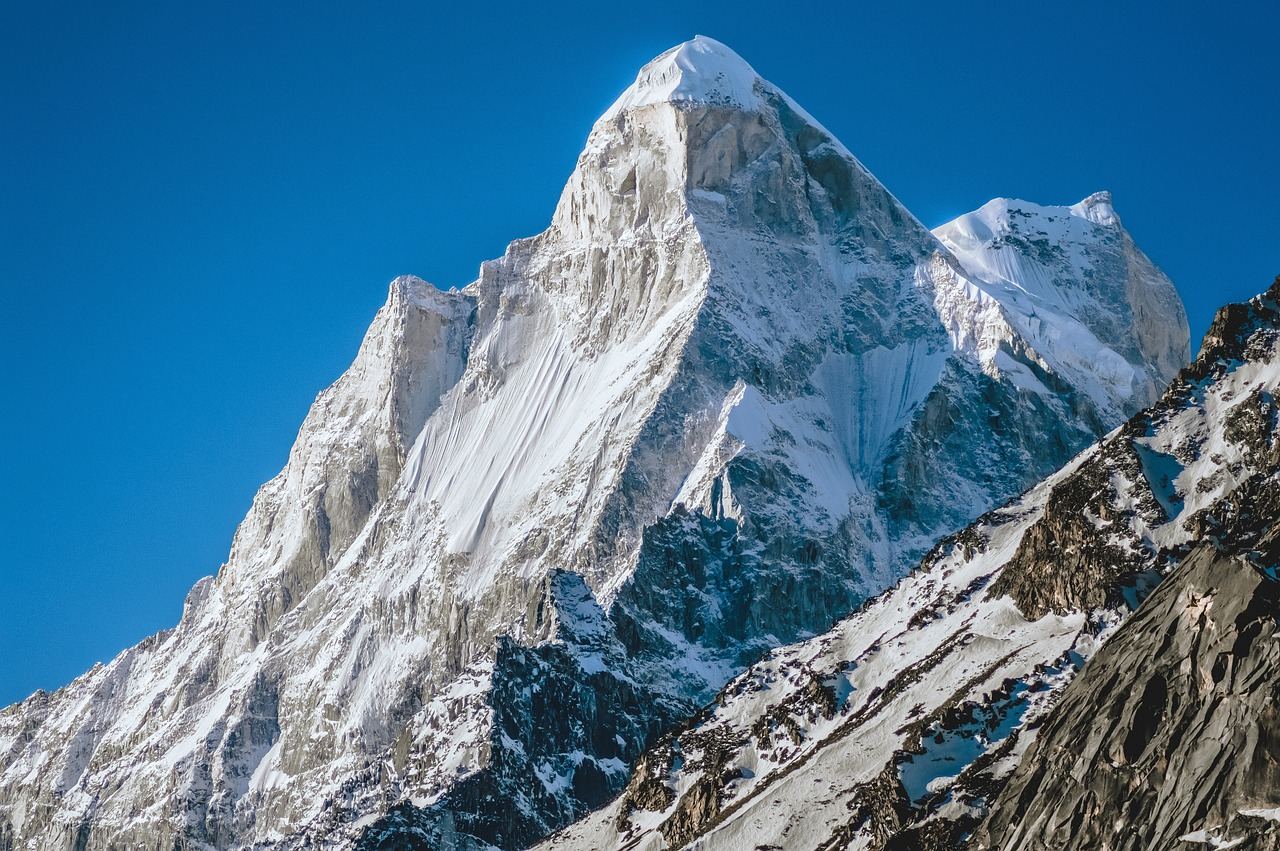
Most think backcountry skiing is perilous and exclusive, but it’s actually a welcoming path that emphasizes movement and terrain reading over just skill level.
Getting started with backcountry skiing as a beginner involves understanding the unique challenges of skiing outside resort boundaries – no lifts, no groomed runs, no ski patrol.
You hike or skin uphill using climbing skins on your skis, then ski down untracked terrain.
Unlike resort skiing, you're fully responsible for route-finding and avalanche safety.
Unlike ski touring, backcountry typically means steeper, more committing lines with a higher consequence margin.
Backcountry skiing involves self-powered uphill travel using techniques like skinning or boot-packing, followed by skiing down untracked, ungroomed terrain. Participants carry a 25-30 pound pack with avalanche gear, navigate routes, assess snow stability, and execute controlled descents while managing dynamic conditions with balance and edge control, all in a remote wilderness setting.
Backcountry skiing induces a flow state through the challenge of navigating complex terrain, providing instant skill feedback from successful climbs and turns, which fosters a sense of accomplishment after summiting peaks. The novelty of ever-changing routes and the social connection built within small groups further mitigate boredom by enhancing engagement and involvement in the activity.
You think backcountry skiing is just resort skiing but harder. More dangerous, more expensive, only for people who've been skiing since they could walk.
That assumption is exactly what keeps intermediate skiers locked inside rope lines for their entire lives.
Most people picture death-defying couloirs and avalanche debris.
A 42-year-old intermediate skier in Colorado took an avalanche safety course, rented a beacon and skins, and was doing half-day tours within a month – not because she was exceptional, but because she started with the right information instead of the wrong image.
The real barrier isn't skill level or risk tolerance. It's knowing what the first step looks like – and that's exactly what's next.
The videos show powder and silence and perfect ridge lines. What they skip is the first uptrack — legs burning inside ten minutes, lungs making noise you didn't know they could make, and a pack that sits on your shoulders like a second person who hasn't learned to balance yet. Nothing about the first session feels natural, and that includes the skis. They behave differently with skins on, and your body hasn't figured out why yet.
The messy part that catches most people off guard is pacing. You'll find a rhythm on flat ground, feel confident, then hit the first steep pitch and watch it collapse entirely. That's not a fitness problem — it's a calibration problem, and it takes three or four sessions before your body stops overcorrecting. Skins slipping on icy crust doesn't help. Neither does stopping to adjust your pack and immediately losing whatever warmth you'd built up.
By the third or fourth outing, something starts to settle. The pack weight stops being a distraction. Your skinning rhythm holds on moderate terrain without conscious effort. Terrain reading is still slow and deliberate — you're stopping, looking, second-guessing — but the questions the mountain keeps throwing at you are exactly what pulls you back out. You'll replay the descent on the drive home, running through every decision, every line you almost took. That loop is the hook.
Expect to finish those early sessions spent, cold, and already thinking about the next one. The gap between frustrating and satisfying is narrower than it looks from the trailhead. The next section covers the specific mistakes that keep beginners stuck on the wrong side of that gap longer than necessary.
When to start: Early morning
Duration: 2 hours
Cost to try: $0
Success criteria: If you ski a short mellow lap, deploy your beacon and probe, and return to the start without route errors or gear fumbles, do session 2.
Beginners often struggle uphill because they ignore the heel riser on their bindings. This leaves their calves burning unnecessarily.
Flip up the heel riser as soon as you start ascending and adjust its height on steeper pitches to keep your calves comfortable.
Beginners typically don't prepare wax for the day's snow temperature. That oversight shows up fast — warm snow turns grippy skins into a slip hazard, and you end up fighting for every meter of elevation.
Match your skin glide wax to the morning's conditions before you leave the trailhead — cold snow and warm snow need entirely different products.
Clear skies feel like a green light. But snowpack can stay unstable for days after a storm, regardless of what's happening overhead.
Review the regional avalanche forecast the morning of your tour and read past the danger rating — aspect and elevation details tell you far more about where the real risk sits.
Excitement takes over at the top, and skiers often stop in risky spots to change modes, risking avalanches.
Choose a flat, sheltered area off the main slope for transitions to minimize the chance of accidentally triggering a slide.
Beginners can be overly ambitious with tour distances, not realizing how conditions like altitude and snow variances slow progress.
Limit your initial tours to two or three hours of climbing and make sure every route has a safe, easy exit plan built in before you set off.
Backcountry skiing thrives just beyond where ski lifts end. That means sidecountry gates at resorts, national forests, designated wilderness areas, and avalanche-managed zones on public land.
The gear shop move is especially underrated. Walk in, introduce yourself, and mention you're new — telling a group you're new to backcountry skiing but already have an avalanche cert (or a course booked) gets you on beginner tours instead of turned away.
Ski touring uses lighter, skinnier skis and a cross-country approach. It's more about covering ground than chasing vertical drops.
Great for beginners or endurance-focused skiers who prioritize the journey over skiing powder. The gear runs lighter and cheaper than alpine setups too.
Alpine touring (AT) uses bindings that free the heel for climbing and lock it down for descents. You get full backcountry access without sacrificing how the ski performs on the way down.
The go-to choice for skiers who already rip groomers and want to push into off-piste terrain. It's the most popular backcountry setup for a reason.
A splitboard separates into two ski-like planks for the climb, then snaps back into a snowboard for the descent. Same backcountry access, no compromises on the way down.
Ideal for snowboarders entering the backcountry — there's no good reason to force AT skis. Splitboard-specific gear is pricey but widely available now.
Ski mountaineering, or Skimo, blends backcountry skiing with a racing mindset. Ultralight gear, intense vertical climbs, competitive timing.
Built for skiers who want a structured athletic challenge and have moved well past casual touring. Race-legal setups obsess over every gram — and the price reflects that.
Heli-skiing and cat skiing use a helicopter or snowcat to drop you into remote, untouched terrain. No uphill effort — just descents most skiers never access on foot.
Perfect for seasoned backcountry skiers and resort skiers curious about deep powder who don't want to commit to a touring setup. Expect to pay $1,000–$1,500 per heli day.
Alpine Skiing lives in the same world — different mechanics, similar appeal.
Readers who enjoy this often gravitate toward Cross-Country Skiing next.
Readers who enjoy this often gravitate toward Freestyle Skiing next.
Beginners often focus on fitness — more climbing, heavier packs, longer tours.
But fitness doesn't save you on a steep rollover in variable snow; reading terrain does.
The skill is continuous terrain evaluation — assessing slope angle, aspect, and convexity as you move, not just when you pause to look around.
Recognize the snow's loading side. Check if that 32-degree pitch is in the sun's refreeze window. Know the runout before you click in. Do all of it while moving, and the mountain stops surprising you.
Skipping those group huddles every 200 meters isn't just efficient; it's safer. Evaluation lets you decide whether to cross an open slope without debate.
Without it, you might either avoid the best snow altogether or take a gamble on a dangerous slope.
Commit to 4 sessions over 30 days. Two weekends back-to-back, then two more spaced out — enough gap to reflect rather than just react.
If you're already planning the next trip before your gear is dry, that pull toward the next objective — before the soreness is even gone — is the hobby signaling fit. Book an avalanche safety course before anything else.
If the sessions felt fine but not compelling, do one more trip with a seasoned partner before writing it off. Backcountry skiing's physical and psychological demands mean ambivalence usually points to a missing piece — terrain, pacing, or company — rather than a settled answer.
If you were counting down to the car by midday, that's a clean signal worth trusting. The risk profile and isolation aren't side effects of backcountry skiing — they are the activity, and disliking them means the activity isn't for you.
The sign that it's working: you're checking avalanche forecasts for ranges you haven't skied yet, at midnight, without any particular reason to.
For ideas that take five minutes instead of five weeks, see things to do when you're bored.
Backcountry skiing involves accessing unmarked terrain without ski lifts, requiring your own effort to climb mountains or use helicopters. You'll navigate varied snow conditions and avalanche terrain, whereas resort skiing offers groomed runs and controlled safety measures. Backcountry skiing demands advanced technique, fitness, and avalanche awareness.
You should be an advanced on-piste skier comfortable on black diamonds before attempting backcountry terrain. Most people also take avalanche safety courses and go on guided trips first to learn navigation, slope assessment, and emergency response. Starting with guided tours is essential rather than going solo.
Essential equipment includes a backcountry-specific ski setup with bindings that allow heel lift, climbing skins, boots, an avalanche beacon, probe, and shovel. You'll also need a backpack, appropriate clothing layers, and a helmet. Quality gear costs $2,000–$4,000 to start, though renting or buying used can reduce expenses.
Ascent times vary widely depending on vertical gain, terrain, and fitness level, typically ranging from 1–4 hours for a full day outing. Steep technical slopes may take longer, while gradual approaches move faster. Most backcountry days involve 3–6 hours of total skiing and climbing.
Avalanche terrain refers to slopes steep enough (typically 30+ degrees) where snow can slide unpredictably during certain conditions. Understanding terrain, snowpack stability, and weather patterns is critical because avalanches are the primary hazard in backcountry skiing. Proper training and forecasting knowledge can significantly reduce risk.
Backcountry skiing is a winter-specific activity, best during the snow season when adequate coverage exists—typically November through April depending on location. Spring skiing offers some opportunities in higher elevations, but most backcountry skiing occurs mid-winter when snow stability is more predictable. Summer skiing is rare and limited to high-altitude glaciers.