BoredomBusted — Find Your Next Favorite Thing To Do
Discover hobbies, activities, places, and ideas that spark joy. Whether you're looking for something creative, active, social, or relaxing, BoredomBusted helps you find your next favorite thing to do.
Browse our hobby guides, things-to-do collections, and place ideas to never be bored again.
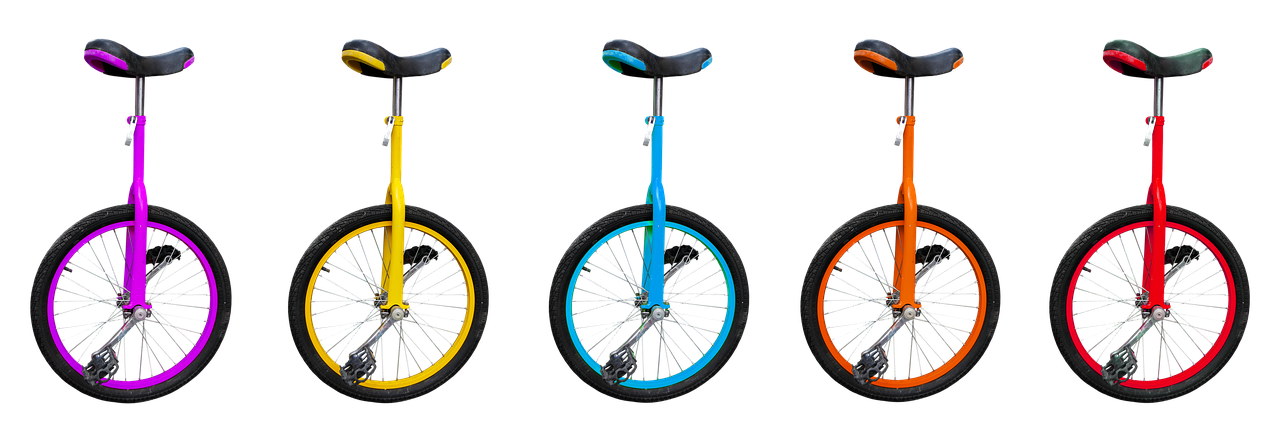
Cycling isn’t just a race against time; it’s a gateway to community, exploration, and discovering joy at your own pace.
Getting started with cycling as a beginner is often about overcoming initial nerves and finding your rhythm on the bike. That's fine. What surprises most people isn't the effort. It's how quickly twenty miles stops feeling like an achievement and starts feeling like a warmup.
Cycling involves sustained pedaling on a bicycle across diverse terrains, requiring rhythmic leg movements while maintaining balance and control. Participants navigate routes that can include casual neighborhood paths or challenging trails, focusing on improving technique and endurance through varied intensity rides. Cyclists engage in managing their posture and adapting to environmental changes,…
Cycling combats boredom through continuous skill development and feedback loops, as cyclists track improvements in speed, distance, and control over time. The varied environments provide constant novelty, requiring active problem-solving and adaptation, which keeps cognitive engagement high. Additionally, the sense of accomplishment from mastering techniques and overcoming challenges further enha…
You think cycling is a lone race against time, just you and the clock. In reality, cycling is a shared adventure and a chance to see your world in a new way.
Cycling is not just about speed; it's about finding your rhythm and connecting with your surroundings. Some chase the thrill of the wind, but others savor the calm of a slow pedal. Choose your pace—it's entirely up to you.
Many gather into cycling clubs and join group rides. It's not just about the miles covered or the calories burned. When you ride with others, you gain friends and create stories that stay with you long after the ride ends.
Riding a bike is more than reaching the end; it's embracing the road beneath you. Every ride offers a new discovery, a chance to test personal limits, and a fresh perspective on the world around you. Ready to explore what's truly out there?
Your first cycling experience may feel awkward. Balancing on two wheels while navigating new paths is tricky.
Wobbling and making wrong turns are expected. This is part of learning, and it helps build your confidence with each ride. Cycling is forgiving, and you'll improve quickly.
The wind on your face and freedom felt when gliding downhill is exhilarating.
It's a taste of open roads and adventure. The next section covers mistakes that beginners make when they first start cycling.
When to start: Early morning
Duration: 1 hour
Cost to try: $0
Success criteria: if you finished without any mechanical issues, do session 2.
Most beginners obsess over which bike to buy. Then they ride it completely wrong for months.
A seat set too low puts constant strain on your knees. A handlebar too high kills your control on descents. Fix your fit before your first real ride, not after your first injury — most local bike shops will dial in a basic fit for free.
You feel great at the halfway point. You will not feel great on the way back.
New riders consistently pick routes based on what sounds manageable, not what their legs can actually handle. Cut your planned distance by a third for your first few rides.
Stamina builds faster than you expect. Burnout from one brutal ride sets you back weeks.
Skipping maintenance feels harmless until your brakes grab mid-corner. Tire pressure and brake response are the two checks that prevent most mechanical incidents.
Both take under two minutes before a ride. Neither requires any special tools.
Cyclists are legally treated as vehicles on most roads. Drivers plan around that assumption.
When you run a red light or skip signaling, you break the pattern drivers predict. Signaling and stopping aren't about courtesy — they're what keeps drivers from hitting you.
Join a local cycling club to meet fellow riders and improve your skills. Clubs often organize group rides that welcome beginners.
Strava and Meetup are your go-to platforms for discovering local rides. They list events and allow you to connect with cyclists in your area.
Bike shops are more than places to get gear. They often know about community rides and local events, making them perfect for finding out where to meet other cyclists.
Road cycling is all about adrenaline and scenic routes. Perfect for those who thrive on paved surfaces and long rides.
Mountain biking takes you off the beaten path. Ideal for those who seek thrill on trails and natural obstacles.
Commuting by bike is practical and eco-friendly. Great for daily activity while slashing your carbon footprint.
Cyclocross mixes road and mountain biking. Best for those who love skillful, adaptable racing.
A close neighbor worth considering: Roller Sports.
For something adjacent, see Ice Skating.
A close neighbor worth considering: Rowing.
Balance is the cornerstone of cycling. It gives you the edge on varied terrains and helps tackle steep hills or tight corners without hesitation.
Think about your bike's center of gravity. Understanding it enhances control and stability, making rides smoother and less taxing.
Balance goes beyond physical skill. It's about pacing yourself, knowing when to push and when to relax. This helps sustain long rides and ward off fatigue.
Ride three times a week for a month. Enough frequency to build routine but with rest days to reflect on your enjoyment.
If you're spotting new routes and shortcuts or noticing how quiet certain roads are, cycling might be a fit. If rides leave your mind clear, not just your body tired, it's a good sign. Start tracking your rides and consider joining a local group to deepen the experience.
If the idea of cycling in all weather feels like a chore, it might not be for you. If maintenance and logistics feel like a never-ending task list, you're hearing the truth. Try a shorter, scenic route before moving on, just to be sure.
If cycling sessions feel like an obligation even after consistent riding, reconsider if it's your passion. That's a strong signal.
Plenty of people land on cycling after browsing the full hobbies list — that's a fine place to start, too.
Looking for something lighter? Our boredom-busters guide is built for exactly that.
A decent beginner-friendly bike typically costs $200–$300, which covers a reliable hybrid or entry-level road bike. Beyond the bike, budget an extra $50–$100 for essentials like a helmet, lock, and basic maintenance tools to get started safely.
Hybrid bikes are the best choice for most beginners because they handle both pavement and light off-road terrain well, offering comfort and versatility. Road bikes suit speed-focused riders, while mountain bikes are designed for serious trail riding—choose based on where you plan to ride most.
Most beginners feel confident on a bike within 2–4 weeks of regular riding, even if they haven't cycled since childhood. Building endurance and tackling longer distances takes longer, but basic comfort and balance return quickly.
Yes—cycling is low-impact and easily adjustable to your fitness level, so you can ride at your own pace and gradually increase distance and intensity. Whether you're recovering from an injury, just starting fitness, or highly athletic, there's a cycling pace that works for you.
Cycling works both ways—you can ride solo for peace and meditation, or join group rides and cycling clubs for community and motivation. Many riders mix both approaches depending on their mood and schedule.
Beginners should start on flat, paved paths like parks, rail trails, or quiet roads to build confidence and basic skills. Once comfortable, you can gradually progress to rolling terrain, light gravel paths, or even mild trails depending on your bike type and interest.