BoredomBusted — Find Your Next Favorite Thing To Do
Discover hobbies, activities, places, and ideas that spark joy. Whether you're looking for something creative, active, social, or relaxing, BoredomBusted helps you find your next favorite thing to do.
Browse our hobby guides, things-to-do collections, and place ideas to never be bored again.
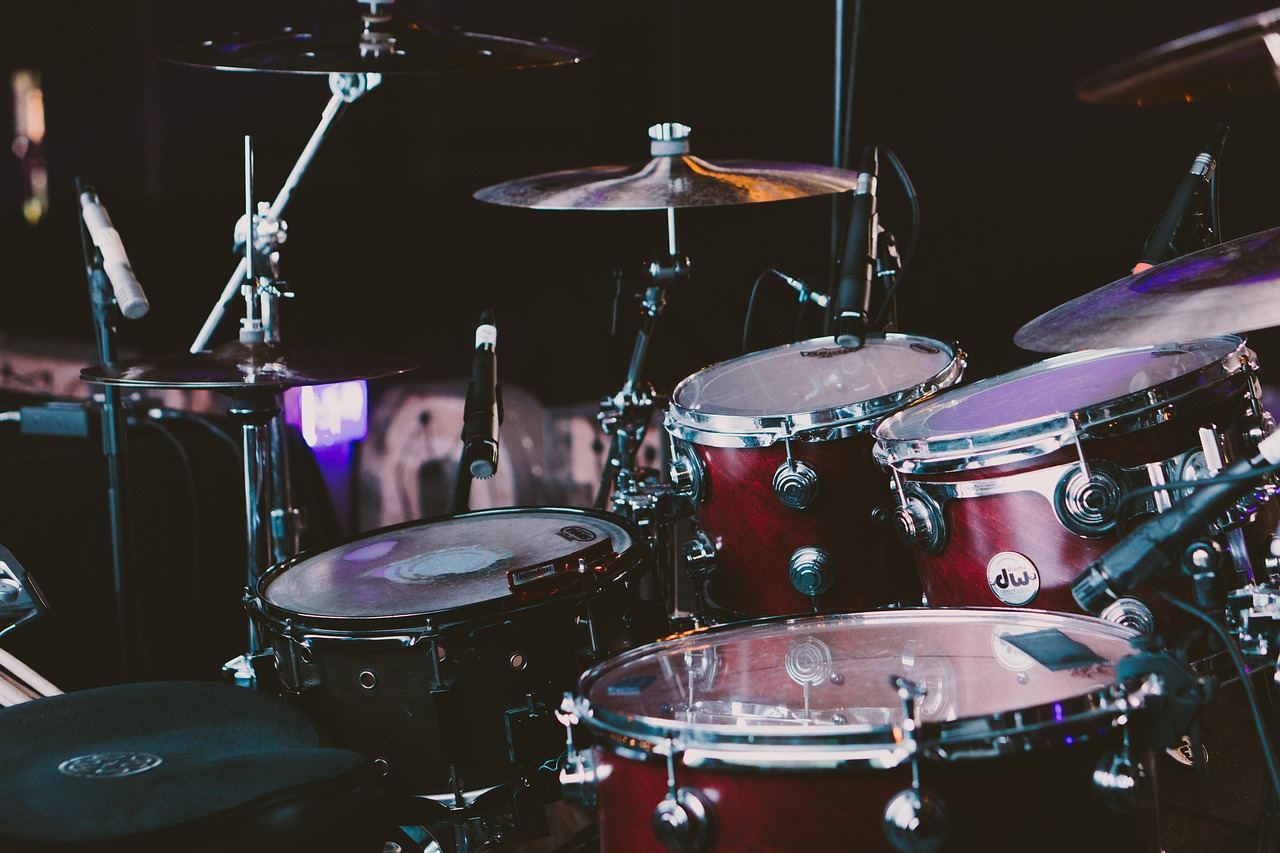
Drumming isn't just about rhythm—it's mastering the coordination of four limbs with precision, rewiring your brain along the way.
Learning drums as a beginner is about finding your rhythm and mastering the basic techniques that form the backbone of music. Drumming locks everything together.
It's about developing hand and foot independence. Building muscle memory through repetition. Adding texture and dynamics while keeping time.Most drummers start with a basic groove, then realize they can play anything from rock and jazz to funk and metal.
In drumming, you practice rudiments and grooves on a drum kit or practice pad, focusing on techniques like stick control, posture, and foot placement, typically for 10-45 minutes daily. You might start with warm-ups using a metronome, then progress to applying these techniques across the full kit, isolating exercises for repetition and logging your progress. The practice can include playing along…
Drumming combats boredom through rapid skill feedback loops, offering immediate auditory and tactile responses to your playing. The focused practice creates a flow state by matching clear goals with your skill level, while the novelty of mixing rudiments with personal songs provides creative expression. Additionally, drumming fosters social belonging through community engagement, motivating consi…
You think drumming is all about keeping time. Just a steady beat and you're good, right?
Drumming is actually about coordination, demanding that four limbs do different things, all in perfect harmony.
Your hands are on one beat. Feet on another. Every sound has its place. Miss one part, and the entire flow stumbles along.
It's not just about hitting drums. It's about rewiring how you think and move.
Sitting behind the drum kit is a full-body challenge. Your limbs must perform separate tasks, which feels overwhelming until you zero in on the kick drum.Focusing on one limb can unlock the others.
Your wrists will ache quickly. The sticks are heavier than expected, and gripping them tightly makes it worse. Relaxing your grip takes practice and patience.
Volume can be shocking, even with earplugs. Finding a rhythm despite the noise is tough. But then you nail four bars, and something clicks.Feeling the pocket makes all the effort worth it.
When to start: Morning
Duration: 1 hour
Cost to try: $0
Success criteria: if you finished without being comfortable with the rhythms, do session 2.
New drummers clamp down hard because loose feels wrong — like the stick might fly across the room. But a tight grip kills your rebound, tires your hands out fast, and makes everything sound stiff.
The fix is counterintuitive: let the stick do the work — your fingers guide it, they don't pin it down. Try matched grip with just enough pressure to keep control, then let the rebound bounce the stick back naturally. If your forearm is burning after five minutes, you're holding too tight.
Freeform practice feels more natural — you speed up when it gets exciting, slow down when it gets hard. The problem is you're just rehearsing your bad timing over and over and it gets harder to unlearn.
A metronome isn't a crutch. Playing with a click at 60 BPM and nailing every hit cleanly builds more real speed than sloppy runs at 140. Apps like Soundbrenner or even the free Google metronome work fine to start.
Most beginners focus almost entirely on their hands. The kick drum and hi-hat pedal feel awkward, so they get minimal practice time — and then six months in, the feet are the bottleneck stopping everything else from improving.
Build foot independence into every single session, not just when you remember. Even five minutes of isolated kick and hi-hat work per practice will put you ahead of players who've been drumming twice as long. Start with a basic kick-on-1-and-3, hi-hat-on-2-and-4 pattern before you add any hand complexity.
Speed feels like progress. So beginners rush — they'd rather play a groove at 120 BPM sloppily than at 70 BPM cleanly, because slow feels like going backwards. It isn't.
Slow repetitions with correct technique are what actually wire the movement into muscle memory. If you can't play it perfectly at 60 BPM, playing it badly at 100 BPM just makes the bad version permanent. Only bump the tempo up when the slower speed feels boring — that's when you know it's locked in.
Unstructured practice isn't really practice — it's just playing. You'll naturally gravitate toward things you're already decent at and avoid the stuff that actually needs work.
A focused 30-minute routine beats two hours of noodling every time. A simple structure that works:
The point isn't rigid time-keeping. The point is that you walk in knowing exactly what you're working on — so you can't accidentally spend the whole session on what's already comfortable.
Drummerworld Forums are a must-visit. It has ~150,000 members, chat rooms, and free lessons. Perfect for getting general drumming advice.
Discover topics from vintage drums to gigging at Drum Forum. Members are quick to respond, making it ideal if you're into vintage setups or custom builds.
Join Drum Corps Planet for intense drum corps discussions. Great for both competitive drummers and enthusiasts.
Alesis Drummer is where budget-friendly electric drum users gather. You'll find active chat and responsive moderators.
When joining, be friendly and clear about your music style or learning goals.
You'll find quarter-note beats with snare backbeats here. Expect tight hi-hat and kick drum coordination. Perfect for beginners to intermediate players.
Syncopated patterns are your focus here, with ghost notes and intricate hi-hat work. It demands tight timing and dynamic control. For players between intermediate and advanced levels.
You'll deal with swing, polyrhythms, and spontaneous musical exchanges. Strong listening skills and rhythmic flexibility are a must. Advanced drummers only.
This includes Afro-Cuban, Samba, and Bossa Nova rhythms. You'll use hand drums like congas and bongos for triplet feels and shuffles. Reggae features the 'one-drop' kick while Samba focuses on polyrhythms. Intermediate to advanced required.
This is for those into tabla, djembe, and darbuka. The focus is on complex hand techniques and odd time signatures. It offers a deep dive into cultural rhythms and adds to your rhythmic vocabulary. Geared toward advanced percussionists.
Bassoon lives in the same world — different mechanics, similar appeal.
If this resonates, Music Performance explores a similar direction.
Some of the same instincts show up in Electronic Drumming — worth a look if this clicked.
Playing steady time with your dominant hand while your non-dominant hand stays completely independent. Most drummers obsess over speed and tricks.
The moment you lock a rock-solid hi-hat pattern with one hand, while your other hand does something entirely different, everything changes.
Fills, polyrhythms, dynamics, everything becomes possible. You've rewired the split-brain coordination that drumming demands.
This hobby is for you if you: - You have neighbors or housemates you're willing to have difficult conversations with, or you live somewhere soundproof - You enjoy repetitive physical practice and don't mind spending weeks playing the same four-bar pattern - You get restless sitting still for long periods and need an outlet that's physically demanding - You're drawn to being a supportive role player rather than the frontperson It's probably not for you if: - You need to show visible progress within the first month to stay motivated - You're sensitive to criticism about tempo and timing from bandmates or teachers - You live in an apartment and can't commit to practicing during daylight hours
Sometimes you just need something for the next ten minutes — that's what things to do when bored is for.
Most beginners can learn basic drum patterns and simple songs within 3–6 months of regular practice. Developing solid technique and playing more complex rhythms typically takes 1–2 years, though progress depends on practice frequency and quality of instruction.
A beginner drum kit ranges from $300–$800, while mid-range kits cost $800–$2,000. Professional-grade kits start around $2,000 and can exceed $5,000, but you don't need an expensive kit to start learning.
Yes—you can use electronic drums or a silent practice pad kit, which produce minimal noise while maintaining the same technique as acoustic drums. Soundproofing, thicker carpeting, and isolation pads under drums also help reduce volume significantly.
No prior musical skills are required to begin drums—rhythm ability and hand-eye coordination develop naturally through practice. Beginners benefit most from consistent practice and proper instruction to build solid technique from the start.
Yes, drumming significantly improves hand-foot coordination, fine motor control, and timing while providing a light cardiovascular workout. It also enhances focus and mental discipline through the coordination required to play complex patterns.
Children can start as young as 4–5 years old with proper-sized equipment, though ages 7–12 are ideal for faster progress. Adults of any age can learn drums—it's never too late to start.