BoredomBusted — Find Your Next Favorite Thing To Do
Discover hobbies, activities, places, and ideas that spark joy. Whether you're looking for something creative, active, social, or relaxing, BoredomBusted helps you find your next favorite thing to do.
Browse our hobby guides, things-to-do collections, and place ideas to never be bored again.
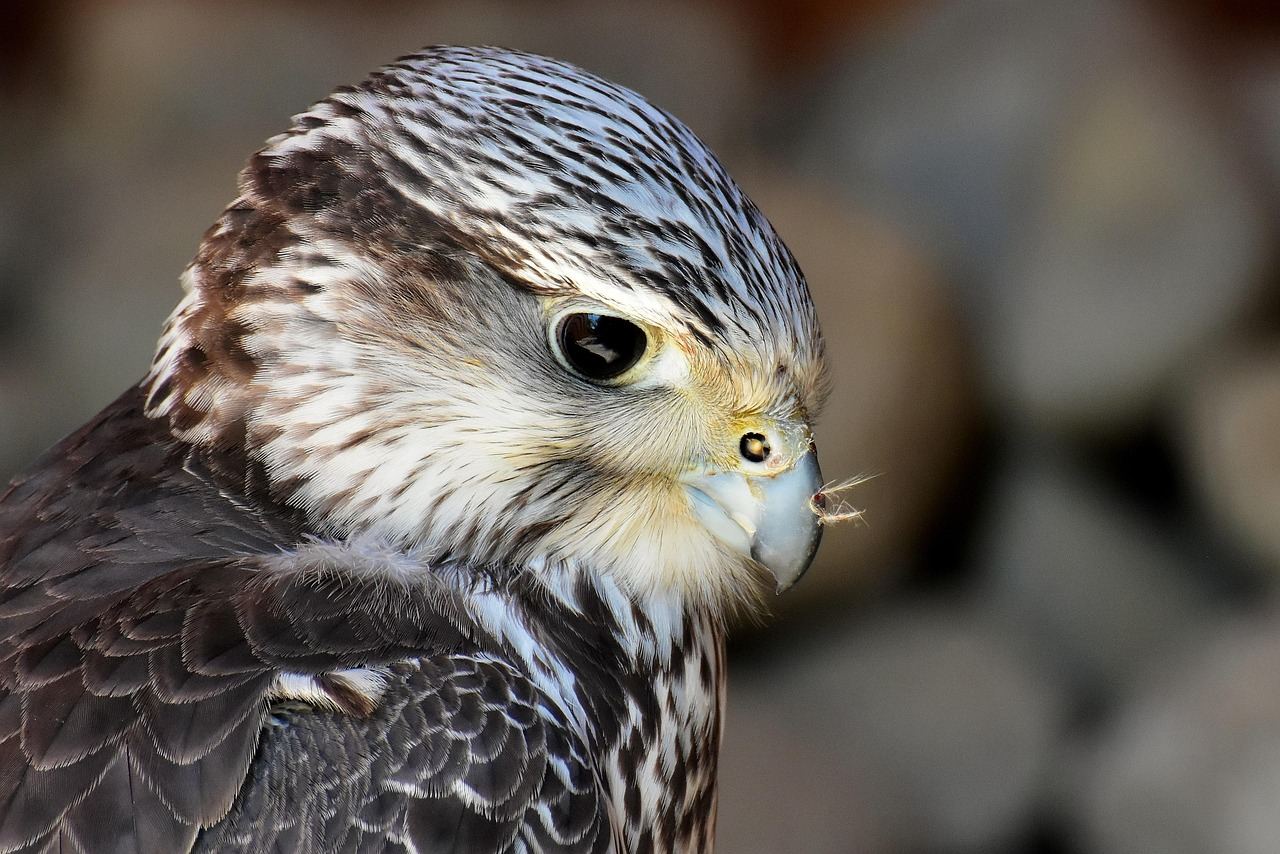
Falconry isn’t about owning a bird — it’s a year-long lesson in patience and building genuine trust with a creature that can fly away at any moment.
Learning falconry as a beginner involves understanding the intricacies of training wild raptors, such as hawks, falcons, or eagles, to hunt alongside you.
You build a working partnership with the bird through daily conditioning, not commands.
Unlike birdwatching or pet ownership, the raptor remains a wild animal that chooses to return – and that tension is the whole point.
Falconry involves hands-on raptor husbandry, training a bird of prey through daily care, feeding fresh-killed game, and conducting conditioning flights. You prepare specialized equipment, observe the bird's unique behaviors, and adapt your techniques for hunting, which involves physically hiking across fields to engage in the hunt. This commitment requires problem-solving and a deep understanding…
Falconry creates flow states by demanding deep concentration during hunts, where falconers navigate unpredictable elements and receive immediate feedback from their bird's behavior and hunting success. The ongoing mastery of skills offers a sense of accomplishment, while the variability in each hunt ensures novelty and engagement. Social belonging is fostered in communities, reinforcing identity …
You think falconry is a medieval hobby for people with estates and leather gloves. An eccentric rich-person thing. A relic.
This assumption blinds you to one of the most meditative and rewarding practices you can pursue.
Falconry isn't about owning a bird – it's about earning a working relationship with an animal that has zero evolutionary reason to trust you, and doing that through patience, consistency, and reading behavior most people never learn to see.
The bird can leave whenever it wants. It comes back because you've built something real – not because of a cage, a leash, or a trick.
Most falconers spend their first year doing almost nothing with a raptor directly – they're learning to see, wait, and respond, which turns out to be the hardest part.
A red-tailed hawk doesn't care that you showed up today. It cares about the last thirty days.
One falconer described her first successful free flight as less like triumph and more like a conversation finally going both ways – months of work compressed into thirty seconds over a field.
That relationship is the whole thing.
And getting there starts with understanding exactly what the apprenticeship process asks of you.
When you watch a hawk ride a thermal, it seems like pure freedom, but your first falconry session is quite different. It's like bargaining for attention from a creature that could easily ignore you.
At first, you'll face uncertainty and anticipation — waiting for that moment the bird sees you as more than scenery. This is what keeps you coming back with a glove, even when it feels like a long shot.
Imagine a romanticized sky and a silent partnership, the bird choosing you with an effortless instinct. But in reality, it's nature cooperating on its own terms. Early mornings start on wet grass, and your bird might refuse to step up. You hold meat in your fist again, hoping for another short flight. Progress often feels invisible, but it's happening nonetheless.
Before even starting, you need to know your bird's hunting weight. This is the specific gram range where it's motivated yet calm. Too heavy, and it won't engage. Too light, and it may become stressed.
Beginners often think patience is everything. While important, patience at the wrong weight means just standing there, doing nothing. That hunting weight number is your true starting point. Everything else builds from there.
When to start: Early morning
Duration: 1.5 hours
Cost to try: $0
Success criteria: if you finished without handling a bird unsupervised, do session 2.
Eager new falconers want their bird to fly immediately. Carrying the bird on your fist feels like a waste of time. But this initial bonding is vital. Spend at least two weeks doing this daily. Even if the bird seems calm after just three days, wait before attempting free-flight.
Beginners often rely solely on weight numbers. They think hitting target numbers is enough. Look beyond the scale — feel the keel bone and check crop fullness. These indicators show if the hawk is truly ready to fly or needs more time.
It seems smart to increase the distance quickly. But a hawk slow to respond at 10 feet won't improve at 50 feet. Keep training sessions close and short. Wait until the response is swift and aggressive before increasing the distance.
Weathering yards aren't just holding areas. They're full of sights and sounds. Use outdoor time to train the bird to stay calm around distractions like dogs and noise. Exposure leads to a more adaptable and relaxed hawk.
You might feel you remember the last session well. But two weeks from now, details will blur. A daily log of weight, weather, food, and behavior lets you spot patterns. Guessing won't give you the insights a log can.
Falconry happens outdoors – open fields, managed farmland, and woodland edges where quarry species actually live.
Check rural open land and countryside parks for the kind of terrain that makes practice sessions worth showing up to.
Tell whoever you meet that you're pre-apprentice and looking for a sponsor – not just "interested in birds."
That phrase signals you've done the homework. It gets you a real conversation instead of a pamphlet.
Falconry isn't one thing. The bird you fly, the terrain you hunt, and your end goal all push you toward completely different practices.
Harris's hawks hunt in groups in the wild, making them forgiving for novices. They bounce back from handler mistakes and tolerate handling better than other raptors. This is the go-to bird for beginners for good reason.
Red-tailed hawks excel in open fields, hunting rabbits. They're slower to train than Harris's hawks, but they're durable and common across North America. If you live rural with plenty of open land, this might be your best choice.
Longwing falconry involves flying peregrines and merlins at birds in open skies. Dramatic flying, but hard to train. Requires access to expansive open terrain— not a beginner's path.
Owling is niche, focused on flying owls instead of hawks or falcons. They're nocturnal hunters, posing unique challenges. Owls are intriguing but often more trouble than they're worth.
Indoor or display falconry revolves around public demonstrations. Handling and recall training without hunting. Perfect if you want a bird relationship but lack hunting opportunities.
For something adjacent, see Nature Observation.
If this resonates, Birding explores a similar direction.
Readers who enjoy this often gravitate toward Astronomy next.
Precision weight management and behavioral reading is the skill that separates successful falconers from frustrated ones. Most beginners focus on speed and technique, thinking they are making progress.
But it's understanding your bird's weight that truly limits your progress. Mismanagement here can waste entire seasons trying to recover a hunting bird that won't return.
Your task is to read the subtle changes in how your hawk behaves. Not just tracking numbers, but predicting actions based on those numbers.
A hawk's mood, indicated by movements like tail-bobbing or the speed at which it mantles a lure, gives clues about its readiness. The difference between eagerness and reluctance can depend on even slight weight changes and varies daily.
Mastering this lets your hawk hunt with genuine drive. You shift from merely training to witnessing instinct in action. Otherwise, your bird might be too lethargic or too unpredictable, masking the real problem.
Embrace 8 sessions over 30 days. Aim for two each week. This aligns with real falconry demands and helps reveal if the initial charm holds up.
If you're eagerly anticipating each session and sneaking in late-night reads about raptors, falconry has hooked you. Excitement over weather cancellations and a genuine obsession with raptor behavior means it's time to pursue licensing and find a certified sponsor.
Feeling indifferent after the sessions tells another story. The mundanity of the tasks or the environment might not be clicking with you. Rather than pushing through another month, why not try wildlife volunteering? It gives animal interaction without the long-term demands.
If dread creeps in at the thought of another session, that's an important signal. Early falconry tasks focus on parts that aren't thrilling, like handling and weathering. If these bore you now, further effort won't change that.
Caught checking out videos of raptors just sitting around? That kind of fixation suggests a genuine love. It's not about the thrill of the hunt—it's an admiration for the bird itself.
When you don't want to commit, things to do when bored is a better starting point.
Starting costs typically range from $2,000–$5,000 for essential equipment like a falcon, perches, glove, and bells. Many falconers recommend budgeting an additional $500–$1,000 annually for food, veterinary care, and maintenance. Some areas offer apprenticeships through mentors that help reduce upfront costs.
Most regions require a 2-year apprenticeship under an experienced mentor before you can own your own birds independently. During this time, you'll learn handling, training, hunting techniques, and animal care through hands-on practice and studying. Mastering the skill takes years of dedication beyond the apprenticeship.
Falconry is heavily regulated in most countries; in the U.S., you need a hunting license, falconry permit, and land access to hunt legally. You'll also need to pass a falconry exam covering bird health, equipment, and local laws before you can apprentice. Permits typically require renewal annually and may have specific hunting seasons.
Falconry has a steep learning curve because it demands patience, discipline, and serious time commitment—typically 10–20 hours weekly during the hunting season. The bond with your bird develops gradually through consistent, careful training and handling. However, mentorship and structured education make it manageable for dedicated beginners.
During hunting season, expect to spend 2–4 hours daily on feeding, training, equipment maintenance, and field work. Off-season requires less time but still involves regular care and conditioning of your bird. Most falconers view it as a lifestyle commitment rather than a part-time hobby.
Beginners typically start with Red-tailed Hawks or Harris's Hawks, as they're forgiving trainers and effective hunters. Falcons like Merlins require more experience and skill to manage successfully. Your mentor will help you select the right bird species based on your local environment and hunting goals.