BoredomBusted — Find Your Next Favorite Thing To Do
Discover hobbies, activities, places, and ideas that spark joy. Whether you're looking for something creative, active, social, or relaxing, BoredomBusted helps you find your next favorite thing to do.
Browse our hobby guides, things-to-do collections, and place ideas to never be bored again.
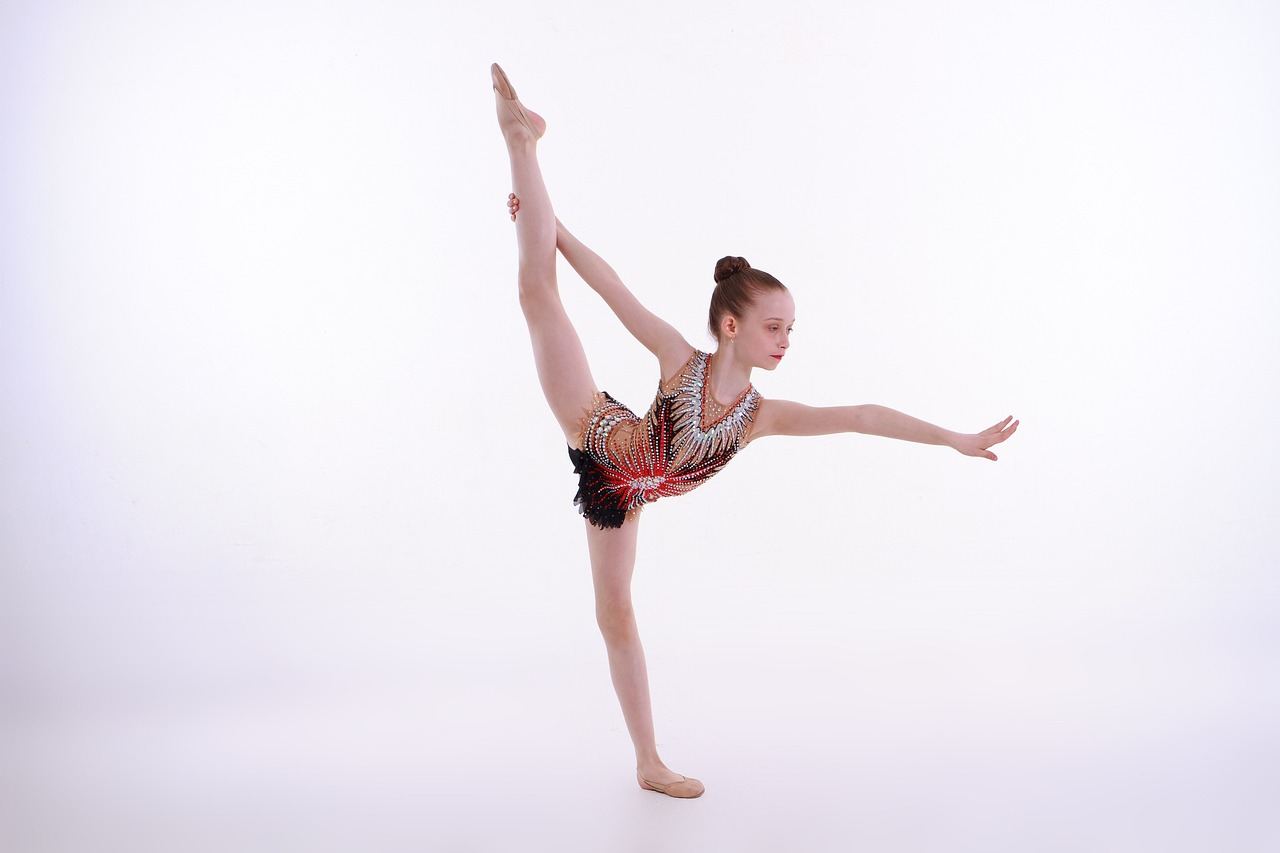
Gymnastics isn't about having a natural physique; it’s a journey where anyone can build strength and flexibility over time, regardless of age.
Getting started with gymnastics as a beginner offers a unique blend of strength and precision that captivates athletes of all ages. It combines elements of strength, flexibility, balance, and coordination through challenging movements. Beyond just flips and jumps, it involves disciplines like floor exercises, vault, uneven bars, balance beam, and rings.
Gymnastics isn't just for kids or future Olympians. Many start young, but anyone can practice it. It's about personal growth and skill mastery, not just elite competition.
Mastering gymnastics involves controlling your body in space. You develop precision and power, from basic cartwheels to complex tumbles. Gymnasts train to boost their body awareness, strength, and flexibility.
A session demands both physical and mental focus. Warm-up exercises, skill practice, and conditioning are all part of the routine. Each session challenges your body and mind as you learn new skills and memorize routines.
At its heart, gymnastics is about pushing your physical limits. It's rewarding, building fitness and discipline while challenging you to progress continuously.
In gymnastics, you'll engage in a variety of physical exercises focusing on floor routines, balance beams, vaults, and apparatus handling. It requires continuous practice to master techniques and improve performance.
Gymnastics offers a structured way to channel physical energy and improve mental focus. The constant progression and mastery of new skills provide a sense of achievement and engagement.
You might think that only naturally flexible or strong people can start gymnastics. This belief stops many from trying, assuming they don't have the 'right body type.'
Gymnastics isn't about starting with certain abilities—it's about building them over time. Flexibility and strength come with practice. Even top gymnasts began with basic skills and developed from there.
People also believe gymnastics is only for the young. But adults can benefit too. Adult classes focus on skills and fitness. Competition isn't everything.
Core strength. Flexibility. Coordination. Mental discipline. These are what gymnastics develops. It offers a goal-oriented, fun way to stay active.
Viewing gymnastics as a journey of skill development and personal growth can change your perspective. Even those who thought they couldn't participate find they can thrive in this dynamic sport.
The first week in gymnastics is a whirlwind. Warm-ups and stretches demand your attention, pushing your body to learn control and flexibility. The gym jargon flies fast. It's easy to feel lost amidst new terms and diverse exercises.
Week two brings a touch of familiarity. You fall into the rhythm with basic moves like forward rolls and handstands. Soreness creeps in as your muscles adapt to these new challenges—proof that you're making progress.
By the third week, things get tough. Novelty fades, exposing the true challenge of refining basic skills. As you struggle with balancing on the beam or landing a vault, frustration is common, but persistence remains crucial.
In week four, changes become evident. Awkward movements from before start feeling right. The rhythmic thud of feet on mats becomes an unexpected, satisfying soundtrack to your workouts.
Safety and technique are your constant companions in these early stages. Lean on your coach and listen to your body to fend off injuries. Celebrate each small victory because progress is personal, and everyone moves forward at their own speed.
When to start: Any afternoon
Duration: 1 hour
Cost to try: $20
Success criteria: You're ready for session two if you felt engaged and eager to learn more.
Beginners often skip warming up, eager to start their routines. But cutting corners here puts you at risk of injury.
Dedicate 10-15 minutes to dynamic stretches and light cardio before starting. This preparation primes your body for the demands of gymnastics.
Gymnastics isn't just about bending and stretching. Beginners get fixated on flexibility, often neglecting strength.
Balance your training with strength exercises like planks and squats. Building muscle support prevents injuries and enhances performance.
Overconfidence can be a trap. Excitement leads many beginners to try advanced skills prematurely, risking harm.
Trust your coach's guidance and move gradually through skills. Stay patient to avoid setback-causing injuries.
Technique often takes a back seat to speed for beginners. This haste forms bad habits.
Make form a priority over speed or complexity. Use videos or feedback for correcting and maintaining solid technique.
More isn't always better. Beginners often overlook rest, thinking constant practice gives faster results.
Schedule regular rest days to aid recovery and muscle growth. Listening to your body prevents burnout and supports long-term progress.
Start by looking up local gymnastics clubs online.
USA Gymnastics lists all accredited clubs. They make finding a trusted venue easy.
Many clubs are active on Facebook and Instagram.
Check their pages for facilities and programs. You can often contact them directly for more details.
Don't ignore community centers and schools. They often host gymnastics classes for all levels.
Online resources like Meetup and Gymnastics Near Me connect you to classes and groups.
They list less formal options too, great for adult beginners.
When visiting a club for the first time, introduce yourself as a newcomer.
Your enthusiasm can make a great first impression and help you integrate.
Artistic gymnastics is the most recognized form. It involves routines on apparatus like the floor, vault, and bars. This variant puts a strong emphasis on athletic prowess and creativity. Perfect for those who enjoy choreographed routines and challenging skills.
Rhythmic gymnastics combines dance and gymnastics, using apparatus like ribbons, hoops, and balls. It focuses more on flexibility and coordination than power. Ideal for those with a dance background who relish the artistic element of performance.
Trampoline gymnastics takes the sport to new heights, literally. It involves acrobatics on a trampoline, focusing on height and precision. Perfect for those who love the thrill of bouncing and flipping in mid-air.
Acrobatic gymnastics involves partner work with routines including balance, lifts, and dynamic throws. Success depends entirely on partner synergy. Great for those who enjoy teamwork and synchronizing movements.
Aerobic gymnastics blends aerobics with gymnastics. It focuses on endurance and rhythm. Ideal for those who enjoy fast-paced activities and have a knack for maintaining energy over time.
If this resonates, Weightlifting explores a similar direction.
If this resonates, Martial Arts explores a similar direction.
A close neighbor worth considering: Wrestling.
Core strength forms the bedrock of gymnastics. It's central to stability, balance, and power. Without it, performing skills safely becomes much harder.
A strong core connects your upper and lower body. This connection is vital for controlled, complex movements. In handstands, twists, and beam work, core strength is non-negotiable.
To develop this strength, start with planks. Do 3 sets, holding each for 30 seconds to a minute. Once planks are familiar, try side planks to hit the obliques.
Consistent practice of these exercises transforms your gymnastics foundation. Next up, let's explore how to integrate core work into a full training session.
Go to 8 sessions in a month, about two every week. This sets up a solid start and lets you see skills improve over time.
If you can't wait for the next class and find yourself practicing moves at home, you're hooked. Stick with it and maybe start setting personal goals for mastering new techniques.
If you're on the fence, enjoying some parts but unsure about the commitment, give it more time. Try different types of exercises to see if something clicks or if it fades away.
If you feel burdened by the sessions and just want them over with, it's probably not for you. Redirect your energy to activities that get you excited from the get-go.
The one sign you shouldn't ignore: checking out YouTube tutorials late at night for skills you haven't learned yet.
Looking for something different? The hobbies list is the easiest way to scan what else is on the table.
If gymnastics feels like too much to commit to right now, browse what to do when you're bored for lower-stakes ideas.
Beginner classes typically range from $50 to $100 per month. Additional costs include attire and potential gym memberships if not included.
Start by enrolling in a beginner’s class at a local gymnastics gym. Look for classes that focus on foundational skills to help you build strength and flexibility.
Beginners should aim for 2–3 hours per week, but more time will be needed as you advance to improve your skills and conditioning.
Gymnastics can be challenging due to its physical demands and the need to master various techniques. Patience and persistence are key.
Beginners should focus on safety, proper form, and finding a supportive community. Injuries can occur if techniques are not performed correctly.
Initially, you need minimal equipment: comfortable athletic wear and a good pair of gymnastics shoes. Most gyms provide the necessary apparatus.