BoredomBusted — Find Your Next Favorite Thing To Do
Discover hobbies, activities, places, and ideas that spark joy. Whether you're looking for something creative, active, social, or relaxing, BoredomBusted helps you find your next favorite thing to do.
Browse our hobby guides, things-to-do collections, and place ideas to never be bored again.
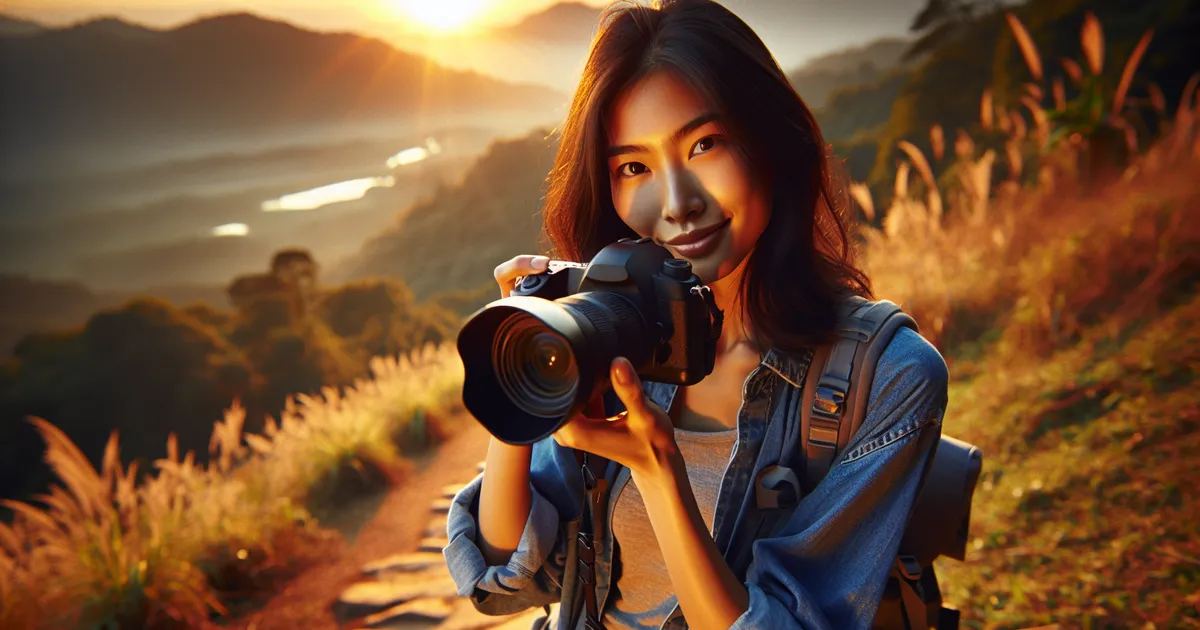
Landscape photography isn't just about location—it's about mastering light and timing, turning one spot into dozens of unique shots throughout the year.
Learning landscape photography as a beginner focuses on understanding how to frame the beauty of the outdoors. Think mountains, coastlines, forests, and fields.
You're not just snapping shots. Instead, it's about chasing the perfect light, unpredictable weather, and that magical moment in time.
The aim isn't to simply record a location; it's to evoke a feeling or emotion about it.
In landscape photography, practitioners hike to various outdoor locations, often carrying heavy camera equipment, to compose and capture images of natural scenes, experimenting with angles and lighting conditions while physically navigating diverse terrains.
Landscape photography fosters a flow state by blending technical skill and creative decision-making during outdoor shoots, while also providing incremental feedback through visible improvements in composition and results, keeping motivation high.
You think landscape photography is all about being in the right place at the right time. Just show up, point your camera, and capture a mountain. Most people believe this – which is why many quit after a month of bland shots.
Consider a single shoreline location over a year. It can yield ten unique images not because the scene changed, but because the photographer mastered fog, golden hour, and long-exposures.
You're not just taking pictures. You're noticing things most people pass by without a thought.
Now, let's tackle whether fancy gear is truly necessary – spoiler: it might annoy the camera shop.
Landscape photography seems serene, someone poised on a cliff in perfect light. But starting out, you'll find yourself chilly, holding a camera, with many shots that all look a bit dull.
The driving takes longer than the shooting. By the time you find the right spot, the light may be gone.
In those first weeks, expect misjudged timings and frustrating setups. You'll realize too late that golden hour doesn't last long and that composition is more than just pointing at the horizon.
Foreground details elevate your images. New photographers often focus only on the mountains and skies, forgetting the ground beneath their feet.
It's not just about waiting for the perfect moment; it's about understanding what makes a scene worth capturing.
When to start: Morning
Duration: 1.5 hours
Cost to try: $0
Success criteria: If you came home with one sharp landscape photo that uses a clear foreground, midground, and background, do session 2.
Those golden hour shots aren\u2019t overrated. Compare a noon photo to a 6am one, and the difference is clear. Plan with Photopills or Sun Seeker. Set an alarm you\u2019ll dread so you catch the best light.
In the rush to capture light, beginners often tilt their cameras without noticing. Enable the electronic level overlay. Two seconds now saves ten minutes in post-edit.
Photos without something in the foreground fall flat. They end up looking like generic postcards. Include rocks, water, or flowers close to your lens to create depth and interest.
Your eyes balance sky and land well, but a camera can\u2019t. Beginners trust the LCD, which often overexposes skies. Expose for highlights. Bracket shots for HDR or use a graduated ND filter to correct sky exposure in-camera.
Yes, still water is captivating, but wind will ruin a long exposure with blurred foliage. Check the wind speed or use a fast shutter to capture clear details and make bold choices.
Landscape photography happens wherever the land meets light. National parks, state parks, coastlines, mountain trails. Even the overlooked field at the edge of your town at golden hour.
Your venue is outside.There's no need for a dedicated building.
Use Flickr to find locals. Search for your nearest mountain or river. Check who posts consistently—they're often part of informal groups.
The Photographic Society of America (PSA) runs competitions, education, and a club network across the U.S.
Join any group outing and say you're learning exposure and composition. This approach nets you a shadow mentor and feedback on your shots. Plus, they know the best angles at each location, saving you time.
Seascapes focus on coastlines, waves, and tidal movements. Long exposures make water look silky in a way mountains and forests can't. Timing is crucial — tides define your shooting schedule, not just sunrise and sunset. Ideal if you live near the coast and enjoy being up by 5 am.
Astrophotography takes your landscape talents into the night, aiming for galaxy shots instead of mountains. Requires specific equipment from the start: a fast lens (f/2.8 or wider) and a camera that excels at high ISO performance. Perfect if you've mastered daytime photography and crave a new challenge.
Urban landscapes swap nature for architecture, treating cityscapes as giant canvases. This is a low-barrier start: no permits, no hiking, and minimal weather worries. The best choice if you're a beginner living in the heart of the city.
Aerial landscapes use drones to reveal patterns hidden from the ground. Expect the costs to rise: drones start at $300–$800+, and you'll need to know local airspace rules. Best for those who feel they've explored all possible ground angles.
Infrared photography reveals invisible light, transforming foliage to white and skies to black. Convert an old camera body ($200–$400) or use IR filters that need long exposure times. Perfect for experienced photographers looking for a creative reset without going anywhere new.
If this resonates, Macro Photography explores a similar direction.
Recognizing the direction of light is the game-changer in landscape photography.
Many newbies buy expensive gear, chase the golden hour, and visit "epic" locations. Yet they still capture dull, unimpressive photos.
The issue isn't their subject choice. It's that they lack the skill to interpret light.
You must visualize how light angles will hit the terrain. Predict the sun's interaction with the land's shape before you even get there.
Consider if the light will reveal textures, make a lake reflective, or disappear in a shadowy valley.
Once you can anticipate shadow placement and light-catching surfaces, you arrive at your location equipped with a strategy.
Without this foresight, your images will lack energy. No matter how sharp the technical details are, landscapes need the interaction of light and shadow to pop.
Those scroll-stopping shots aren't accidental. The photographers behind them arrived knowing the light's behavior.
Go out with your camera or phone 8 times in 30 days. That's roughly twice a week, enough to catch varied light conditions without burnout.
Multiple sessions matter more than you think. Landscape photography is all about light. One overcast afternoon isn't enough. You need sunrise, golden hour, and maybe a storm to find out if you love the process, not just the idea.
Planning your shots becomes part of the fun. If you're checking weather apps and scouting the night before, it's a good sign. The photos themselves are secondary to your excitement about preparation. Start learning manual exposure settings now.
If your photos end up forgotten in your camera, that's usually a sign. Often the issue isn't photography itself, but the stillness it requires. Try portrait or street photography for a faster pace before deciding this isn't for you.
Dreading outdoor sessions is a clear signal. This isn't about poor weather – it's about resenting the outdoor time. No gear will change this hobby's nature. It's mostly being outside slowly.
The subtle clue: an unintentional collection of landscape shots. If you're gathering photos of other people's landscapes, even quietly, it's a sign this hobby could be a natural fit.
Looking for something lighter? Our boredom-busters guide is built for exactly that.
You'll need a camera (DSLR, mirrorless, or even a smartphone), a wide-angle lens, and a sturdy tripod for stable shots. A neutral density filter and polarizing filter are helpful but optional for beginners. Start with what you have and invest in quality gear as your skills develop.
You can capture compelling images within weeks of practice, but developing a strong eye for composition and light typically takes 6–12 months of consistent effort. Progress depends on how often you shoot and how intentionally you study other photographers' work.
You can start with minimal investment—a smartphone and free editing apps work for beginners. A basic DSLR, lens, and tripod run $400–$800, while professional-grade equipment costs $2,000+. Budget depends on your commitment level and goals.
The golden hour—the first hour after sunrise and the last hour before sunset—offers warm, directional light that flatters landscapes. Overcast days are excellent for even lighting, while midday sun creates harsh shadows that are harder to work with.
No—compelling landscapes exist in your local area: forests, parks, rivers, and urban environments all offer photographic potential. Travel expands your opportunities, but mastering light and composition close to home builds skills you can apply anywhere.
Study the rule of thirds, leading lines, and depth in your images. Practice intentionally, study photographers you admire, and take the same shot multiple ways to understand what works. Reviewing and critiquing your own work over time is one of the fastest ways to improve.