BoredomBusted — Find Your Next Favorite Thing To Do
Discover hobbies, activities, places, and ideas that spark joy. Whether you're looking for something creative, active, social, or relaxing, BoredomBusted helps you find your next favorite thing to do.
Browse our hobby guides, things-to-do collections, and place ideas to never be bored again.
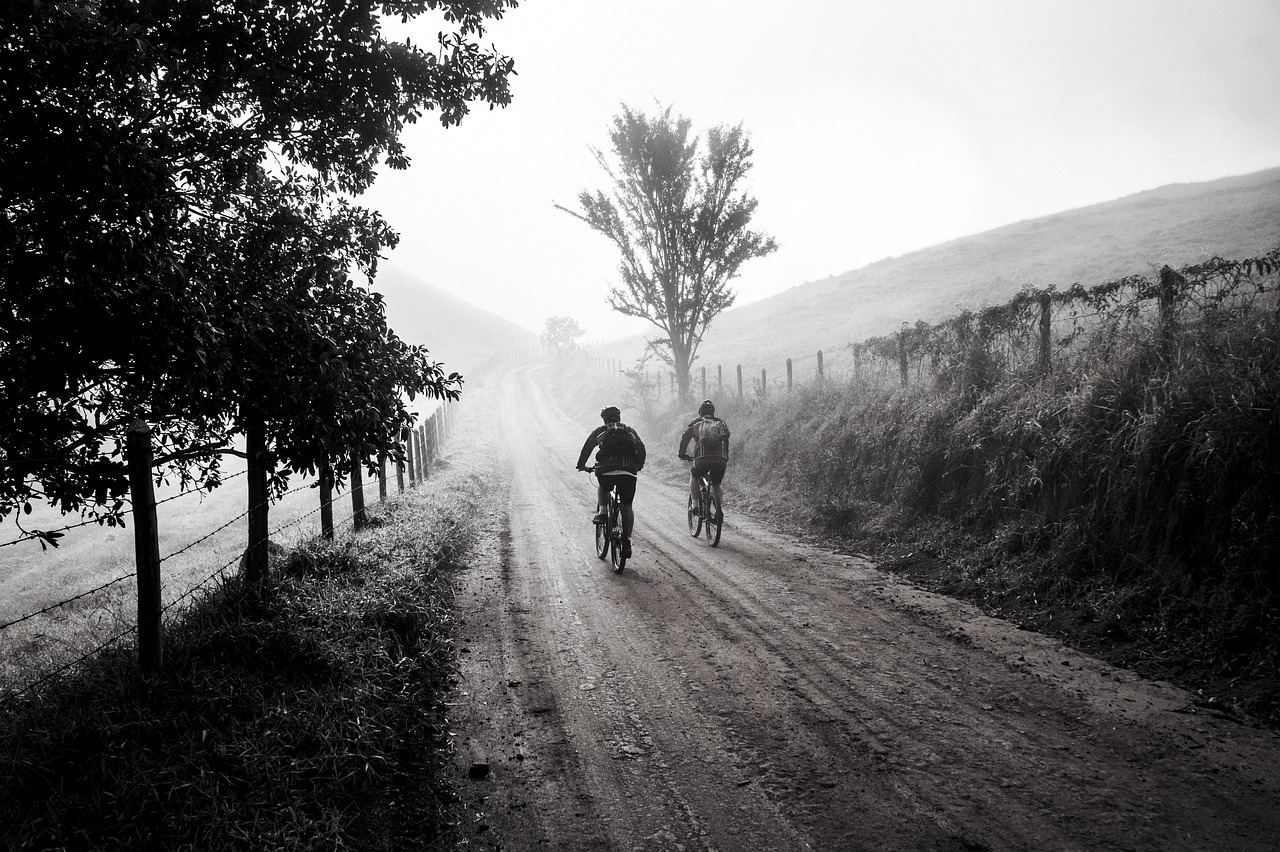
Mountain biking isn't just for thrill-seekers; it's a low-speed puzzle that sneaks in fitness while you’re simply having fun on accessible trails.
Getting started with mountain biking as a beginner opens up exciting adventures on dirt trails and challenging terrains, all while using specially designed bikes that enhance your ride. Mountain biking is off-road cycling on dirt trails, steep descents, and technical terrain – using bikes built to absorb impact and hold traction where road bikes fail.
Unlike road cycling, the challenge isn't just fitness – it's reading terrain in real time, choosing your line, and committing to it.
Mountain biking involves riding specialized bikes on off-road trails, requiring sustained pedaling over uneven terrain. Practitioners must maintain core stability while navigating obstacles, shifting body weight to handle climbs, descents, and technical features like rock gardens and roots. The activity demands real-time focus on bike control, speed modulation, and balance to maximize flow and mo…
Mountain biking induces a flow state through high-skill demands on variable terrain, requiring immersive focus and precise core tension. Immediate feedback from mastering skills like cornering or standing pedaling provides a sense of accomplishment, while the novel challenges of unpredictable trails stimulate creativity and adaptive problem-solving. Additionally, the social aspects foster communi…
You think mountain biking requires owning a truck and filming helmet-cam rides down impossible trails.
That's for thrill-seekers, not you with an adventurous Saturday in mind. But it's not true.
Mountain biking is about solving little puzzles at a slow pace. You read terrain, pick paths, and conquer tricky corners. The reward isn't surviving a crazy ride, it's mastering the trail.
Most local trails cater to beginners. There are more green and blue trails than black diamonds, designed to keep you coming back for the sheer fun of the ride.
Meet Darren. He's mid-40s and hadn't exercised in years. He started on a $400 used hardtail.
Darren wasn't seeking adrenaline. He enjoyed a local green loop three times a week.
The weight didn't just fall off. It crept away. Eighteen pounds in six months snuck up on him. His jeans gave it away first.
You won't see this on YouTube. The everyday rider isn't flashy, but they're out there enjoying the sport.
Thinking about gear already? We'll handle that next.
Mountain biking videos show a blur of control and chaos — tires skimming dirt, bodies fluid, the bike seemingly effortless. Then you hop on and find out the bike isn't helping.
You're doing the work, not the bike. It's all on you to learn.
The expectation is speed and grace. A physical challenge. A bike that makes it simple over a weekend.
The reality is strategic — chess on wheels. Your brain works harder than your legs, and the trail judges your every move.
Grip too tight, brake too late, and walk more than you ride. These early struggles are not failures but foundations.
By week two, you'll detect the subtle shift from panic to control in your braking — the cornerstone skill that starts shaping your ride.
A previously daunting trail turns almost manageable by week three, offering just enough progress to keep you motivated.
Though still slow by week four, your trail awareness extends two seconds ahead, reshaping the sport in your mind.
Set your saddle lower than seems right at first. Keep your legs nearly straight but ready to plant a foot quickly if needed.
It's not about comfort. On steep descents, a high saddle restricts your hips and ruins your weight balance, increasing the risk of flipping over.
Around week two, quitting feels tempting. Nothing's easy yet, arms are sore, and every hiker seems faster.
This isn't a skills dead-end. It's the disconnect between your mind's knowledge and your body's readiness, a stage every seasoned rider knows well.
When to start: Early morning
Duration: 2 hours
Cost to try: $20
Success criteria: If you ride one beginner trail for 60 minutes, complete it without stopping to walk, and return with your brakes, tires, and handling still under control, do session 2.
A saddle comes standard with a bike, leading beginners to believe they should always stay seated. But staying in the saddle during descents compromises control.
Drop your seat 2–3 inches before descending to allow your legs to absorb shocks and stabilize your center of gravity.
When speed increases, grabbing the front brake feels instinctual, given its access under your dominant hand.
Train yourself to brake before corners instead of during them. Focus on using the rear brake first so modulation becomes automatic.
Trail ratings can mislead; moving from green to blue seems reasonable but often isn't for new riders.
Seeing the number on the tire sidewall as a target, beginners often pump air to the max, compromising traction.
Aim for 25–28 PSI on dirt for a 29er. Experience how this softer setup grips better, preventing bounce over roots.
Staring directly at rocks or roots leads beginners straight into them. Your wheel follows your eyes.
Look 10–15 feet ahead down the trail. Let your hands follow without micromanaging every turn or bump.
Mountain biking unfolds on trail systems, bike parks, and forest roads. You'll find everything from flow trails to rugged singletrack.
Starting local is key for beginners. Focus on exploring your trail network more than mastering tricky terrain.
Introduce yourself with confidence. "Hey, I'm new here, just a few weeks in. Can anyone help me tackle technical trails?" This line will get you tips, a ride buddy, and useful feedback.
Cross-country biking focuses on endurance with long climbs and efficient trails. Ideal for cyclists who want to go off-road without tackling extreme terrain. Bikes start around $1,000–$1,500 for a good entry model.
Trail riding is where most beginners start — moderate climbs and descents make it approachable and enjoyable. A good fit for those seeking fun without extreme commitment. A mid-range hardtail costs about $600–$900.
Enduro biking is all about the downhill thrill. Expect burlier bikes and rowdier trails. Suitable for those who have trail experience and want more adrenaline and challenge. Not for beginners — the terrain demands skill.
In downhill biking, you rely on a chairlift or shuttle to climb. Bikes are specialized and costly, around $3,000+. This is for those who ride with confidence and want to focus purely on descending. Proximity to a bike park is essential, so geography matters.
Bikepacking is about journey over terrain. Load up with gear and take on multi-day rides. It's suited for those who prefer exploration and travel to tricks or speed. It aligns with gravel riding if remote trails and camping excite you.
For something adjacent, see Cyclocross.
If you want a related angle, BMX is the natural next stop.
Some of the same instincts show up in Cycle Touring — worth a look if this clicked.
Most beginners spend their first year chasing speed – faster pedaling, harder trails, more aggressive lines.
The speed isn't the problem. Their eyes are.
The real skill is looking ahead on the trail. Training your gaze to land 10–15 feet in front of your wheel changes everything. It sounds obvious until you're on a technical descent. Suddenly, your eyes are glued to the rock you're about to hit instead of the gap you should be threading.
When your eyes are ahead, your weight shifts before the obstacle – not on top of it.
Without it, every root and rock feels like a surprise attack. Your hands death-grip the bars, and no amount of upper body strength fixes the wobble. The riders who look smooth aren't smoother – they're just looking further.
Pick a fixed object 15 feet ahead on a flat trail section and hold your gaze there for the entire pass. Do this on boring fire roads where nothing demands your immediate attention.
Film yourself riding from the side. If your chin points down at your front wheel, your eyes are too. Watch the footage and it's immediately obvious.
Practice on trails you know well. Familiarity lets you focus on where you look without also processing what's coming.
Six rides over a month. Space them out so you have time to digest each experience.
If each ride leaves you eager for more before it even ends, you're in the right place. This is about solving challenges, not shying away from them. Start exploring trail apps, join a local group, and maybe sign up for a skills clinic. Your curiosity is steering you.
Did all six without a spark of interest? That's not indifference. You may have missed the right mix of challenge and support. Try a more difficult trail or a new riding partner, or take an intro lesson to shake it up.
Dreading each session by ride four? Accept it as clarity. It's no reflection on you. The exposure and intensity aren't for everyone, and that's okay. It's simply not your hobby.
The one sign you shouldn't ignore is if you're watching riders take on tight switchbacks late at night. Not for the spills, or the speed, but for the technique. That urge to understand the nuances means you're already hooked.
Still looking for something to do? Browse things to do when bored for more ideas.
A decent beginner mountain bike costs $400–$800, with budget options around $300 and higher-end models starting at $1,000+. You'll also need a helmet ($50–$150), gloves, and basic maintenance tools, bringing total startup costs to roughly $500–$1,000 for a complete beginner setup.
Beginners can start on flat or mildly rolling trails with minimal fitness—the activity builds your endurance naturally. As you progress to steeper climbs and technical terrain, you'll develop cardiovascular strength and leg power over a few weeks of regular riding.
Most people can handle beginner trails confidently within 2–4 weeks of regular practice. Mastering technical skills like cornering, braking control, and obstacle navigation takes several months of consistent riding on progressively harder trails.
Mountain bikes have wider, knobby tires for traction on dirt, suspension to absorb bumps, and a sturdy frame designed for rough terrain. Road or hybrid bikes have thinner tires and are built for smooth pavement, making them uncomfortable and ineffective on trails.
Mountain biking carries injury risk at all levels, but beginners can minimize danger by wearing protective gear (helmet, pads), starting on easy trails, and learning proper braking and body positioning. Most beginner injuries are minor scrapes from falls on low-speed sections.
Riding 2–3 times per week gives you consistent progress and lets your body adapt without overtraining. Even weekly rides build skills over time, though frequency matters less than consistency—regular practice beats sporadic intense sessions.