BoredomBusted — Find Your Next Favorite Thing To Do
Discover hobbies, activities, places, and ideas that spark joy. Whether you're looking for something creative, active, social, or relaxing, BoredomBusted helps you find your next favorite thing to do.
Browse our hobby guides, things-to-do collections, and place ideas to never be bored again.
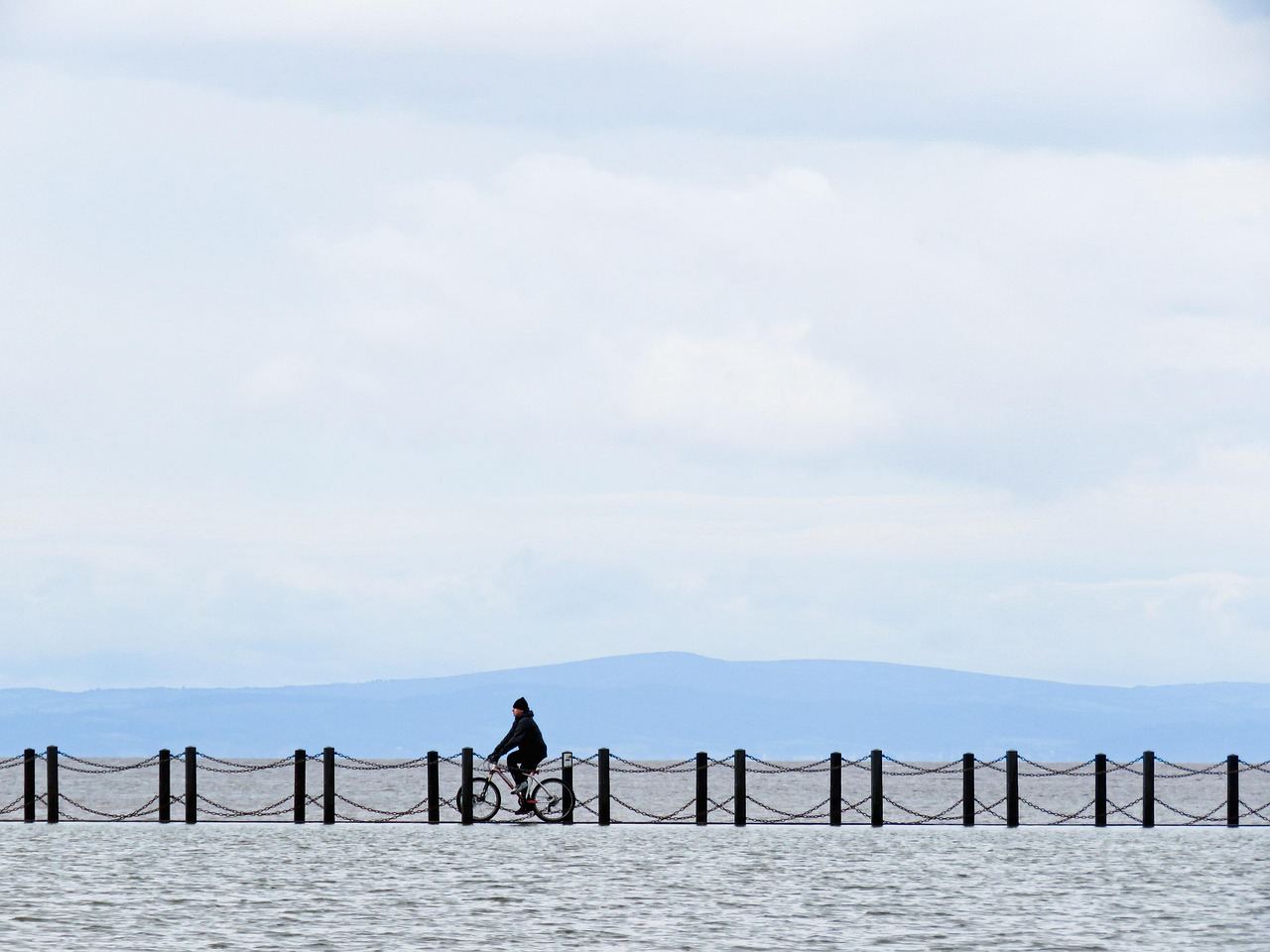
Cycle touring isn't about speed or fancy gear — it's a leisurely adventure where even casual cyclists can thrive on just 40-60 miles a day.
Getting started with cycle touring as a beginner is all about planning your routes and ensuring your bike is equipped for long-distance adventures. Cycle touring means traveling long distances by bicycle, self-supported, with your gear loaded onto the bike.
You plan the route, carry what you need, and move at human pace through places most travelers blur past.
Unlike road cycling, the destination matters as much as the ride – and unlike backpacking, the bike becomes part of the experience itself.
In cycle touring, you ride a loaded bicycle over multi-day distances, carrying your camping gear and cooking supplies while navigating various terrains and planned routes. You actively manage your bike's weight, perform tasks like pitching tents, filtering water, and tracking metrics using a cycle computer to enhance your performance and keep your mind engaged during long rides.
Cycle touring combats boredom by creating a flow state through mental games that require focus and calculation, providing real-time feedback on performance metrics like cadence and speed, which fosters a sense of accomplishment and keeps your mind engaged during monotonous stretches. The novelty of different routes and challenges breaks the cycle of boredom and transforms endurance into a playful…
You think cycle touring means Lycra, clipless pedals, and 80-mile days. You picture an obsessive, lean, half-machine — and you've already decided that"s not you.
Cycle touring is about distance covered over days, not speed. Most loaded tourers average 40–60 miles a day, stop for bakery lunches, and are in bed by 9pm.
The gear isn"t exotic either. Millions tour on secondhand hybrids. They use hardware-store bungee cords and dry bags from camping surplus stores.
It scales to your fitness level – a first tour can be three days and 90 miles total. That"s less than what many casual cyclists do on weekends.
Pete, a 58-year-old, rode the length of the UK on a £200 Gumtree bike. He carried too much gear, got soaked by rain, and still says it was the best month of his life.
Gear and logistics. Mindset and motivation. Those are the real questions. The next section covers exactly what setup gets you out the door.
Watching cyclists glide effortlessly on YouTube is deceiving. Your initial ride loaded with gear feels entirely different.
The bike behaves unpredictably. It turns out, weight distribution matters more than total weight. Your legs need recalibration, and the road has its own ideas.
Understanding distance changes on day two. 60km feels a lot longer. You've grown to respect the saddle.
As slow becomes the new riding speed, it feels more acceptable. Packing the rear with a system helps keep balance. Address the mistakes to find your rhythm.
When to start: Early morning
Duration: 2 hours
Cost to try: $0
Success criteria: if you finished without any major bike issues, do session 2.
Packing everything in rear panniers might seem natural, like filling up a car trunk. But it makes your bike tough to control, especially in crosswinds. Balance the load with four panniers or add a front fork bag. Aim for 60% rear and 40% front to maintain stability.
Touring with 50–60kg total is nothing like your casual weekend rides. 80km at home might become a grind at 50km on tour. Limit your initial tour days to 60km max and add 30 minutes to your timing. This adjustment is vital until you're used to the weight.
A plush saddle might feel great in-store but will hurt after hours on the road due to shifting pressure. Get your sit bones measured at a bike shop. Buy a saddle based on those dimensions – prioritize firmness for longer rides.
Riders think their usual road gears will work for loaded climbs. But extra weight turns gentle slopes into challenging ascents. Check your lowest gear ratio before departing. Aim for at least 22–26 gear inches for steep or long climbs.
You have rain gear, but it's useless if unreachable when a storm hits on a descent. Store your waterproof clothes in an easily accessible spot. A top pannier pouch or handlebar bag saves time in sudden weather.
Cycle touring takes place on public roads, quiet country lanes, dedicated cycling routes, and long-distance trails. Anywhere you can legally ride with luggage is fair game for an adventure.
Show up and say: "I've done some day rides with luggage."
You'll get a pace adjustment, someone to shadow on descents, and usually a packed-lunch tip from a seasoned rider.
Carry everything on your bike—panniers, tent, sleeping bag. It's self-sufficient and works on almost any road. Best for riders who want full independence and aren't in a rush. Expect to spend $300–800 on racks and bags alone, on top of your base setup.
No need for camping equipment. Ride between hotels, hostels, or B&Bs, carrying almost nothing. This is the clearest entry point for beginners. Ongoing accommodation costs replace upfront gear costs, so budget accordingly per night.
Lightweight bags mount directly to the frame. Designed for rougher terrain and narrower bikes. It trades carrying capacity for agility. Best for riders who want off-road trails or gravel.
A vehicle carries your gear while you ride. Common on organized trips and charity rides. You get the mileage without the load. Best for people testing multi-day riding before committing to a full setup.
Short, city-hopping routes use trains or ferries to connect the gaps. More exploring, less epic suffering. It's touring with an edit button. Suits riders with limited time or fitness who still want real adventures. Gear costs are low, but planning interesting routes is key.
Track Cycling lives in the same world — different mechanics, similar appeal.
BMX is a sibling pursuit and often surfaces the same kind of curiosity.
Most beginners obsess over fitness – longer rides, stronger legs, better times.
The real bottleneck isn't your body. It's your load management instinct.
The skill is dynamic weight distribution – knowing how to rebalance your panniers in real time as your load shifts, terrain changes, and fatigue sets in.
It's not about packing evenly at home. It's about feeling when 200g of extra weight on the rear-right is causing issues. Tiny shifts change handling.Leaning into these adjustments keeps you in control.
When you develop this instinct, climbs feel easier. Your bike doesn't wander, reducing the effort needed to stay on course.
Riders with this skill feel like one with their bike. Without it, you may struggle on tours despite training hard.
Develop this by assessing how your bike handles.
After terrain changes, notice if the bike tracks straight with only light pressure on the bars.
On loaded rides, adjust your heaviest item forward or back and test steering response.
Log each ride's packing setup and handling in a notes app to spot recurring patterns.
Go for six rides over 30 days. Spread them out roughly every five days, with at least two rides longer than 90 minutes.
If you're already planning the next ride before you've even showered, that's the signal. Not that it was easy – but that your mind is excitedly thinking about 'where next.' Start researching overnight routes. You're ready for more than just casual cycling.
The rides were fine but didn't grab you. This might mean the solo rides aren't doing it. Try joining a group ride or aim for a specific destination like a nice café or a nearby town.
If you spent your rides checking the clock and hating every moment this is clear feedback. Some people simply find sustained effort outside to be unenjoyable, and no amount of high-tech gear can change that.
When you find yourself browsing maps without an actual plan in mind, that's the sign.
That low-level, seemingly pointless habit is the real signal. People who love cycle touring often have this curious itch long before they start packing panniers.
If cycle touring doesn't feel like the right fit, our hobbies list has plenty of other directions to try.
Cycle Touring is a deeper commitment than most boredom cures — for lighter options, check things to do when bored.
Cycle tours range from weekend getaways (2–3 days) to multi-week or multi-month expeditions, depending on your goals and time availability. Most beginners start with 1–2 week tours covering 40–80 miles per day to build confidence and fitness.
You don't need to be an athlete—cycle touring is more about consistency than intensity. If you can comfortably ride 20–30 miles on flat terrain, you're ready to begin; fitness improves naturally as you tour.
Budget cycle tours can cost $20–50 per day if you camp and cook, while supported tours or hotels run $100–300+ daily. Your main expenses are accommodation, food, and initial gear (bike, panniers, tent), though multi-day touring becomes cheaper per day as trip length increases.
A touring-specific bike or sturdy road/hybrid bike with stable geometry and low gears handles loaded panniers best. Avoid lightweight racing bikes; instead, prioritize durability, frame stability, and capacity to carry 30–50 pounds of gear comfortably.
Yes, thousands of beginners start cycle touring every year with minimal cycling experience. Start with shorter routes on familiar terrain, practice basic bike maintenance, and build confidence before tackling longer or more challenging routes.
Most cycle tourists carry 30–50 pounds including bike essentials, camping equipment (if needed), clothing, and supplies. Ultra-light tourers aim for 25 pounds, while those with comfort priorities may carry up to 60 pounds.