BoredomBusted — Find Your Next Favorite Thing To Do
Discover hobbies, activities, places, and ideas that spark joy. Whether you're looking for something creative, active, social, or relaxing, BoredomBusted helps you find your next favorite thing to do.
Browse our hobby guides, things-to-do collections, and place ideas to never be bored again.
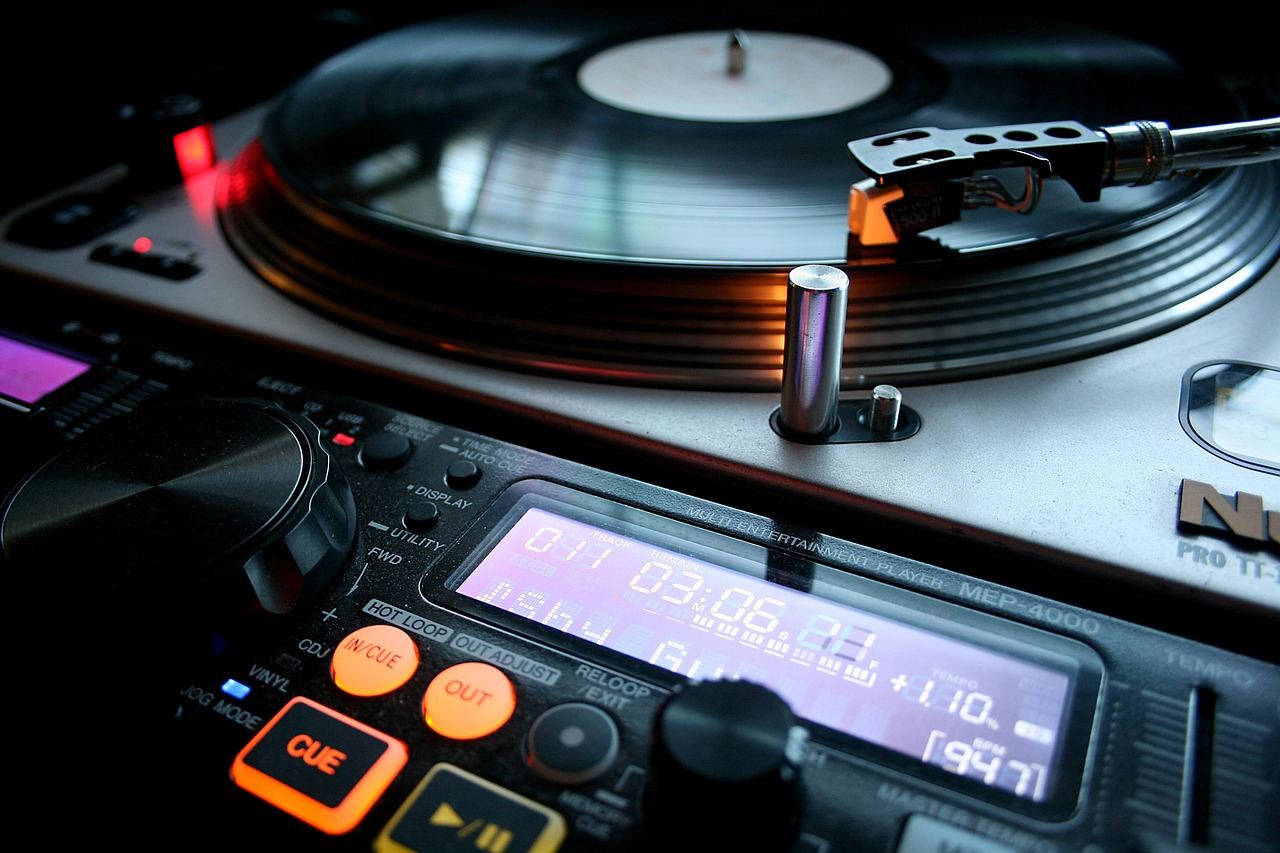
DJing isn't just playlist curation—it's a deep dive into crowd psychology and music theory that shapes a collective experience.
Learning DJing as a beginner focuses on the essentials of mixing tracks to create seamless soundscapes.
Mastering equipment and understanding music flow are key.
The real magic happens when you connect with the audience emotionally through sound.
In DJing, you set up equipment like controllers and mixers, load tracks into software, and practice skills such as beat matching, triggering hot cues, adjusting EQ, and using the crossfader to create seamless transitions and energetic mixes, while experimenting with mashups and recording sets for refinement.
DJing induces a flow state through structured skill drills, providing instant auditory feedback that reinforces mastery, satisfies creative impulses, and fosters a sense of accomplishment, while also simulating social engagement through imagined crowd interactions, all of which keep boredom at bay.
You probably think DJing means just playing songs back-to-back. It sounds straightforward, right? Pick a track, press play, repeat.
But beyond that simple image, there's a whole world of atmosphere creation happening on the fly.Reading the room is just as crucial as playing the track. The best DJs know how to shift energy levels in sync with crowd dynamics.
It's like an invisible string pulling you through a story made with beats. Magic happens when a DJ effortlessly blends music theory and instinct.This is why intuition often beats high-end gear.
Next, let's explore how amateur DJs cultivate these skills.
Your first time at the decks is a blend of excitement and nerves. All those buttons, knobs, and sliders can look overwhelming.
Expect a few awkward missteps at the beginning. Your first mix won't be flawless, and some beats might not align smoothly.
Seeing people respond to your tracks is thrilling. Even if the session feels rough, you'll leave with a sense of achievement and a drive to get better.
When to start: Morning
Duration: 1 hour
Cost to try: $0
Success criteria: If you load two tracks and make one clean crossfade transition with cue and play controls, do session 2.
New DJs often jump in without understanding beats or keys, thinking intuition will suffice. But guessing your way through can turn a great track into chaos.
Grasp music theory basics to shift your mixes from amateur to impressive. It's the secret ingredient to polished transitions.
The thrill of effects can lead to a sound overload. A dozen layers of echo and reverb can make your tracks noisy.
Limit your effects to keep your mixes clean and professional. Less is more when creating a standout sound.
Getting lost in your own vibe can detach you from the crowd's mood. Suddenly, you're playing tunes that don't land with their energy.
Read the room and tweak your set to match the crowd's pulse. This connection can transform a good night into a memorable experience.
Ignoring gear maintenance is a ticking time bomb for technical glitches at events. The middle of a set is the worst time for your mixer to misbehave.
Regularly clean and check your equipment to ensure easy performances. A little upkeep today avoids headaches tomorrow.
DJing communities thrive both online and offline. Local clubs and events are great places to meet other DJs and music enthusiasts.
Online forums and social media groups can connect you with a global network of DJs, offering advice, feedback, and support.
Join workshops or take online courses to further develop your skills and gain insights from experienced DJs.
Create high-energy sets for nightlife venues. Ideal for those who thrive in vibrant clubs and bars.
Mobile DJs handle everything from weddings to corporate parties. You'll need to adapt to diverse audiences and music requests.
Curate playlists for radio shows. Ideal for those passionate about sharing music stories over the air.
Mastering timing and flow is the key to DJing.
It's about knowing precisely when to transition and how to craft a set that rises and falls.
You need more than technical chops. Deep musical understanding and intuition about the crowd's mood are vital.
Practicing beatmatching and phrasing refines your transitions, locking in the energy you want to project.
Put your DJ skills to the test with four sessions over a month. Think one mix session per week, allowing you to see if the craft holds your interest.
If you find yourself eagerly planning the next mix and sharing your tracks online, congrats. That's the spark of a true DJ. Go deeper by experimenting with new genres and investing in a quality controller.
If each session felt like just spinning wheels rather than mixing beats, give yourself a little more time. Try a simple mashup or easy remix before moving on. That might offer the rhythm you need.
If you dreaded the technical setup and weren't thrilled with the process, that's a clear message. There's no need to push it — some people simply don't vibe with DJing, and that's fine.
The telltale sign you're hooked: you're browsing tracklists and mixing gear instead of just listening.
Not sure djing is for you? The full hobby list covers everything else worth considering.
For quicker fixes, see our roundup of things to do when you're bored.
A basic DJ setup can range from $300–$800 for entry-level equipment like a controller, headphones, and speakers. You can start even cheaper with used gear or a simple two-deck controller under $200. As you progress, you may invest in better turntables, mixers, and sound systems, but beginners don't need expensive equipment to learn and practice.
You can learn basic DJ skills like beatmatching and mixing in 2–4 weeks of regular practice. Becoming proficient enough to perform at small events typically takes 2–3 months of consistent practice. Mastering advanced techniques and building your own style takes years, but you can start mixing tracks enjoyably within your first week.
At minimum, you need a DJ controller, headphones, and speakers or monitors. A DJ controller connects to your computer or laptop and lets you mix music digitally. Headphones help you cue tracks, while speakers let your audience hear the music. Many controllers come bundled with beginner software, so you can start with just those three items.
DJing has a relatively gentle learning curve—basic skills like blending songs are achievable within days. The hardest part is developing a feel for music, timing, and reading a crowd, which comes with practice and experience. Most people find the fundamentals intuitive and rewarding, making it an accessible hobby for curious beginners.
No, DJing and music production are different skills, and you don't need production experience to DJ. DJing is about selecting, mixing, and transitioning existing tracks to entertain an audience. That said, learning basic production later can enhance your creativity and help you remix tracks or create mashups.
You'll develop skills in music selection, timing, and crowd engagement while building confidence performing in front of others. DJing opens doors to play at parties, events, local venues, or online, and helps you connect with music and communities in deeper ways. It's a rewarding creative outlet that blends technical skill with artistic expression.