BoredomBusted — Find Your Next Favorite Thing To Do
Discover hobbies, activities, places, and ideas that spark joy. Whether you're looking for something creative, active, social, or relaxing, BoredomBusted helps you find your next favorite thing to do.
Browse our hobby guides, things-to-do collections, and place ideas to never be bored again.
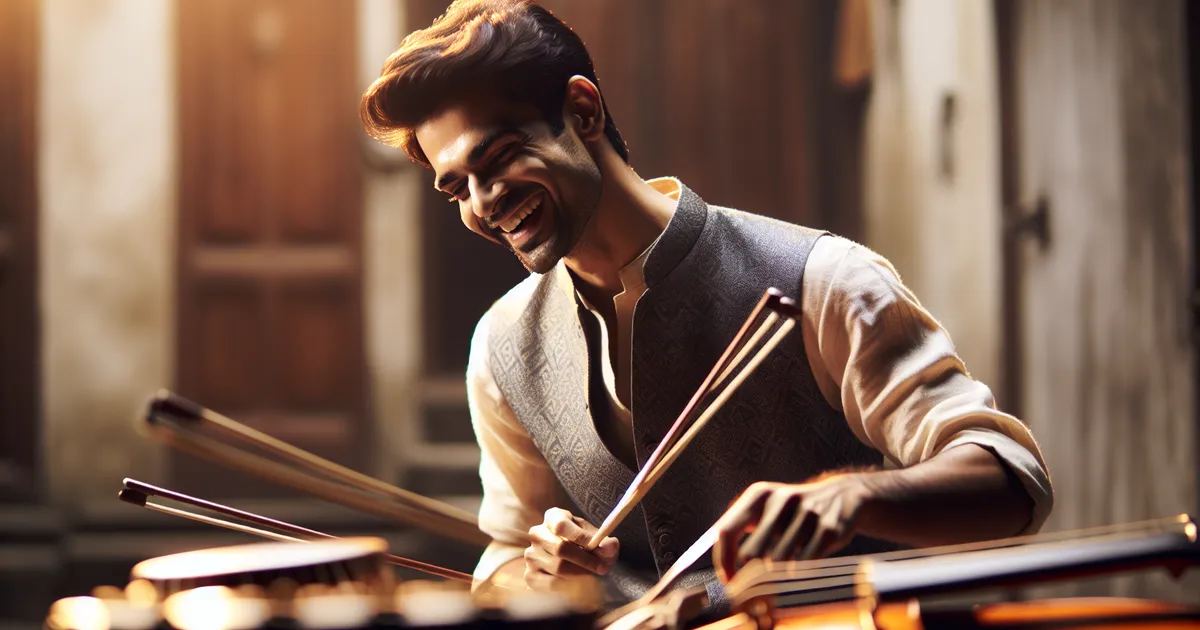
Ensemble performance isn't just about playing your part; it's a real-time conversation where musicians collectively shape the music in the moment.
Learning ensemble performance as a beginner focuses on the collaborative aspects of creating music, theater, or dance together. Every person's timing, dynamics, and choices ripple through the group.
Unlike solo practice, you're part of something larger. You're a single moving piece in a living system, relying on interdependence.
In Ensemble Performance, adult hobbyists engage in weekly rehearsals where they collaboratively practice synchronized routines, focusing on movements like dancing, acrobatics, or playing music together, refining their skills through peer feedback and improvisation to prepare for live performances.
Ensemble Performance induces a flow state through synchronized group actions, offers immediate skill feedback from peers, fosters social belonging in a supportive environment, and provides a sense of accomplishment with public performances, all of which counteract feelings of boredom.
You might assume that performing in an ensemble is just about playing your part accurately. Just show up. Don't mess up.
But ensemble playing is real-time negotiation. Everyone is constantly adjusting to each other.
Imagine a jazz quartet: the bassist subtly changes tempo.
Nobody stops or discusses.
The drummer picks up on it. The pianist adjusts. The music changes — in a heartbeat.
That's a shared language developed through listening and collaboration.
You're learning more than just your own instrument.
You're learning to think with others on the fly.
But now, do you have to be skilled before this starts to happen?
A string quartet or jazz combo looks effortless, like a flowing conversation. Your first session won't feel like this.
It will feel chaotic, like a discordant conversation in an unfamiliar language.
At the start, there's excitement and a mess of sheet music. You might think you've prepared enough, making too much eye contact with your stand partner. You haven't.
Then you'll realize that playing your part alone is different. The ensemble moves to a different beat. Listening requires more effort than playing, and silence becomes more challenging than notes.
The true skill lies in bridging the gap between knowing your notes and finding your place in the group. It only happens with others, letting it fall apart until it doesn't.
When to start: Early morning
Duration: 1.5 hours
Cost to try: $10
Success criteria: if you finished without any arguments or major technical issues, do session 2.
Sheet music feels complete alone. Gaps only appear when others play their parts. These gaps can be surprising in the first rehearsal.
Record yourself and listen alongside another part's score. Understand where you fit in before you rehearse with others.
Even with perfect counting, you might enter early. Ensemble timing depends more than just counting.
Watch the conductor or lead player and sync with their cues. Practice eye contact two beats ahead to match the group timing.
Dynamics on different instruments aren't the same. Your forte on a flute isn't your cellist's forte.
Ask for a relative dynamic. Compare to another instrument like the viola instead of strictly following sheet music.
Holding your note too long interrupts the group's phrasing. You might unintentionally cut into another's line.
Mark your music with a cut-off slash where the ensemble stops. This helps avoid playing longer than the group's end.
The conductor isn't the only one ensuring blend. Often, the players who disrupt balance aren't aware of it.
Record from the back of the room. This lets you identify instruments, including your own, that might stick out.
Meetup.com is a great place to start—search "chamber music," "community orchestra," "choir," or "band" along with your city. Listings there are active with weekly updates.
For official leads, visit the American Federation of Musicians at afm.org. Each major city has a local chapter where community ensembles are listed with professional ones.
Search Facebook Groups with your city's name—look for "[your city] community orchestra" or "[your city] choir." Active ensembles often manage their own groups and share audition or open rehearsal information.
Regional symphony leagues or choral societies are also a resource. Try searching for your "state choral directors association" or "state symphony league" to discover affiliated community groups.
Community ensembles welcome beginners. They might have a smaller group or open rehearsal to help you ease in. Just say you're here to learn and enjoy playing.
Chamber music involves small ensembles, typically 2 to 8 players, without a conductor. Each musician's part is crucial, offering no place to hide but ensuring every note counts.
Perfect for those looking for deep musical conversations without the scale of an orchestra. Your gear remains the same; your investment is in practice.
Community orchestras or bands feature the full ensemble experience under the guidance of a conductor. Less pressure is on individuals, making it accessible to those resuming their musical journey.
Ideal if you're returning to an instrument after a break. Membership is affordable, and your instrument is the main requirement.
Join a jazz combo of 3 to 6 players, where improvisation thrives and the score serves as a flexible guideline. Different from classical ensembles, it's about spontaneous creation.
Great for confident musicians who want to improve their real-time listening and response skills.
In choirs or vocal ensembles, your voice is the instrument. Whether liberating or daunting, choirs prize blend over solos, encouraging beginners to join in.
Ideal for those drawn to music who haven't committed to an instrument. Costs typically include dues and sheet music.
Pit orchestras play live for musicals, syncing with performers and following real-time cues from a conductor. The intensity pushes you to improve quickly.
Best for intermediate players who want motivating pressure. Expect a commitment spanning several months per show.
Banjo lives in the same world — different mechanics, similar appeal.
If you want a related angle, Violin is the natural next stop.
Most beginners focus on perfecting every note, rhythm, and dynamic of their part.
That's why they don't progress.
The real skill lies in listening ahead. Train yourself to hear the player next to you half a beat early so your sound blends with theirs.
This isn't passive listening. It's active anticipation that changes your interactions in real-time.
Learn this skill, and your entrances no longer feel distinct. They become one continuous sound with the group.
Always reacting means lag time. Audiences sense this tension, even without pinpointing it.
Tight ensembles breathe the same phrase. They're synchronized beyond just playing the same notes.
Four sessions in a month will give you a good feel. Rehearse once a week to simulate typical community ensemble schedules. This setup lets you move past the initial awkwardness and experience playing with others.
If you find yourself eagerly anticipating rehearsals, humming melodies, or curious about the next challenge, you're engaging deeply. This is your sign to seek out groups that perform publicly and shift your mindset to view practice as essential preparation.
If sessions felt routine and didn't cross your mind afterward, that's valuable feedback. It might mean that the group format isn't resonating with you. Experiment with a different ensemble type to see if another dynamic suits you better.
Counting the minutes until the end isn't just a mood; it's a signal. If the necessity of meshing with a group's rhythm left you stressed, perhaps the group setting isn't your jam. Consider whether solo or smaller formats might suit you better.
The one sign you shouldn't ignore is noticing intricate layers in music when you're out of a group. If you're naturally intrigued by how different parts come together, ensemble performance might be your calling.
When you're ready to compare options, the hobbies list lays out every direction we cover.
For quicker fixes, see our roundup of things to do when you're bored.
Ensemble performance involves multiple musicians playing together, requiring you to listen, adapt, and blend your sound with others rather than leading the entire piece. This collaborative approach deepens musicianship by teaching timing, dynamics, and how to support other players while contributing your own voice.
Most musicians start feeling comfortable after 4–8 weeks of regular rehearsals, though this varies by your experience level and musical background. The key is consistent practice and open communication with your ensemble mates about pacing and musical goals.
You don't need to be advanced—many ensembles welcome intermediate and beginner players willing to commit to learning and improving together. The most important qualities are reliability, a willingness to take feedback, and enthusiasm for collaborative music-making.
Costs vary widely depending on the ensemble type—community groups are often free or require minimal fees ($20–50/month), while private ensembles may charge $50–200+ monthly. Some performance opportunities may have separate venue or equipment fees, so ask your ensemble coordinator for a full breakdown.
Most instruments are suitable for ensemble work—strings, woodwinds, brass, percussion, and vocals all have important roles. The best choice depends on the ensemble type (classical, jazz, folk) and what sounds appeal to you; many beginners find it helpful to join ensembles already formed around their chosen instrument.
Rehearsal schedules usually range from once weekly to twice monthly, with performances happening anywhere from monthly to quarterly depending on the ensemble's goals. Community and amateur ensembles often have more flexible schedules, while semi-professional groups tend to demand more frequent commitment.