BoredomBusted — Find Your Next Favorite Thing To Do
Discover hobbies, activities, places, and ideas that spark joy. Whether you're looking for something creative, active, social, or relaxing, BoredomBusted helps you find your next favorite thing to do.
Browse our hobby guides, things-to-do collections, and place ideas to never be bored again.
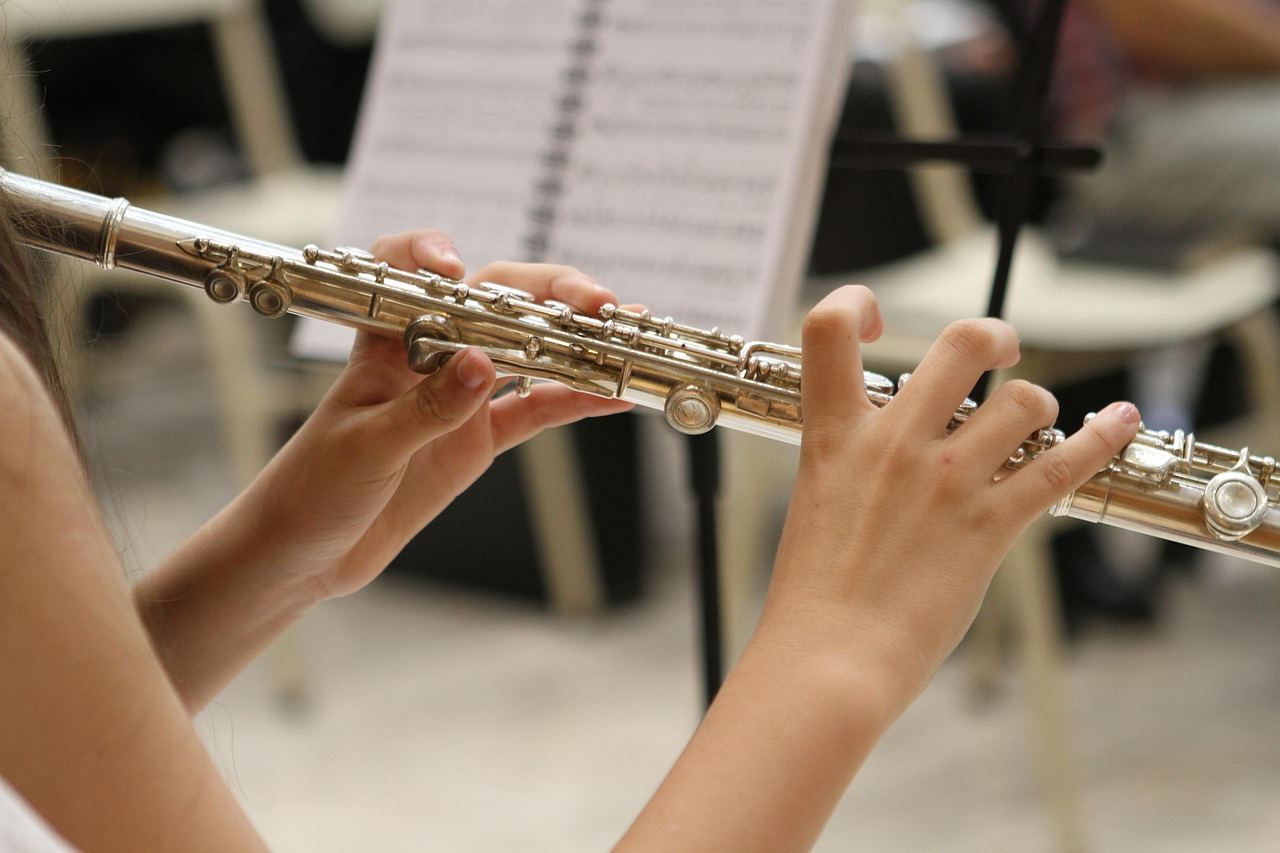
The flute is often dismissed as a soft background instrument, but it's actually the loudest acoustic option for its size and demands complex control skills.
Learning to play the flute as a beginner opens up a world of musical expression through the unique technique of blowing air across an embouchure hole to produce sound — no reed, no buzz, just airstream physics.
Unlike clarinet or saxophone, the flute is open at both ends, meaning tone quality depends almost entirely on your breath control and lip angle, not a vibrating piece of wood.
In flute practice, you engage in structured sessions that last 10-25 minutes, where you focus on breath control, tone production, and precise fingerings. You start by setting up your flute and checking your posture, perform warm-ups like long tones, and then practice scales, arpeggios, and articulation patterns. Sessions culminate in playing fun tunes or improvising, often with the aid of a metro…
Flute practice fosters a flow state through repetitive, progressively challenging exercises that provide immediate feedback on your performance. This results in skill feedback loops, where recording and analyzing your play leads to rapid error correction, a sense of accomplishment from measurable progress, and creative expression through improvisation, transforming routine into engaging experienc…
You think the flute is a background instrument. The one in the school orchestra that nobody really notices. Delicate, a bit fussy, definitely not for someone who wants to actually do something.
Flute playing actually demands intense physical control. Breath pressure, embouchure angle, and finger placement shift simultaneously. Your body learns all three at once, making it one of the most physically demanding wind instruments.
The flute is louder than it looks. Contrary to assumptions, it's the loudest acoustic instrument per unit of size. A flute piercing through an ensemble is unmistakable.
James Galway's path started with a tin whistle in Belfast. Moving to the flute felt natural because both require 'sculpting air.' The mechanics aren't passive; they demand an active engagement.
Trying this and wondering if you need lessons right away is a common thought.
Initial attempts at playing the flute can be shocking. Watching pros makes it seem simple: just a bit of breath and some finger action. The reality? A sound akin to a suffering tea kettle. Getting any musical sound feels distant at first, and that reality won't change as quickly as you'd like.
At first, you'll encounter more hisses than notes. Your lips will feel uncooperative, and your fingers will land on the wrong holes. Pointing the flute correctly feels mysterious as you try to align it properly.
Eventually, something changes. You hit a clear octave, and muscle memory begins to emerge. Playing "Hot Cross Buns" no longer feels like a crime against music. Your embouchure starts to feel familiar, like a part of you.
In the first week, you'll struggle more with embouchure than notes, making breathy or sharp sounds. By the second week, clearer tones emerge sporadically, and holding the flute seems like exercise instead of artistry. Simple fingering becomes less alien by the third week, although note transitions will stumble you. By week four, you've got some reliable notes and a slow, recognizable tune or two.
The flute's embouchure can drive you to quit— usually by day four. The novelty fades, and the sounds still embarrass. But stick with it. Mastery is close once muscle memory is in place; improvement is more sudden than gradual.
When to start: Early morning
Duration: 1 hour
Cost to try: $0
Success criteria: If you can produce 3 steady long tones and play one scale with even sound across all notes, do session 2.
The flute isn't a recorder. You don't blow into it; you direct air across the embouchure hole. This detail goes unnoticed by many beginners.
Aim your air downward at a 45-degree angle. Imagine slicing the hole in half with air. This focus sharpens your tone.
New players cover nearly the whole hole to make sound. This approach leads to a thin tone that never improves.
Roll the flute outward until only one-third is covered by your lip. The open portion is where your best tone lies.
Your left thumb tightens up quickly, and the jaw follows. Suddenly, your body fights the flute instead of playing it.
Every five minutes, consciously drop your jaw and relax your thumb. Avoiding tension preserves your tone and progress.
Many skip long tones and jump to scales. Without this, your core sound lacks stability, making further progress shaky.
Start sessions with five minutes on a single note like B-flat or A. Focus on holding it for four slow counts to find a clear, resonant sound.
Beginners blow harder to reach the second octave. This creates bad habits and poor sound control.
Master octave jumps with low D, E, and F. Increase air speed and narrow your lips instead of increasing volume.
Flute practice generally starts at home. A quiet room and your flute are all you need.
Community music centers and music schools offer group rehearsals. They provide space and often organize ensembles for players of all levels.
Tell the group leader you're looking to sight-read at a relaxed level. Beginners are usually welcome without needing to audition.
The piccolo is half the size of a standard flute and plays an octave higher. Ideal for marching bands or orchestras, it offers a sharp, piercing sound. Anticipate spending $150–$400 for a good student model.
The alto flute is longer and pitched lower than a standard flute. It produces a uniquely warm tone, unmatched by its smaller cousin. Perfect for jazz or chamber music enthusiasts, though it's not the best first buy, costing $500–$1,500.
The bass flute is pitched an octave below the concert flute, giving it a mellow sound. Ideal for ensemble players wanting to anchor the low end. Costs soar here, often exceeding $2,000.
The Irish flute, or simple system flute, is a keyless wooden instrument. It's tailored for traditional Irish and folk music. A must for folk enthusiasts, with entry-level models priced at $100–$300.
The concert flute, or Boehm-system flute, is the go-to for beginners. Start here before exploring variants. It's the standard in method books, tutorials, and beginner lessons.
Another variant that pulls from the same roots is Harmonica.
Acoustic Guitar lives in the same world — different mechanics, similar appeal.
Most beginners think that blowing harder will give them a fuller sound. It won't. The key is angle, not speed.
Embouchure direction control lets you consciously aim your air stream. You can direct it up, down, or straight across the embouchure hole—a 2–3mm shift changes everything. Tone, octave response, and whether a note speaks at all.
Mastering air direction makes octave jumps deliberate, not accidental. It stops surprise squeaks into the third octave.Without this control, you're straining your lips and jaw, which ruins tone and causes fatigue. It's not a skill problem; it's where the air lands.
Same notes. Same effort. Completely different sound from changing air direction.
Dedicate to 8 sessions over 30 days – around twice a week for 20–30 minutes each. This timeframe will help you overcome the initial hurdle of producing a consistent tone on a flute.
If you find yourself frequently picking up the flute even outside sessions, something deeper is at play. Flute players often feel an urge to make sounds, not just practice strictly. This is a clear indication it's time to dive into structured lessons and consider finding a teacher.
When you finish sessions without further thoughts about the instrument, it's a signal the flute isn't calling you. Try an additional four sessions with a song you're excited about. If that doesn't spark interest, it might mean your curiosity is surface-level.
Dreading each session means the flute isn't right for now. Not just because it's difficult, but because the inherent frustration lacks any undercurrent of curiosity. This signals it's time to consider other activities.
If you find yourself rewinding a song to catch a flute line, take note. This isn't usual music enjoyment; it's the flute capturing your attention, signaling genuine interest in exploring it further.
For a wider menu of options, see our list of hobbies.
Still looking for something to do? Browse things to do when bored for more ideas.
Most beginners can play simple melodies within 2–3 months with consistent practice of 20–30 minutes daily. Reaching intermediate proficiency typically takes 1–2 years, depending on your practice frequency and natural aptitude.
Student flutes range from $150–$400, offering good quality for beginners. Intermediate and professional flutes cost $500–$2,500+, with higher-end instruments providing superior tone and durability as your skills advance.
The flute has a moderate learning curve—easier than some instruments like violin or oboe, but harder than ukulele or recorder. The main challenges are producing a clear tone and coordinating finger movements, both of which improve quickly with practice.
Begin with a quality student flute and consider taking lessons with a qualified instructor, either in-person or online, to develop proper embouchure and technique from the start. Pair instruction with a beginner method book and daily practice to build foundational skills efficiently.
Absolutely—many adults successfully learn flute at any age. Adults often progress quickly because they bring discipline and patience to practice, and you'll find adult beginner groups and community bands that welcome new players.
Flute is versatile across classical, jazz, folk, pop, and world music genres. Its expressive range and technical agility make it suitable for solo performances, orchestras, chamber ensembles, and contemporary music projects.