BoredomBusted — Find Your Next Favorite Thing To Do
Discover hobbies, activities, places, and ideas that spark joy. Whether you're looking for something creative, active, social, or relaxing, BoredomBusted helps you find your next favorite thing to do.
Browse our hobby guides, things-to-do collections, and place ideas to never be bored again.
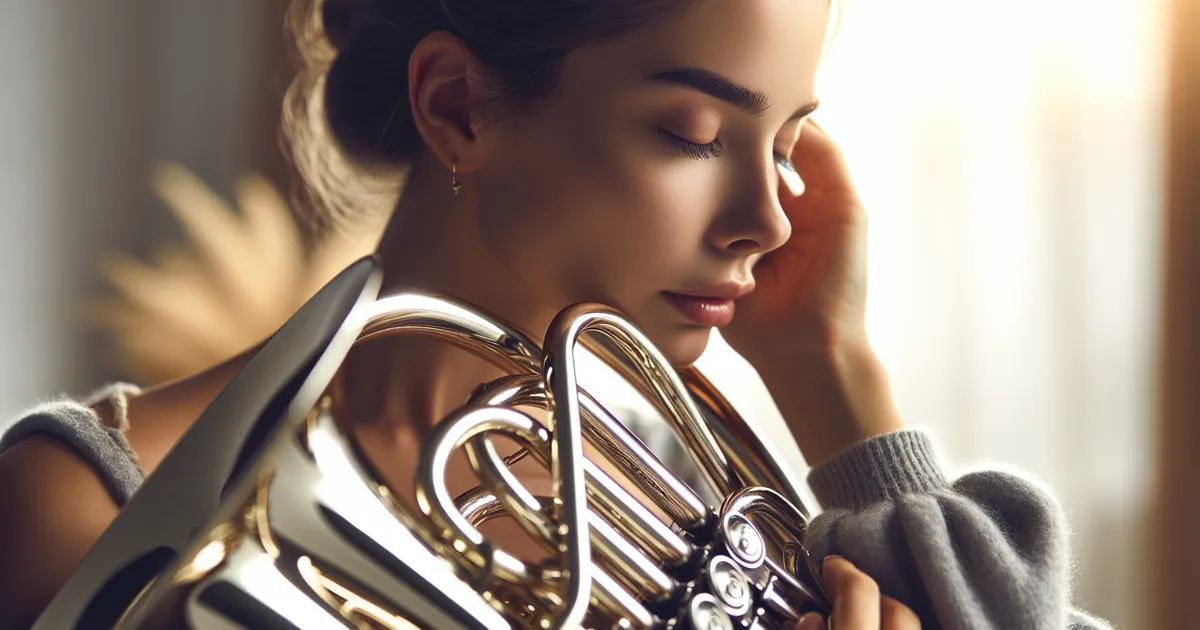
The French horn isn't just a background instrument; it demands pitch intuition and negotiation skills that can reshape your entire musicality.
Learning to play the French horn as a beginner can be an enriching experience, requiring you to buzz your lips into a mouthpiece while using your right hand inside the bell to shape tone and pitch.
Unlike trumpet, or trombone, it wraps into a coil, demands extreme control over a very narrow mouthpiece, and produces a uniquely warm, layered sound that sits between brass and woodwind in most ensembles.
Practicing the French Horn involves structured repetition of exercises such as long-tone warm-ups for breath control, harmonic series work to improve coordination, lip slurs for flexibility, and scales with varied tonguing patterns to develop technical skills. Sessions are organized into focused blocks, typically incorporating warm-ups, targeted technical work, and cool-downs, allowing for both p…
The French Horn practice creates a self-reinforcing feedback loop through measurable skill improvement during structured exercises, which keeps engagement high and fosters motivation to expand practice. Immediate somatic feedback from the instrument enhances this experience, making it clear when technique is correct and providing a sense of accomplishment through daily practice.
You might think the French horn is just part of the background noise in orchestras.
Its reputation undersells its complexity and expressive power. Most people expect it to be different, not unknowingly challenging.
The French horn demands you find the notes yourself; it boasts the largest pitch range of any brass.
Its tone unites brass and woodwinds, not just as decoration, but at the heart of music's harmony.
A pro horn player once said you're not playing it, you're negotiating with it. Every session involves your air, your embouchure, and a communicative tube with opinions.
This constant negotiation means beginners often quit by the second month, or become utterly captivated.
The real question is which path you'll take—let's ensure it's the latter.
Watching someone play the French horn looks effortless. But picking it up yourself is another story. The mouthpiece is as small as a dime, and your lips are clueless at first.
The gap between watching and playing is wider than you expect.
Confident at first, you might start by making a confused buzz or airy nothing. An accidental note will surprise you. By minute twelve, your lips are sore.
In the first couple of weeks, producing a consistent tone feels elusive. Most attempts lead to a wheeze, a splat, or silence. Eventually, a few pitches become semi-reliable, but switching between them still feels like guessing.
Your embouchure starts to have muscle memory around week three. It's still unreliable, but a foundation is forming.
Finally, you might play something that briefly sounds like real music. That moment will surprise you as much as it encourages you.
It's not failure if your playing feels unpredictable. Everyone experiences this before their embouchure clicks. Those who persist past this stage are the ones performing beautifully now.
The French horn is a transposing instrument. Most beginner sheet music is written in F.
Focus on playing by ear first. Match pitches vocally, then let notation catch up as you grow more comfortable with the instrument.
When to start: Morning
Duration: 1 hour
Cost to try: $10
Success criteria: If you can hold 3 centered long tones for 8 seconds each and match a tuner within 10 cents, do session 2.
The horn's small mouthpiece feels unstable. Beginners press harder to compensate. That tension kills your range before you even develop one.
Practice long tones with one finger lightly touching your face. If the mouthpiece moves, you're using pressure instead of air.
Nobody shows you bell angle in the first lesson, so beginners hold the horn like a novelty prop.
Rest the bell on your right thigh at roughly a 45-degree angle. This stabilizes the instrument and lets your embouchure do its job.
The right hand isn't just resting in the bell. It changes pitch, tone, and intonation. A flat palm versus a curved one produces a noticeably different sound.
Curve your hand like you're holding a small orange. Keep the knuckles near the bell wall to open up the tone.
Horn music switches clefs and transpositions depending on the era, and beginners try to crack all of it at once.
Start exclusively in B♭ treble clef. Use a method book like Pottag-Hovey to nail one transposition cold before jumping to others.
Lip slurs seem boring and pointless. They don't sound like music, and nothing about them feels rewarding at first.
Do them anyway. Five minutes of daily lip slurs builds the valve-free flexibility crucial for long-term progress.
French horn players practice wherever they can find space. Common spots include homes, school music rooms, or local bands.
Community centers and music schools often rent practice rooms by the hour.
When you join a group, say you're returning to the instrument or just starting out. Conductors usually help connect you to the right tier and can introduce you to a section leader who might recommend a teacher.
Not all French horns are equal. Here's what actually matters
Single horns in F come with one set of tubing and one key, making them mechanically simple and lighter. They're ideal for beginners and young players. Prices range from $500 to $1,500, making mistakes less costly than on a $2,000 double.
Double horns in F/B♭ are standard professional instruments with two horns in one, switchable via a thumb valve. The B♭ side offers more reliable high notes, making it perfect for intermediate players. Expect to pay between $2,000 and $8,000+.
Triple horns add a high F valve to the double horn. They're heavy, costly, and suitable for advanced players specializing in demanding orchestral music like Mahler or Strauss.
Descant horns, usually in B♭/high F, excel in the high range where the standard horns falter. They're perfect for period performance enthusiasts or principal roles, not first or second horn players.
The mellophone is technically different but often favored by French horn players for marching band. It projects better outdoors and uses a V-shaped mouthpiece, though it won't feel like a concert horn.
Classical Guitar lives in the same world — different mechanics, similar appeal.
Recorder is a sibling pursuit and often surfaces the same kind of curiosity.
Audiation is the art of hearing the note before you play it. Beginners focus too much on embouchure tension or finger positions. Those are surface issues. The real problem? Lack of audiation.
Internal hearing directs your body position. The French horn is unforgiving. One valve combo can lead to multiple notes. Only your ear ensures you hit the right one.
Without this skill, you're guessing. That leads to the cracking and missing of notes you've practiced a hundred times. The early plateau isn't embouchure trouble; it's an ear issue masquerading as one.
Twelve sessions over 30 days. That's about three times a week, allowing you to navigate the initial embouchure hurdles without over-committing.
If you find yourself picking up the horn between sessions, that's your clue.
You're experimenting, aiming for that elusive note, or watching orchestral performances with a newfound interest. You're hooked. Move forward by signing up for lessons and consider investing in a proper instrument.
If there's no excitement or disdain, you might be enamored with the sound more than the playing. Add two more weeks to see if you feel a physical connection—the horn's vibrations in your hands, the tone filling the air.
Still nothing? Let it go.
If you dread each session, that's a clear sign. The reality of brass instruments is a demanding start; if it feels repulsive, this might not be your hobby.
The unmistakable sign: hearing a French horn resonates physically—deep in your chest, not just your ears.
This visceral reaction is rare and often a tell-tale sign of lasting passion.
Still looking for something to do? Browse things to do when bored for more ideas.
Most beginners can produce basic sounds within a few weeks, but it typically takes 1–2 years of consistent practice to play simple melodies competently. Reaching intermediate proficiency (ability to play in an ensemble) usually requires 3–5 years of dedicated study.
Yes, French horn is considered one of the more challenging brass instruments due to its narrow mouthpiece, complex valve system, and sensitive intonation requirements. Even small changes in embouchure or air pressure can significantly affect pitch, making precision and control essential.
Student models typically range from $800–$2,000, intermediate horns from $2,500–$5,000, and professional-grade instruments from $5,000–$15,000 or more. Beginners should start with a decent student model, which offers good playability without the investment of a professional instrument.
You need good breath control, strong embouchure muscles, and hand dexterity to operate the valves smoothly. The instrument demands coordination between your lips, air pressure, and fingers to achieve proper intonation and tone quality.
Absolutely—many adults start learning French horn successfully. While children may have some advantages in muscle development and practice consistency, adult learners often progress well with dedicated practice and good instruction, typically seeing solid results within 6–12 months.
The French horn produces a warm, mellow tone that blends beautifully with other instruments, making it ideal for orchestral and chamber music. Its unique sound comes from the long, coiled tubing and wide bell, which create rich harmonics that are distinctly different from other brass instruments.