BoredomBusted — Find Your Next Favorite Thing To Do
Discover hobbies, activities, places, and ideas that spark joy. Whether you're looking for something creative, active, social, or relaxing, BoredomBusted helps you find your next favorite thing to do.
Browse our hobby guides, things-to-do collections, and place ideas to never be bored again.
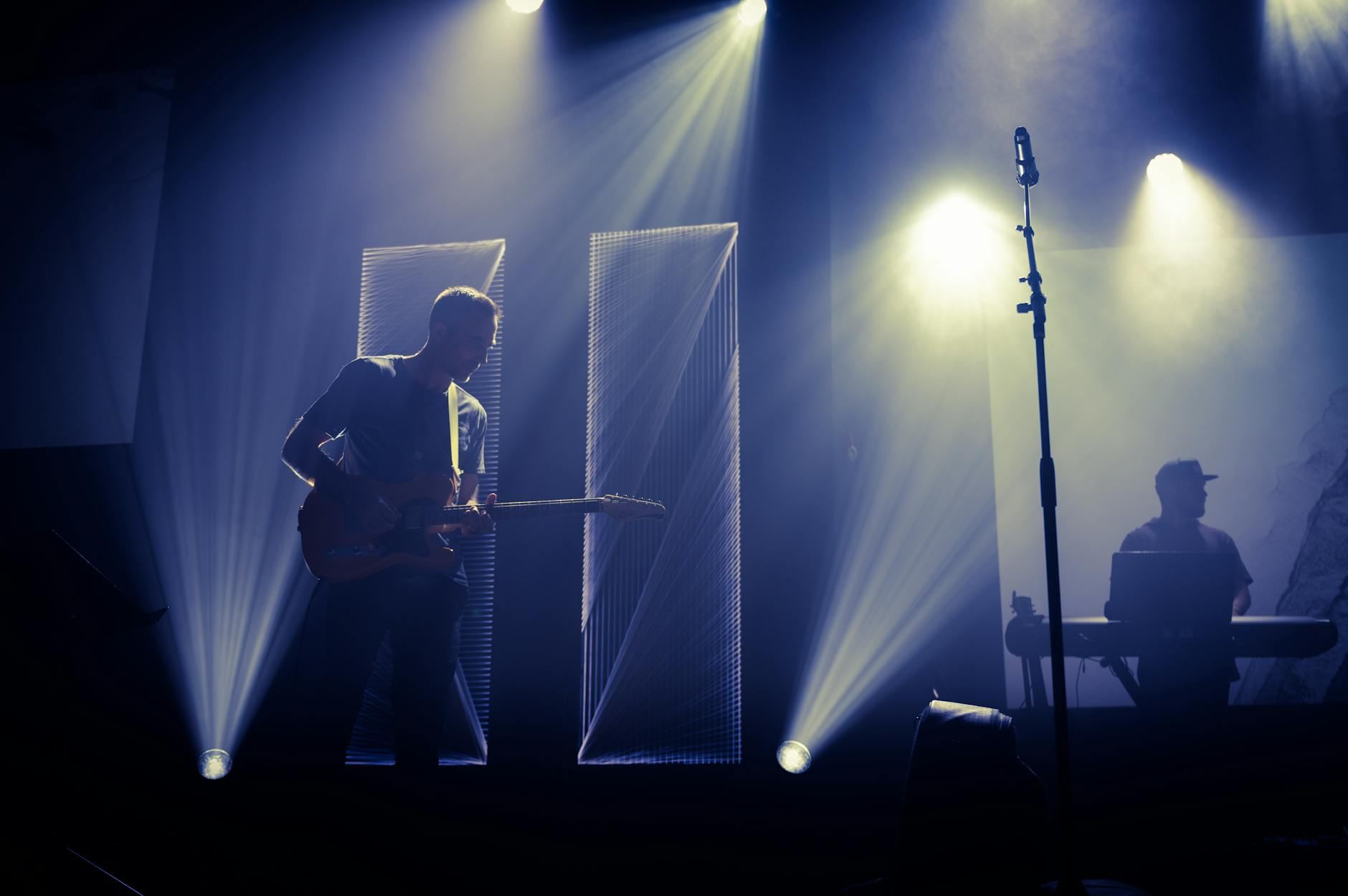
Many believe talent is the path to music performance success — surprise: it's actually passion and dedicated practice that make the real difference.
Learning music performance as a beginner focuses on the essential skills needed to bring sounds to life. You can do this with an instrument, your voice, or even in an ensemble.
It's more than just skill. Emotional expression and connecting with an audience make the magic happen.
Engaging in music performance involves structured practice that includes warming up with scales and arpeggios, learning new pieces through focused technical work, maintaining previously learned music, and exploring improvisation or jamming for enjoyment.
Music performance fosters goal-directed progression, providing measurable feedback through daily practice, which enhances a sense of achievement. The variety of activities within practice keeps engagement high, while social connections through shared progress cultivate belonging, preventing monotony and boredom.
You assume performing music is all about raw talent.
But take Billy Joel, for example. He's known for his extraordinary skill, but he attributes his success to relentless practice. Practice and passion drive real progress, with talent playing a smaller role.
Music isn't just sound; it's a story. Performers who connect emotionally with their music make a real impact. Their authenticity reaches the audience.
A performance lives on the emotional plane. While technique supports this, a heartfelt connection transforms a good performance into an unforgettable experience.
The first time you step into that practice room, you might feel both excited and nervous. The space is small, and your instructor might be beside you, offering guidance.
Awkward moments are inevitable. Fumbling with notes or vocal pitches happens to everyone. It's how every musician begins.
Soon enough, you'll start grasping the basics much faster than you'd expect. The thrill of hitting the right note keeps you motivated and eager to continue exploring music.
When to start: Morning
Duration: 30 min
Cost to try: $0
Success criteria: If you can tune your instrument, play one simple song start to finish twice, and fix at least one trouble spot on the second try, do session 2.
Beginners often slouch or twist awkwardly. It feels natural at first. But poor posture causes strain and limits performance.Keep a straight back and relaxed shoulders to avoid injury. This enhances your playing or singing.
Skipping warm-ups is tempting when you're eager. This mistake can cause injury and impact your performance.Take a few minutes to prepare your body and mind. Simple exercises can make a big difference.
Perfect technique alone won't move your audience. Focus only on scales, and your music becomes robotic.Blend technique with personal style and emotion. Your unique touch brings life to the music.
Rookies often focus only on their own playing. They ignore the rich learning from listening.Listen to other musicians and recordings. This builds context and improves your skills.
r/WeAreTheMusicMakers on Reddit is a solid first stop — post a rough recording and you'll get real feedback fast. For genre-specific conversation, communities like r/guitar, r/singing, and r/piano each run active weekly threads for beginners.
The fastest path to real-world connection is showing up at an open mic night. You don't have to perform. Most venues — bars, coffee shops, community theaters — run them weekly, and the crowd is almost always other musicians. Local music schools and community centers also run ensembles and group classes where regulars form quickly.
Performing solo means it's all about you. For anyone who enjoys being center stage and showing personal style, this is your scene.
Playing in an ensemble is about teamwork. If you love collaborative energy, this is where you belong.
Choral singing means collective power through voices. It's for those who cherish harmony and a strong community vibe.
Jazz improvisation offers creative freedom. For those who love to explore and push musical limits, this is your playground.
Readers who enjoy this often gravitate toward Vocal Training next.
Acoustic Guitar is a sibling pursuit and often surfaces the same kind of curiosity.
A close neighbor worth considering: Bassoon.
Listening deeply sets great musicians apart. It's more than knowing your part; it's about understanding where you fit in the symphony.
Listening means grasping dynamics, tempo, and the emotional arc of the piece. It's your gateway to adapting styles and collaborating smoothly with others.
Hone your listening skills, and you'll anticipate changes smoothly.
Reacting in real-time transforms your performance into a cohesive and engaging experience.
Next, discover the subtle art of timing that elevates a performance.
Practice three times a week over the next month. Space out sessions to allow reflection between them.
If you find yourself eagerly anticipating each practice and lose track of time while playing, you're in. Start booking a small local gig to channel that spark into a performance environment.
If sessions feel like something to check off your list, that's a sign. Experiment with a different genre or simplify your practice pieces before concluding it's not for you.
If dread accompanies every practice, that's clarity. Some enjoy listening to music far more than playing it themselves, and that's perfectly valid.
The one sign you shouldn't ignore: you're browsing sheet music at midnight without any prompting.
Want broader ideas first? Our list of hobbies gives you the lay of the land.
Not ready to pick a hobby yet? The boredom busters page has smaller things to try first.
Most beginners can perform simple pieces within 3–6 months of regular practice, though mastering technique typically takes 1–2 years. The timeline depends on your instrument choice, practice frequency, and musical goals—consistent daily practice accelerates progress significantly.
Guitar, ukulele, and piano are popular starter instruments because they're intuitive, affordable, and have abundant learning resources. Choose based on the sound you enjoy and your lifestyle—guitar is portable, piano builds foundational music theory, and ukulele has the gentlest learning curve.
Initial costs range from $100–$500 depending on your instrument, with ukuleles and keyboards on the lower end and acoustic guitars in the mid-range. Budget for lessons ($15–$60 per session) and basic accessories, though many resources online allow self-teaching to save money.
You can absolutely teach yourself using online tutorials, apps, and books—many successful musicians are self-taught. However, a few lessons with a teacher can correct bad habits early and accelerate your progress, especially in the first 2–3 months.
Expect nerves, but remember that most musicians focus on their own playing rather than judging others. Start with supportive environments like open mics, local jam nights, or playing for friends—these low-pressure settings help build confidence before larger audiences.
Yes, many bands welcome beginners willing to learn and commit to practice—you'll grow faster playing with others. Start by learning 2–3 songs thoroughly, communicating your skill level openly, and practicing consistently with your bandmates.