BoredomBusted — Find Your Next Favorite Thing To Do
Discover hobbies, activities, places, and ideas that spark joy. Whether you're looking for something creative, active, social, or relaxing, BoredomBusted helps you find your next favorite thing to do.
Browse our hobby guides, things-to-do collections, and place ideas to never be bored again.
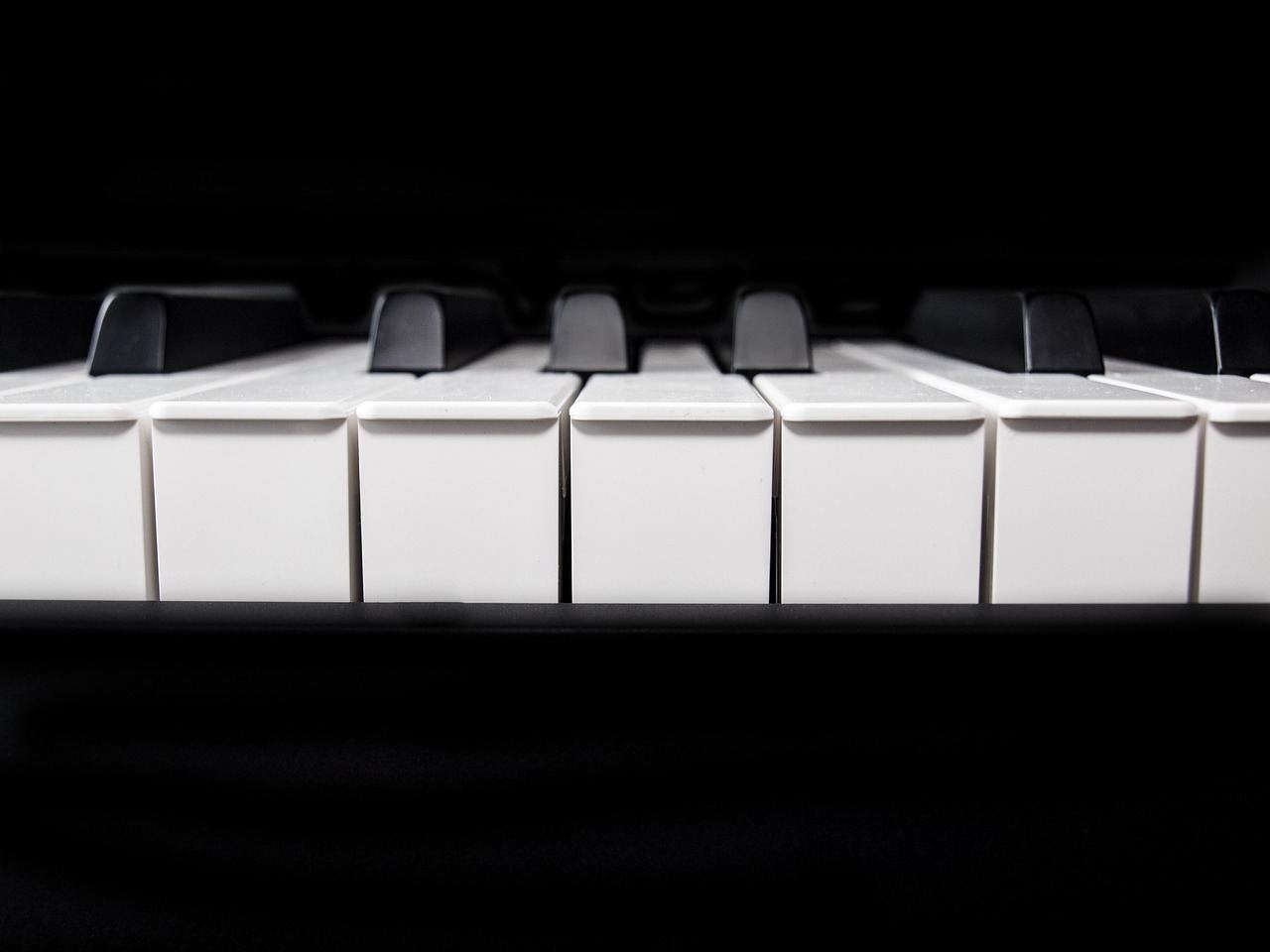
Piano isn't just for classical aficionados — it’s a gateway to jazz, pop, rock, and you can start learning at any age.
Learning piano as a beginner opens up a world of musical expression through the simple act of pressing keys on a keyboard.
It sharpens your mind and enriches your soul. Practice and patience lead to an ear for music.
Play classical pieces or modern tunes. Piano suits every taste and skill level.
In piano practice, you engage in focused sessions where you perform technique drills, execute finger exercises, learn songs in segments, and incorporate creative elements like improvisation, all while manipulating the keys with deliberate movements to build muscle memory and cognitive skills.
Piano practice induces a flow state through repetitive tasks that balance challenge and skill, while instant feedback from playing allows for quick adjustments, fostering a sense of accomplishment as you progress through structured learning milestones and creative exploration.
You might think the piano is only for classical music lovers. But it's a versatile instrument with a place in jazz, pop, rock, and blues.
Experimentation across genres is where the real fun lies. Exploring different sounds and techniques makes it an exciting hobby for diverse musical interests.
Learning piano isn't just for kids or those who start young. Many adults discover joy in picking up the piano later in life. With adult-focused resources and flexible learning options, you can start playing at any age.
Your first time sitting at the keys, everything feels slightly wrong. Your fingers are too stiff, your wrists hover at an awkward angle, and the distance between notes looks manageable until your hand actually tries to span it. The physical reality of piano is humbling in a way no tutorial video prepares you for. You'll press a key expecting a clean tone and get something hesitant and uneven instead.
The part that catches most beginners off guard is the split-brain problem. Your left and right hands need to do completely different things at the same time. Practicing each hand separately feels like cheating — until you try combining them and realize why it's necessary. It's genuinely disorienting at first, and the frustration is real.
Progress in those first sessions isn't linear. You'll nail a four-bar passage cleanly, then lose it completely the next day. Muscle memory is being built even when it doesn't feel like it — the repetition is doing work underneath the surface, whether your hands are cooperating or not.
Give it a few sessions and small moments start clicking — a chord transition that finally lands smooth, a melody line that flows without you counting out loud. Those moments are worth chasing. The early wins are small, but they're concrete proof you're moving forward. Before you get there, though, there are a handful of beginner mistakes that quietly slow everything down — and knowing them in advance saves you weeks of frustration.
When to start: Early morning
Duration: 1 hour
Cost to try: $0
Success criteria: If you can play your beginner piece slowly with the metronome and keep the notes and rhythm aligned through the full song, do session 2.
Most beginners convince themselves they need a weighted, full-size piano before they can properly learn. So they wait. Weeks turn into months and they never actually start.
A basic 61-key digital keyboard is enough to learn foundational technique, hand coordination, and your first songs. Start on whatever you have access to, then upgrade once you know the habit is sticking.
This one is extremely common. You sit down, start from bar one, nail the opening, then fall apart somewhere in the middle. So you restart. You end up with one polished intro and a mess after that.
Isolate the hard section and repeat only that part until it clicks. Ten slow repetitions of the tricky four bars will do more for you than running the whole piece twenty times.
Speed feels like progress. It isn't. Playing fast before the notes are locked in just drills mistakes into your muscle memory. You're essentially practicing getting it wrong.
Learn every new piece at half tempo first. Your fingers need to know exactly where to go before speed becomes relevant. A metronome set slow feels awkward — that's the point.
Jumping straight into two-handed playing before each hand knows its own part is one of the fastest ways to get frustrated and quit. Your brain can only handle so much at once.
Work through each hand alone until the movements feel automatic. Only combine hands once each one can play its part without you actively thinking about it. This approach feels slower but gets you to fluency faster.
You don't need a music degree. But skipping theory entirely means you'll always be copying patterns without understanding them. Every song becomes a memorization task instead of something you can figure out.
Learning just three things — major scales, basic chord shapes, and how keys relate — will transform how quickly you pick up new songs. Fifteen minutes of theory a week compounds fast.
Start with r/piano on Reddit — it has over 400,000 members posting everything from beginner questions to performance recordings. r/LearnPiano is smaller but more focused on the practical side of learning.
For in-person connection, local music schools and community colleges almost always host group piano classes and recitals open to the public. These are easy entry points where you'll meet people at your exact level.
Flowkey and Simply Piano both have active user communities built into their platforms. You can share progress, compare repertoire, and get feedback from other learners at similar stages.
Facebook Groups like "Adult Piano Learners" have tens of thousands of members. They post short videos, ask questions, and share wins without the pressure of a performance setting.
Search Meetup.com for piano or keyboard groups in your city. Many areas have casual "music jams" at community centers, coffee shops, or music stores where pianists are welcome.
The single most useful move: contact your nearest music store and ask if they host open mic nights or student features. These events put you in the same room as players of every level — and the staff usually know every serious pianist in the area.
This is the most popular starting point. You pick a song, learn it in pieces, and gradually stitch it together. No theory required upfront.
It's ideal for self-taught beginners who need a clear, motivating goal from day one. Apps like Simply Piano and Synthesia are built exactly for this approach.
Classical piano means scales, technique drills, sheet music, and a structured repertoire. It takes longer to see results but builds a deep foundation.
This path suits people who want to understand music deeply, not just play it. A teacher helps enormously here — the feedback loop is hard to replicate solo.
Jazz piano is its own world. You learn chord voicings, scales, and rhythmic patterns — then use them to make things up on the spot.
If following a fixed score feels restrictive, jazz gives you a framework to play freely within. Some music theory knowledge helps, but your ear does most of the heavy lifting.
Piano is one of the best instruments for songwriting and composition. You can see the full harmonic structure of a chord right in front of you.
Composers and producers use piano as a creative sketchpad, even if it's not their primary instrument. A basic digital keyboard plugged into recording software is all you need to start.
Not everyone wants to perform or master the instrument. Some people sit down, play simple pieces, and use it as a way to decompress. That's a completely valid version of this hobby.
Casual players often stick to a small repertoire they genuinely enjoy, returning to the same songs the way others return to a favorite book. No goals required.
Some of the same instincts show up in Guitar — worth a look if this clicked.
Some of the same instincts show up in Classical Guitar — worth a look if this clicked.
The skill that separates people who improve from people who plateau is deliberate repetition of small segments — not running through a piece start to finish.
Most beginners practice by playing a song from the top, stumbling at the hard part, then starting over. That loop feels productive. It isn't. Your hands only build muscle memory around the mistakes you keep making.
The fix is brutal in its simplicity. Isolate the four bars giving you trouble. Slow them down until every note lands cleanly. Then repeat — not until you get it right once, but until you can't get it wrong. That's the moment muscle memory actually forms. It's unglamorous work, but it's what practice actually is.
Once you understand this, the next question is what to practice first — and that's where choosing the right pieces and exercises makes all the difference.
Sit down at a piano or keyboard four to five times over the next month — roughly once a week, with a session or two closer together. Keep each session to twenty or thirty minutes.
You lost track of time. Your fingers kept moving even after you told yourself to stop. That's the flow state kicking in — and it means the piano has already found its place in your routine. Start learning a short piece you actually like, and look into a structured beginner method book or a lesson series to build technique alongside the songs.
Nothing went wrong — you just weren't pulled in. Before walking away, try playing music you already love instead of beginner exercises. Generic drills are a terrible introduction to an instrument that rewards personal taste.
Pick a song that actually means something to you and learn just the first eight bars. If that still leaves you cold, the piano probably isn't the outlet you're looking for right now.
The friction wasn't about difficulty — you just didn't want to be there, and that's useful information. Piano rewards people who find something meditative about focused, repetitive practice. If that sounds like a slow form of punishment, a more physically active or immediately social hobby will serve you better.
Consider something with faster visible output — drawing, woodworking, or even a band-based instrument where group energy carries you through the early stages.
You hear a song somewhere — a café, a film, a playlist — and your fingers start tracing the melody on your thigh or the nearest flat surface without you deciding to do it. That involuntary response is the clearest signal there is.
Looking for something lighter? Our boredom-busters guide is built for exactly that.
Basic competency typically takes 3–6 months of consistent practice, while playing simple songs takes 2–3 months. Becoming proficient enough to play a variety of pieces fluently requires 1–2 years of dedicated practice.
A beginner-friendly keyboard or digital piano ranges from $100–$500, while acoustic pianos start around $2,000–$5,000. Many beginners rent or buy used instruments to reduce initial costs before committing long-term.
You can start learning piano at any age—there's no upper limit. Many successful pianists began as adults, and learning benefits cognitive function, memory, and coordination regardless of age.
While reading sheet music is helpful, it's not essential to start. Many beginners learn by ear or use visual guides, though learning to read music within the first few months opens up significantly more songs and learning resources.
Beginners should aim for 20–30 minutes daily to see steady progress, though even 15 minutes is beneficial if consistent. More frequent, shorter sessions are often more effective than occasional long sessions for skill development.
Piano enhances cognitive abilities, hand-eye coordination, memory, and concentration while providing emotional stress relief and creative expression. Studies show it particularly benefits children's mathematical and reading skills.