BoredomBusted — Find Your Next Favorite Thing To Do
Discover hobbies, activities, places, and ideas that spark joy. Whether you're looking for something creative, active, social, or relaxing, BoredomBusted helps you find your next favorite thing to do.
Browse our hobby guides, things-to-do collections, and place ideas to never be bored again.
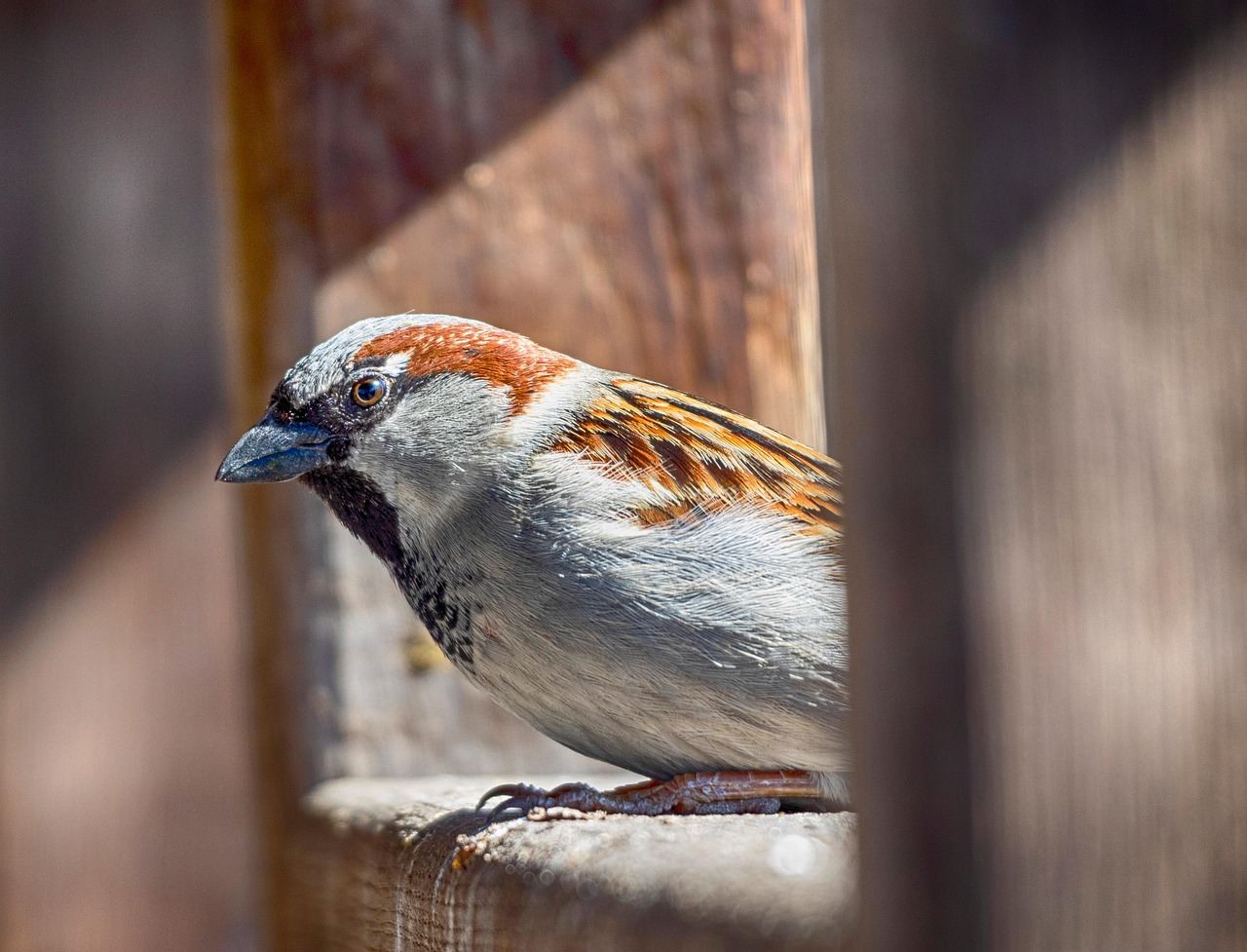
Birding isn't just for experts or those with fancy gear — it's an open invitation to anyone curious about nature, no experience needed.
Getting started with birding as a beginner opens up a fascinating world of observing and studying birds in their natural habitats. It's a hobby for observing and studying birds wherever they live.
You'll pick up on calls, recognize species, and watch fascinating behaviors.
Birding involves actively observing wild birds in their natural habitats, using binoculars to identify species based on size, shape, plumage, and behavior. Birders often note their sightings in a notebook or app, tracking details like location and time while exploring diverse environments such as parks and wildlife refuges. This practice includes both slow walking and standing still, requiring pa…
Birding alleviates boredom by creating a flow state through immersive observation, offering incremental skill feedback as birders improve their identification abilities. The sense of accomplishment from logging species and the novelty of different habitats maintain engagement, while social interactions in clubs enhance motivation and a sense of belonging, effectively countering feelings of idlene…
You think birdwatching is a hobby for people with fancy binoculars and encyclopedic bird knowledge.
Picture Tim, a college student who started birding on a whim. Armed only with a simple field guide and enthusiasm, he's spotted over 50 bird species around his campus.
The gear and expertise myth is a smokescreen. Birdwatching is about patience and curiosity — not a bank-breaking investment or piles of facts.
Curious about where to begin? Let's explore starting points for new birders.
Your first birding session will probably feel quieter than you expected. You're standing still, binoculars around your neck, scanning a tree line — and nothing moves. The birds are there. You can hear them. But finding a sound in a bush and turning it into an actual bird you can see? That gap between hearing and seeing is the first real wall beginners hit. Your ears and eyes aren't used to working together like this yet.
The binoculars add another layer of friction. Getting them up, finding the bird, and focusing — all before it flies off — takes more coordination than it sounds. Early on, you'll raise them to an empty branch more times than you can count. Most beginners don't expect the physical awkwardness, and that catches them off guard more than anything else. It's a skill your hands genuinely need to practice.
Then there's identification. A brown bird lands nearby and you flip through your field guide — but suddenly every page looks like the same brown bird. Size, shape, and behavior matter as much as color, and your eye hasn't learned to clock those details automatically yet. The first few sessions aren't about logging species — they're about training your attention. That shift in expectation makes those sessions feel far less frustrating.
Something does click, though — usually around the third or fourth time out. A bird holds still long enough. The binoculars land on it fast. You match what you see to a page in the guide, and the ID sticks. It's a small win, but it lands hard. That first clean identification is what turns a frustrating new habit into something you'll actually keep doing. Before you get there, though, a few rookie mistakes will slow you down — and knowing them in advance saves you a lot of wasted time.
When to start: Early morning
Duration: 1-2 hours
Cost to try: $0
Success criteria: if you finished without identifying at least 3 different bird species, do session 2.
It feels logical: buy the binoculars, then go birding. But most beginners overspend on optics before they know what habitat they'll be birding in, how often they'll go, or whether they even like it yet. You end up with $300 binoculars gathering dust.
Start with a borrowed pair or a budget option under $50. Give yourself 6–8 outings before spending real money on gear. By then, you'll know exactly what you want — and what was just marketing.
New birders often treat every outing like a quiz they need to ace. A bird flickers past and they scramble through their field guide for ten minutes, frustrated when they can't pin it down. This turns a relaxing walk into a stressful exercise in failure.
Focus on learning 10–15 common local species really well before chasing everything. Knowing a house sparrow cold means you'll notice the moment something different shows up. Depth beats breadth early on.
Most birds you hear before you see them. Beginners who skip learning calls spend their time staring into dense foliage at nothing. They miss half of what's actually around them and wonder why their sightings feel sparse.
Apps like Merlin Bird ID have a Sound ID feature that identifies calls in real time. Spend five minutes each session just listening before you start scanning with binoculars. Your ears will start doing work your eyes can't.
A midday birding trip in summer often yields almost nothing. Birds are most active in the first two hours after sunrise — they're feeding, singing, and moving. Go out at noon and you'll mostly find empty branches and a frustrating stillness.
Early morning outings — even just once a week — will completely change how much you see. It's the single highest-return adjustment a beginner can make. No extra gear required.
Birding isn't hiking with binoculars. Beginners cover too much ground and wonder why they're not spotting much. Birds detect movement and go quiet when something large is crashing through. You're scaring off the very thing you came to see.
Pick one spot, stop completely, and wait at least 10 minutes before moving on. Birds return to normal behavior faster than you'd think. Stillness is your best tool — and it costs nothing.
Start with r/birding on Reddit — it's one of the most active birding communities online. Post a photo of a bird you can't identify and you'll usually have an answer within the hour.
The Cornell Lab of Ornithology runs eBird, which doubles as a social network for birders. You can follow local birders, see what's been spotted near you, and find hotspot locations like nature reserves, wildlife refuges, and migratory flyways that birders frequent.
The American Birding Association maintains a searchable directory of local bird clubs across the US. Most clubs run regular weekend walks at nature preserves, wetlands, and state parks — free to join as a guest.
Meetup.com also lists birding groups in most mid-to-large cities. These tend to be casual, no-expertise-required outings. Showing up to one group walk will teach you more than a month of solo birding.
Casual backyard and neighborhood birding is exactly what it sounds like. You step outside, look around, and see what shows up.
This is the easiest entry point into the hobby — no travel, no special gear, no pressure. A feeder by a window or a slow walk around the block is enough to get started.
Listers keep a running count of every species they've confirmed. Some track a life list — every bird they've ever seen. Others focus on a single year, state, or county.
The list is what drives you. Each new species is a small win, and the running tally gives the hobby a structure that keeps momentum going.
Birding by ear means identifying species through their calls and songs instead of sight. Many birds are hidden in dense foliage — their voices are the only clue you get.
This style rewards people who enjoy a steeper learning curve and a slower, more meditative pace. It takes practice, but correctly identifying a bird you never even saw feels like a superpower.
Birding travel — sometimes called twitching — means planning trips around wildlife refuges, migration hotspots, or rare species sightings. The destination serves the birds.
This version suits people who want the hobby to double as an excuse to explore new places. A weekend trip to a coastal marsh hits differently when you're hunting for a species you've never logged.
Citizen science birding means logging your sightings into platforms like eBird, where your observations feed into real conservation research. Your data actually gets used.
This appeals to birders who want their hobby to matter beyond the moment. You're not just watching birds — you're building a record that scientists and conservationists rely on.
For something adjacent, see Camping.
If you want a related angle, Astronomy is the natural next stop.
If you want a related angle, Bass Fishing is the natural next stop.
The skill that separates improving birders from stuck ones is learning to look before you raise your binoculars.
Most beginners reach for their bins the moment they spot movement. By the time they focus, the bird is gone. Experienced birders do something different — they pause first and take in the whole picture. Size relative to a nearby branch. How it moves. Whether it hops or walks. Your naked eye picks up behavior and shape faster than any optic, and those two clues narrow down the species before you ever zoom in.
This sounds simple. It isn't, at first. It takes conscious effort to slow the reflex of grabbing your binoculars. But once you train yourself to read the bird's silhouette, its posture, the way it flicks its tail — identification stops feeling like guesswork. You're building a mental library of behaviors, not just memorizing markings from a field guide.
That mental library is what the next part of this guide is really about — building it faster by knowing exactly what to watch for in the field.
Give yourself four sessions over two weeks — two in a local park and two somewhere with different habitat, like a pond or a wooded trail.
You replayed a sighting on your walk home. You pulled out your field guide that evening not because you had to, but because you wanted to know. That pull toward identification — that low-grade itch to put a name to what you saw — is the clearest signal this hobby fits you. Start a life list, download eBird, and find your nearest Audubon chapter.
The walks were pleasant but forgettable. You noticed some birds, moved on, and didn't think about them again. Indifference after four sessions usually means the solo, slow-paced format isn't clicking — not that birding itself is a dead end. Try one outing with a local birding group before closing the door. A guide who can point out what you'd otherwise miss changes the experience completely.
Standing still in a field waiting for something to move felt genuinely frustrating — not meditative, just slow. Birding rewards patience, and if patience feels like a cost rather than part of the appeal, that's real information about how your brain works. Trail running, kayaking, or wildlife photography might scratch a similar nature itch while keeping you in motion.
You caught yourself checking a migration forecast or a local rare bird alert before bed — not for any reason, just because you were curious. That unprompted behavior is the hobby taking root.
For ideas that take five minutes instead of five weeks, see things to do when you're bored.
You can begin birding with just your eyes and ears, but binoculars are the most helpful tool for spotting distant birds and identifying details. A field guide (book or app) and a notebook for recording sightings are useful additions, but these items are optional when starting out. Many beginners spend $50–$150 on basic binoculars before investing in more specialized gear.
Most beginners can recognize 10–20 common birds in their area within a few weeks of regular practice. Building a solid foundation of identification skills typically takes 2–3 months of consistent observation, though becoming an expert takes years of dedicated study. The pace depends on how often you practice and the diversity of birds in your region.
Birding is one of the most budget-friendly hobbies available—you can start with zero investment and simply observe birds in your backyard or local parks. Optional purchases like binoculars, field guides, and camera equipment can range from minimal to significant, but they're never required. Many experienced birders spend very little annually once they have basic gear.
Early morning, typically from dawn to mid-morning, is ideal because birds are most active and vocal when looking for food. Late afternoon before sunset is also productive, while midday is generally quieter. Weather conditions and seasonal migration patterns also affect bird activity, so flexibility helps maximize your sightings.
No—birding is perfectly enjoyable as a solo activity, and many people start alone in their own backyard or neighborhood. Joining local birding clubs or group walks is optional but offers benefits like learning from experienced birders, discovering new locations, and building community. Both solo and group birding are equally valid ways to enjoy the hobby.
Backyard birding is a fantastic way to start and requires no travel—you can observe whatever species visit your feeders and natural landscape. Many dedicated birders enjoy a combination of backyard watching and exploring different habitats like parks, forests, and wetlands to see more variety. Your location determines which birds you'll encounter, but worthwhile birding exists everywhere.