BoredomBusted — Find Your Next Favorite Thing To Do
Discover hobbies, activities, places, and ideas that spark joy. Whether you're looking for something creative, active, social, or relaxing, BoredomBusted helps you find your next favorite thing to do.
Browse our hobby guides, things-to-do collections, and place ideas to never be bored again.
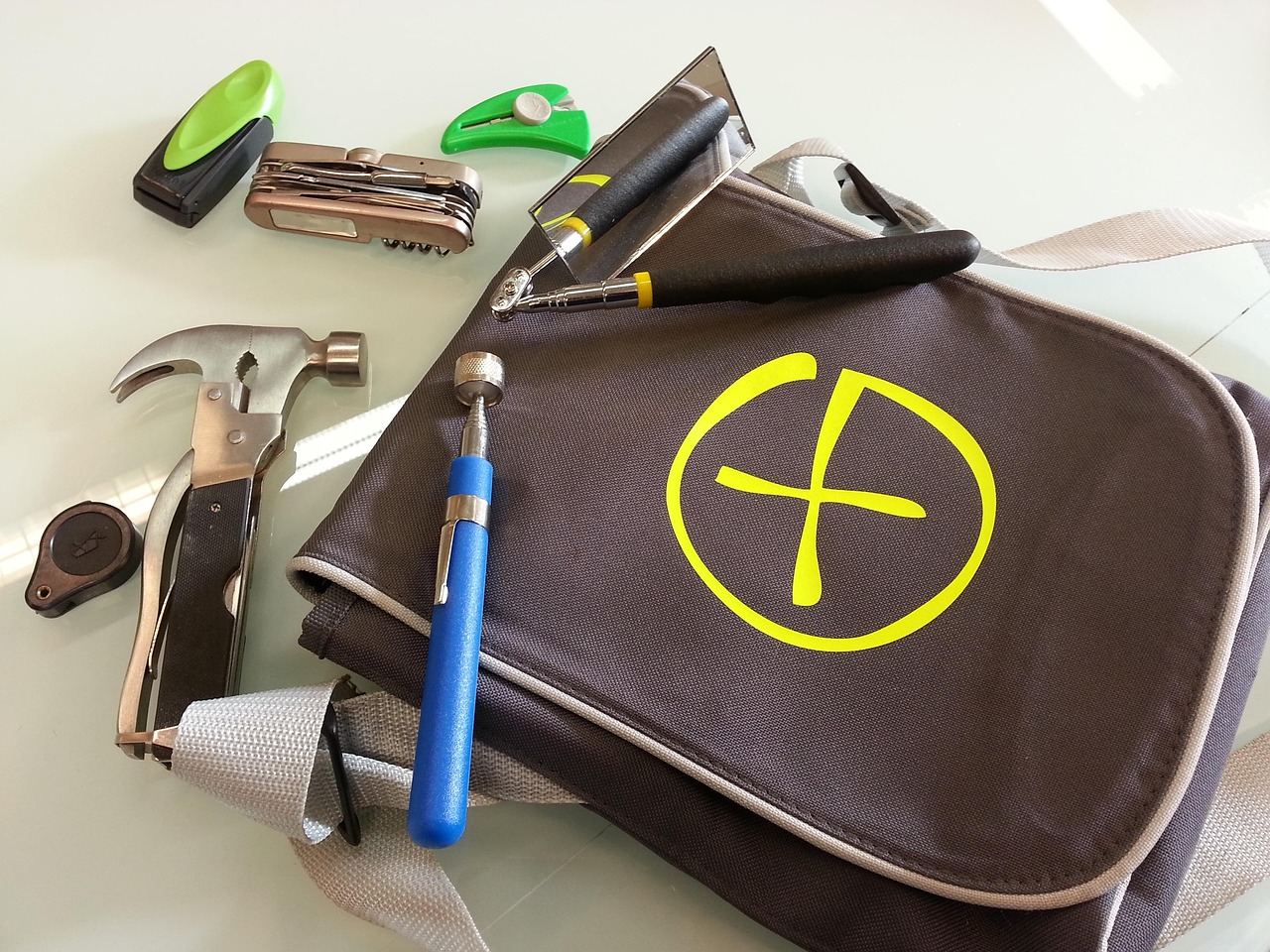
Geocaching isn't just about tech — it's a nature-focused adventure that thrives on community and exploration.
Getting started with geocaching as a beginner transforms the great outdoors into an exciting treasure hunt waiting to be discovered.
Participants use GPS devices or smartphones to track down hidden containers, called caches. These caches are placed at specific locations around the world and marked by coordinates.
Geocaching blends technology with exploration, making it a perfect way to discover new places.
In geocaching, you use a smartphone app to find hidden containers called geocaches by following GPS coordinates, navigating various terrains, and searching for the cache by examining the environment, such as looking under rocks or in trees. Once found, you sign a logbook, optionally trade small items, re-hide the cache, and log your find digitally to track your achievements.
Geocaching combats boredom through puzzle-solving that engages your critical thinking and creativity, creating a flow state as you decipher clues and riddles. The incremental skill feedback from varying difficulty levels enhances your problem-solving abilities and offers a sense of accomplishment with each successful find, transforming routine walks into rewarding treasure hunts.
You might think geocaching is all about tech, but that's missing the bigger picture.
It thrives not on gadgets but on adventure. The real joy comes from the places you explore and people you meet.
Geocaching encourages exploration.
You'll venture into places you'd never otherwise go.
Geocaching promotes physical activity.
Getting outdoors is half the fun and half the benefit.
Geocaching fosters connecting with nature.
It's a fulfilling, well-rounded hobby that offers more than just a screen.
Your first cache hunt feels nothing like you picture it. You're standing in a park, phone in hand, GPS arrow pointing at a patch of ground that looks completely ordinary. You circle the same five-foot radius three times. **The coordinates get you close — but "close" in geocaching still means you're on your own. That last ten feet is pure instinct and observation.
The part most beginners don't see coming is how small the caches actually are. You expect a box. What you find — if you find it — is a magnetic strip under a bench, or a fake bolt on a fence post. Your brain has to fully rewire how it reads ordinary objects. That mental shift takes a few sessions, and before it clicks, you'll walk away empty-handed more than once.
Early sessions also expose a gap between moving your body and actually noticing your surroundings. Most people walk without really looking. Geocaching forces you to slow down and read an environment — the loose rock that's slightly too symmetrical, the hollow knot in a tree at arm height. The skill you're building in those first frustrating hunts is spatial attention, and it compounds fast. By your fourth or fifth find, you'll start seeing the world differently on a regular walk.
That first successful find — pen in hand, signing a tiny rolled log sheet — lands harder than you'd expect. It's a small physical proof that you solved something real. That feeling is what keeps people coming back, but it also masks some habits that quietly hold new geocachers back. The next section covers the mistakes that stall most beginners before they hit their stride.
When to start: Early morning
Duration: 1 hour
Cost to try: $0
Success criteria: if you finished without finding the cache, do session 2.
New geocachers often open the app and head straight to the nearest cache without checking what kind it is. Traditional caches, mystery caches, and multi-caches all work very differently. Showing up unprepared wastes the trip.
Before you leave the house, read the full cache listing, including the description, hint, and recent logs from other finders. Those logs tell you if the cache is currently missing or if the hiding spot has changed. Five minutes of reading saves an hour of frustration.
GPS is accurate to roughly 3–10 feet on a good day. Beginners plant themselves on the exact pin and stare at the ground, confused when nothing appears. The coordinates get you close — they don't hand it to you.
Treat the coordinates as the center of a search area, not a bullseye. Look for anything that seems out of place — a loose rock, an unusual knot in a tree, a suspicious pile of sticks. Cache hiders think creatively, and finding them means thinking the same way.
The difficulty and terrain ratings exist for a reason. A D4/T4 cache might involve solving a complex puzzle and climbing a rocky hillside. Attempting that on day one usually ends in a DNF — Did Not Find — which kills motivation fast.
Start with caches rated D1 or D2 with a terrain of 1.5 or lower. Build your eye for hiding spots on easy finds first. Once you've located ten or so, harder caches start making a lot more sense because you understand how hiders think.
Signing the physical logbook feels like the finish line, so many beginners skip the digital log entirely. That's actually the part that builds your profile, tracks your streak, and helps cache owners know their hide is still active.
Do both every single time — sign the paper log, then log the find in the app before you leave the area. The app log also lets you leave notes for future seekers. One useful clue in your log could save another geocacher a long, fruitless search.
Many caches are hidden in busy, public spots — parks, parking lots, town squares. Beginners crouch down and dig around in obvious ways, drawing attention from bystanders. This is called being a "muggle" risk, and it can lead to a cache getting disturbed or reported.
Act casual and wait for foot traffic to clear before you retrieve or replace a cache. Experienced geocachers look like they're tying a shoelace or checking their phone. Protecting the hide is part of the game — it keeps the cache available for everyone who comes after you.
Start with the Geocaching.com forums and the r/geocaching subreddit — these are the two most active spaces for beginners asking questions and veterans sharing finds.
The official Geocaching app also has a built-in activity feed where local cachers log finds near you. That list of usernames is a direct window into who's active in your area right now.
Local geocaching groups organize "Cache In Trash Out" (CITO) events and group hunts at public parks, nature trails, and urban walking routes. Search Geocaching.com's Events section filtered by your zip code to find these.
Facebook Groups are surprisingly active here too. Search "geocaching" plus your city or region name — most mid-sized cities have a dedicated group with hundreds of members posting weekly.
Attend a Mega-Event or GeoWoodstock if you want to go deep fast. These are large annual geocaching gatherings where thousands of players show up in person. Dates and locations are listed on Geocaching.com's event calendar every year.
For everyday connection, the Groundspeak forums (Geocaching.com's own community board) have regional threads broken down by country and state. Posting your first find in your regional thread is the single most effective move for getting noticed by local cachers.
Traditional geocaching is the starting point for most people. You open the app, pick a nearby cache, follow the coordinates, and hunt. Simple as that.
This style is best for anyone who wants low-stakes outdoor time without planning or gear. You can do it solo, with kids, or with a friend on a slow afternoon.
Mystery caches don't give you direct coordinates. You solve a puzzle first — a cipher, a math problem, a riddle — and the answer reveals where to go.
The hunt starts before you ever leave the house. This variant suits people who like mental challenges layered on top of the physical search.
Multi-caches send you to several locations in sequence. Each stop gives you a clue or coordinate that leads to the next, until you reach the final cache.
It's less about the container and more about the journey. People who want a structured adventure — not just a quick find — tend to love this format most.
Some caches are rated high on terrain difficulty — placed on cliff faces, deep in wilderness, or requiring a kayak to reach. These aren't casual afternoon finds.
Hikers and outdoor enthusiasts use geocaching as a built-in reason to push into harder terrain. The cache is almost secondary to the route you take to get there.
Urban geocaching places caches in cities — tucked into lamp post skirts, hidden under benches, or disguised as everyday objects. No trails required.
This version is perfect for people with no access to nature but still craving that treasure-hunt feeling. It also sharpens your eye — you'll never look at a guardrail the same way again.
Power trails are dense clusters of caches along a single route, sometimes numbering in the hundreds. Dedicated geocachers chase high find counts along these paths.
Numbers-driven people — those who get satisfaction from streaks, stats, and milestones — tend to get hooked on this style fast. It's geocaching with a completionist mindset.
Some of the same instincts show up in Rafting — worth a look if this clicked.
If you want a related angle, Spearfishing is the natural next stop.
The skill that separates people who find caches from people who keep walking past them is learning to read the environment instead of just the coordinates.
GPS gets you close — usually within 10 to 30 feet. After that, the app is useless. The cache hider chose that specific spot for a reason, and the terrain is telling you what that reason is. A mossy rock that looks slightly disturbed. A hollow tree base at eye level. A fence post that's just a little too convenient. New geocachers stare at their phone screen waiting for a signal update. Experienced ones put the phone in their pocket and start looking.
This shift — from trusting the device to trusting your own observation — is the exact moment geocaching stops being frustrating and starts being genuinely addictive. It's the same pattern recognition that makes puzzles satisfying. Your brain builds a mental library of hiding patterns the more caches you find, and each new terrain starts to give itself away faster.
That's also why difficulty ratings exist — not to warn you off, but to calibrate how hard you'll need to look. The gear and the app stay the same at every level. What grows is your eye. The next section covers how the difficulty and terrain rating system actually works, so you can pick hunts that sharpen that skill without burning you out early.
Give geocaching four sessions over two to three weeks — one short neighborhood hunt, one park or trail cache, and two that push you slightly further from home.
You finish logging your find and immediately pull up the map to see what's nearby. That restlessness after a successful find is the clearest signal this hobby has hooked you. Start building a small list of local caches by difficulty rating — working up through the tiers gives you a natural progression that keeps things fresh for months.
If you enjoyed being outside but felt nothing particular about finding the container, the format might matter more than the hobby itself. Try a puzzle cache or a multi-cache before writing it off — those formats add a layer of problem-solving that changes the experience considerably for people who need more mental friction to stay engaged.
If searching felt tedious and the GPS coordinates just made you wish you were somewhere else, that's useful information — not a failure. The exploration and physical side of geocaching are inseparable from the hunt itself. If the hunt drained you, look toward hobbies that reward movement without the search component — hiking, urban photography, or cycling might be a better fit.
You open the geocaching app somewhere you didn't plan to — a parking lot, a trail you're driving past — just to check if anything is hidden nearby. That involuntary reflex means the hunt has already become part of how you see the world around you.
When you don't want to commit, things to do when bored is a better starting point.
You need a GPS device or smartphone with a geocaching app (like the official Geocaching® app), and an account on a geocaching website. Most beginners simply download the free app on their phone—no additional equipment required. Once you have these basics, you're ready to search for your first cache.
Geocaching is completely free to start—the official app and website don't charge for basic access. You only spend money on optional gear upgrades (like a dedicated GPS unit or better hiking boots) if you want to take it further. Compared to other outdoor hobbies, it's one of the most budget-friendly activities.
Most geocaches take 15–30 minutes to find, though difficulty varies widely. Some are quick finds near a parking lot, while challenging ones hidden in forests or urban areas can take an hour or more. Your experience and cache difficulty rating will determine how long each search takes.
Yes, geocaching is perfect for all ages and experience levels. The app rates caches by difficulty and terrain, so you can start with easy, nearby finds and progress to harder hunts as you gain confidence. Many families treat it as a fun, low-pressure outdoor adventure.
Geocaches range in size from tiny magnetic containers to large boxes, typically holding a logbook where you sign your name and date. Larger caches often include trinkets, toys, or trading items you can swap. The real reward is the experience of finding the hidden treasure and exploring new locations.
You can geocache in most public outdoor spaces—parks, forests, urban areas, and beaches—but you need permission on private land. Some locations like military bases or protected nature reserves restrict caching. Always check local regulations and respect posted rules before searching.