BoredomBusted — Find Your Next Favorite Thing To Do
Discover hobbies, activities, places, and ideas that spark joy. Whether you're looking for something creative, active, social, or relaxing, BoredomBusted helps you find your next favorite thing to do.
Browse our hobby guides, things-to-do collections, and place ideas to never be bored again.
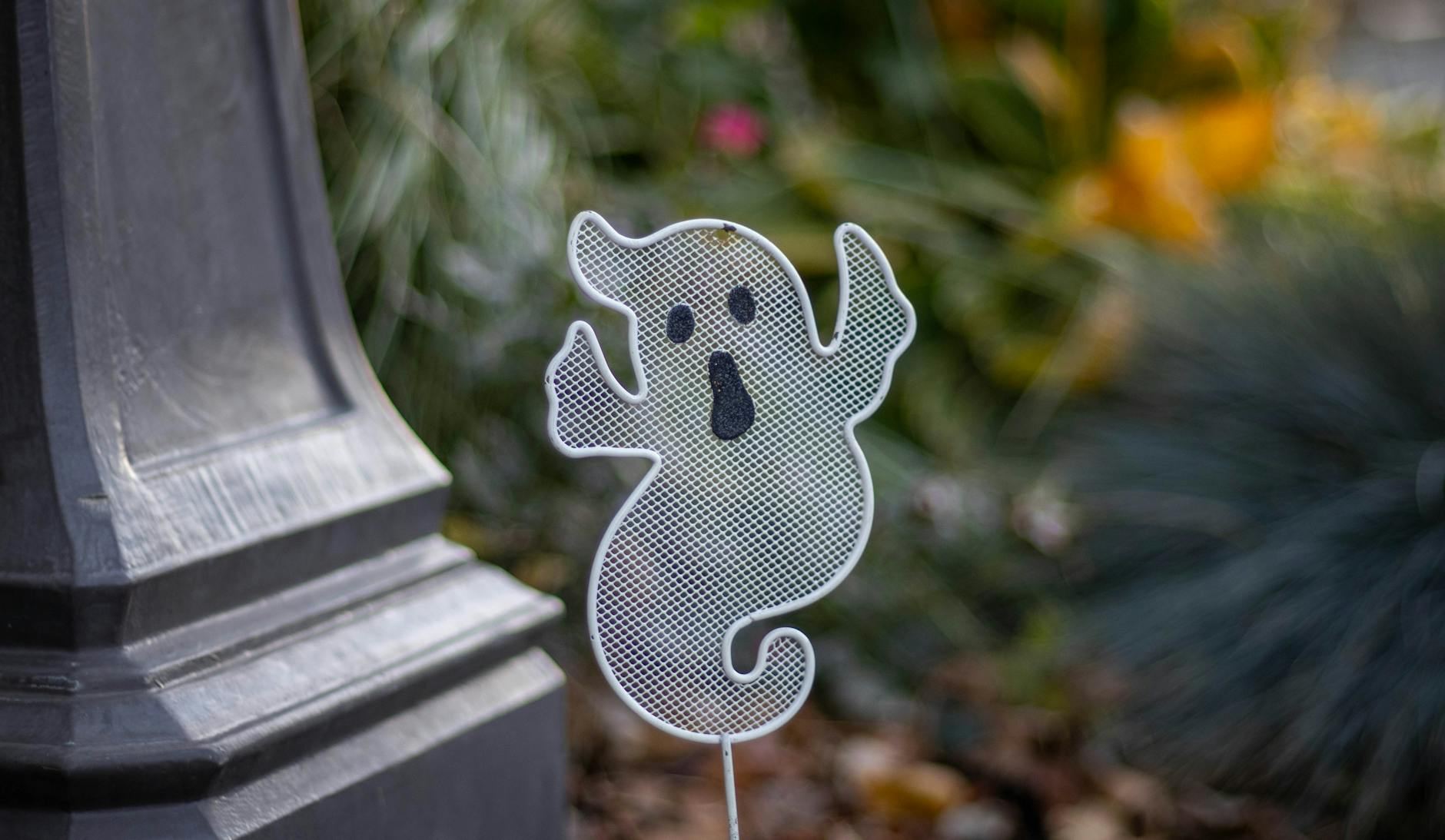
Skepticism drives many ghost hunters — they're more curious about history than haunting, treating the paranormal as a subject to explore rather than a belief system.
If you are learning ghost hunting as a beginner, your journey will blend excitement with the allure of uncovering the unknown. Enthusiasts seek out paranormal activity in known haunted spots.
Using tools like EMF detectors and voice recorders, they capture the supernatural experience while exploring history.
Ghost hunting involves conducting investigations at reputedly haunted locations, where participants research site histories, deploy equipment like voice recorders and cameras, and spend time asking questions and observing for unexplained phenomena. Investigators collaborate with others, often working in teams for safety, and analyze results post-hunt for evidence of paranormal activity, such as e…
Ghost hunting fosters a flow state through high-stakes concentration during extended questioning sessions in eerie environments, balancing skill with environmental challenges. It creates skill feedback loops as hobbyists refine their techniques over time, builds social belonging within tight-knit paranormal communities, and offers a sense of accomplishment through the interpretation of captured e…
You assume only die-hard believers chase the supernatural.
You picture someone with a Ouija board, not someone like Chris Fleming. Chris embodies curiosity, not conviction. He's a ghost hunter with years of experience, but he often questions each incident and seeks a logical explanation.
A hunt can be about history. It can be a puzzle. An unraveling of stories that defined a place. Most ghost hunters aren't just chasing ghosts; they're uncovering narratives and asking questions.
Ready to question more than what's in front of you? Let's look at the tools of the trade.
Your first investigation will probably feel like standing in a dark room waiting for something that never arrives. The air is stale or cold depending on the building. Your eyes play tricks after twenty minutes of staring at nothing. You're holding a voice recorder, asking questions out loud to an empty hallway, and a small part of your brain is convinced you sound ridiculous. That discomfort is the whole first session — and it's completely normal.
The thing beginners don't expect is how much of ghost hunting is silence and stillness. There's no constant action. You set up equipment, you wait, you move to another room, you wait again. Most of your first few sessions will produce nothing remarkable on review. The investigators who stick with it are the ones who stop expecting every session to deliver and start treating the null result as useful data.
Reviewing your recordings afterward is where the frustration quietly shifts into something else. You'll spend time scrubbing through audio, second-guessing a creak, replaying a faint sound three times. That post-hunt analysis is where the real skill starts to build — learning to distinguish what's explainable from what genuinely isn't. It's slow, detail-oriented work, not a highlight reel.
Early sessions are less about capturing evidence and more about learning how to hold your attention in an uncomfortable space for a long time. Your technique gets sharper. Your ear gets more tuned. The history of the location starts to matter more to you, not less. Before that progression makes sense, though, you need to know the mistakes that slow most beginners down — and they're more avoidable than you'd think.
When to start: Morning
Duration: 1.5 hours
Cost to try: $15
Success criteria: If you record a 2-minute location description and your trigger item stays exactly where you placed it, do session 2.
New ghost hunters see an EMF detector and buy one immediately. Then they wave it around a location with no idea what a normal reading looks like. Baseline readings matter more than spikes. Without knowing what's normal for a space, every fluctuation feels like evidence.
Before spending anything, borrow gear from a local group or join an organized hunt as a guest. Handle the equipment in a non-haunted space first — your own house, a park, anywhere. You'll learn what interference looks like before you're standing in a dark basement calling it paranormal.
A location's history shapes everything about an investigation. Who lived there? What happened? What reports have other investigators filed? Without that context, you're just standing in a dark room. The best EVP sessions happen when investigators ask specific, informed questions — not generic ones.
Spend at least a few hours on historical records, local news archives, and prior investigation reports before you arrive. A name, a date, a specific event — these give you something to work with and dramatically sharpen the quality of your session.
Old buildings settle. Pipes knock. Animals get into walls. Beginners hear something unexpected and immediately reach for the camera. Confirmation bias is the biggest contaminant in ghost hunting — you want something to be paranormal, so it becomes paranormal before you've ruled anything out.
Train yourself to document first, interpret later. When something happens, note the time, the conditions, and any possible mundane explanations. Evidence only means something after you've eliminated the obvious causes — not before.
Ghost hunting locations are often abandoned, structurally unsound, or on private property. Solo investigations sound more atmospheric, but a twisted ankle in a derelict building with no one else present is a serious problem — not a dramatic story.
Start with organized group hunts at permitted locations. You'll learn site protocols, how teams communicate in the dark, and how to split a location efficiently. The team structure also keeps your observations honest — a second person debunking your evidence in the moment is more valuable than replaying footage alone at 2am.
Beginners move fast. They want to cover the whole building, check every room, keep things interesting. But experienced investigators know that patience is the actual skill. Sitting quietly in one room for forty minutes produces far more usable audio and observation data than sprinting through ten rooms.
Pick two or three areas per hunt and stay. Let the environment settle around you. The flow state ghost hunting creates only kicks in when you stop rushing and start listening — and that's when the interesting things tend to happen.
Start on Reddit — r/Paranormal and r/GhostHunting are the most active starting points. Both communities share investigation reports, equipment advice, and location recommendations. r/Paranormal skews toward experiences and stories; r/GhostHunting is more gear and technique-focused.
For in-person meetups, search Meetup.com for paranormal investigation groups in your city. Many are surprisingly active and organize group hunts at historic sites, old asylums, and abandoned buildings. Facebook Groups also host regional paranormal societies — search "[your state] paranormal investigators" and you'll find active chapters with regular event listings.
The American Ghost Society and TAPS (The Atlantic Paranormal Society) both maintain member networks and connect hobbyists with local investigation teams. These aren't just fan clubs — they organize field investigations and share structured methodologies.
Booking a public ghost hunt at a historic venue is the fastest way to meet serious investigators. Places like Waverly Hills Sanatorium in Louisville and the Stanley Hotel in Colorado regularly host ticketed overnight hunts. You'll be working alongside other enthusiasts in a genuinely haunted-reputation location — equal parts social event and investigation.
This is the classic investigation setup — EMF detectors, digital voice recorders, full-spectrum cameras, and a methodical approach to documenting everything. You show up with a kit, you work through a location systematically, and you analyze what you captured afterward.
It suits people who want a process, not just a vibe. If you like the satisfaction of reviewing footage at 2am looking for something you can't explain, this version is yours.
Some investigators spend as much time in archives as they do in dark corridors. They dig into a location's past — who lived there, what happened, why the stories persist — before ever setting foot inside.
The paranormal is the entry point; the history is the real reward. This works well for people drawn to true crime, local folklore, or historical research who want their hobby to have an eerie edge.
Guided ghost tours and hosted investigation nights at famous haunted venues let you participate without owning any equipment. The location provides gear, a guide walks you through, and you still get the full atmosphere of a legitimate hunt.
It's the lowest-friction way to find out if this hobby actually grips you. Many serious investigators started exactly this way before committing to their own setup.
Most experienced hunters work in tight teams of two to five people. Small groups communicate easily, cover different sections of a location, and keep each other honest when something strange happens.
The social dynamic is a big part of what makes this hobby stick. Shared adrenaline and shared skepticism build a different kind of friendship. Local paranormal societies are full of people who met exactly this way.
Solo investigation strips away the social noise and forces you to rely entirely on your own observations. You move at your own pace, set your own triggers, and sit in silence for as long as you need to.
It demands more personal discipline but sharpens your instincts faster. Solo hunters tend to develop stronger critical thinking around what they capture because there's no one else to validate a reaction in the moment.
The skill that separates improving investigators from those who plateau is controlled baseline-setting — knowing what "normal" looks like before you decide something is strange.
Every location has its own fingerprint. Old pipes create EMF spikes. Drafty hallways drop temperatures. Settling foundations make sounds. Investigators who skip the baseline phase treat all of this as evidence. They end up chasing the building, not the anomaly.
Walk the location before you set up a single recorder. Document your readings. Map where the cold spots already exist. Note which floorboards creak under foot traffic. A spike only means something if you know what flat looks like. That's the whole shift — from reacting to measuring.
Once you build this habit, your post-hunt analysis changes completely. You're no longer sorting through hours of footage looking for anything unusual. You're comparing what you captured against a known reference point. That's exactly the kind of discipline the equipment section ahead will help you put to work.
Run a 30-day test: four sessions, roughly one per week, mixing at least one outdoor location with one indoor site.
That pull toward the next location is a clear signal. If you found yourself replaying audio clips and debating what you heard, this hobby has its hooks in you. Start researching local historical societies and paranormal groups — organized teams will fast-track your skills significantly.
Some people finish a hunt feeling neutral — present, not bored, but not buzzing either. That can just mean the location was wrong. A dull warehouse is a very different experience from a 19th-century asylum with documented history. Before writing it off, try one site with a richer backstory and go in having researched it beforehand. The history is often what makes the difference.
That's useful information. Ghost hunting demands patience — long stretches of waiting, listening, and observing with no guaranteed payoff. If the absence of action drained you rather than sharpened your focus, the hobby's core loop isn't working for you. Urban exploration or historical photography will scratch a similar itch with more consistent stimulation along the way.
If you caught yourself at midnight pulling up the history of a building you haven't even visited yet, that's the sign. The research obsession outside of hunts is what separates people who'll stick with this from people who tried it once.
Basic gear includes an EMF meter, digital thermometer, digital audio recorder, and flashlight—these essentials cost $100–$300 to start. As you progress, you may add thermal imaging cameras, motion sensors, or night vision equipment, but beginners don't need expensive gear to begin investigating.
Entry-level ghost hunting costs $100–$500 for basic equipment, though you can start cheaper with a smartphone and free apps. Organized ghost tours or investigations at reportedly haunted locations typically range from $50–$150 per person, depending on location and duration.
Physical risks are low when you follow safety protocols and hunt in groups, but you may encounter unstable structures, dark terrain, or trespassing issues at abandoned locations. Always inform someone of your location, use buddy systems, and check local laws before investigating private property.
Most investigations last 2–4 hours, though some intense sessions can extend to 6–8 hours overnight. Beginners often start with shorter, guided investigations to learn techniques before attempting longer solo or group hunts.
No experience is required—many beginners join organized ghost hunting groups or tours to learn fundamentals like how to use equipment and conduct proper investigations. Online courses and communities also offer guidance to help you develop skills safely and effectively.
Ghost hunting is a casual hobby focused on experiencing and documenting potential supernatural activity, while paranormal investigation is more methodical and scientific, using controlled techniques and data analysis. Both can overlap, but investigations tend to be more structured and evidence-focused.