BoredomBusted — Find Your Next Favorite Thing To Do
Discover hobbies, activities, places, and ideas that spark joy. Whether you're looking for something creative, active, social, or relaxing, BoredomBusted helps you find your next favorite thing to do.
Browse our hobby guides, things-to-do collections, and place ideas to never be bored again.
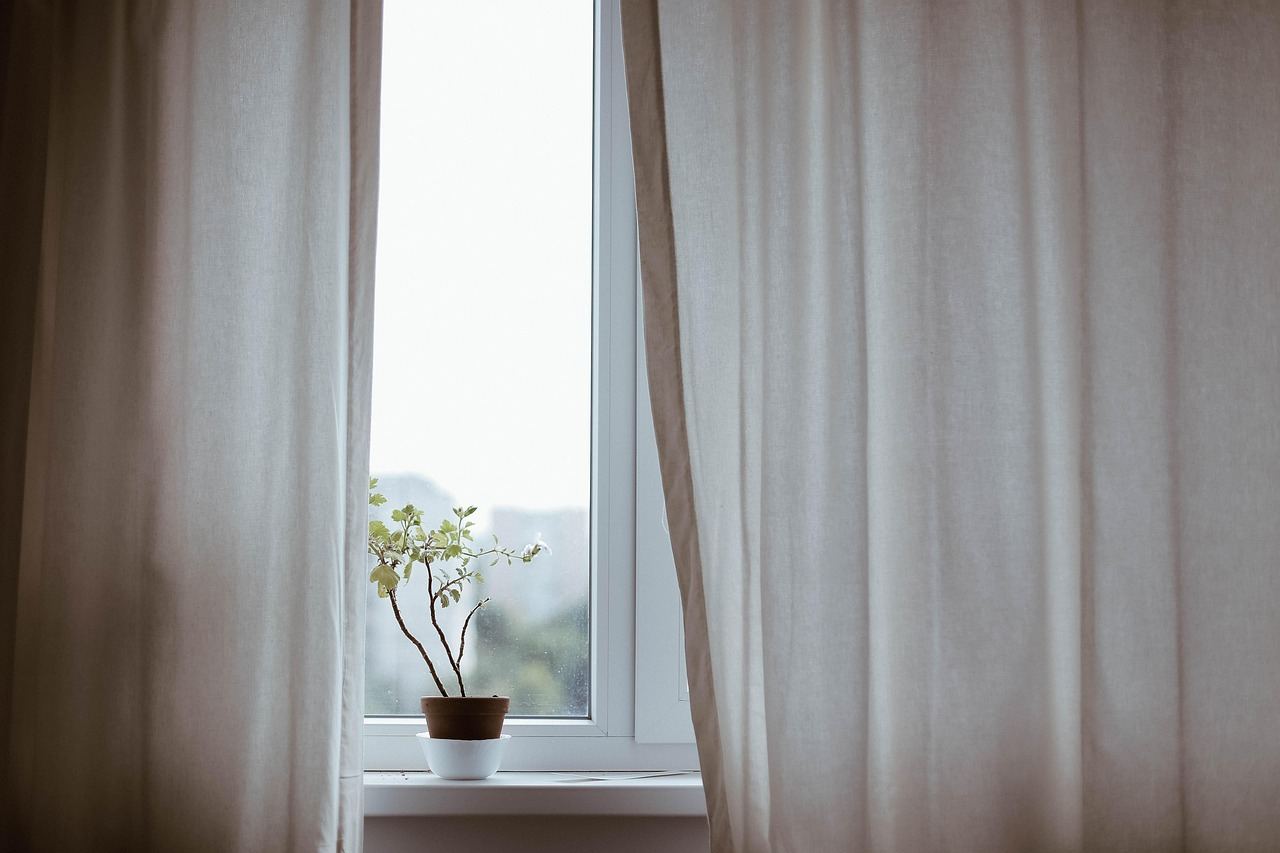
Indoor gardening isn’t just about keeping a plant alive; it's about mastering complex environmental systems that turn into a surprisingly deep skill set.
Starting an indoor gardening hobby as a beginner allows you to cultivate greenery in small spaces, whether on windowsills, shelves, or under grow lights with containers.
You control the environment: light, water, nutrients, humidity.
Forget about weather and seasons. Indoors, you can grow year-round and succeed or fail by your own decisions.
Indoor gardening involves hands-on tasks such as selecting and potting a variety of plants, layering materials in terrariums, watering and misting plants, pruning leaves, and monitoring their growth under appropriate lighting and humidity levels.
Indoor gardening fosters a flow state through focused, repetitive tasks, providing immediate skill feedback as plants visibly respond to care, while also offering a sense of accomplishment with each harvest and opportunities for creative expression in customizing plant displays.
You think indoor gardening is just keeping a plant alive on a windowsill. A bit of water now and then, a sprinkle of sunlight when you remember. Succulents that manage to thrive even if you forget about them.
That's not really a hobby – it's just home decor duty.
Indoor gardening teaches you to interpret signs like soil moisture and leaf color, skills most people never develop in everyday life.
You get to solve real puzzles – why does one plant thrive in a spot while another struggles?
Experience compounds – your third plant is way easier than your first, and by your tenth, you're a pro.
A friend started with a single pothos on a dim shelf. Six months later, she'd rearranged her apartment for better light, built a humidity tray for her calatheas, and started trading propagated cuttings online.
She didn't just care for plants – she embraced the whole system of growth.
A system that begins with a surprisingly simple start. And that start is well within your reach.
Seeing someone else's vibrant herb shelf makes it look easy. But once you bring home a pothos, things get real. Terms like "indirect light" suddenly seem a lot murkier within the walls of your own apartment.
The first dead plant teaches you more than ten healthy ones ever would. Confidence at the garden center fades fast when "watering by feeling" leads to paranoia about root rot. You may obsessively check soil moisture. That gap between knowing it should work and seeing it wilt can be surprisingly wide.
Overwatering happens because doing something feels safer than doing nothing. The first week is when you'll likely commit this classic beginner's error. By the second week, one yellowing leaf might send you down a diagnostic rabbit hole that probably leads back to a draft.
Recognizing your plant's true needs starts around week three. Droops that once sparked panic are now easier to interpret. By week four, you may even decide to adopt another plant, confident in your newfound skills.
It's almost never the plant's fault—it's the soil or the pot. Grocery store soil can hold too much moisture, betraying you quickly. Aim for a proper aerated potting mix, or add perlite. This shifts blame from the plant and equips you with practical knowledge.
With these bumps now visible, explore common mistakes that prolong frustration.
When to start: Morning
Duration: 1 hour
Cost to try: $15
Success criteria: If you have each pot planted with 2-3 herb seeds, lightly covered, watered, and placed in bright light, do session 2.
Calendars feel reliable, but watering plants this way ignores the real factors that matter. Pot size, light, humidity, and season all affect how fast soil dries.
Stick your finger an inch into the soil before every water; if it's still damp, walk away.
A windowsill looks bright to you because your eyes adjust. Many indoor spots labeled "sunny" actually deliver much less light than plants need.
Before buying anything, measure your light with a free lux meter app for three days at different times.
Monstera and pothos are popular, but they aren't foolproof in cold, dry spaces. Homes running below 60°F or with low humidity will struggle.
Match your first plant to your actual conditions:
A snug pot isn't a problem; roots hitting the edges aren't suffering. Sudden jumps to larger pots can lead to rot instead.
Only size up one pot width at a time, and only when roots are actively pushing out of drainage holes.
Outdoor soil causes problems in containers. It compacts, blocks drainage, and can introduce fungus gnats without you noticing.
Use a potting mix labeled specifically for containers, or mix perlite into a standard indoor potting blend at roughly 20%.
Indoor gardening is as simple as using a windowsill or a corner of your home.
No commute needed. Just your space at home.
Admit you're just starting out. This often leads to free plant cuttings, advice on low-maintenance plants, and seasoned gardeners offering you guidance.
A few pots on a sunny windowsill make this the simplest start. Growing herbs keeps motivation high since you'll use them in cooking. It's an easy way to dip your toes into gardening without much commitment.
Growing plants in water and nutrient solutions means faster growth but a need for more precision. It's ideal for those who enjoy tweaking systems to optimize plant growth.
Expect to spend $50–$150 on kits, plus $30–$50 for testers.
Closed or semi-closed glass containers allow mosses, ferns, and tropical plants to thrive with minimal watering. Perfect for those who want a decorative and low-maintenance garden.
Turn any room into a growing space, no matter the natural light. Grow lights let you cultivate vegetables indoors, making them a great fit for apartments with limited sunlight.
LED lights start at $30, while shelving can cost $200+.
Use cuttings and divisions to multiply your existing plants. It's a cost-effective way to deepen your knowledge of plant biology and expand your collection without buying new plants.
Butterfly Gardening is a sibling pursuit and often surfaces the same kind of curiosity.
Another variant that pulls from the same roots is Flower Gardening.
For something adjacent, see Vegetable Gardening.
Most beginners get stuck on watering schedules. It's all about the calendar: when, how often, how much. But the schedule isn't important. Reading your plant's actual state is the real trick.
Substrate moisture sensing is what separates experts from beginners. Notice the difference between just a dry top inch and a root zone that's actually ready for water. You do this by pressing two fingers into the soil, feeling the pot's weight, and watching the leaves for signals.
Mastering this skill clarifies every other factor—light, humidity, fertilizer. Without it, you're randomly changing inputs and guessing what's wrong.
Commit to 8 sessions over 30 days. Aim for twice a week, syncing with the natural rhythm of plant care.
You find yourself eager to check in, not for big changes, but out of curiosity. This signals an interest in the subtle process. Expand by adding a new plant type with different needs.
You've completed the sessions but feel indifferent. This often means you haven't encountered real challenges. A dead plant or an unexpected bloom can shake things up. Consider extending the experiment for another month.
You found it tedious and kept avoiding it. This suggests plants' slower feedback isn't for you. It's fine to admit this isn't the right match.
Finding yourself reading fertilizer labels without buying? That curiosity signal is a stronger indicator than motivation alone.
Looking for something lighter? Our boredom-busters guide is built for exactly that.
You'll need basic supplies: containers with drainage holes, potting soil, plants, and a light source (natural window light or grow lights). A watering can, fertilizer, and humidity monitor are helpful additions. Start simple with hardy plants like pothos or succulents before expanding.
Most indoor plants need 12–16 hours of light daily. If you don't have bright windows, LED grow lights are affordable and energy-efficient alternatives. Position lights 6–12 inches above plants and adjust based on their specific light requirements.
Watering frequency depends on plant type, pot size, and humidity—typically once weekly, but always check soil moisture first by sticking your finger 1 inch deep. Overwatering is the most common mistake; let soil dry slightly between waterings for most plants.
You can start for under $50 with seeds, basic pots, and soil from a local garden center. Grow lights and advanced setups cost more, but they're optional for beginners. Most costs are spread over time as you add plants and tools gradually.
Yes, herbs, lettuce, spinach, and compact peppers thrive indoors with proper lighting and care. Leafy greens and herbs are easiest for beginners and mature in 4–6 weeks. Larger vegetables like tomatoes require more light and space but are still achievable.
Keep plants clean by wiping leaves monthly, ensure good air circulation with a small fan, and inspect new plants before bringing them home. Isolate any infested plant immediately and treat with neem oil or insecticidal soap if needed.