BoredomBusted — Find Your Next Favorite Thing To Do
Discover hobbies, activities, places, and ideas that spark joy. Whether you're looking for something creative, active, social, or relaxing, BoredomBusted helps you find your next favorite thing to do.
Browse our hobby guides, things-to-do collections, and place ideas to never be bored again.
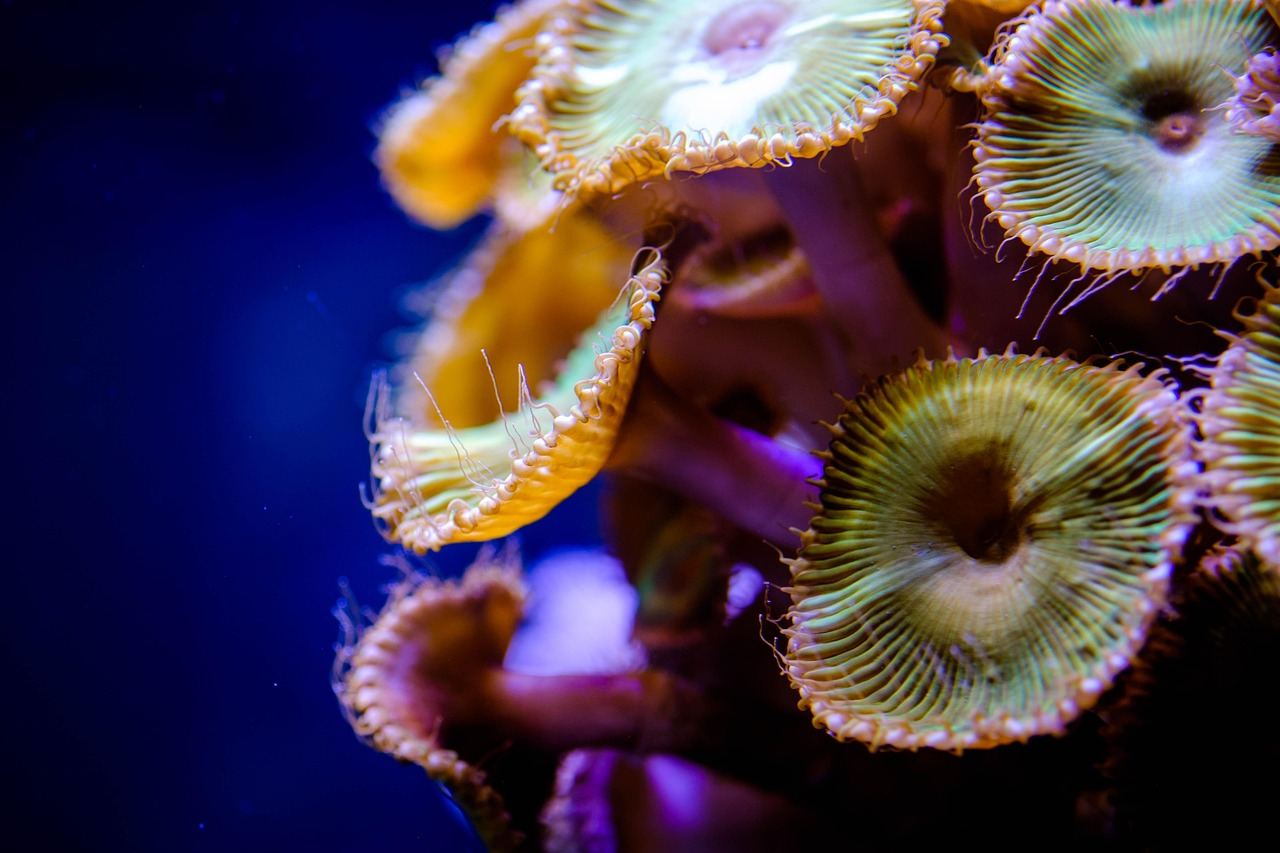
The real joy in saltwater aquarium keeping isn't just the vibrant fish — it's mastering patience through the silent lessons of water chemistry and observation.
Getting started with saltwater aquarium keeping as a beginner involves understanding the essentials of creating a thriving marine habitat at home. It requires balancing water chemistry, lighting, and filtration to support fish, coral, and other marine life.
Precision is critical because water conditions must closely mimic the ocean. The tank becomes a dynamic reef ecosystem, not just a display.
Saltwater aquarium keeping involves daily and weekly maintenance of a marine ecosystem, including feeding fish, testing water parameters, cleaning equipment, and observing livestock. Hobbyists perform hands-on tasks such as topping off water, checking temperature and salinity, and logging results, all while ensuring the health of fish, corals, and invertebrates in a controlled environment.
This hobby induces a flow state through patient observation of micro-changes in the aquarium, provides immediate feedback from water tests that enhance skill mastery, fosters a sense of accomplishment with visible successes, and encourages social belonging in communities where enthusiasts share experiences and troubleshoot challenges together.
You think it's a fish tank. A prettier, saltier version of the goldfish bowl you had at eight.
That assumption is going to cost you – either money when you buy the wrong setup, or the hobby itself when it gets weird and you don't know why.
A saltwater tank is a living ecosystem with a nitrogen cycle, a biological filter, and a chemical balance that you actively manage – not just water you change on Sundays.
The fish are almost incidental. The rock, the bacteria colonies, the water chemistry – those are the real work, and they come first.
Get this part right and the tank almost runs itself. Miss it and nothing survives, no matter how expensive the livestock.
A 20-gallon reef tank can have more moving parts than a freshwater tank three times its size.
Not because saltwater fish are fragile – but because you're recreating an ocean, and oceans aren't static. Starting might seem daunting, but there's a foundation to build everything on.
Watching a reef tank video is like peering into someone's three-year relationship. Everything seems effortless, but the reality is that the hard parts already happened.
Most newcomers feel lost between the stunning videos and their own cloudy water. That gap is where enthusiasm often fades.
The first week is all setup, saltwater, and waiting. This stillness feels wrong—there's no life in the tank yet, but there shouldn't be.
Ammonia spikes by the second week. Everything looks off, and while it's expected, it feels odd to not intervene.
In the third week, parameters stabilize. Test results become an obsession—checked as compulsively as if they were stock prices.
The fourth week finally brings life. You add a fish and spend 45 minutes mesmerized by its simple act of breathing.
At first, your tank feels like a failure. It's empty, and there's no life yet. But this process really means your tank is becoming capable of supporting life.
Your salt mix is crucial here, more so than tank size. Cheap mixes create long-lasting issues you won't trace back easily. Using Instant Ocean Reef Crystals or Red Sea Coral Pro can prevent confusing problems later down the road.
When to start: Early morning
Duration: 2 hours
Cost to try: $50
Success criteria: If you mix saltwater to the label’s salinity and hold the tank at 76–80°F for 30 minutes, do session 2.
Cloudless water can hide an ammonia spike that kills fish fast. Resist the urge to add fish when the tank looks clear. Invisible toxins can still be present.
Test for zero ammonia, zero nitrite, and readable nitrate before adding anything living.
A wish list filled with "cool fish" without considering behavior can lead to disaster. That cute dottyback might terrorize its tankmates.
Research adult size, aggression, and feeding needs before purchasing any species.
Swing-arm hydrometers can drift and erroneously read low salinity. This false reading stresses corals over time.
Invest $50 in a refractometer and calibrate it with distilled water before each use.
Extra food might seem kind but leads to rotten leftovers, nutrient spikes, and algae overnight. Fish often appear hungry when they're not.
Feed a small pinch once daily. If it vanishes in 60 seconds, you're fine.
Fish from the store might look fine but carry diseases from crowded tanks. A healthy appearance doesn't guarantee safety.
Use a 10-gallon quarantine tank and observe every new arrival for 4–6 weeks.
Saltwater aquariums usually live in the home—whether it's a living room, spare bedroom, or basement.
Local gatherings happen at fish stores and aquarium shops. This is where reef clubs often meet and hold frag swaps.
Just walk in and say, "I'm setting up my first saltwater tank and I have no idea what I'm doing."
Get a tank mentor, free frags, and gear advice that will save you hundreds on avoidable errors.
No corals or intense lighting are needed here. Just focus on fish and live rock for biological filtration. Perfect for beginners seeking saltwater without complicated costs.
Corals require thorough attention to water parameters like calcium and magnesium. FOWLR veterans ready for tough challenges will find this rewarding but costly.
A mini reef under 30 gallons. Surprisingly demanding due to swift parameter changes. Experienced reefers with space issues thrive here.
Think lionfish, eels, groupers in a dramatic, fish-only setup. Perfect for those craving visual drama without community management concerns.
A refugium system adds a secondary chamber for macroalgae, aiding water quality. Adds stability for the patient, long-term hobbyist at a modest cost.
Freshwater Aquarium Keeping lives in the same world — different mechanics, similar appeal.
For something adjacent, see Crystal Collecting.
Some of the same instincts show up in RC Model Crafting — worth a look if this clicked.
Most beginners obsess over water parameters – testing nitrates, chasing perfect salinity, buying more equipment.
The parameters aren't the problem. Not reading the tank is.
Pattern recognition across time is the skill you need. Seeing what 'normal' looks like helps you notice subtle changes before issues escalate.
Track the following in a log:
Once you know your tank's baseline, you recognize small changes like a coral that's 10% more retracted than usual. It's not a mystery, it's data.
Without recognizing patterns, everything feels random, and you chase symptoms rather than causes.
Take a phone photo of the same spots in your tank weekly. Same time, same lighting.
Keep a weekly log noting skimmer cup fullness, fish behavior, coral health, and water clarity under white light.
Pick a coral to study for five minutes twice a week. Memorize what it looks like when healthy. This builds your mental baseline.
Spend time with your tank 8 times over 30 days, about twice a week. This routine helps you see if frequent attention feels engaging or draining.
If you find yourself eager to check the tank on quiet nights, even when nothing is wrong, that's a strong connection. Consider expanding your setup with new corals or fish.
Completing sessions but feeling indifferent is useful data. Unless a severe issue has come up, extend your trial by two weeks. Solving a real tank problem may change your perspective.
Dreading each session points to a clear message. It's not about learning curves, but about recognizing the activity isn't for you.
When you're drawn to watch tank videos at odd hours, just to enjoy the view, you're in the right place. This quiet interest is more stable than just starting excitement.
If nothing here clicks, our guide to what to do when bored covers shorter, lower-commitment options.
A basic saltwater aquarium setup typically costs $500–$2,000 depending on tank size and equipment quality. This includes the tank, filtration system, heater, lights, salt mix, and initial livestock. Larger or reef-focused systems can exceed $3,000, and ongoing costs include salt, food, and maintenance supplies.
A fish-only aquarium focuses on hardy fish and simple filtration, while a reef tank maintains coral, anemones, and other invertebrates with stricter water chemistry requirements. Reef tanks demand more precise lighting, calcium supplementation, and stable conditions, making them more challenging for beginners.
Saltwater aquariums typically cycle in 4–8 weeks as beneficial bacteria establish in the filter and substrate. Testing water parameters regularly helps track progress, and rushing the cycle by adding fish too quickly can cause fish deaths and ammonia spikes.
Saltwater aquarium keeping has a moderate learning curve; it requires understanding water chemistry, salinity, and tank maintenance more than freshwater systems. Starting with a fish-only setup and investing in quality equipment makes the hobby much more manageable for newcomers.
Weekly tasks include feeding, checking water parameters (salinity, pH, temperature), and partial water changes of 10–20%. Monthly maintenance involves cleaning filters, testing for nitrate and phosphate buildup, and inspecting livestock for signs of disease or stress.
Yes, but it depends on fish species and tank size; some fish eat coral while others coexist peacefully. Reef-safe fish like clownfish and gobies are ideal for coral systems, while aggressive fish should be kept in fish-only setups.