BoredomBusted — Find Your Next Favorite Thing To Do
Discover hobbies, activities, places, and ideas that spark joy. Whether you're looking for something creative, active, social, or relaxing, BoredomBusted helps you find your next favorite thing to do.
Browse our hobby guides, things-to-do collections, and place ideas to never be bored again.
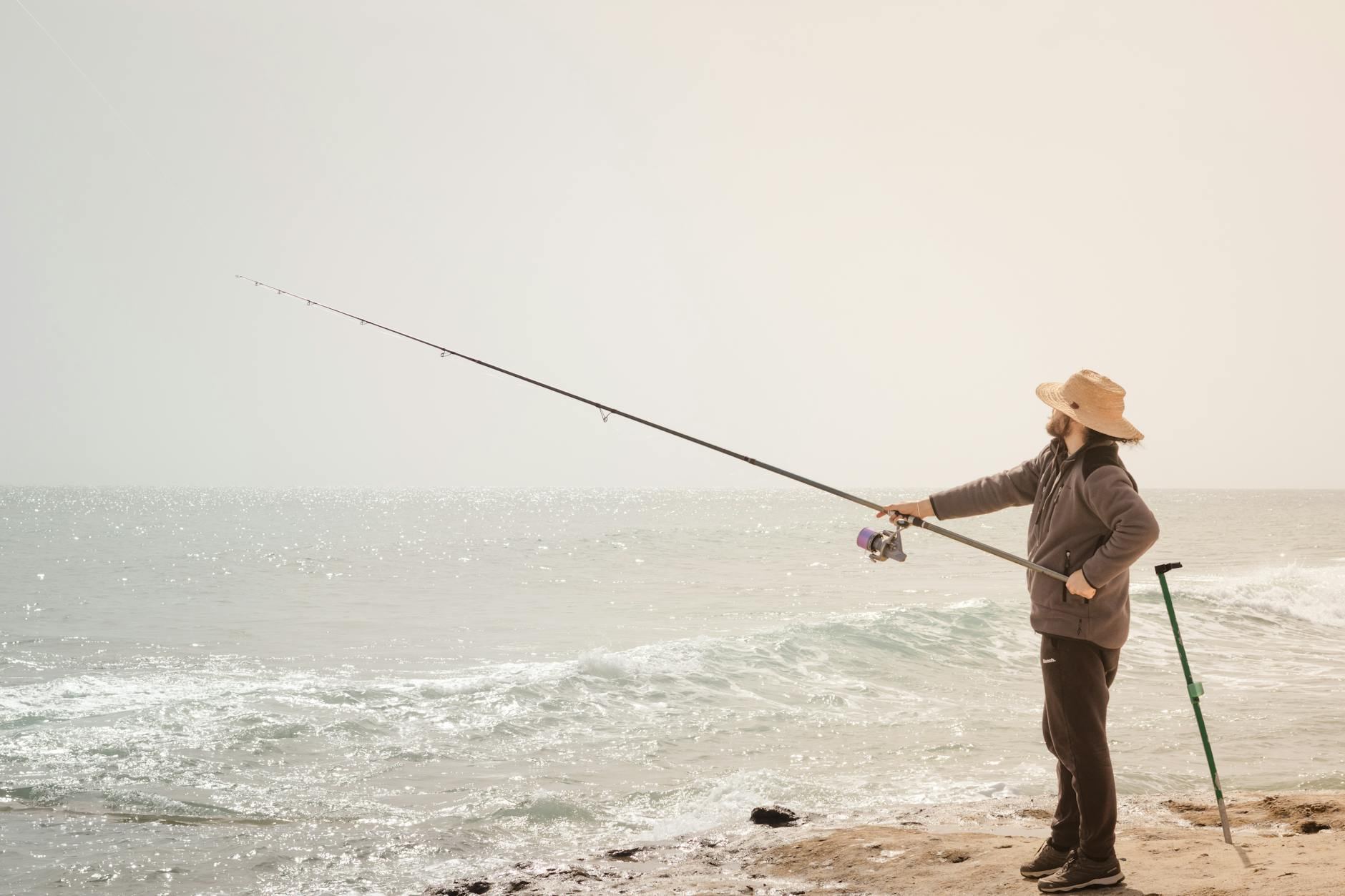
Shore fishing isn't a budget option; it opens access to hidden fish habitats and unparalleled mobility that boats can't match.
Getting started with shore fishing as a beginner involves learning the basics of casting from dry land, which can be done at any riverbank, beach, pier, or lake edge.
You read the water, pick your spot, and wait the fish out.
No vessel required, no captain's license, no crew – just you, a rod, and whatever's feeding near the edge.
Shore fishing involves physically casting bait or lures into surf zones from beaches or piers, requiring actions like reading the beach for fish-holding features, setting up surf rods, baiting hooks with shrimp or squid, executing long-distance casts, and actively reeling in fish while managing multiple rods.
Shore fishing induces a flow state through the rhythmic uncertainty of waves and bites, creating immersive focus as practitioners adapt to varying conditions, while immediate feedback from rod-tips and the thrill of fighting fish provide a sense of accomplishment and satisfaction.
You think shore fishing is what you do when you can't afford a boat. Standing on a bank, hoping something swims close enough to care—that's the assumption.
Shore fishing offers hidden advantages that boat fishermen miss, like access to structures they can't reach.
Access areas like bridge pilings and rocky drop-offs that aren't reachable from thirty feet out on the water.
Walk a mile of shoreline and test multiple spots instead of being anchored to one theory.
Train your eye faster by reading water, spotting current breaks, and watching feeding up close.
A friend once spent a whole morning in a rented kayak, working open water with no success. He pulled up to a bank, waded to a culvert outlet, and landed three bass in twenty minutes. The structure was always there; he just needed to be standing next to it.
The gear you bring to that structure—and the mistakes new anglers make—can quietly cost months of progress before catching anything substantial.
The first time you try shore fishing, it's like piecing together a jigsaw without any reference image. Wind knots seem to form out of nowhere. The jump from watching videos to casting a line is awkward and untidy.
At first, confidence transforms into cold reality. Lines tangle, bites are missed, and casts fall short. Yet you persist, and that's how the experience starts to shape itself.
Despite moments of silence, when the water seems void of life, something important happens. You start to doubt. You feel chilled, second-guess the whole work. However, these are the sessions that cultivate the deep patience needed to actually catch fish.
Before hitting the water, focus on what matters: understanding how the tide affects your spot. Fish move according to this rhythm. If you're not in sync, arriving at the wrong time means a quiet day.
When to start: Early morning
Duration: 1.5 hours
Cost to try: $20
Success criteria: if you finished without catching a fish, do session 2.
The water horizon looks like where the fish live – it doesn't.
Most feeding fish stay within 30 feet of shore, especially near structure like rocks, weeds, or drop-offs, so practice accurate short casts before you start heaving distance.
Heavy line feels reassuring when you're new and don't want to lose a fish.
Swap to 6–10lb monofilament for general shore fishing – thick line is visible underwater and kills your bait's natural movement.
Nobody tells beginners this upfront, and most fishing apps bury it.
Check a tide chart and fish the two hours around an incoming tide at dawn or dusk – fish feeding windows are predictable, and showing up at noon on a dead low tide explains most "bad luck".
It looks right on the package diagram, but it drops your bait onto open sand where nothing's hunting.
Move your hook 6–12 inches above the sinker so it sits just off the bottom, right where bottom-feeding species are actually looking.
Moving the bait feels productive. It's usually just spooking fish.
Cast, let it settle for two full minutes, then slowly drag it a foot before pausing again – stillness is the move most beginners never try long enough to trust.
Shore fishing is accessible almost anywhere there's water. Whether it's a lake, river, beach, or pier, you just need a public spot to start.
The quickest way to connect is by searching Facebook Groups for "shore fishing" plus your region. These groups are dynamic, with members sharing spots, tide info, and organizing meetups regularly.
For an official club, check out Angling Trust's club finder (anglingtrust.net). It's the primary directory for freshwater and sea angling clubs in England and is kept current.
For saltwater aficionados, look into Sea Angling Classic or BASS. Both organizations offer lists of affiliated clubs and host events for new members.
Introduce yourself at a meeting or event. Saying you're eager to learn gets you a mentor. Many clubs are thrilled to share tips and loan gear to newcomers.
Cast past the breaking waves, aiming for striped bass, pompano, and redfish. The surf acts as your structure. Ideal for those wanting big-water fishing without a boat. Budget for a longer rod (10\u201314 ft) and pyramid sinkers to keep your line stable.
Fish from a pier over deep water, needing no casting distance or surf navigation. This entry is the simplest for beginners. Perfect if you want to concentrate on catching fish, not learning technique. Pier rod rentals make it almost cost-free to begin.
Think lakes, rivers, and ponds instead of ocean. Target bass, catfish, and carp with more affordable gear. Great for landlocked beginners or those avoiding tides and saltwater issues.
Navigate rocks, jetties, or breakwalls for less-crowded fishing spots. The challenge is tough, but the target-rich structure is close. For those who love physical challenges and want fewer crowds. Consider felt-soled or rubber-grip wading boots for better footing.
Wade into the water and fish from knee or waist depth. Not quite shore, not quite boat, but it offers better reach than standing on dry land. Perfect for those looking to advance from shore fishing without buying a boat.
Catfishing lives in the same world — different mechanics, similar appeal.
For something adjacent, see Fly Fishing.
A close neighbor worth considering: Trout Fishing.
Reading water becomes the real ceiling. Most beginners spend months pursuing better gear or more casts without being taught this critical ability.
You need to read structure from the bank. It's more than just finding rocks. Scan the shoreline for where moving water slows and depth changes create edges. Identify where food gets funneled. You're building a mental map of where a fish might hold before you ever cast.
Spot a current seam or depth transition from the bank, and you stop fishing random water.You start fishing locations, and your catch rate jumps without altering your setup.
Without this skill, you'll randomly cover water. On good days, you'll feel lucky. On bad days, you'll feel like a failure. You'll never know which technique to repeat.
Fish without a line for 10 minutes first. Watch the surface for foam lines, color changes, and slower water beside faster current. These edges are parking spots for fish.
Mark every catch on a photo of the bank or a simple sketch. After six sessions, patterns will emerge.
The spot isn't random – it's the same type of structure every time.
Study the water after a rain or tide change. Flow shifts reveal structures like undercut banks and gravel transitions.
Seeing these changes doubles your reading speed.
Commit to 6 sessions in 30 days. That's about one and a half per week to really get a feel for it.
If you're noticing details like tide changes and which banks hold fish, you're hooked. Invest in a good rod and learn about your local species next.
Feeling indifferent after six sessions is common. This might mean the spot or approach isn't right for you. Give a different location, like a pier or riverbank, a chance before you decide.
Disliking the sessions and feeling resistant is a strong signal. Fishing demands patience and enjoyment of the experience itself. If it feels more like a chore, it's time to acknowledge that it may not be for you.
If you find yourself checking maps for fishing spots or wondering about the fish in local waterways you've driven past a hundred times, you're onto something. Curiosity about water, not just the catch, means shore fishing is likely your thing.
When you're ready to compare options, the hobbies list lays out every direction we cover.
If shore fishing feels like too much to commit to right now, browse what to do when you're bored for lower-stakes ideas.
You'll need a fishing rod, reel, line, hooks, and bait—a basic starter setup costs $30–$75. A cooler, tackle box, and fishing license (typically $15–$50 depending on your location) are also important. Many new anglers start simple and add specialized gear as they learn which species and techniques they prefer.
Patience is key—some people catch fish within 30 minutes, while others may wait 2–3 hours or more. Success depends on tide conditions, time of day, weather, and what species are currently in season. Fishing early morning or around high/low tide typically increases your chances.
Yes, most states and countries require a fishing license to fish legally, even from public beaches and shorelines. Licenses are affordable (usually $15–$50) and support conservation efforts. Check your local fish and wildlife department's website for specific requirements and where to purchase one.
Common shore-caught species include striped bass, flounder, redfish, mackerel, bluefish, and snapper—varying by location and season. Research what's in season near you and ask local bait shops or anglers what's biting currently. Coastal regions have different species, so your catch depends on where you fish.
Tides control water movement and fish feeding patterns—fish are generally more active during changing tides (rising or falling) than slack tide. High and low tides concentrate baitfish in specific areas, making them easier targets. Learning to read tide charts and planning your fishing around them significantly improves your odds.
Shore fishing is beginner-friendly because you don't need a boat or specialized equipment, and the basic casting and reeling techniques are easy to learn. The real skill comes from understanding tides, weather patterns, and fish behavior—but these develop naturally with practice. Most beginners catch their first fish within their first few outings.