BoredomBusted — Find Your Next Favorite Thing To Do
Discover hobbies, activities, places, and ideas that spark joy. Whether you're looking for something creative, active, social, or relaxing, BoredomBusted helps you find your next favorite thing to do.
Browse our hobby guides, things-to-do collections, and place ideas to never be bored again.
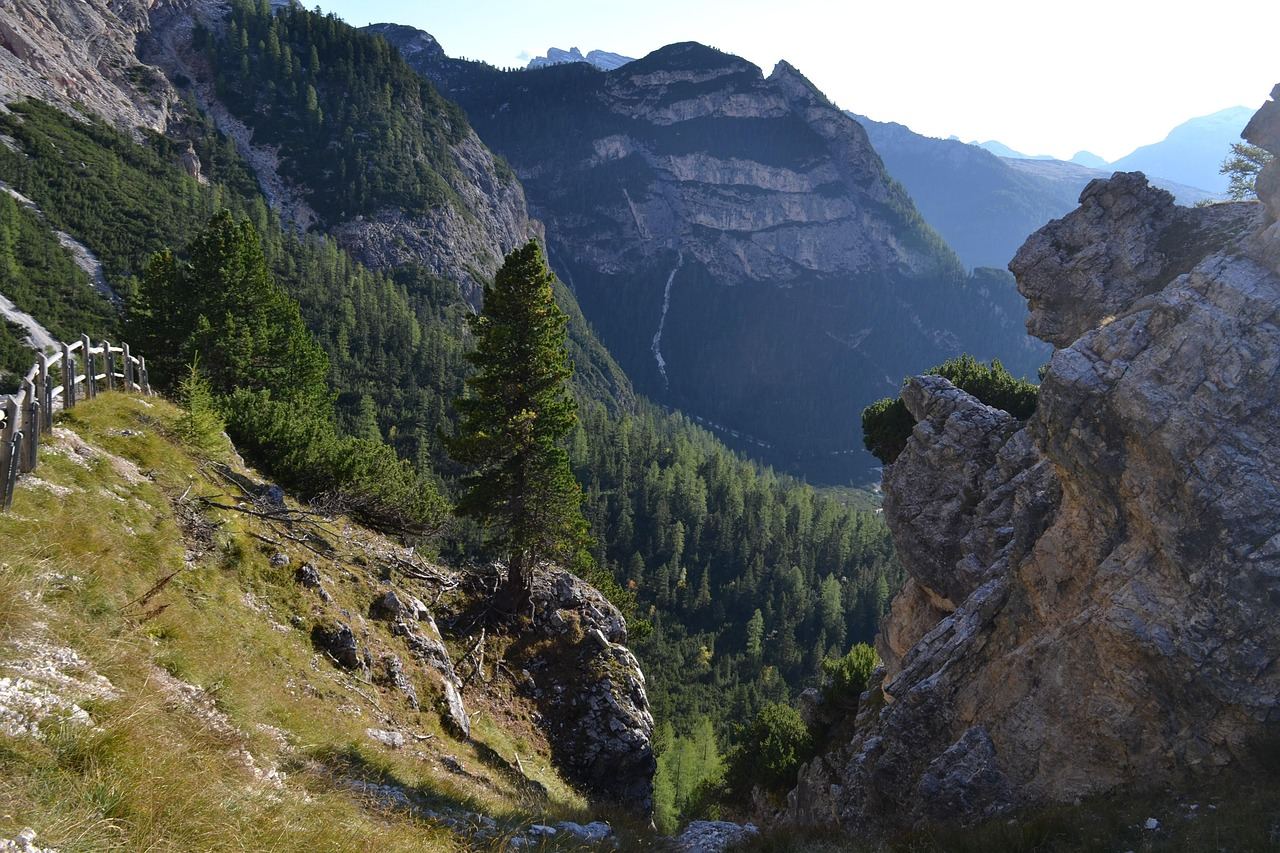
Trekking is less about the scenery and more about navigating decisions under physical stress, transforming both your fitness and mental resilience.
Getting started with trekking as a beginner can be an exhilarating way to explore remote landscapes and connect with nature over several days. Typically on established trails but far from roads and quick exits.
You carry what you need, cover serious distance, and sleep where the path takes you.
Unlike day hiking, there's no easy turnaround – the commitment is baked in before you take the first step.
Trekking involves engaging in extended self-directed hikes over multi-day trails, where you carry a backpack weighing 10-50% of your body weight, navigate rugged terrain, and perform specific physical actions such as maintaining core stability on uneven paths while planning routes and monitoring stamina throughout the trek.
Trekking induces a flow state by balancing skill-matched challenges that create immersive experiences, while skill feedback loops provide tangible progress through mastering terrain, thus fostering a sense of accomplishment and novelty that combats monotony and maintains sustained interest.
You think trekking is hiking with a fancier name. You pack snacks, you follow a trail, you take a photo at the top – that's the whole thing, right?
That assumption is exactly why most people quit after one trip and call it "not for them."
Trekking builds decision-making under physical stress – not just leg strength. Every route choice, weather read, and pacing call is a skill you're actively developing.
Something about shared effort strips the small talk faster than any dinner party ever could. That's not a side effect – it's the thing most trekkers say they didn't expect and can't stop chasing.
A friend completed her first three-day trek in the Scottish Highlands expecting a long walk. By day two, she was managing blisters, rerouting around a flooded path, and rationing food after miscalculating portions.
She came back saying it was the first time in years she'd been completely unreachable.
And completely fine with it.
That's the reframe: trekking doesn't test how fit you are – it tests how well you adapt when the plan stops working. Most beginners only figure that out after they've already bought the wrong gear.
Watching someone trek looks meditative. Fluid, even. Then you sit down with the cards and realize the mountain doesn't care about your plans.
Your first game is almost entirely reactive. Someone takes the summit you were heading toward. Your hand is full of cards that don't match the terrain in front of you. The surprise isn't that you lose — it's that you never felt in control for a single turn.
By your third session, tent placement starts to make sense — not as a rest stop, but as a threat. You begin to see camps the way stronger players use them: to block routes and force inefficient detours. The players who look passive are often the ones controlling the board.
The thing that reframes everything is your hand limit. Most beginners treat it as a ceiling — burn cards, move fast, summit often. Holding cards costs you nothing; playing them early costs you the summit. The player who moved half as much and said half as much just beat you — and once you see why, you can't unsee it. The next section is about the habits that keep new players from ever reaching that moment.
When to start: Early morning
Duration: 1.5 hours
Cost to try: $10
Success criteria: If you reached the trailhead, finished a 3-mile beginner trail, and returned with your map unused, do session 2.
Gear shops make it too easy to buy boots and head straight to the trailhead – unbroken boots on a long descent will destroy your toenails and sideline you by day two.
Wear your boots on grocery runs, commutes, and short walks for at least 3–4 weeks before trusting them on anything over 10km.
First-timers treat the pack like a safety blanket – if something could happen, it goes in.
Cut anything you're bringing 'just in case' that you've never actually needed before, and aim for a base pack weight under 10kg for day treks and under 14kg for multi-day.
The first hour feels easy, elevation is still low, and your legs are fresh – so you push the pace and blow up by the halfway mark.
Lock into a 'conversational pace' from the first step: if you can't speak a full sentence without gasping, slow down immediately.
Beginners train for going up – the downhill is where knees get wrecked and ankles roll.
Extend your trekking poles by 5–10cm before descending and practice short, controlled steps rather than striding out.
Most people drink reactively – they wait until thirsty, which on a cold morning at altitude means they're already behind.
Start drinking 500ml in the first 45 minutes regardless of how you feel, before the sun and exertion compound the deficit.
Trekking happens on hiking trails, national parks, and multi-day backcountry routes – anywhere from a local woodland path to a designated long-distance trail system.
Most serious trekkers train on marked trail networks, but your first ten outings will likely happen within 30 miles of home.
Tell the group you're a beginner who wants to build distance gradually – that one sentence gets you placed on the right-difficulty walk and paired with someone who actually knows the route.
Skip the vague intro. Specificity signals you're serious, not just browsing.
Not every trek is a week in the Himalayas. Here's what's actually out there.
This is trekking without the overnight commitment – you go out, you come back, you sleep in your own bed.
Best for absolute beginners who want to test their legs and gear before spending money on anything serious.
No tent, no sleeping bag, no special permits – your existing trainers will probably get you through the first few months.
You carry everything you need and sleep in the wilderness. It's the version most people picture when they say "trekking."
Best for hikers who've done several day hikes and want the full experience – solitude, stars, actual disconnection.
Gear costs jump significantly here – a decent shelter, sleep system, and pack can run $300–$800 before you buy food.
You hike between staffed mountain huts that provide meals and beds. Think multi-day distance, minus the heavy pack.
Best for people who want the scenery and the mileage without carrying 40 pounds up a switchback.
Popular in the Alps and parts of Scandinavia – hut fees vary, but expect $40–$100 per night including dinner.
Running-adjacent trekking. You move faster, carry ultralight gear, and cover distances in days that would normally take a week.
Best for trail runners or experienced hikers who find standard pacing frustrating.
Ultralight gear is expensive – a sub-1kg shelter alone can cost more than a full beginner backpacking kit.
You walk an entire long-distance trail end to end. The Appalachian Trail. The PCT. The Te Araroa. Months, not days.
This is not a variant to drift into – it requires serious planning, resupply logistics, and a few months off your life.
Best for experienced hikers who've already done multi-day trips and know exactly what they're getting into.
For something adjacent, see Peak Bagging.
Spearfishing lives in the same world — different mechanics, similar appeal.
Most beginners obsess over fitness — longer runs, stronger legs, more miles. The cardio isn't the ceiling. Pacing judgment is.
The single skill that separates people who improve from people who plateau is learning to feel the difference between working hard and burning the match. On a climb, that means knowing whether you can hold your current pace for another 20 minutes — or whether you're already in the red without realizing it.
Fitter than everyone in the group.
Still the one sitting on a rock at the halfway point.
Watching your snacks.
That's what hiking by emotion instead of actual output looks like. Most hikers can't feel the difference between "working hard" and "already in the red" — and that gap is exactly where the whole day falls apart. When you build this skill, your energy stops bottoming out in hour two and distributes across the whole day instead.
Train it with one simple test: hike the first 30 minutes embarrassingly slow, then check how you feel at minute 45. The gap between your instinct and your actual output is the thing you're calibrating. The next section covers the terrain types where this judgment gets tested hardest.
Four hikes in 30 days. That's the test. Not four epic mountain missions — four walks that take you off pavement and into terrain that requires actual attention, spaced out enough that you're reacting to memory, not just momentum.
If you're already planning the next one before you've unlaced your boots, that's not just enthusiasm — that's active anticipation, which is the actual signal. Start tracking your routes in AllTrails and put some elevation on your next outing before anything else changes.
If you finished all four and felt fine but haven't thought about it since, that's usually a terrain or distance mismatch, not a personality mismatch. Try one session with real elevation gain before writing it off — flat walks undersell what trekking actually feels like.
If you were counting down to the end every single time, be honest about what specifically felt wrong. Physical struggle changes with fitness — but if it was the solitude, the slowness, or the fact that you just wanted to be somewhere else, that's a clean answer. Don't extend the test.
You keep saving trail photos and route maps you have no current plan to use. That low-grade collecting behavior — the AllTrails bookmark folder, the screenshot of someone's gear list — is your brain telling you it's already decided.
A chronic lower-body or joint injury without a managed rehab plan is a hard stop. Uneven terrain will accelerate the damage, not build tolerance around it.
No trail access and no car is a logistical problem that kills the habit before fitness or motivation ever get a chance. The hobby requires getting somewhere first, and that friction is real.
If you need fast feedback loops to stay engaged, trekking will starve you. Progress is slow, scenery repeats, and there are no points. Some people need more stimulus than a long walk provides — that's not a flaw, it's just different wiring.
Trekking is a deeper commitment than most boredom cures — for lighter options, check things to do when bored.
Trekking involves longer, multi-day journeys through remote terrain, often requiring camping or lodge stays, while hiking is typically a day trip on established trails. Trekking demands more endurance and self-sufficiency, whereas hiking is more accessible for casual outdoor enthusiasts.
Most treks range from 3 to 14 days, depending on difficulty and destination. Beginner-friendly treks might take 3–5 days, while challenging alpine or remote treks can last 2–3 weeks.
Beginners can start with easy, shorter treks that require basic cardiovascular fitness and moderate endurance. As you build strength, you can tackle longer routes and higher elevations—proper training 4–6 weeks in advance helps prevent injury.
Budget treks range from $300–$800 for short domestic routes, while international trekking holidays typically cost $1,500–$5,000+ depending on destination, duration, and guide services. DIY self-guided treks are cheaper than guided expeditions.
Essential items include a comfortable backpack (40–60L), waterproof hiking boots, weather-appropriate clothing layers, a sleeping bag, and a tent for multi-day trips. Start with basics and invest in quality gear gradually as you determine your trekking style.
Yes, with proper preparation and common sense—start on well-established trails, trek with a guide or group, carry emergency supplies, and check weather conditions. Most risks come from inadequate training or equipment, both of which are easily preventable.