BoredomBusted — Find Your Next Favorite Thing To Do
Discover hobbies, activities, places, and ideas that spark joy. Whether you're looking for something creative, active, social, or relaxing, BoredomBusted helps you find your next favorite thing to do.
Browse our hobby guides, things-to-do collections, and place ideas to never be bored again.
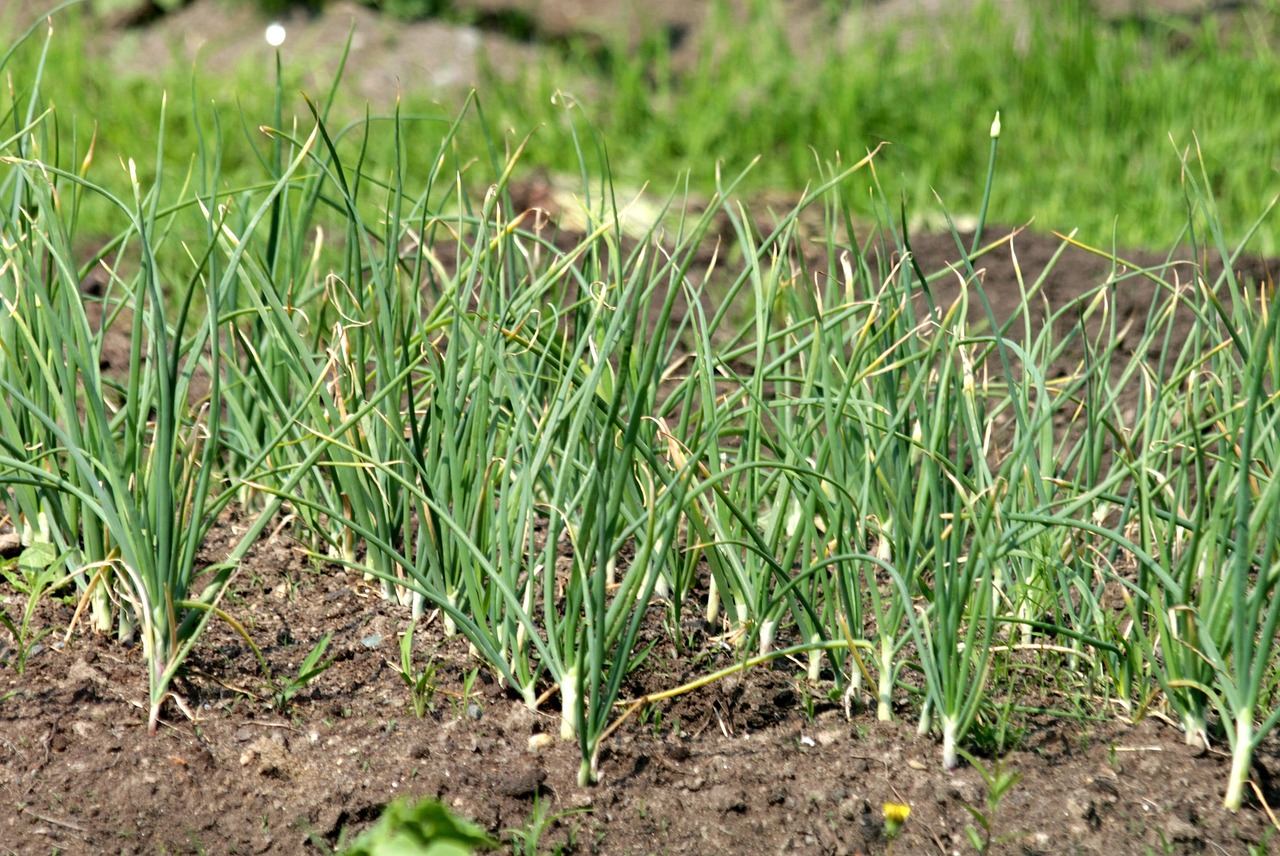
Most beginners see vegetable gardening as just planting seeds — but it’s really about developing a feedback loop with nature's variables to boost yields.
Starting out in vegetable gardening as a beginner involves understanding how to grow edible plants effectively, whether from seed or seedling, in soil, containers, or raised beds, managed through watering, feeding, and pest control.
Unlike flower gardening, the feedback loop is edible: every decision you make shows up on your dinner plate.
In vegetable gardening, you engage in daily hands-on tasks like watering, transplanting seedlings, weeding, harvesting ripe produce, and inspecting for pests, typically spending 30 to 90 minutes per session nurturing edible plants in outdoor beds, raised planters, or pots.
Vegetable gardening fosters a flow state through repetitive, focused tasks, providing immediate skill feedback and a sense of accomplishment as you witness daily growth and enjoy the tangible rewards of your efforts, such as fresh vegetables.
You think vegetable gardening is just putting seeds in dirt and waiting.
Maybe some watering. Maybe a tomato in August if you're lucky.
That assumption is exactly why most first gardens fail – and why most people blame themselves instead of the gap in what they were told.
A friend planted zucchini every summer for four years and quietly decided she just wasn't good at this. One move changed everything: she shifted her bed two meters. She'd been planting in six hours of sun instead of the eight zucchini actually need, and her yield tripled the next season without changing anything else.
Vegetable gardening is a feedback system. Every season hands you data. The "boring maintenance" weeks in the middle are where almost all of that data lives – not the planting day, not the harvest, but the stretch where nothing looks wrong yet.
Not a task list.
Not a set of instructions.
A living thing you're learning to read – and the variables are finite enough that most beginners can close the gap in a single season once they know which ones to watch.
The next section covers exactly which variables matter most in that first critical stretch.
Watching someone harvest a bowl of tomatoes from their backyard looks effortless.
Starting a garden means guessing, dead seedlings, and weeks of dirt under fingernails. The gap between "I want a garden" and "I have a garden" is mostly just showing up when nothing looks like it's working yet.
Nothing's happening.
You check again.
Still nothing.
You're three days in and already wondering if you planted them wrong — and this is exactly where most people quit before the garden ever gets a chance to prove them wrong.
Week one, you plant things, water them, and spend five days staring at soil that does absolutely nothing visible. Week two, something sprouts — but so does the thing you didn't plant, and you won't know which is which yet. Week three is where most people convince themselves they've already failed — yellowing leaves, overwatering, a quiet spiral. Week four, one thing looks genuinely healthy, and that one thing resets your entire relationship with the other plants.
If you want early momentum, skip seeds for your first round. Transplants from a nursery give you something already alive and already rooted — weeks ahead of where a seed would be. Seeing a healthy plant up close before you try growing one from scratch isn't cheating — it's the fastest way to learn what you're actually aiming for.
The next section covers the mistakes that keep people stuck in the frustrating half of this longer than they need to be.
When to start: Early morning
Duration: 1 hour
Cost to try: $0
Success criteria: If you plant a small row or pot of seeds at the packet’s depth and spacing, then water it evenly so the soil stays moist, do session 2.
Seed packets all say "plant after last frost," so beginners treat that as a single starting gun – and end up with a garden that produces everything in one chaotic week, then nothing.
Pick one crop every two weeks instead– this is called succession planting, and it's the difference between a salad all summer and a zucchini crisis in July.
Use tools like this Frost Date Calculator to determine your local frost dates and when it’s safe to start planting.
Starting from seed feels more "real," so beginners do it for everything – including tomatoes and peppers, which need 8–10 weeks of indoor lead time most people don't plan for.
Buy transplants for nightshades (tomatoes, peppers, eggplant) your first year, and save direct-sowing for things that actually prefer it – beans, carrots, and radishes.
A daily watering habit feels responsible, but more vegetable seedlings die from overwatering than from drought – roots need air as much as moisture.
Stick your finger two inches into the soil before watering; if it's still damp, walk away.
The spacing on seed packets looks wasteful when you're holding a tiny seedling – so beginners cram plants together and wonder why nothing produces.
Follow the packet spacing exactly, or your plants will shade each other out and airflow drops, which is when fungal problems start.
You want tomatoes. Your yard gets four hours of sun.
Those are not compatible– tomatoes need eight hours minimum, and no amount of enthusiasm fixes a shady plot.
Check your site's sun exposure for a full day before you buy a single seed, then build your first garden around what your conditions actually support.
Vegetable gardening happens wherever you have soil, light, and a water source – backyard garden, community garden plot, or even a balcony/container setup if space is tight.
Tell the group you're brand new and ask what they wish they'd known in their first season – that question alone will get you a 45-minute conversation and probably a bag of starts you didn't have to pay for.
Experienced gardeners are aggressively generous with beginners – showing up humble gets you more than showing up with questions you already half-Googled.
You grow entirely in pots, buckets, or raised planters – no ground required. This is the clearest starting point for beginners, especially renters or anyone without yard access.
Containers cost $5–$30 each; a full beginner setup runs $50–$100 including soil and starts.
A contained, above-ground frame filled with custom soil mix. It drains better, warms faster, and gives you serious control over what your plants are growing in – which matters more than most beginners expect.
Best for people with poor native soil or anyone who wants a tidier, more manageable plot.
Lumber and soil for a basic 4x8 bed runs $80–$150.
The traditional method – dig, amend, plant in rows directly in the earth. It scales well and costs almost nothing beyond seeds, but you're at the mercy of whatever soil you've got.
Best for people with decent yard space and some patience to work the ground properly.
A grid-based system that maximizes yield in small spaces by planting in dense, organized squares. It's almost a philosophy more than a technique – less weeding, less waste, very little guesswork.
Best for people who like structure and want to grow a lot without a lot of room.
You grow up instead of out – trellises, wall planters, stacked towers. It's genuinely useful for small patios, but don't let the Instagram aesthetic fool you into thinking it's simpler than it is.
Best for experienced container gardeners who've maxed out horizontal space.
For something adjacent, see Herb Gardening.
If the texture of this appeals to you, Succulent Gardening is built on similar bones.
If this resonates, Topiary Gardening explores a similar direction.
Most beginners obsess over what to plant. The real lever is learning to read your soil – and almost nobody teaches you how to do that before you've already killed three rounds of seedlings.
The skill is soil observation: the ability to look at, feel, and interpret what your soil is telling you before you plant anything. Not pH strips. Not lab tests. Reading texture, drainage, color, and structure with your hands – and knowing what each one means for the plant you're about to put in the ground.
When you can read soil, you stop guessing why your tomatoes are stunted or your carrots fork sideways – the answer is almost always visible before you even sow a seed. Without it, you keep adjusting watering and sunlight while the real problem sits two inches underground.
Eight sessions over 30 days — roughly twice a week. That matches the actual rhythm of vegetable gardening: plants need checking, watering, and adjusting on a cadence that once-a-week visits can't capture.
Eight sessions gets you through a germination, a few watering cycles, and at least one moment where something either grew or died. That's enough real data to make a honest call.
If you kept finding reasons to go outside and check on things between scheduled sessions, that's not habit forming — that's genuine pull, and it means you should stop treating this as a trial and start treating it as a hobby. Get a proper seed-starting setup and a simple grow journal before the next growing window opens.
If you completed every session and felt nothing in particular, the scale was probably wrong. A single pot of tomatoes doesn't give gardening a fair hearing — try a small raised bed or a three-container setup with different crops before you write it off.
If the watering felt like maintenance on something you didn't care about — not difficult, just pointless — that's a clean answer. Resenting the upkeep this early is the hobby telling you something. Don't invest in a raised bed build trying to change that feeling.
The sign worth paying attention to: you're standing in the produce aisle reading the label to see where it was grown, or you slowed down on a walk to look at someone else's raised beds. That background curiosity about where food comes from is the hobby already taking hold before you've planted a thing.
No outdoor space and no budget for grow lights is a real wall — not a mindset problem. Container gardening on a balcony works, but a north-facing windowsill without supplemental lighting produces frustration, not food.
If your schedule disappears for weeks at a time — travel, irregular shifts, unpredictable stretches — vegetables won't wait. Most crops punish inconsistency with outright failure, and early crop failure ends more gardening careers than difficulty does.
Chronic back or knee problems make traditional in-ground gardening genuinely painful. Raised beds solve most of that — but they cost more upfront, so factor that in before you commit to the format.
If nothing here clicks, our guide to what to do when bored covers shorter, lower-commitment options.
You can start with as little as 4x4 feet of garden bed space or even use containers on a patio or balcony. Most beginners find a 100–200 square foot plot manageable for growing a variety of vegetables year-round. The size depends on what you want to grow and how much produce you hope to harvest.
Tomatoes, zucchini, lettuce, peppers, and green beans are forgiving crops that thrive with basic care and minimal pest problems. Herbs like basil and cilantro are also excellent starter plants. Start with 3–4 easy varieties your first season to build confidence before experimenting with more challenging crops.
Most vegetables mature between 50–90 days, though it varies by crop—lettuce can be ready in 4–6 weeks, while tomatoes and peppers take 60–90 days. You'll see seedlings sprouting within 7–14 days of planting. Timing depends on your climate and the specific variety you choose.
A basic garden setup costs $100–$300 for soil, seeds, tools, and containers or raised bed materials. Starting with seeds is much cheaper than buying seedlings, and many gardeners recoup costs by mid-season through harvests. As you expand, ongoing costs are minimal—mostly seeds and compost each year.
Vegetables need nutrient-rich, well-draining soil with a pH between 6.0–7.0 and plenty of organic matter like compost. Test your soil before planting to identify nutrient gaps, then amend with compost or organic fertilizer. Healthy soil is the foundation of a productive garden and reduces pest and disease problems.
Many regions support year-round growing with proper planning—cool-season crops like kale and spinach thrive in fall and winter, while warm-season crops grow in spring and summer. Check your local growing zone and frost dates to plan seasonal plantings. Cold frames or row covers extend your growing season in cooler climates.