BoredomBusted — Find Your Next Favorite Thing To Do
Discover hobbies, activities, places, and ideas that spark joy. Whether you're looking for something creative, active, social, or relaxing, BoredomBusted helps you find your next favorite thing to do.
Browse our hobby guides, things-to-do collections, and place ideas to never be bored again.
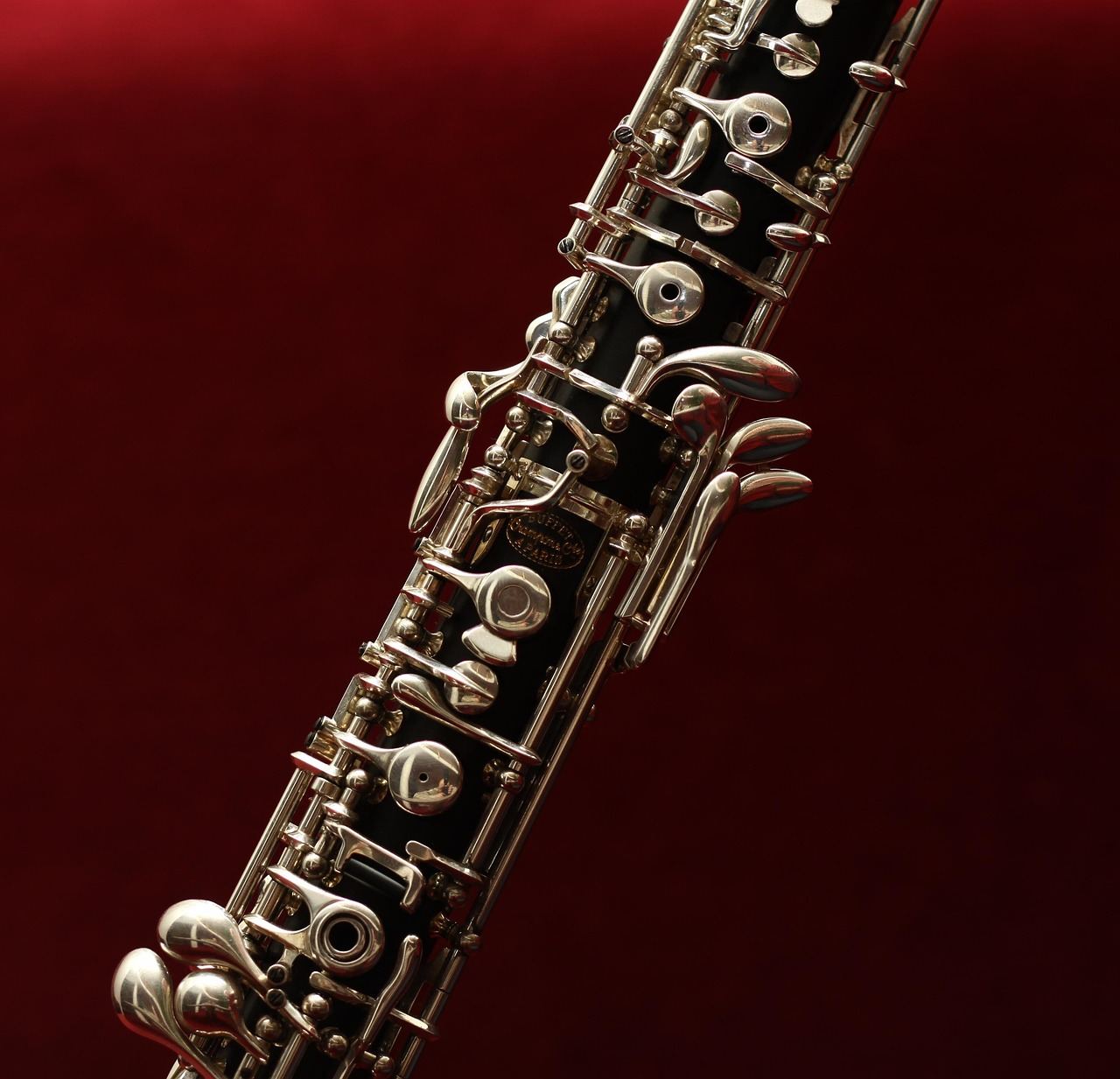
Oboe players aren't just assigned the instrument; they master breath control and reed-making, gaining skills that reshape their lung capacity and artistry.
Learning the oboe as a beginner opens up a world of rich musical expression through its distinctive double-reed design. The oboe is a unique double-reed woodwind instrument, played by blowing air between two thin pieces of cane bound together.
This reed vibrates to produce sound, shaped by your fingers and embouchure.
Unlike the flute or clarinet, the oboe's tone comes entirely from the reed. You'll eventually make your own reeds, adding a craft dimension that most instruments don't offer.
In oboe practice, you focus on structured solo sessions lasting 2-3 hours, engaging in long tone exercises, embouchure drills, and scales. You manage breath control while adjusting your posture and core muscles to support airflow, using precise finger movements to execute intricate melodies and rhythms.
Oboe practice induces a flow state by challenging you with precise technical demands that require full concentration, providing immediate auditory feedback that transforms awkward attempts into mastery. This process fosters a sense of accomplishment and intrinsic motivation through tangible progress and creative expression, keeping your sessions dynamic and engaging.
You think the oboe is a footnote instrument. The weird nasal thing in the orchestra that nobody picks on purpose – just gets assigned to a kid who missed clarinet tryouts.
That assumption is costing you one of the most technically interesting instruments alive.
The oboe demands precise breath control, sculpting pressure with your whole body instead of just blowing air. Players often find this skill transforms their approach to music and beyond.
Making your own reeds isn't just an extra task – it's a second craft involving woodworking, acoustics, and feel, all wrapped in one.
In an ensemble, the oboe sets the tuning for the entire orchestra. Every other musician listens to you before a single note is played, putting you at the center of the sound.
A professional once said learning the oboe felt like "getting a PhD in your own lungs." She wasn't exaggerating.
Oboe players develop CO2 tolerance and diaphragm awareness unmatched by most wind players. This instrument demands intense focus from the start, challenging you every day.
The physical side of this isn\u0027t a warning. Think of it as the reason why this journey will change your perception of music itself.
Let\u0027s explore how this intricate skill set opens new paths.
Picking up the oboe is not as effortless as it seems when watching others. Instead of harmonious notes, you might hear a sound closer to a struggling goose. It's a reality check that many face.
Each day starts with excitement. The reed finally arrived. You watched all those YouTube tutorials. Controlling breath seemed straightforward in theory.
Then reality sets in. By the end of the first week, your jaw aches and the reed feels off. This discomfort is part of the initial learning curve.
In the second week, playing more than 10–15 minutes leaves your embouchure muscles exhausted. It's challenging, but forcing through will only worsen the strain. Let recovery time work its magic.
By week three, you'll notice some notes sounding intentional rather than accidental. Those small victories feel pivotal.
It's not all about technique. Understanding that oboe reeds aren't standardized is crucial. A cheap reed from a music store could derail your learning. Invest in quality reeds from a dedicated maker—spending $15–25 per reed ensures better progress.
These insights only matter if you avoid common pitfalls. Next, we'll explore mistakes that steal your momentum.
When to start: Early morning
Duration: 1 hour
Cost to try: $0
Success criteria: If you can play a clean C major scale and hold a steady tuner reading on three long notes, do session 2.
Reed-making is a skill all its own, best tackled after mastering the basics of playing. Starting with making reeds can feel like part of learning, but it's a complex craft that can distract you from actual practice.
When the tone is sharp or airy, many squeeze the reed for control. But biting only collapses the reed's opening, misguiding your embouchure.
Many skip the simple step of testing the reed with a crow. Without this, you might spend practice time fighting a poorly functioning reed.
Long tones can feel effective, but playing them mindlessly tends to build incorrect pitch habits.
A dry environment can damage your oboe and reed, leading to costly cracks and poor performance.
Oboe practice is best where noise isn't a problem. Use music practice rooms, community music schools, or local arts centers with dedicated rehearsal spaces.
Join an ensemble after mastering the basics. Playing with others helps you progress beyond the beginner stage.
Introduce yourself as a beginner oboist seeking low-pressure experience. This approach guides you to the right groups and contacts interested in nurturing new talent.
The modern conservatory-system oboe is where every new player should begin. Your teacher, method books, and rental programs will all steer you toward this instrument.
The English horn is an alto oboe with a darker, rounder sound. Expect to pay $3,000–$6,000 for a quality instrument.
Perfect for oboe players with strong fundamentals who want deeper tonal options.
The oboe d'Amore's softer tone fits between the oboe and English horn, popularized by Bach.
Ideal for intermediate-to-advanced players focused on Baroque pieces. Typically rented rather than owned.
The bass oboe is rarely seen outside specialized contemporary ensembles. Pitched an octave below standard, it's suited for professionals exploring niche works.
The Baroque oboe is for those interested in historical performance. It comes with fewer keys and needs a different embouchure and reed strategy.
Best for modern oboe players interested in authentic period ensemble work.
A close neighbor worth considering: Tuba.
For something adjacent, see Music Production.
If you want a related angle, Trombone is the natural next stop.
The essential skill for improving as a player is reed awareness. It's about understanding what your reed is doing and adjusting your playing to suit it.
Reeds vary greatly, and not even two from the same maker will play the same. The musicians who excel are those who listen to their reed and stop fighting it.
Developing reed awareness stabilizes your tone across registers and fixes pitch issues. You're no longer forcing uniform pressure on an instrument needing constant micro-adjustment.
Once you trust your reed awareness, you'll find that embouchure adjustments make more sense.
Commit to 12 sessions over 30 days, around three per week. Each session should last 20–30 minutes.
That number matters because the oboe's biggest early barrier is the reed, not the music. You need enough repetition to distinguish "this instrument is hard" from "this instrument is wrong for me." Twelve sessions help you move past embouchure pain, past the squeaking, and into a place where you can genuinely hear if you like the sound you're making.
If you want to come back, that's a strong sign. The squeaking probably stopped bothering you by session six. If you're thinking about tone between practice days, it's a cue the frustration pulled you in, not out. Time to book a proper teacher and start looking at reeds seriously.
If you're indifferent, it means you showed up but didn't feel much. By week four, indifference usually indicates the instrument isn't resonating with you. Only extend another two weeks if you haven't yet managed a clean, sustained tone – hitting that milestone can change the experience for some.
If you actively didn't want to be there, take note. Dreading practice sessions clarifies that the oboe isn't for you. People who excel with it often have a slight obsession, a feeling that isn't likely to develop later.
The sign you shouldn't ignore: hearing an oboe in an orchestra or film score and feeling something specific. Not just "that's pretty," but a real pull toward that sound. Most players started because that sound hooked them before they even touched the instrument.
Plenty of people land on oboe after browsing the full hobbies list — that's a fine place to start, too.
Sometimes you just need something for the next ten minutes — that's what things to do when bored is for.
Most beginners can play recognizable melodies within 3–6 months of consistent practice. However, developing clean tone, proper breathing technique, and finger dexterity typically takes 1–2 years of regular lessons and practice to reach an intermediate level.
Student oboes range from $500–$1,500, while intermediate models cost $2,000–$5,000, and professional oboes can exceed $8,000. Rental options are available for $40–$80 per month if you want to try before investing in a purchase.
The oboe is considered one of the more challenging woodwinds due to its double-reed mouthpiece and complex fingering system, which require precise control and coordination. Many students find it more difficult than flute or clarinet, but rewarding if you're committed to mastering a sophisticated instrument.
You'll need an oboe, double reeds, a reed case, a music stand, and method books or access to lessons. Most beginners benefit from finding a qualified oboe teacher who can guide proper embouchure and technique from day one.
While the oboe is rooted in classical and orchestral music, it's also used in jazz, folk, world music, and contemporary compositions. Chamber music and solo performances are particularly popular outlets for oboe players seeking expressive, intimate settings.
Practicing 30–60 minutes daily is ideal for steady improvement, especially in the first year. Consistent, focused practice trumps longer irregular sessions—many advanced players practice 1–2 hours daily to refine technique and prepare for performances.