BoredomBusted — Find Your Next Favorite Thing To Do
Discover hobbies, activities, places, and ideas that spark joy. Whether you're looking for something creative, active, social, or relaxing, BoredomBusted helps you find your next favorite thing to do.
Browse our hobby guides, things-to-do collections, and place ideas to never be bored again.
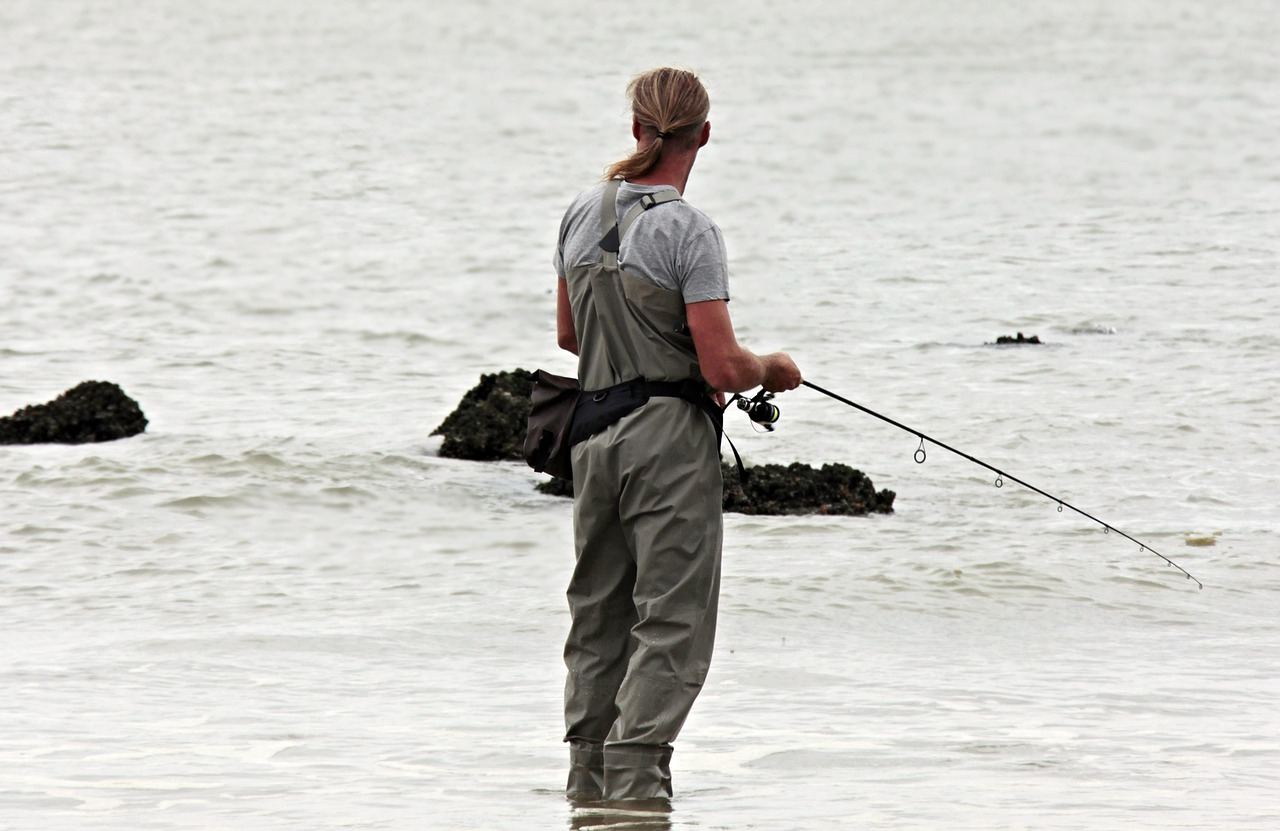
Pier fishing isn't just for lounging—it's a crash course in reading water currents and fish behavior that boat anglers pay dearly to master.
Getting started with pier fishing as a beginner allows you to enjoy the thrill of catching fish without the complexities of boats or permits.
You drop a line from an elevated platform into deeper water than most shore spots reach.
That elevation and access is the differentiator:
You're fishing depths and species that beach anglers rarely touch.
You can do this without the cost or skill floor of boat fishing.
Pier fishing involves positioning oneself on a pier and casting fishing lines into the water, using techniques like casting and retrieving, drop fishing, and pier trolling to attract and catch fish. Practitioners must observe environmental conditions, monitor water patterns, and adapt their methods based on the species targeted, creating a dynamic interaction with their surroundings.
Pier fishing engages participants in a flow state through clear goals (catching fish) and immediate feedback (line tension and visible catches), fostering incremental skill development as they learn effective techniques and adjust strategies. The unpredictability of fishing outcomes provides a sense of accomplishment that is more tangible than abstract achievements, while the social nature of pie…
You think pier fishing is what retired guys do between naps. Cast out, wait, maybe get a bite, go home. No skill required, just patience and a lawn chair.
That assumption is costing you one of the most technically interesting entry points in all of fishing.
Piers are current maps. Water moves differently around every piling, every shadow edge, every depth drop. Reading that movement is the same skill offshore anglers spend years developing.
Pier fishing puts you over structure constantly. You learn fish behavior faster than someone casting into open water with nothing to read.
The casting constraints are real. Tight quarters, wind, other lines nearby – navigating them builds rod control that translates directly to every other format you'll ever fish.
Marcus fished the same 40-foot stretch of the Chesapeake Bay Bridge-Tunnel pier for one summer. By August, he consistently targeted cobia and red drum by reading tidal current against the shadow lines. It's the same technique written up in saltwater tournament guides at twice the complexity.
The gear you bring matters more than most beginners expect. Get it wrong on day one, and pier fishing will feel just like you assumed.
Watching pier fishing videos feels like waiting forever for a screaming reel. In real life, it really is a waiting game with moments of excitement. But what's missing in the videos is an understanding of what to do during the waiting period. Most beginners spend time casting in the wrong spots, completely unaware.
Tackle scattered around, casting during the wrong tide, and being ignored by fish are common experiences.
Locals might give you a disapproving look, but once you learn some basics, things change.
You'll learn to read the current and understand how the pier creates structure underwater. Fish tend to gather on the shaded side of the pilings, close to the base. Beginners usually cast straight into the open water for weeks before realizing their mistake.
Once you cast parallel to the railing and let your bait drift toward the pilings, you'll have a better chance at a catch.
While fish might still ignore you at first, you'll start to understand why. This is the turning point for many who tough it out past the initial frustrations.
Staying beyond those frustrating beginnings leads to real success. In the next section, we'll dive into the mistakes that keep beginners stuck.
When to start: Early morning
Duration: 1.5 hours
Cost to try: $20
Success criteria: if you finished without catching a fish, do session 2.
Beginners see open water and assume farther means better – but pier fish stack up under and around the structure, not 80 yards out.
Drop a Carolina rig straight down along the pier pilings first, then work out gradually until you find where the bites actually are.
Heavy mono in moving water creates a big bow, pulls your bait off the bottom, and makes you miss the tap of a bite entirely.
Switch to 10–15 lb braid as your main line – it cuts current, transmits feel, and doesn't balloon the way mono does in tidal flow.
The tide moves, the fish move with it – beginners anchor their setup and wonder why the morning bite died.
When the bite stops, adjust your float depth or switch from bottom to mid-column before you switch spots or give up.
Four rods, a tackle box the size of a carry-on, a cooler – you'll spend more time managing your setup than actually fishing.
One rod, a small soft-sided bag, and a bucket covers 90% of pier scenarios. That leaves you hands-free to actually work the bait.
The regulars on that specific pier know the tide timing, the current bait, and which section holds fish that week – and most of them will tell you if you just ask.
Watch who's landing fish, note what rig they're dropping, and introduce yourself. That five-minute conversation beats any YouTube tutorial filmed on a different coast.
Pier fishing is any fishing from structures like ocean piers, lake piers, boardwalk platforms, and jetties. These are common venues for those who enjoy the sport.
Connecting with local pier fishing clubs is a game-changer. Search for "pier fishing club [your state]" to find official club pages for nearby groups.
Apps like Fishbrain and Anglr offer location-based features. Here you can connect with local pier fishing enthusiasts who regularly post and organize meetups.
Check your state's fish and wildlife agency website. They often list regional fishing clubs, including pier fishing groups under "saltwater" or "shore fishing."
While the American Sportfishing Association (ASA) doesn't focus on piers, their directory is a reliable resource for finding organized angling groups scattered across the country.
Approaching fellow pier fishers is straightforward. Spot someone actively catching fish, then approach with a friendly: "I'm just getting started – do you mind if I set up nearby?"
This usually leads to learning opportunities: gear checks, bait tips, and even a watchful eye on your rod while you take a break.
Not every pier fisher is chasing the same goal.
Drop a weighted rig to the seafloor and wait for bottom-dwellers like flounder or redfish. Pier setups make this accessible for newcomers.
Ideal for beginners looking for a straightforward start.
Cast toward breaking waves at the shallow end. Timing here is crucial, as you're pursuing fish that move with the tide.
Perfect for those who thrive on active fishing and assessing water conditions.
A Sabiki rig catches live bait like anchovies or sardines directly from the pier. It's fishing for bait, not dinner.
Best for those who aim to catch bigger fish and don't mind extra prep.
The rig costs under $5, but you'll need a livebait bucket.
Night transforms the pier, bringing larger species like sharks or tarpon into shallow waters.
Experienced anglers will find this most rewarding without fumbling with gear.
Drop a crab trap or chicken-neck line to pull up blue crabs or Dungeness.
Great for families or anyone wanting consistent action without waiting.
A basic trap costs $15–$30.
Another variant that pulls from the same roots is Tenkara Fishing.
If this resonates, Bass Fishing explores a similar direction.
Most beginners burn energy optimizing bait – fresher shrimp, better cuts, different colors. They miss the main game.
It's not the bait that matters.
It's learning to read pier structure for current seams – where moving water collides with pilings and shadows.
Fish gather where currents create holding zones, not randomly. Every pier has a few spots doing most of the work. Find these, and your results change.
Identifying seams lets you fish strategically, based on where fish actually hide. You'll outfish others with identical gear just by changing locations. Without seam-spotting, you waste time on empty water, mistaking it for bad luck.
Four sessions in 30 days will give you clarity. Aim for one session per week so you can really get to know how the pier feels– the different tides and crowds.
If you're planning the next trip before this one's done, you've found your fit. This is more than just liking it – it's feeling at home. Now's the time to explore better gear and learn a new rig for your setup.
If the sessions were just okay, that's telling. The solitude or waiting might not be for you. Give it a try with a friend before calling it quits, as the experience shifts entirely with company.
If watching the clock became your hobby, recognize that's a sign. Pier fishing requires patience with long stretches of nothing. It's okay if that kind of quiet is too dull or draining for you.
You're hooked if you're up late watching people catch fish off piers at dawn. The pelicans, the bustling pier – if that's what pulls you in, it's a match.
Pier Fishing is a deeper commitment than most boredom cures — for lighter options, check things to do when bored.
Pier fishing typically yields species like mackerel, snapper, grouper, flounder, and mullet, though the exact catch depends on your location and season. Coastal piers often attract both saltwater gamefish and bottom-feeders, making each trip unpredictable. Check local reports or speak with pier staff to learn what's biting during your visit.
You can start pier fishing for $50–$150 if you already have basic rod and reel, or $150–$300 to buy a beginner-friendly setup. Most public piers charge $5–$15 for daily access or offer free admission. Many piers sell bait and tackle on-site, so you can buy what you need when you arrive.
License requirements vary by state and pier type; some public piers are exempt from licensing, while others require a saltwater fishing license. Check your local fish and wildlife department or the pier's rules before you go. Many states offer temporary licenses if you don't want to commit to an annual pass.
Pier fishing can yield results within 30 minutes, though you might spend several hours without a bite depending on tides, weather, and fish activity. Early morning and evening are prime times for most species. Patience is key—many anglers view pier fishing as a relaxing, social activity rather than a guaranteed-catch outing.
Spring and fall typically offer the best pier fishing, as water temperature shifts trigger feeding activity and seasonal migrations. Summer can be productive early morning or late evening, while winter is slower in many regions. Local pier reports and tide charts are your best guides for planning the perfect visit.
Pier fishing is one of the most beginner-friendly forms of fishing—you don't need a boat, special skills, or years of experience to start. Most public piers have staff and experienced anglers nearby who'll happily share tips and techniques. Bring basic gear, some bait, and patience, and you're ready to fish.