BoredomBusted — Find Your Next Favorite Thing To Do
Discover hobbies, activities, places, and ideas that spark joy. Whether you're looking for something creative, active, social, or relaxing, BoredomBusted helps you find your next favorite thing to do.
Browse our hobby guides, things-to-do collections, and place ideas to never be bored again.
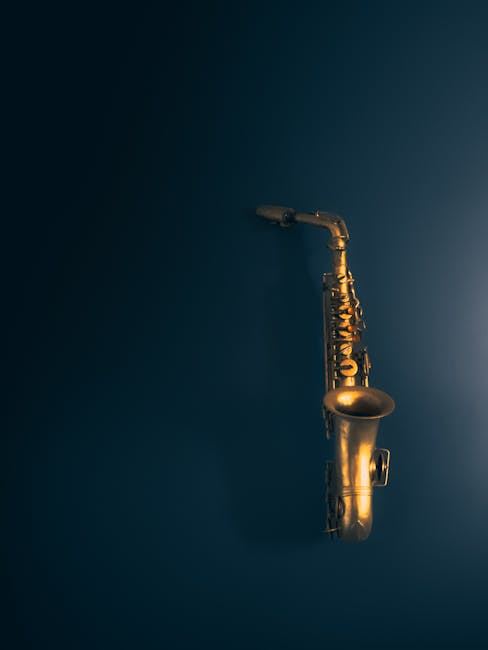
Saxophone practice isn't just about music—it's a unique workout for the brain that boosts creativity and builds confidence through improvisation.
Learning the saxophone as a beginner allows you to quickly achieve a recognizable tone and enjoy making music right away.
Invented in the 1840s, it creates sound when a vibrating reed sends air through a conical brass body.
Mastery demands years of practice focusing on breath control and embouchure.
Practicing the saxophone involves structured sessions where you engage in body and rhythmic warm-ups, perform interval and overtone drills, and work on scales and creative line-building, all while focusing on physical coordination, sound production, and technical precision.
Saxophone practice induces a flow state by balancing physical and cognitive challenges, provides immediate auditory feedback through sound improvements, and fosters creative expression by allowing for personalized improvisation, which builds both skill and confidence.
You think the saxophone is a "cool but hard" instrument. One you admire from afar, convinced it's for jazz prodigies or those with serious musical training.
This assumption is robbing you of a hobby that gives wins faster than almost anything else
Most people think the barrier is reading music or having a good ear. But the real barrier is getting the embouchure right once, which usually clicks in the first two weeks.
The sax is unique. Sounding recognizably good happens long before you're technically perfect. That gap is where the fun lives.
And forget about deep jazz theory—you can fake a blues melody with just five notes, a backing track, and a month of practice.
Dave, a 40-year-old teacher, started with an alto sax during a long winter. No prior instrument experience. By week six, he played Tequila badly enough to be charming and well enough for his family to beg him to keep playing.
That's the real entry point—not Carnegie Hall, not endless lessons.
Once you understand the real starting line of saxophone playing, it's time to consider what gear will actually help you get there.
Watching someone play saxophone may seem like second nature. It's not. The sound you produce is anything but pleasant. We're talking "neighbors-are-concerned" wrong.
That sparkly saxophone from YouTube becomes an exhausting challenge. Jaw aching, fingers missing keys, and your reed offering about as much guidance as a squeaky goose. This is normal.
The first week is all about fighting embouchure. Holding the mouthpiece correctly can mean the difference between a delightful tone and an ear-piercing squeak.
By week two, a clear, sustained note feels like a small victory. Meanwhile, week three introduces the challenge of aligning finger coordination with your mental music map.
In week four, you'll notice improvement. The divide between your intended sound and the actual output starts to shrink. Practice becomes more than just throwing notes into the abyss.
Sax reeds make a big difference. Invest in a box of Rico Royal 2s. Rotate to a fresh one every few sessions to learn what a good reed feels like.
The first week can sound bad and feel awkward. But remember, that's part of learning. Mistakes are steps towards becoming proficient. Let's see the common errors next.
When to start: Early morning
Duration: 1 hour
Cost to try: $20
Success criteria: If you finished without any painful hand positions or struggling to make sounds, do session 2.
The embouchure often feels shaky at first. Your jaw tries to compensate by clamping down. That tension collapses your tone.
Rest your bottom teeth lightly on your bottom lip. Use your mouth corners to seal instead of biting.
Alto is labeled beginner-friendly, but the tenor's mouthpiece angle suits adult jaws better. Many adults find tenor less awkward to handle.
Try both at a music store and rent if possible. Choose the one that feels natural to play.
Beginners dodge the octave key because upper notes squeak. Staying in the lower register misses vital muscle memory.
Practice scales in both octaves, squeaks and all. Five minutes per session helps break the fear.
A hard reed seems professional but fights you on every note. It's tempting to think the stiffer, the better.
Start with size 2 or 2.5 reeds. Only move up when middle register long tones are effortless.
Practicing in silence adjusts your ear to your own pitch errors over time. You become confident in off-pitch notes.
Use a drone app or tuner as you practice. Let your ear correct itself in real time.
Practice your saxophone where noise isn't an issue. Home spaces, music schools, community band rooms, or rented studios work well.
Parks are underrated for practice. The saxophone is loud, and outdoor spaces can be a great solution.
Music stores can surprise you. Staff often play in bands themselves. Ask them, "I'm an adult beginner, probably six months in – is this group okay for that level?" Generally, you'll get a clear answer, a music buddy, and maybe a lesson tip before you leave.
North American Saxophone Alliance (NASA) is your next big connection. Visit nasaxophone.org for event info and a directory to connect with local chapters and university studios open to community players.
Most beginners default to alto sax without knowing why. That's actually the right call – but here's what else exists and why it matters.
Perfect for beginners. The alto sax offers balance between size, cost, and learning curve. It sits comfortably in the middle register, avoiding extremes. New models cost $300–$600, with used options even less.
Best for those wanting a classic smoky sound. The tenor offers a bigger size and a lower, iconic tone. Requires more breath support, making it ideal as a second sax after mastering the basics. Expect to spend $50–$150 more compared to an alto.
A tough choice for intermediate players. Straight, small, and tricky with intonation issues punishing errors quickly. It's the least forgiving, perfect for those seeking a unique voice in jazz.
Ideal for filling out a band's low end. Low and loud, the baritone is a band staple, not suited for solo beginners. A good choice if a group needs it. Starting costs around $1,500.
A niche instrument hardly anybody starts with. Above the soprano in range and control challenges, it's for seasoned players only. Know it exists, don't start here.
If you want a related angle, Trombone is the natural next stop.
Readers who enjoy this often gravitate toward Opera Singing next.
Bagpipes is a sibling pursuit and often surfaces the same kind of curiosity.
Air column control is your game-changer. It means creating a consistent, pressurized stream of air from your diaphragm, not your throat or cheeks.
Think beyond just breathing deeply. Imagine fogging a mirror slowly and continuously. Your embouchure should shape this airflow like a nozzle, guiding it evenly.
Master air column control and technique problems vanish. Without it, your tone sounds thin and notes crack. But with a steady air column, even difficult passages become easier.
Eight sessions over 30 days—roughly two each week—should reveal whether the saxophone is right for you.
If you're frustrated when you have to stop playing, that's not just enthusiasm; that's a solid connection. Your next step is investing in a reliable student alto and setting up one structured lesson per week.
If the sessions mostly felt neutral, and nothing particularly grabbed your interest, you might have been drawn to the idea of the saxophone rather than the instrument itself. Extend by four more sessions only if you haven't yet tried playing melodies, as that might ignite your interest.
If you found yourself not wanting to even pick up the saxophone, it's a clear sign. The appeal was likely in the abstract rather than the experience. Find an activity that genuinely excites you instead.
The clue you can't ignore: hearing a saxophone in a song and analyzing how it's played—the bends, the breathy tones, the pacing. If this happens, you're already tuning in like a player.
Saxophone is a deeper commitment than most boredom cures — for lighter options, check things to do when bored.
Most beginners can play simple melodies within 3-6 months with consistent practice (30 minutes daily). Reaching intermediate proficiency typically takes 1-2 years, while mastering jazz improvisation or classical technique requires several more years of dedicated study.
Entry-level saxophones range from $300-$800 for student-grade instruments that are reliable enough for learning. Professional-quality saxophones start around $2,000-$3,000, but beginners should avoid the cheapest models under $200 as they're difficult to play and frustrating to learn on.
The alto saxophone is the best starting point—it's smaller, lighter, and easier to handle than tenor or soprano saxophones, with a warmer, more forgiving tone for learning fundamentals. Most beginner lesson books and instructors also focus on alto, making it simpler to find resources and guidance.
Saxophone is moderately challenging but absolutely learnable for adults of any age—many people start in their 30s, 40s, or beyond and progress well. The main hurdle is developing mouth strength and embouchure (how you shape your lips around the reed), which typically takes a few weeks to build.
You'll need a saxophone, reeds, a mouthpiece, a ligature (holds the reed on), cork grease, and a carrying case or gig bag. Many beginner packages bundle the instrument with reeds and basic accessories, though you may want a music stand and beginner lesson book or online instructor for structured learning.
Self-teaching is possible with online tutorials and apps, but having at least a few lessons with a qualified instructor is highly recommended to develop proper embouchure and avoid bad habits that become hard to break. Many learners benefit from a hybrid approach: occasional lessons combined with daily practice using online resources.