BoredomBusted — Find Your Next Favorite Thing To Do
Discover hobbies, activities, places, and ideas that spark joy. Whether you're looking for something creative, active, social, or relaxing, BoredomBusted helps you find your next favorite thing to do.
Browse our hobby guides, things-to-do collections, and place ideas to never be bored again.
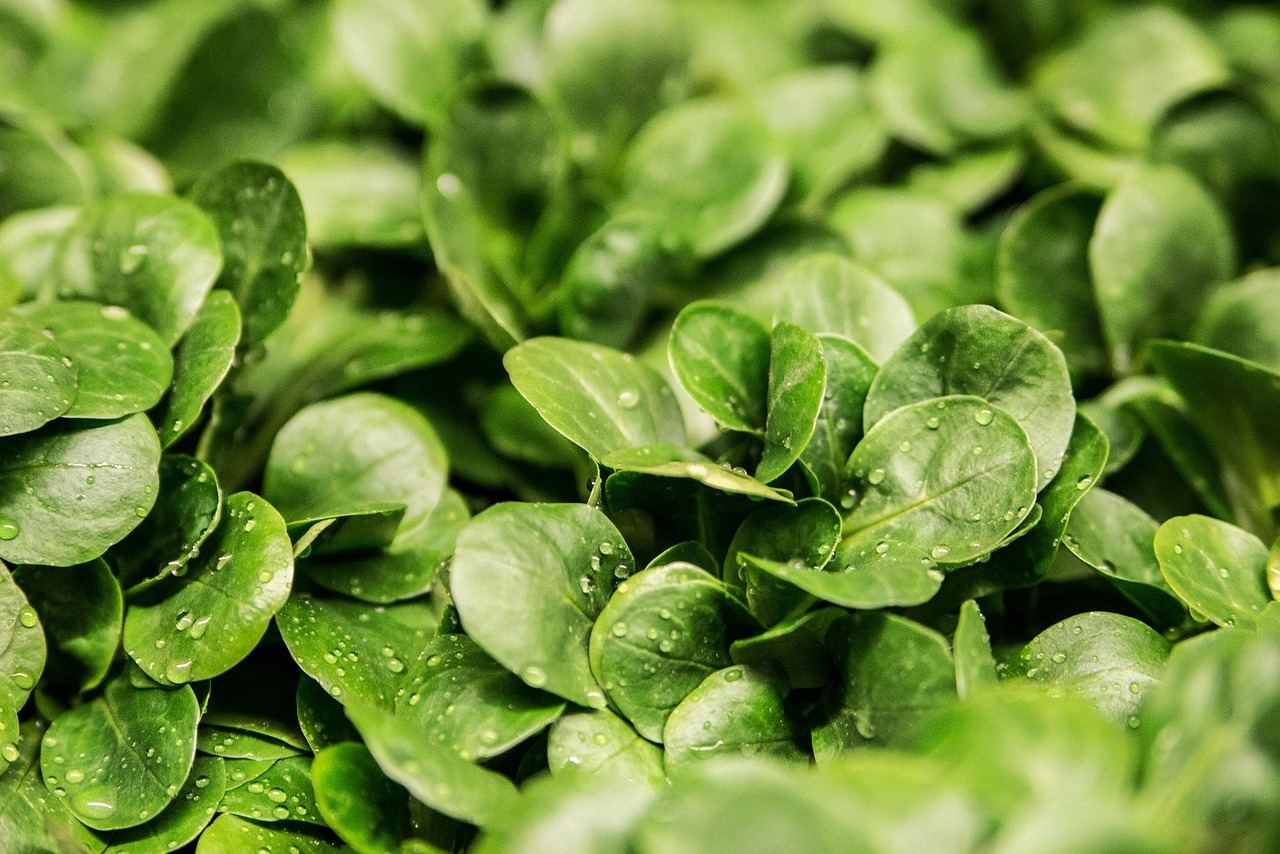
Hydroponics isn't a complex lab setup — a simple mason jar with water and nutrients can grow herbs faster than soil systems.
Learning hydroponics as a beginner opens up a world of possibilities for growing plants without the need for traditional soil.
Roots sit in or are misted with a mineral solution that delivers everything a plant normally hunts for underground.
Unlike container gardening, there's no soil to manage – and unlike aquaponics, no fish are involved.
It's just plants, water, and a surprisingly precise set of variables you control.
In hydroponics, you engage in hands-on maintenance of a soilless plant-growing system, performing tasks like checking temperature and humidity, inspecting plant health, managing nutrient reservoirs, and ensuring proper flow and aeration of the system—all of which require daily attention and adjustments to optimize plant growth.
Hydroponics activates skill feedback loops through precise daily tasks that yield visible results, creating a flow state with structured routines and immediate feedback, while the novelty of experimenting with different setups fosters engagement and a sense of accomplishment from tracking growth improvements.
You think hydroponics requires a grow tent, pumps, and a science degree. Maybe even a whole garage dedicated to it. That assumption is costing you a hobby that fits on a windowsill
Most starter systems only need a bucket, lid, and net pot – the complexity is optional, not required.
Here's the real magic:
No soil means faster growth. Plants grow up to 50% faster because roots get nutrients directly.
No obsessive monitoring needed. Basic wick systems can run for days like any houseplant.
Picture this: a mason jar, water, a pinch of nutrient mix, and a basil cutting.
That's a functioning hydroponic system. It's sitting on someone's kitchen counter right now, producing herbs they actually use.
No equipment list, YouTube rabbit hole, or weekend build project required.
Imagine starting simple and succeeding. That's what we'll explore next.
Exploring a hydroponics setup online feels almost serene. In reality, there you are at 11pm, leaning over a bucket of nutrient water. You're questioning if the pH meter is telling the truth. That calm image? It shatters pretty quickly.
You expect neat rows of success after watching a quick video. The reality is three dead seedlings, one nutrient mystery, and a spreadsheet filled with unexpected data. The process demands more attention than anticipated.
In the first week, you're mostly watching. Water levels take priority as you double-check your work out of skepticism.
By week two, something turns yellow. Troubleshooting becomes a bigger task than the setup itself ever was.
Week three reveals the true learning. One plant thrives while another struggles in the same environment, teaching lessons tutorials missed.
By the fourth week, hesitation fades. Routine sets in, shifting maintenance from crisis to care.
Set yourself up the day before, not the day of planting. This way your seedlings go into stable water chemistry, not a chaotic brew.
You're a new grower in a new system. Everything is still calibrating. This isn't failure; it's intuition in progress. Next, let's tackle the common mistakes that slow down that progress.
When to start: Early morning
Duration: 1 hour
Cost to try: $30
Success criteria: If you plant 3 seeds in net pots, keep them suspended in solution, and get all 3 to stand upright under light, do session 2.
Beginners often think the label's suggested dose is mandatory, not a limit.
Begin with 25–50% of the recommended amount. Only increase if your plants show deficiency signs after a week.
It feels final when you set your water's pH, but adding nutrients always changes it.
Test pH after mixing nutrients, not before. Keep it between 5.5–6.5 for nutrient absorption.
Hydroponics sounds like it needs excess water, but roots suffocate without air.
Ensure root tips just graze the water while the crown stays dry.
Consider an air stone if you use DWC or wick systems.
Seeing a droopy plant can cause a knee-jerk reaction: adjusting multiple things quickly.
Change only one factor and wait 48–72 hours. This helps identify what actually makes a difference.
Guides often skip water temperature, but warm water risks root rot quickly.
Keep water between 65–68°F. Use a simple thermometer and frozen water bottle for control.
Hydroponics can thrive in small spaces. Try a spare room, a garage shelf, or even a corner in the basement. Some community gardens offer indoor annexes for hydroponics enthusiasts.
Urban farms and maker spaces might have shared hydroponic setups. Great for those who aren't ready to buy their own gear.
Your local hydroponics supply store is the hidden gem. Staff there know the growers, events, and best setups in your area.
Drop by your local hydroponics store and mention you're a beginner. This one sentence can get you insights into reliable gear and invites to grow tours.
Plant roots hang directly in oxygenated, nutrient-rich water. No growing medium needed. A simple and beginner-friendly system. You get fast growth with minimal components. A basic single-bucket DWC setup costs $30–$60.
Skip the pump and electricity. Fill the reservoir once and let the plant take what it needs. Ideal for the gardener who wants minimal daily upkeep. Best for leafy greens and herbs, but don't expect it to handle large-scale growing.
A thin stream of nutrients runs over plant roots. Highly efficient but risky — if the pump fails, roots dry out fast. Best for experienced growers already familiar with running a hydroponic system.
Set a timer to flood a tray with nutrients, then drain it back. More flexible than NFT, allowing easy plant swapping. Gear is pricier upfront—expect to spend $100–$200 for a mid-size setup.
Roots hang in air, misted with nutrients. Yields the fastest growth, but also the harshest penalties for mistakes. Best suited for those with prior hydroponic experience aiming to push boundaries.
If this resonates, Herb Gardening explores a similar direction.
If the texture of this appeals to you, Culinary Tourism is built on similar bones.
Most beginners chase nutrients, tweaking and buying new formulas. The water is almost never the problem.
The roots are.
The one skill is reading your root zone by sight and smell before anything else breaks above water. Healthy roots are white or cream, slightly fuzzy, and odorless. Roots that are brown, slimy, or smell like a wet dog are telling you oxygen or temperature failed – days ago.
Diagnosing root health on sight stops you from treating leaf symptoms and shifts your focus to the source. Catch problems 3–5 days before discoloration shows up.
Without this skill, you'll misinterpret nutrient deficiencies. The root system can't uptake what's already there if it's unhealthy.
Stick with 8 check-ins over 30 days. Expect each one roughly every 3–4 days. That's aligned with how often a basic hydroponic system requires attention.
If you're constantly peeking at the setup between sessions, that's your signal. Not anxiety, but genuine investment. Keep refining the system at this pace to deepen your skills.
If you do your check-ins but feel apathetic, it might not be a lost cause. Try extending your experiment to include more complex tweaks before deciding to step away.
If you hated sticking to the schedule, that's telling. Hydroponics demands routine. If it felt burdensome from the beginning, perhaps it's time to explore another hobby.
Redesigning your shelf space at midnight? That's a clear sign. You're hooked. Hydroponics is as much about crafting the environment as harvesting plants.
Not ready to pick a hobby yet? The boredom busters page has smaller things to try first.
Basic hydroponic systems for beginners can cost between $100–$300, while more advanced setups range from $500–$2,000+. Costs depend on system size, type (Deep Water Culture, NFT, Drip), and whether you start with a kit or build your own. Initial investments in grow lights and nutrients should also be factored in.
Leafy greens like lettuce, spinach, and kale thrive in hydroponics, as do herbs like basil and mint. Tomatoes, peppers, and strawberries also perform well if your system has adequate support and lighting. Avoid plants with large root systems or long growing cycles when starting out.
Leafy greens typically mature in 3–6 weeks, while herbs take 4–8 weeks. Fruiting plants like tomatoes and peppers require 8–12 weeks or longer. Growth times are often faster than soil-based gardening due to optimized nutrient delivery and controlled environments.
Hydroponics has a moderate learning curve but is very manageable for beginners. You'll need to monitor water pH, nutrient levels, and system cleanliness, but most tasks are straightforward once you understand the basics. Starting with a simple kit designed for beginners can significantly reduce complexity.
Yes, you can use grow lights to replace natural sunlight entirely. LED grow lights are energy-efficient and designed specifically for plant growth. Most indoor hydroponic systems require 14–16 hours of artificial light daily for optimal results.
Hydroponic systems are incredibly space-efficient—you can start with a small tabletop setup in just 2–3 square feet. Vertical growing systems allow you to maximize production in limited spaces like apartments, balconies, or small rooms. Larger operations can scale to several square meters depending on your goals.