BoredomBusted — Find Your Next Favorite Thing To Do
Discover hobbies, activities, places, and ideas that spark joy. Whether you're looking for something creative, active, social, or relaxing, BoredomBusted helps you find your next favorite thing to do.
Browse our hobby guides, things-to-do collections, and place ideas to never be bored again.
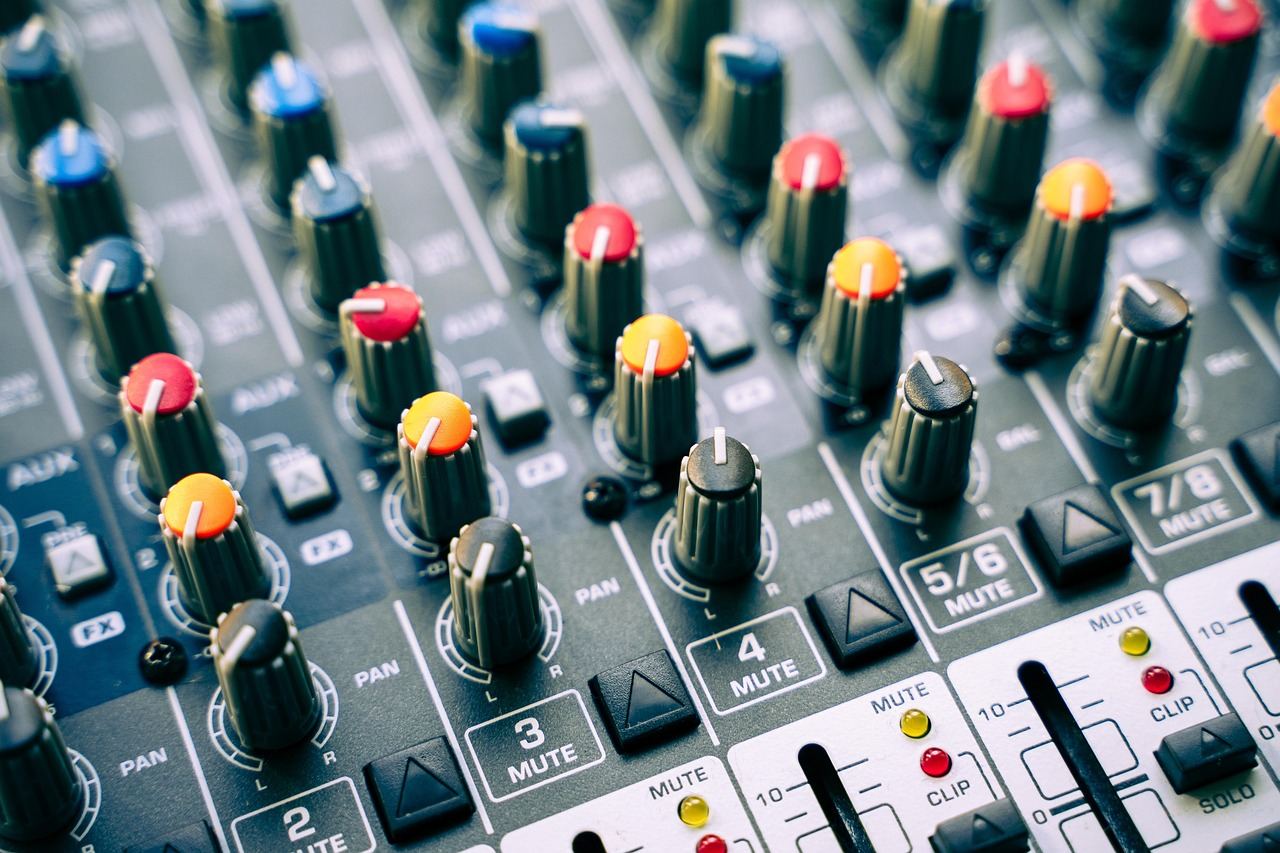
Sound design isn't just about movie effects—it's a radical shift in how you hear the world, from the resonance of drainage pipes to building sonic landscapes from scratch.
Learning sound design as a beginner involves the exciting process of crafting audio from scratch—recording, layering, and shaping sounds to create something that didn't exist before.
You manipulate raw material (field recordings, synthesizers, everyday noise) into textures, atmospheres, or effects.
Unlike music production, the goal isn't a song — it's a sound that makes you feel something before a single note plays.
In sound design, hobbyists engage in hands-on audio manipulation by capturing sounds from everyday objects and environments using portable recorders, then editing and synthesizing these recordings in digital audio workstations (DAWs) to create immersive soundscapes or unique audio effects.
Sound design fosters a flow state through intense auditory focus, where dissecting sounds immerses you deeply, while rapid feedback from tweaking audio elements provides a satisfying sense of accomplishment, transforming mundane moments into creative exploration.
You think sound design means making explosions for movies. Maybe you picture a guy in a Hollywood studio smacking a watermelon to fake a punch. That assumption barely scratches the surface of what this hobby truly is.
A field recordist in Bristol spent three months capturing the specific resonance of different drainage pipes. Not for a project, just because the harmonic differences between corroded iron and PVC were, to her, genuinely worth cataloguing. This isn't a job—that's someone who changed how they experience every walk they take.
The tools are more accessible than you're assuming right now – and the gap between "I heard a sound once" and "I made that" is shorter than almost any other creative hobby. Next up: what it actually takes to start.
Diving into sound design can feel like being given a complex instrument without a manual.
You'll face a wall of endless dials and options—it's bewildering. The tutorial pros make it all seem simple, but your attempts might sound a little chaotic.
After some initial struggle, you'll begin to recognize that certain elements lead to specific sounds.Understanding which oscillator creates what can lead to small victories. The mistakes become part of the learning process, turning confusion into curiosity.
There's confusion as you struggle for sound. Knobs everywhere, and silence is often the only thing you produce. This period of doubt is common—it's not just you. With each session, clarity replaces uncertainty, transforming bafflement into discovery.
When to start: Morning
Duration: 1 - 2 hours
Cost to try: $0
Success criteria: If you build a 30-second soundscape with at least 3 layered tracks and one clear reverb or delay effect, do session 2.
A synth with 12 oscillators makes beginners think more is more. So they stack everything — then wonder why the result sounds like a wet blanket.
Build every sound from a single oscillator first. Listen to what each parameter actually does before you add anything else — then add one layer at a time with a reason.
A sound that hits hard on its own often disappears — or destroys everything else — the moment you drop it into a full arrangement. You're not designing in a vacuum, so don't practice in one.
Always design with a reference track playing underneath. Your ears calibrate to real sonic space instead of making decisions that fall apart the second context shows up.
Filter cutoffs and distortion knobs are fun to twist. So beginners obsess over them and never touch the amplitude envelope.
Change your attack and release before you touch anything else. Those two knobs define a sound's character more than almost any other parameter on the board.
One good patch. Gone forever because you closed the project and skipped the save.
Save and name every sound you make — even the bad ones. Future you will strip those ugly patches for usable parts. The habit matters more than the quality of what you're saving.
Most beginners jump straight into sound design with no clear picture of what professional work in their genre actually sounds like. You can't reverse-engineer a target you've never studied.
Spend 20 minutes dissecting a track you want to sound like before you open your DAW. Listen for texture, space, and movement — not just the melody sitting on top.
Sound design happens wherever you have headphones and a laptop – but real growth kicks in when you find others doing it.
Look for home studio setups, music production school labs, and makerspace sound rooms that let you work on monitors instead of earbuds.
When you show up, say you're new to synthesis or audio production and ask what DAW most people use in the group.
That one question opens up free template sharing, plugin recommendations, and usually a mentor pairing – without you having to ask for any of it directly.
Foley is about creating real-world sounds — footsteps, rain, doors creaking — to sync with visuals. Immediate feedback: it works with the scene, or it doesn't.
For visuals-focused creators seeking a clear success signal.
A cheap USB mic and everyday objects are all you need to start.
Music production blurs with sound design. You work with synthesis, sampling, and arrangement across both.
For those inspired by specific music styles or artists.
Game audio involves sounds that react to player actions, not just fixed sequences. Learn tools like Wwise or FMOD for the interactive element.
Ideal for serious gamers wanting creative input in their favorite worlds.
Podcast and voice post-production is about cleanup: noise reduction, EQ, compression. It's precise work, not about creating new sounds.
Perfect for beginners wanting tangible results from their practice.
Ambient and generative design focuses on soundscapes that evolve with algorithmic and random elements. It's all about exploration, not rules.
Great for those who prefer texture over traditional music structure.
AI Music Creation is a sibling pursuit and often surfaces the same kind of curiosity.
Most beginners spend months collecting plugins and presets, chasing "better tools" like the right synth will suddenly make everything click. It won't. The actual problem is they can't hear what's wrong — so they can't fix it.
The skill that changes everything is critical listening with intent. Not "does this sound good," but "which part of this sound is creating tension, and is that tension serving the moment or fighting it?" That's a different question entirely.
Once you can isolate individual frequency layers in a sound, you stop guessing with EQ. You start making decisions. Your sounds behave instead of just existing.
Without this, you'll keep adding layers to fix problems that are actually caused by what's already there. No plugin fixes a mix you can't diagnose.
Pull up a Foley hit or a synth pad — something with audible layers, not just a tone. Write down every component you can isolate.
Be specific with language. "Bright" is not specific. "A high-frequency fizz that cuts around 8–10kHz before fading" is.
Then resample that same sound at three different pitches and describe in writing how the emotional quality shifts. If you can't articulate the difference, that's the gap. Once a week, rebuild a sound you admire from scratch using only your ears — no tutorials.
The moment you can't match it is exactly where your listening skill needs work.
Once your ears are calibrated, the next question is where to actually apply this — and that depends entirely on which corner of this hobby you're working in.
Commit to 8 sessions over 30 days – roughly twice a week. That's enough time to get past the DAW confusion, make something that sounds intentional, and see whether the process itself pulls you in.
Eight sessions also means you'll hit the frustrating middle part. That's the point.
You're watching a film or playing a game and you're noticing the sounds instead of the story – that's your brain already doing the work before you've given it permission.
If you're still in, the next section covers the tools and resources that actually matter.
Not ready to pick a hobby yet? The boredom busters page has smaller things to try first.
No. You can begin with free DAW software like Audacity or Reaper's trial version and a basic computer. As you progress, you may want to invest in audio interfaces and monitors, but many professionals started with minimal gear and upgraded over time.
Basic skills take 2–3 months of consistent practice, but mastery takes years. The timeline depends on your musical background, how much you practice, and whether you're focusing on music production, game audio, or film sound design.
You don't need prior experience in music or audio engineering. However, having a good ear for sounds, basic computer literacy, and patience for technical learning will help. Many sound designers come from music, film, or gaming backgrounds but self-taught learners succeed too.
Popular options include Ableton Live, Logic Pro, FL Studio, and Reaper for production, paired with plugins for effects and synthesis. Audacity is a free alternative for editing, while specialized tools like Wwise are used for game audio specifically.
Sound design focuses on creating and manipulating individual sounds and audio effects for storytelling or immersion, while music production is about composing and arranging musical elements into complete tracks. Sound designers often work with non-musical sounds like ambient textures and impact effects.
Build a portfolio with game mods, short films, or YouTube content, then pitch to indie game developers, filmmakers, podcasters, and streaming creators. Freelance platforms like Fiverr and Upwork also offer beginner-friendly entry points.