BoredomBusted — Find Your Next Favorite Thing To Do
Discover hobbies, activities, places, and ideas that spark joy. Whether you're looking for something creative, active, social, or relaxing, BoredomBusted helps you find your next favorite thing to do.
Browse our hobby guides, things-to-do collections, and place ideas to never be bored again.
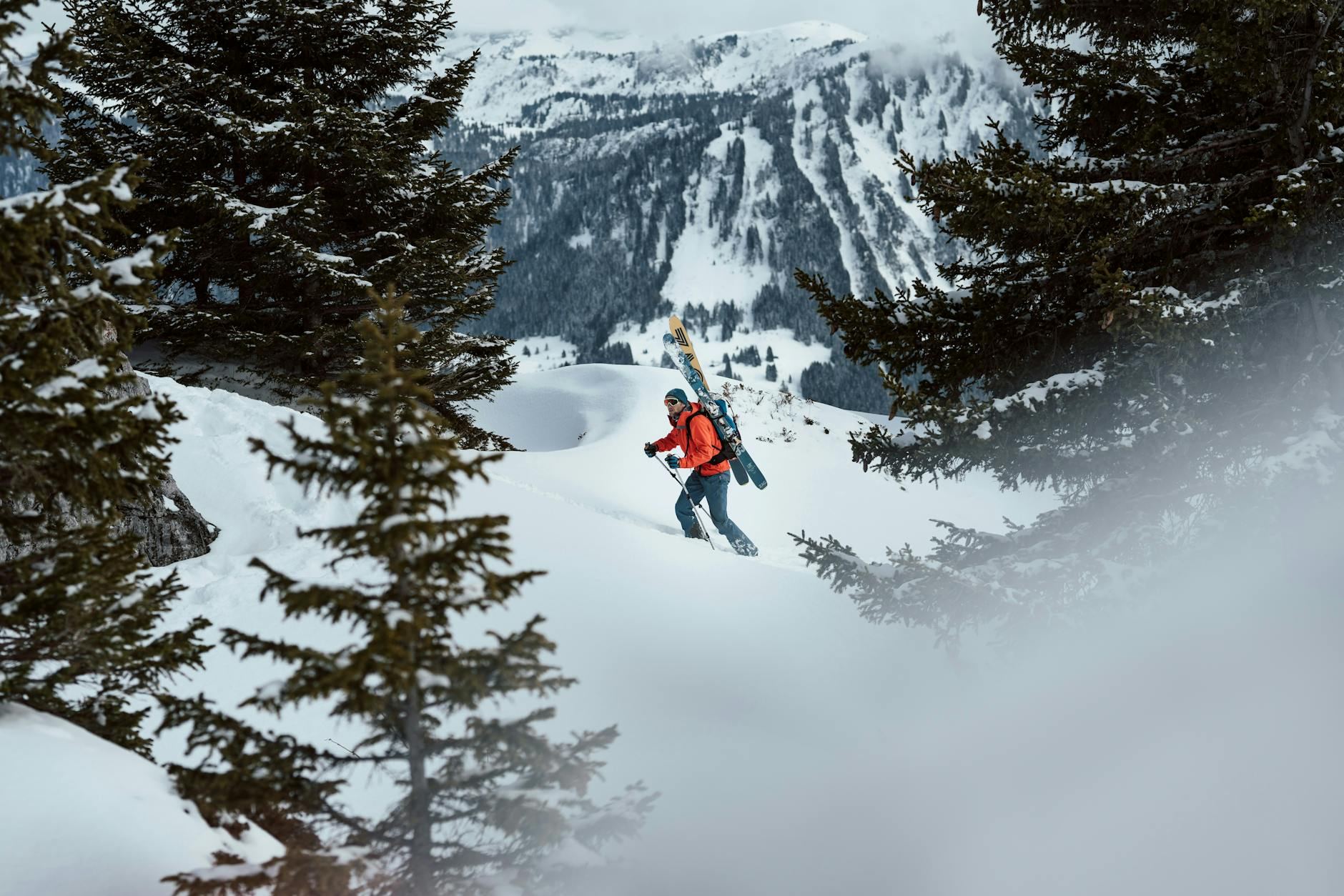
Splitboarding isn't mere uphill toil; it's a pivotal training ground for avalanche safety and terrain judgment—where the real expertise kicks in once you leave the resort.
Getting started with splitboarding as a beginner involves understanding how the snowboard transforms into two ski-like halves for ascending before rejoining for the thrilling descent.
Unlike resort snowboarding, you earn every run on foot – no lifts, no groomed runs, no crowds.
It's backcountry snowboarding with the uphill built in.
Splitboarding involves ascending backcountry slopes using a snowboard that separates into two skis, allowing for uphill travel. Riders attach adhesive skins to the board halves, use ski poles for support, and navigate varied snow conditions while performing kick turns and avoiding obstacles. After reaching the summit, they reassemble the board and descend, carving through untouched powder or chal…
Splitboarding fosters a flow state through physically demanding climbs and technical descents, where skill matches challenge, keeping engagement high. The activity provides immediate feedback through measurable progress, like elevation gained and smoother transitions, enhancing motivation. The shared experience with a trusted group creates social belonging, while the satisfaction of earning turns…
Splitboarding isn't just snowboarding with more effort. Slap on some skins, hike up, ride down – it's more than just burning calories for fun.
Most people miss that splitboarding is a complete discipline, not a novelty.
The uphill isn't a penalty – it's the classroom. Each step up is a commitment to a line you've chosen, unlike any lift-served run.
Splitboarding shifts your focus to backcountry skills: avalanche awareness, route planning, weather judgment – these become essential, not just extra knowledge.
Transitioning the gear takes less than four minutes when practiced.
Standing at the peak feeling the effort it took to get there changes the ride down.
Cass Lau once thought the backcountry was too demanding.
After a guided intro day in the Cascades, the resort felt like easy mode. She finally experienced real terrain judgment.
Start of a surprise. Terrain knowledge vs gear handling. Real skills emerge once you step off the resort.
More on what separates seasoned splitboarders from beginners next.
Splitboarding videos show people floating through chest-deep powder in golden morning light. Your first sessions will not look like that. They will look like a person fighting their own equipment on a slope that isn't even steep.
Skins sliding. Transitions taking 20 minutes. Sweating through your base layer before you reach the top. Cold, slow, and quietly questioning whether regular snowboarding was fine, actually.
Week one, you'll spend more time fiddling with your binding transition than actually riding. That's expected — the transition is the skill, and it takes longer to click than anyone warns you.
By week two, skinning uphill starts to feel rhythmic instead of punishing. Your quads will remind you for two days afterward that this is not hiking.
Week three, you nail a clean transition for the first time and feel disproportionately proud about something experts do in 90 seconds. Week four, the descent finally feels worth the climb — and you start scouting your second line before you've finished the first.
It was fine. But fine doesn't explain why you drove 90 minutes before sunrise. One thing to know before session one: set your binding pucks before you leave the car, not at the trailhead with cold hands and strangers watching. The alignment between your splitboard halves and your stance angle will not be obvious under pressure — and you'll ride the whole day slightly off if you get it wrong.
The next section covers the mistakes that keep people stuck in the frustrating half of that curve longer than necessary.
When to start: Early morning
Duration: 2 hours
Cost to try: $0
Success criteria: If you skin uphill, remove your skins, and ride one controlled descent from a marked route without a transition snag, do session 2.
New skins grip well but drag without glide wax. This kills your momentum and clumps with snow.
Apply skin wax to tips and tails every tour. Pomoca Glide or Black Diamond Gold Glide work well.
Beginners hurry and forget to rotate the binding fully. Their heel feels loose on the descent.
Lock in ride mode, heel risers down, skins bagged. Do this order every time before moving.
Nobody tells new riders about proper trail use. They crush straight lines and wreck the track for others.
Use existing skin tracks if they're available. Cut wide switchbacks if breaking new trail.
Cranking clips too tight feels secure but damages the board over time. It warps the binding interface.
Set clips snug, not excessively tight. If nothing rattles, you're set.
Bindings stay in tour mode more than you'd think. This makes the board feel floppy and unresponsive.
Before starting downhill, check both pucks. Ensure they are in ride mode and highbacks aren't loose.
Splitboarding thrives in the backcountry. No lifts or groomed runs here – just untracked snow on mountain terrain. Picture national forests and wilderness zones accessed from trailheads.
Search Meetup.com for splitboard groups in your area. This is where casual crews actually organize.
Backcountry.com and REI's community forums are hot spots. Gear shops often host or sponsor local tours.
Connect with your regional American Avalanche Association chapter at avalanche.org. They list avalanche education providers, and those circles usually include splitboarders.
Mention your avalanche certification progress. Tell the group you're new to the backcountry and working on your AIARE Level 1. This signals you're serious and opens doors.
Access untracked terrain through a resort boundary gate, then return to the lifts. You get the powder without a full-day expedition.No backcountry commitment required. Gear is identical – this is about access, not equipment.
Great for beginners who want to try touring without straying far from the resort.
This is long-distance travel – think multi-day hut routes or ski mountaineering. Focus on navigation and fitness over the board itself.
Ideal for seasoned riders seeking genuine mountaineering challenges. Budget for a mountaineering beacon and avalanche airbag pack.
Access backcountry with the goal of descending steep, technical lines like cliff drops and chutes. You earn these descents the hard way.Perfect for advanced riders with strong avalanche skills and a high-risk tolerance.
Combine your love for backpacking and winter by using the splitboard as a vehicle. Overnight tours make weight and pack compatibility essential.Great for backpackers who want to camp and ski in snowy terrain. A lightweight setup with frame packs and minimal gear is valuable.
Include crampons and an ice axe with your splitboard. This activity overlaps snowsports and climbing, often demanding experience in both.Ideal for skilled alpinists adding a snowboard to their existing expertise. Prepare for extra gear costs like mountaineering boots and technical safety equipment.
If you want a related angle, Freestyle Snowboarding is the natural next stop.
If you want a related angle, Alpine Snowboarding is the natural next stop.
If the texture of this appeals to you, Snowkiting is built on similar bones.
Most beginners spend their first season obsessing over gear – skins, bindings, boot flex – as if the equipment is holding them back. The gear isn't the problem. Reading the skin track is.
The one skill that actually moves the needle is skin track efficiency – specifically, learning to read terrain and set a consistent, low-resistance uptrack line before you start moving. Not just "go slow" or "kick and glide." The real work is threading between convex rolls and slope angle changes so your skins grip without you muscling every step.
When you nail the line, you stop fighting the mountain and start moving with it – your heart rate drops, your partners stop waiting, and you arrive at the top with legs to actually ride. Without it, you're burning 30% more energy on every climb, and no amount of fitness fixes a bad line choice.
Most people skip this question entirely. They buy gear, hit one bad day, and quit – or they half-commit for months and never really find out.
Here's how to get an actual answer: 4 sessions over 30 days.
Not two. Not one epic trip you planned for six months. Four times out, ideally across different conditions – one bluebird, one overcast grind, one day where you're tired, one where you're not.
Splitboarding is slow to reveal itself. The uphill skin track feels pointless until the descent justifies every step, and you can't fake your way to that realization in a single outing.
You're watching splitboarding footage at 11pm – not ski resort content, specifically skin-track-and-summit stuff – and you're annoyed you're not doing it.
That low-grade restlessness toward backcountry terrain is specific. It means you're drawn to the earned access, not just the snow.
That's the hobby talking. Pay attention to it.
If you've read this and you're still in – or at least curious enough to try the four sessions – the resources section below has what you need to start without overbuying or underpreparing.
Still looking for something to do? Browse things to do when bored for more ideas.
A splitboard is designed to split lengthwise into two separate skis that you use to climb uphill, then reconnect into a single board for the descent. Regular snowboarding is done only on groomed slopes using lift access. Splitboarding lets you explore backcountry terrain under your own power without relying on ski lifts.
Most beginners can learn basic splitboarding skills within a few days to a week of practice, though developing true backcountry proficiency takes several months. You'll need existing snowboarding experience to progress effectively—pure beginners should first learn regular snowboarding before attempting splits.
Essential gear includes a splitboard, split-specific boots and bindings, climbing skins, poles, and proper avalanche safety equipment (beacon, probe, shovel). You'll also need insulated layers, a helmet, goggles, and a backpack. A good starter setup costs $2,000–$4,000, though quality matters for safety in backcountry terrain.
Yes—splitboarding requires significant leg strength and cardiovascular fitness since you're climbing steep mountains carrying a board and gear. However, the effort is manageable for people with moderate fitness levels once you develop proper climbing technique. The physical challenge is balanced by the reward of fresh snow and solitude.
Splitboarding is designed for backcountry mountains and alpine terrain away from ski resorts, where you can access untouched snow. Many regions have popular splitboard zones, though you should always check avalanche forecasts and terrain conditions before heading out. Local knowledge and proper training are crucial for choosing safe routes.
Avalanche danger is the primary risk when touring in backcountry terrain—which is why avalanche safety training and awareness are non-negotiable. Other hazards include crevasses, cliffs, and weather exposure. Taking an avalanche safety course and always checking conditions before heading out are essential precautions.