BoredomBusted — Find Your Next Favorite Thing To Do
Discover hobbies, activities, places, and ideas that spark joy. Whether you're looking for something creative, active, social, or relaxing, BoredomBusted helps you find your next favorite thing to do.
Browse our hobby guides, things-to-do collections, and place ideas to never be bored again.
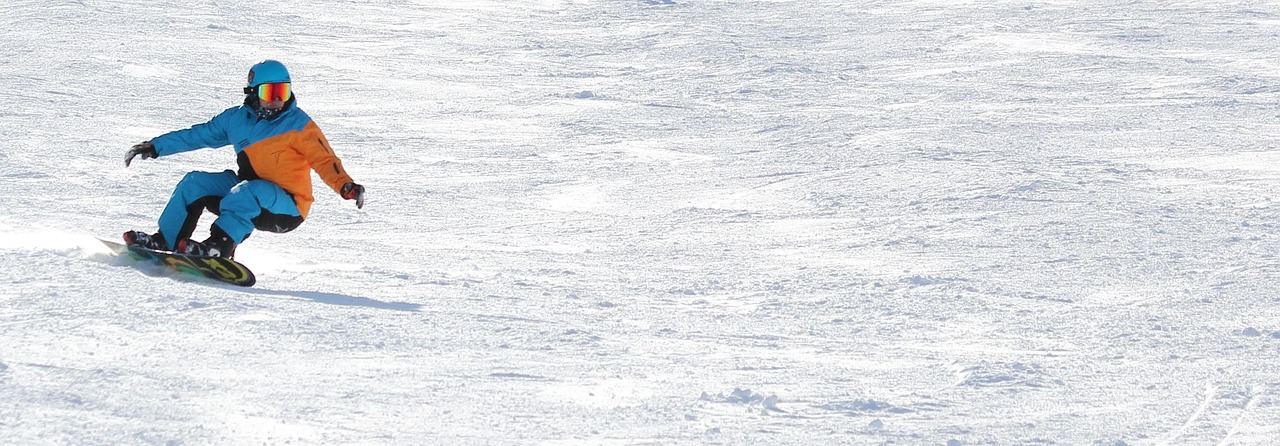
Alpine snowboarding isn't just about gear—it's about mastering precise edge control that regular snowboarding can't touch, offering a radically different ride experience.
Getting started with alpine snowboarding as a beginner means mastering the art of turning on a narrow, stiff board designed for carving clean arcs into groomed snow. No skidding. No tricks. The reward is the turn itself — a physics-perfect carve where your edge holds, your body angles in, and the slope does exactly what you told it to. Every technique, every piece of gear, every run is built around edge control and body angulation. Where freestyle and all-mountain riding treat turns as a way to get somewhere, alpine riders treat the turn as the destination.
In Alpine Snowboarding, hobbyists strap into a snowboard and descend groomed mountain slopes, focusing on refining control and technique through repeated runs, adjusting weight distribution to carve turns, and adapting to terrain variations while scanning for obstacles ahead.
Alpine Snowboarding induces a flow state by matching skill with the dynamic challenges of the slope, offering immediate feedback on technique, fostering a sense of accomplishment through measurable progression, and creating social connections in the riding community.
You think Alpine snowboarding is just regular snowboarding with weird boots. A niche for gearheads and snow snobs. That assumption is costing you a riding experience your freeride setup literally cannot produce.
Regular snowboarding is surfing the mountain. Alpine is carving it. Hardboots and a stiff board let you lay down edge angles that freeride gear physically can't reach. You can feel when a turn is right versus almost right — progression is measurable, not mysterious.
Many riders discover Alpine after years of freestyle. A 180-pound rider on a freeride board is managing chaos. That same rider on an Alpine setup is steering a line — holding an arc through a groomer like a rail.
Immediate feedback.
Nothing soft boots can replicate.
A second hobby hiding inside the first one — and most freestyle riders never find it because they stop at the gear page and close the tab.
The gear is where most people stall out next, but it looks tougher to navigate than it actually is. Your first Alpine setup comes down to a handful of decisions — and they're simpler than the spec sheets suggest.
Watching alpine snowboarding feels like witnessing controlled chaos. Turns are sharp, edges are locked, and the rider seems one with the slope. Your first attempt won't feel like that at all.
It will feel more like your feet are attached to a plank with a mind of its own. Your board won't forgive you for any hesitation.
Alpine snowboards are longer, stiffer, and demand aggressive binding angles compared to freeride boards. Rentals are rarely set up correctly for alpine riding — check the binding angles yourself before your first run.
The first week is rough. You're on the ground more often than on the board. Alpine boards don't tolerate flat-footed riding, and you find this out fast.
By week two, edge control slowly becomes clearer. On groomed blues, you start feeling progress. But steeper runs reveal every flaw you thought you'd fixed.
Week three brings a glimmer of hope. Your heel-side carve feels deliberate, not random. That single change transforms how the board responds, and your confidence grows.
Week four is a milestone. You begin linking turns with a rhythm that's not swift or graceful yet, but it's yours. Finally, you're starting to speak the board's language.
Then on some unremarkable Tuesday afternoon, the board listens. That first turn that feels fully intentional is the moment most people understand why alpine snowboarding holds people for life.
When to start: Early morning
Duration: 2 hours
Cost to try: $30
Success criteria: if you finished without falling excessively, do session 2.
Most rental shops stock freeride gear. Beginners grab whatever is available, not realizing the setup works against carving from the start.
Ask specifically for a hardboot alpine setup. If the resort doesn't carry one, look for resorts that specialize in racing or carving — they're far more likely to have the right equipment on hand.
Upright feels stable until you hit a turn — then the edge skids out and you're sliding instead of carving. The instinct to stand tall is exactly what kills edge hold.
Drive your front knee toward the snow on heelside turns. That angle is what lets the edge bite rather than slip.
Low angles feel natural coming from freestyle riding. They also put your knees in a position that fights your own movement on every carve.
Set your front binding to 50–55 degrees and your rear to 45–50 degrees. This stance reduces knee strain and keeps your body aligned through the turn instead of working against it.
Rotating the shoulders feels like it should steer the board. It doesn't — it just throws your upper body out of position and makes the turn harder to finish.
Lead every turn with your hips, not your shoulders. The board follows the hips naturally. Once you feel it, the shoulder habit disappears on its own.
Sloppy hardboots create a lag between your input and the edge. Beginners feel that lag and assume their technique is off — but the boot is the culprit.
Buckle your hardboots tight enough that your heel doesn't lift at all. Do this before every run, not just the first one.
Alpine snowboarding runs on groomed race courses and hard-packed slopes. Terrain parks and backcountry won't get you there — you need a ski resort with a dedicated race hill. Most structured training comes through clubs that share gates, timing systems, and coached sessions with alpine ski programs.
U.S. Ski & Snowboard (usskiandsnowboard.org) has a club finder you can filter by discipline and region. Most snowboard clubs listed elsewhere focus on freestyle — a club without gates and a timing system can't actually train you for alpine racing. Use the discipline filter to avoid wasting time on the wrong programs.
The fastest route to a real club is USASA.org's race calendar. Clubs hosting races are listed by name. They're actively running programs and usually looking for new members. From there, call the race department at your nearest resort directly — tell them you're new to alpine and looking for development sessions. Programs don't always show up online, and that one question gets you past the front desk.
Hard boots, a stiff board, groomed runs. No tricks — just holding an edge through clean turns.
The technique here transfers to every other variant, which makes this the smartest place to begin.
Tight turns, sharp gates, times measured in hundredths of a second. Alpine slalom is pure edge control under pressure.
This suits riders who want a measurable goal to train toward. Budget for race-specific boards and tuned bindings — the equipment gap is real.
Longer boards, higher speeds, aggressive carving arcs. Giant slalom trades quick reflexes for sustained momentum through each turn.
This is not the place to skip slalom fundamentals — riders who come here without edge control get humbled fast.
Boardercross puts multiple riders on the same course at once — berms, jumps, rollers, and contact all part of the deal.
A protec-style helmet and body armor are non-negotiable here, not optional upgrades. The competition dynamic is unlike anything in timed racing.
A splitboard with an alpine setup lets you skin uphill on skis, then reassemble for steep descents with full edge precision.
This is advanced riding on demanding lines. Gear runs $1,200–$2,000, and the technical terrain punishes anyone who hasn't built solid fundamentals first.
A close neighbor worth considering: Splitboarding.
Snowkiting lives in the same world — different mechanics, similar appeal.
Freestyle Snowboarding is a sibling pursuit and often surfaces the same kind of curiosity.
Most beginners obsess over edge angle — tilting the board harder, digging in deeper, hunting for grip.
That's the wrong lever. The real problem is they're reacting to the slope instead of moving with it.
Anticipatory hip rotation is the one skill you need. You must lead each turn by rotating your hips downhill before your board starts the arc, not after it's already carving.
This pre-movement is what actually loads the edge cleanly. Without it, you're always one beat behind the turn, muscling through instead of flowing.
Commit your hips downhill first.
Feel the board's edge engage at the right moment.
Turns stop feeling like wrestling matches.
Without this, you'll blow out the tail of every carve — adding speed you didn't want and leaving you wondering why the technique you're copying on video looks nothing like what you're doing.
Get this timing locked in and every other adjustment — stance width, edge angle, speed — starts to make sense in a way it couldn't before.
Four sessions over 30 days. One or two runs per weekend, spaced enough that you're reflecting between them rather than just reacting.
If you're already planning the next run before this one ends, that's not beginner enthusiasm — that's the hobby taking hold. Get your hardboots properly fitted, look into a season pass, and book a carving clinic before you buy anything else.
If the four sessions left you indifferent, run two more on groomed slopes with a coach before writing it off. Bad conditions or unclear instruction can flatten the experience entirely, and a single clean carve on a good day can change the read completely.
If you dreaded going back each time, that's a clean answer. Alpine snowboarding has a specific physical and psychological profile — knowing early that it doesn't fit you is genuinely useful information.
The one thing worth watching: if you're pulling up carving videos at midnight without any particular reason, you're already past the decision.
Knee or ankle instability is the clearest physical dealbreaker. Hardboots lock your lower leg in place, and carving torque loads those joints in ways softbooting never does. If you've had reconstructive surgery or chronic instability, talk to a physio before you commit to a single session.
No accessible mountain from November to March is a practical problem, not a motivational one. Alpine carving requires seasonal repetition — sporadic annual trips won't build the muscle memory the technique demands. Without that consistency, the learning curve just resets every year.
If the social side of the mountain is the draw, alpine snowboarding will disappoint. On the hill, it's a solo pursuit — you're focused on the edge, the angle, and the snow, not the group. Freestyle parks and resort skiing tend to offer a much more naturally social environment.
Sometimes you just need something for the next ten minutes — that's what things to do when bored is for.
Most beginners can learn the basics and make controlled turns within 2–3 days of practice on beginner slopes. Developing intermediate skills like carving and handling varied terrain typically takes a full season of regular riding, while advanced techniques like jumps and tricks require 1–2 additional seasons.
You'll need a snowboard, bindings, boots, helmet, goggles, and appropriate winter clothing including a jacket, pants, gloves, and thermal layers. Many resorts rent boards and boots affordably if you want to try before investing in your own gear.
Alpine snowboarding has a moderate learning curve—you'll likely fall frequently during your first few days, but progress comes quickly once you understand balance and edge control. Most people find it easier to pick up than skiing once they commit to proper instruction and patience.
Lift tickets range from $50–$150+ per day depending on resort and season, while equipment rental costs $30–$60 daily. A full day trip including lift ticket, rental, and meals typically costs $150–$250, though season passes and group discounts can reduce per-trip costs significantly.
Alpine snowboarding focuses on carving down groomed slopes with speed and technique in a chairlift-accessed environment, while freestyle emphasizes tricks, jumps, and terrain parks. Alpine is ideal for those who enjoy descending mountains and technical riding, whereas freestyle appeals to riders wanting to perform aerial maneuvers and park features.
Fresh powder and sunny days are ideal, but experienced snowboarders can ride in variable conditions including rain, fog, and icy terrain. However, visibility becomes dangerously limited in whiteout conditions, and ice can make slopes hazardous, so weather forecasts and resort advisories should guide your decision to ride.