BoredomBusted — Find Your Next Favorite Thing To Do
Discover hobbies, activities, places, and ideas that spark joy. Whether you're looking for something creative, active, social, or relaxing, BoredomBusted helps you find your next favorite thing to do.
Browse our hobby guides, things-to-do collections, and place ideas to never be bored again.
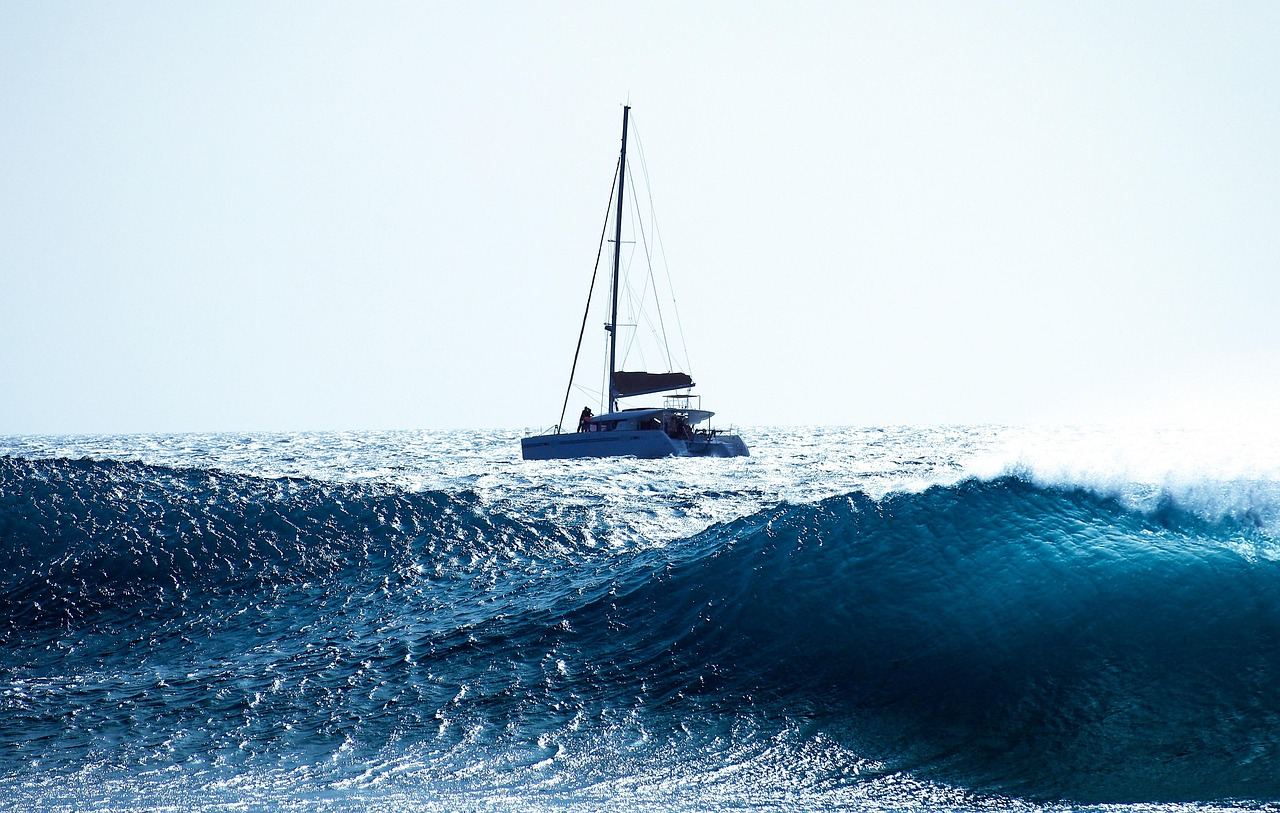
Sailing isn't just for the wealthy — affordable rentals and clubs make catamaran adventures accessible for everyone eager to hit the water.
Getting started with catamaran sailing as a beginner offers a unique blend of adventure and tranquility on the water. Aboard a two-hulled vessel, you experience adventure and relaxation.
Harness the wind while soaking in stunning coastal vistas.
Catamaran sailing involves checking weather conditions, rigging the boat, and actively sailing by steering, trimming sails, and managing weight distribution to maintain balance. Sailors navigate using GPS and charts, make continuous adjustments based on wind and waves, and engage in social activities with crew while at anchor or during excursions.
Sailing creates a flow state through continuous challenges that require skill adjustments, leading to immediate feedback on performance and speed. This activity fosters social belonging as sailors work together, experience environmental novelty, and provides a sense of accomplishment through skill mastery and exploration.
Sailing is only for the wealthy, right? It's a flashy pastime for those with deep pockets, especially on a catamaran.
This notion keeps people on the shore, believing they need to own a yacht to set sail. But in reality, many find affordable entry points without buying their own boat.
Consider Emma, who joined a local sailing club for just $150 a year. She took some lessons, rented a catamaran for a weekend trip, and can't wait to go again.
Catamaran rentals. Sailing clubs. Incremental investments. These options make sailing accessible. It's more about the experience and feeling of freedom than the expense.
Dive into our next section to discover how to plan your first sailing adventure.
Your first time on a catamaran is loud. The boom swings, the sails snap, the hulls slap hard against chop you didn't see coming. Nothing about it feels graceful until it suddenly, briefly does — and then the wind shifts and you're scrambling again. Your hands are on the tiller, someone is shouting about the mainsheet, and your brain is doing too many things at once.
The part most beginners don't expect is the weight distribution problem. A catamaran doesn't heel like a monohull — it stays relatively flat, which feels reassuring. So new sailors forget that where they stand and move actually matters enormously to speed and control. You are part of the rigging, whether you realize it or not. Shift wrong at the wrong moment and the boat tells you immediately.
The rigging check before you ever leave the dock takes longer than you think. Reading the weather, setting the sails, confirming the GPS — it's a checklist that feels tedious until you're out on the water and grateful you did it. The preparation is where beginners lose patience, and also where competence quietly starts to build. Give the dock time its due.
By the third or fourth session, the continuous adjustments — trimming sails, reading wind shifts, repositioning your body — start to feel less like chaos and more like a conversation. You won't be fast yet. You'll still make mistakes that cost you momentum. But the feedback loop is immediate and honest, which makes every small improvement feel earned. The next section covers the specific mistakes that stall beginners longest — and how to get past them faster.
When to start: 8:00 AM
Duration: 1.5 hours
Cost to try: $0
Success criteria: If you can launch, sheet in, and sail a short loop with the hulls level and a clean dock return, do session 2.
Beginners trust their eyes. Blue sky, light breeze — looks perfect. But catamarans are sensitive to wind shifts and building chop in ways a quick glance won't reveal.
Before you rig anything, check a marine forecast, not a standard weather app — apps like Windy or PredictWind show wind strength, gusts, and wave height in the specific zones you'll be sailing. Five minutes of prep saves hours of trouble on the water.
On a monohull, you sit where you're comfortable. On a catamaran, where you and your crew sit directly changes how the boat moves. Beginners cluster in one spot and then wonder why the boat feels sluggish or skittish.
Move your weight to the windward hull when sailing upwind, and distribute it evenly when running downwind. This isn't advanced technique — it's the baseline that makes everything else work.
The instinct is to pull the sails in tight. It feels purposeful. It feels like control. But over-trimmed sails stall airflow and kill speed — the opposite of what you want.
A simple rule that works: ease the sail out until it starts to luff at the leading edge, then pull it in just enough to stop the flutter. That's your sweet spot. Keep adjusting as the wind shifts — it's a continuous process, not a one-time setting.
Videos are useful. But catamaran sailing involves real-time feedback you can only feel — how the boat responds when the wind picks up, what a correct tack feels like underfoot. Watching doesn't build that.
One hands-on lesson with a certified instructor will fix errors that hours of solo practice would reinforce. Sailing clubs often offer beginner sessions at low cost. Join one early — you'll also find crew to sail with, which makes the whole learning curve faster.
Dropping anchor feels like the easy part. It isn't. Beginners often pick bad spots — too shallow, too close to other boats, or over a bottom that won't hold — and end up dragging in the middle of the night.
Before you drop, check your chart for bottom type and depth. A good rule of thumb: set out anchor chain at a 5:1 scope ratio — five feet of chain for every foot of water depth. Then back down gently on the engine to set it. Check your position against a fixed landmark to confirm it's holding before you relax.
Start with US Sailing (ussailing.org) — it has a club finder that locates certified sailing clubs by zip code. Most clubs on that list run catamaran-specific fleets or can point you to one nearby. The Hobie Class Association also maintains a fleet directory if you want to find sailors racing Hobies specifically.
Online, r/sailing on Reddit is active and beginner-friendly. Post your location and someone will know the local scene. The Cruisers & Sailing Forum (cruisersforum.com) goes deeper on liveaboard and bluewater catamaran topics.
Look for community sailing centers — these are nonprofit waterfront facilities that rent catamarans by the hour. Chicago Sailing, Community Boating Inc. in Boston, and similar orgs exist in most coastal and Great Lakes cities. Meetup.com also has active sailing groups in most metro areas that welcome absolute beginners on club-owned boats.
Search "sailing club open house" on Eventbrite or Meetup — most clubs run free intro days in spring specifically to recruit new members. That's the fastest way to get on a catamaran with experienced sailors who want to show you the ropes.
High-performance beach catamaran sailing — think Hobie Cats — puts you low on the water with the hull skimming and hiking out hard against the wind. There's no cabin, no crew quarters, just raw speed and reaction time.
This is the right fit if you want the most physically demanding version of the sport and you're chasing that flow state fast. It's accessible too — beach cats are among the cheapest catamarans to rent or buy used.
Cruising catamarans are the wide, stable, liveaboard style you picture anchored off a tropical coastline. They have cabins, a galley kitchen, and enough deck space for a full group. Sailing them is more about teamwork and navigation than athletic output.
This version is built for people who care as much about the destination and the crew as the sailing itself. Chartering one through a sailing club or hire company is the practical entry point — no ownership required.
Catamaran racing happens at every level, from local club regattas to international circuits. You're adjusting sail trim, reading competitors, and making split-second tactical calls. The feedback loop is instant — good decisions show up in your position on the water immediately.
Racing rewards people who want a clear measure of whether their skills are actually improving. Most sailing clubs run regular race days, so you don't need your own boat to get started.
Crewed day sailing — going out as a passenger or informal crew on someone else's boat — is how most people first get hooked. You contribute where you can, but an experienced skipper is running the show. The learning curve is gentle and the stakes are low.
It's the obvious starting point if you want to feel out whether sailing clicks before spending anything significant. Sailing clubs and community boards regularly post crew-wanted listings for free.
Single-handed catamaran sailing strips everything back to just you and the boat. You're handling sail trim, steering, navigation, and weight distribution all at once. It demands more situational awareness than any other version of the sport.
Solo sailing suits people who find the deepest satisfaction in self-reliance and personal skill mastery. Most sailors build up to this after getting comfortable with the basics in a crewed setting first.
A close neighbor worth considering: Dinghy Sailing.
If you want a related angle, Ice Sailing is the natural next stop.
For something adjacent, see Ocean Sailing.
Weight distribution is the skill that separates catamaran sailors who improve from those who stall out.
On a monohull, the boat heels and self-corrects. A catamaran doesn't heel — it flies a hull. That changes everything. Where you and your crew position your bodies directly controls how fast the boat moves and how stable it feels. Get it wrong and you're dragging a hull through the water. Get it right and the boat accelerates like it found a gear you didn't know existed.
Most beginners fixate on steering and sail trim. Those matter — but they're reactive. Weight placement is proactive. You read the wind, you read the waves, and you move before the boat demands it. That anticipation is the physical skill no checklist can hand you. It has to be felt and repeated until it becomes instinct.
Once that instinct clicks, everything else on the water starts making more sense — including how to read conditions before you even leave the dock.
Give yourself four sessions over about six weeks — one every ten days or so, mixing a short harbor sail with at least one longer open-water trip.
You spent the sail obsessing over sail trim and weight distribution, and now you're back on land feeling oddly restless. That pull back to the water is the signal. Start looking at a sailing club membership or a structured course — getting coached at this stage will compress years of fumbling into months of real progress.
You enjoyed being on the water but the rigging, the wind-reading, the constant trim adjustments felt like homework rather than the point. That's not a failure — it's useful information. Before walking away entirely, try crewing for someone else rather than skippering. Less responsibility can completely change the experience.
The weather-checking, the rigging, the physical demand of managing balance in chop — none of it clicked and all of it drained you. Catamaran sailing demands active, continuous engagement, and if that feels like a burden rather than a draw, a more passive water activity like kayaking or paddleboarding will suit you far better.
If you're checking the wind forecast the night before a sail — not because you have to, but because you can't help yourself — that involuntary habit is worth more than any amount of deliberate enthusiasm.
Looking for something different? The hobbies list is the easiest way to scan what else is on the table.
When you don't want to commit, things to do when bored is a better starting point.
No prior experience is needed; beginners can start with lessons and club activities.
Spring and summer offer ideal conditions with warmer weather and calmer seas.
Yes, with proper training and experience, solo sailing is possible, but starting with a buddy is safer.
Check local sailing clubs and rental services, which often offer daily rentals.
Catamarans have two hulls, offering more stability and space compared to a single-hull design.