BoredomBusted — Find Your Next Favorite Thing To Do
Discover hobbies, activities, places, and ideas that spark joy. Whether you're looking for something creative, active, social, or relaxing, BoredomBusted helps you find your next favorite thing to do.
Browse our hobby guides, things-to-do collections, and place ideas to never be bored again.
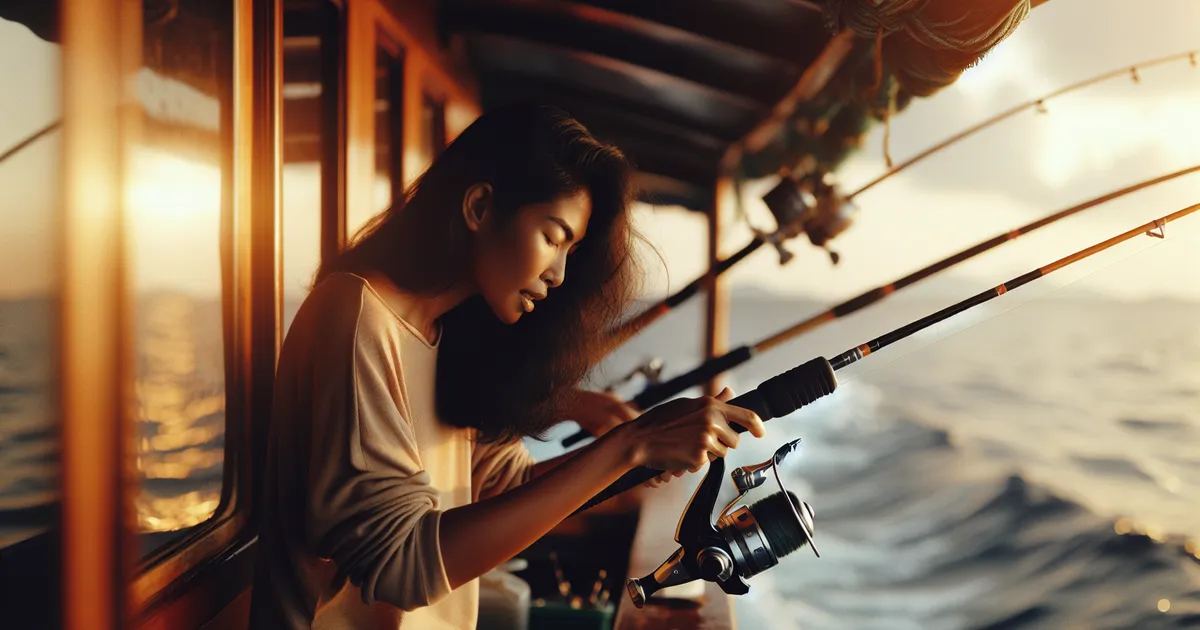
Deep sea fishing isn't a leisurely day on the water — it's a physically demanding sport that requires skill in reading the ocean and rigging gear effectively.
Getting started with deep sea fishing as a beginner involves understanding the unique conditions of ocean waters, typically 30+ meters deep and miles from shore, targeting large species like tuna, marlin, and swordfish.
You go out on a charter or private boat, drop heavy tackle into deep water, and fight fish that can outweigh you.
Unlike freshwater or shore fishing, the ocean itself becomes the challenge – depth, current, and distance demand specialized gear, a vessel, and real physical endurance.
In deep sea fishing, you venture out in a boat to target large fish species, rigging multiple heavy rods with various baits, trolling at controlled speeds, or dropping lines to the ocean floor. You manage the fight with powerful fish by reeling, strategizing boat movements, and using specialized gear for landing catches, all while observing the ocean's cues for active feeding fish.
Deep sea fishing induces a flow state through intense, unpredictable battles with large fish, requiring total immersion and skill application. Rapid feedback from reel screams and visual cues fosters mastery progression, while the unique challenges of the ocean create a sense of accomplishment and camaraderie among participants, effectively countering boredom.
You think deep sea fishing is sitting in a chair, holding a rod, waiting. Maybe drinking a beer.
Maybe catching nothing and calling it a vacation anyway.
That's the version people who've never done it tell themselves – and it's exactly wrong enough to make them underprepare and underestimate everything about the day.
A friend of mine went out off the coast of Islamorada expecting a slow morning. Instead, he found himself in a 90-minute rotation with a swordfish, taking turns with two other guys on the rod. Arms burning. No one saying a word.
He said it was the most focused he'd felt in years.
That kind of focus doesn't happen by accident. It happens because you showed up knowing what to expect. Next, let's break down how to prepare for that experience.
Deep sea fishing videos make it look thrilling — big strikes and bending rods. But your first trip is quieter: waiting, battling seasickness, and struggling with unfamiliar gear. The confidence from watching fades quickly in the face of reality.
Expect tired arms and a moving horizon. Your mind buzzes with the question "How hard can it be?" But repeated mistakes with the bait and gear bring frustration. No fish show up, yet there's an itch to try again.
Week 1 overwhelms your senses. The ocean's sway, the splash of the spray, and boating jargon drown out thoughts of catching anything.
Week 2 you see the captain differently. Their excitement becomes clear, and you realize how often they're just keeping you busy.
By Week 3 there's subtle progress. You stop fumbling with the reel, discovering you've been too lenient with the drag all along.
Week 4 offers no fish, but more knowledge. You're reading the water differently now, sensing the subtle shift in your approach.
Many beginners panic on their first strike. Backlash the reel or lose tension because they've never disengaged the spool under pressure.
Practice freespooling beforehand. No fish offers a second chance to figure out your gear. An hour in a parking lot with a weighted line fixes the problem most first-timers face.
When to start: Early morning
Duration: 2 hours
Cost to try: $0
Success criteria: if you finished without catching a fish, do session 2.
Party boats often provide generic fishing gear. Beginners wrongly assume it's fit for any catch. Bring or rent a rod rated for at least 50–80 lb braid when aiming for tuna, wahoo, or mahi. Light tackle won't withstand a serious run.
It might feel right to yank the rod hard with your arms. A big fish will tire you out long before it tires itself. Let the rod work for you. Keep it bent at 45 degrees. Reel on the drop, and lift with your legs and hips.
Novices usually focus on their own line. They overlook how the captain sets multiple lines at strategic depths. Before leaving the dock, ask the mate to explain the line spread. Know which line to grab first—this prevents chaos and lost fish.
Dumping chum in large amounts seems helpful, but it sinks too fast to attract fish to the surface. Steadily trickle chum off the back. Aim for a continuous oily trail, not a soggy heap.
Many pop a Dramamine right on the dock. The engines are running, but it's too late. Take your meds the night before. Scopolamine patches need 4 hours to kick in, and oral meds work best when taken early.
Deep sea fishing requires a boat, making marinas or charter docks your starting point.
Start with a party boat or head boat where 20–40 people share the experience. The captain handles everything, so you can focus on fishing.
The Recreational Fishing Alliance is essential for serious offshore anglers wanting a connected fishing community.
Tell the captain you're a newbie. You'll get a rod setup, prime spot, and expert help.
Instead of covering open water, bottom fishing involves dropping weighted lines down to the seafloor for grouper, snapper, and halibut.
Perfect for beginners with minimal technique required. Most charter boats offer this style, keeping gear costs low.
Trolling is lines trailing behind a moving boat, aiming for fast predators like marlin, tuna, and mahi-mahi.
Great for those seeking the full deep-sea experience, with a learning curve.
Big game fishing targets marlin, swordfish, and sharks using heavy-tackle rigs and fighting chairs.
Aimed at experienced anglers with bucket-list ambitions. Charter costs can range from $1,500 to $3,000 per trip.
Jigging involves working a heavy metal lure vertically in the water with rhythmic rod motion.
Demands skill for a rewarding experience. Expect to spend $300–$600 on a quality setup.
Night fishing uses the same gear and water but takes advantage of species feeding at night.
Great for those who want to time their trip to fish behavior. Try it after a successful daytime outing.
A close neighbor worth considering: Bass Fishing.
If you want a related angle, Freshwater Fishing is the natural next stop.
Depth targeting is the key skill. It's about knowing exactly where fish are vertically and adjusting your approach to reach them.
This isn't guesswork. It's reading your sonar and tracking the thermocline to find the precise layers where baitfish, and their predators, hunt.
Hit the depth and start pulling them in.
Depth is the difference between coming up empty and a successful day.
Without it, you're just hoping for the best in open water.
Bait choice, hook sets, and trolling speed only matter once you're in the right zone.
Try three deep sea fishing trips within a month. Weather, boat, and species variety make one trip insufficient for a real decision.
If you're checking tide charts between outings, it's clear this goes beyond casual interest. Embrace it. Begin learning to read fish finders and discuss charters with your captain. Explore clubs and decide between half-day and full-day trips based on what captives your attention.
Should the trips feel just okay, and you barely think of them after, it usually points to a fleeting attraction or social influence. Consider one more outing in new conditions or a different season. If nothing shifts by then, it may be time to move on.
If you find yourself wishing for the day to end, take it seriously. Seasickness is manageable, but if it's the waiting, sun, or slow pace that bothers you, recognize that these aspects are inherent to the experience.
The undeniable sign? You linger on fishing videos or research gear before even booking a trip. That underlying interest reveals itself well before most take action.
Deep Sea Fishing is one path among many — browse the full hobbies list to weigh it against the rest.
Deep Sea Fishing is a deeper commitment than most boredom cures — for lighter options, check things to do when bored.
Deep sea fishing charters typically range from $400 to $1,200+ per person for a full day, depending on location, boat quality, and distance traveled offshore. Half-day trips are usually $200–$600, and prices may be higher during peak season. Some charters offer group discounts if you book multiple spots on the same boat.
No prior experience is required—most charters welcome complete beginners and provide all necessary instruction and equipment. The crew handles the technical details like navigation and equipment setup, while you focus on fishing. If you've never fished before, let the captain know so they can give you extra guidance.
Most deep sea fishing trips last 4–8 hours, with half-day charters being 4–5 hours and full-day trips running 8–10 hours including travel time to offshore grounds. You'll spend 2–3 hours actually fishing at the deepest spots. Plan for early morning departures, as trips often start before sunrise.
Common catches include grouper, snapper, amberjack, and king mackerel in Atlantic waters, while Pacific trips often land tuna, mahi-mahi, and dorado. The specific species depend on your location, season, and water depth. Your charter captain can tell you what's biting when you plan your trip.
It requires moderate physical fitness—you'll be standing, reeling in heavy fish, and handling a fishing rod for hours. The motion of the boat can cause fatigue or seasickness, so taking motion sickness medication beforehand is common. Most people of average fitness can handle it, but inform the crew if you have any physical limitations.
Bring sunscreen (SPF 50+), sunglasses, a hat, seasickness medication, and non-slip shoes—sun exposure is intense on the water. Most charters provide fishing rods, bait, and basic safety gear, but check with your charter beforehand. Wear layers since temperatures can drop quickly, especially early morning or in deeper waters.