BoredomBusted — Find Your Next Favorite Thing To Do
Discover hobbies, activities, places, and ideas that spark joy. Whether you're looking for something creative, active, social, or relaxing, BoredomBusted helps you find your next favorite thing to do.
Browse our hobby guides, things-to-do collections, and place ideas to never be bored again.
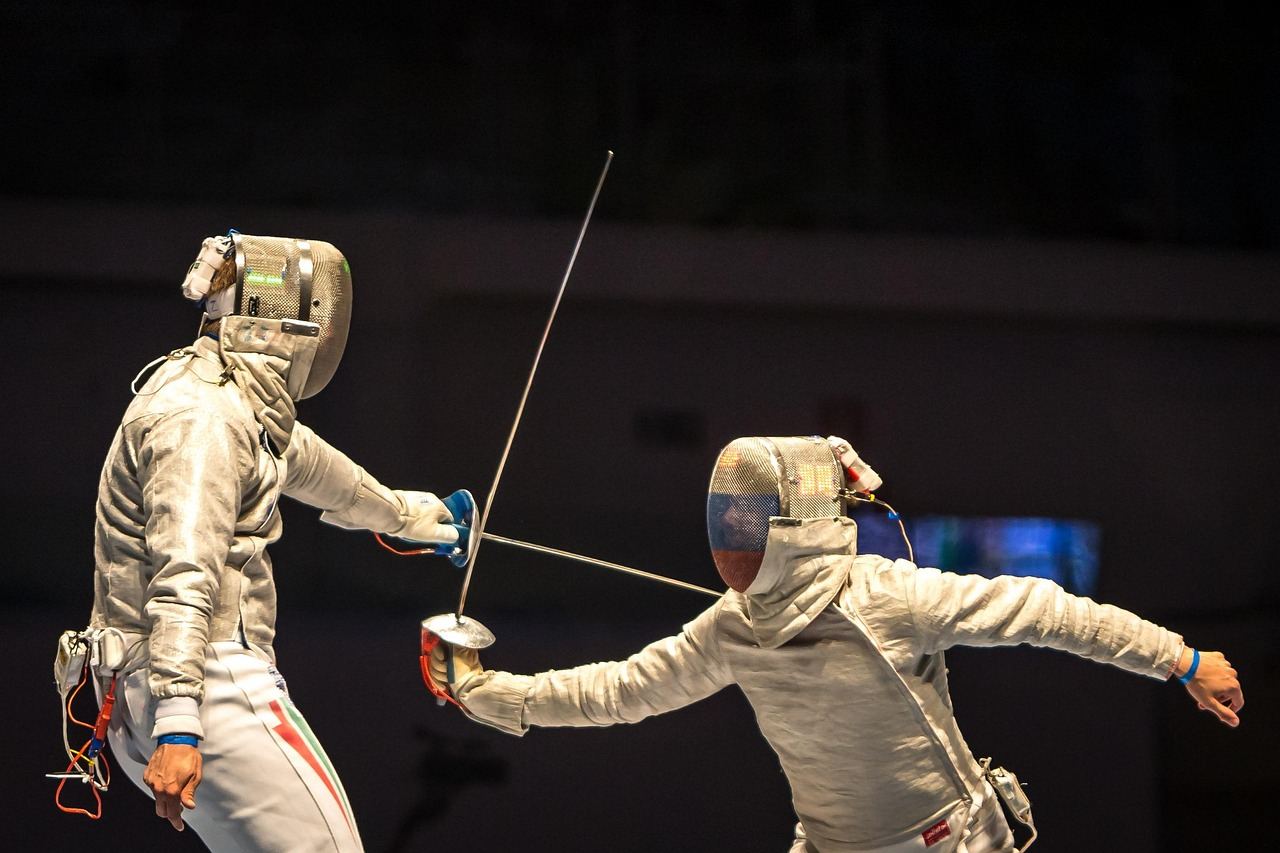
Fencing isn’t just for the wealthy; it’s a low-barrier sport that fosters real-time problem-solving and quickly alleviates social anxiety.
Getting started with fencing as a beginner involves understanding the fundamental techniques and strategies that emphasize timing and footwork instead of sheer strength.
Unlike martial arts, there's no grappling, no power, and no brute force — just speed, distance, and reading your opponent before they read you.
In fencing, participants engage in controlled duels on a 14-meter strip, executing precise attacks and defenses like lunges and parries while practicing footwork patterns through drills and bouts with partners or solo conditioning exercises.
Fencing induces a flow state through its high-skill demands, offering immediate feedback loops from partner interactions that keep participants engaged, while social connections formed in clubs and the challenge of adapting tactics prevent boredom from routine.
You think fencing is a sport for rich kids, inaccessible to regular people. White jackets and dramatic lunges — it's something to watch, not do.
This assumption is keeping you from one of the most rewarding hobbies out there.
Take a recreational fencer from Chicago, for example. She avoided competitive sports due to performance anxiety. Fencing finally offered her relief. A one-on-one format with feedback that's instant and personal, hidden behind the mask, was key for her. Your quick dismissal can't compete with the experience of holding that weapon.
What's next? Let's see how starting is simpler than you think.
Fencing looks like chess with blades—fast, deliberate, elegant.
But doing it feels like trying to pat your head, rub your stomach, and walk backward simultaneously. The gap between appearance and reality is vast, and early sessions dwell in that gap. The mask fogs, your legs burn from lunging, and you forget the basics like keeping the back arm up. The director calls the point against you, and you still don't know why.
In the first week, you'll discover the en garde stance feels awkward, like a flamingo unsure of its knees. Week two focuses on footwork, repeating the advance-retreat pattern until it becomes second nature. This takes longer than you'd expect. By week three, blade contact drills reveal that managing distance is a whole new challenge. In week four, supervised bouting begins, and muscle memory falters when faced with a moving opponent.
When week two hits, the urge to quit can be strong. Movements feel forced and mechanical, with no flow yet. But that's not failure; it's your nervous system laying a foundation that later transforms into instinct.
In both foil and épée, extend your weapon arm before lunging. Most beginners mistakenly lunge and extend together, which telegraphs attacks and loses right-of-way in foil. Correcting this early avoids weeks of unlearning. Up next, let's dive into mistakes that keep this frustrating stage lasting longer than it should.
When to start: Early morning
Duration: 1.5 hours
Cost to try: $20
Success criteria: if you finished without injury, do session 2.
Beginners often purchase fencing gear online, unaware that each weapon requires specific equipment. Quality and fit vary widely.
Use loaner gear for your first few club sessions. Once you know your weapon and how the fit should feel, buy your own mask and glove.
Newbies think the lunge is everything in fencing, leading them to rush into it. A poor lunge without solid en garde position means missed targets.
Focus on footwork for the first month. Practice advance, retreat, and advance-lunge until the back leg drives your moves automatically.
New fencers often extend their arm first, mistakenly believing it closes the distance. This only makes your intent obvious.
Work on footwork alone to manage distance. Keep your arm still until your legs get you in range, then extend the arm.
Focusing on the opponent's blade distracts from their real intentions. The shoulder signals moves before the blade does.
Maintain eye contact at the chest-shoulder level during sparring. The blade will appear in your peripheral vision, which is ideal.
Stopping and starting again after every touch feels courteous. However, this practice teaches disjointed actions.
Practice continuous fencing without resetting after a touch. This builds the habit of recovering guard and responding to what's next.
Fencing clubs are the heart of the sport. Most are based in dedicated clubs, university sports halls, or local leisure centers. Some also operate in school gyms when space is available.
Hunting for a local club? USA Fencing's club finder at usafencing.org/clubs is your best bet for US-based clubs, searchable by zip code.
For small, hidden gems, local Facebook Groups are essential. Search "[your city] fencing" to find clubs active on the platform.
Walk in with confidence and ask about beginner sessions. This usually lands you a free or low-cost trial, a loaner kit, and a brief lesson on foil vs. épée if you're curious.
Fencing has three weapons, and they're not interchangeable. Each one rewards a different brain.
Foil comes with strict rules about who gets to attack. This forces you to learn tactical thinking early. It's often the discipline clubs teach first and build beginner curricula around.
Ideal for those seeking structure while mastering footwork.
Épée throws out the rulebook on right-of-way. The entire body is a target, and the first hit scores. Simple as that.
Great for those frustrated by foil's priority rules or those wanting a more instinct-driven match.
Sabre is fast. Physically fast. Cutting actions are legal here, matching often last seconds.
Perfect for athletes from martial arts or combat sports seeking explosive action.
Important to note: sabre-specific jackets and gloves add a small cost on top of standard gear.
Athletes fence from fixed chairs, removing footwork entirely. The focus shifts to upper body and blade control.
Suitable for fencers with mobility limitations or anyone curious about the sport's hand skills.
Interested in longswords? HEMA offers that with a historical twist. Similar gear costs; totally different culture and training structure.
Best suited for history enthusiasts wanting full-contact sparring over Olympic-style scoring.
Some of the same instincts show up in Krav Maga — worth a look if this clicked.
Another variant that pulls from the same roots is Wakeboarding.
For something adjacent, see Bodyboarding.
Most beginners focus on speed—explosive lunges, quick hands. But they're missing the point. Timing matters more.
The key skill is learning to read your opponent's preparation. Identify the exact moment they commit to a move. This isn't about being first. It's about acting when they're vulnerable.
Once you sense an opponent's commitment—whether in their weight, shoulders, or blade angle—you transcend reflexes. Fencing becomes strategic, almost like a game of chess. A slower fencer can outperform a quicker one with this understanding.
Attend eight fencing sessions over a month, ideally one or two classes per week. This helps you move past basic footwork and get comfortable holding the weapon.
If thoughts of fencing exchanges linger in your mind, that's a sign of real interest. It's time to book more classes and ask your coach about interclub scrimmages. That's where the tactical challenge truly unfolds.
Finding fencing just okay means something hasn't clicked. This could be due to a lack of social connection or sparring opportunities. Try four more sessions with live sparring requests and see how you feel after actual bouts.
Feeling completely disinterested means it's not your fit. Fencing is best for those who love the strategy behind it. If you're not curious about that, it's unlikely to capture your interest over time.
Noticing fencing unexpectedly in movies, books, or news and pausing because it intrigues you. That curious pull is a powerful nudge to pursue it further.
For quicker fixes, see our roundup of things to do when you're bored.
Initial costs typically range from $500–$1,000 for basic equipment (mask, jacket, glove, and foil), though many clubs offer beginner packages or rentals to reduce startup expenses. Monthly membership fees for a fencing club usually fall between $75–$200 depending on location and facility quality.
Most beginners develop foundational footwork, stance, and basic attacks within 4–8 weeks of consistent training (2–3 sessions per week). However, becoming competent at actually dueling and understanding strategy typically takes 3–6 months of regular practice.
Yes—fencing is an excellent full-body workout that builds leg strength, cardiovascular endurance, and core stability through explosive movements and sustained footwork. It also develops hand-eye coordination, balance, and mental sharpness, making it physically and mentally demanding.
Foil is the most common starting weapon for beginners because it has simpler rules and emphasizes proper technique and footwork over power. Once comfortable with foil, many fencers progress to épée or sabre, which have different target areas and tactical approaches.
No prior athletic experience is necessary—fencing clubs teach beginners from scratch and scale instruction to individual fitness levels. However, basic physical fitness and flexibility help you progress faster and reduce injury risk.
Beginners typically see the best progress with 2–3 training sessions per week, allowing time for skill reinforcement and physical recovery. Competitive fencers often train 4–5 times weekly, but consistency matters more than frequency for casual practitioners.