BoredomBusted — Find Your Next Favorite Thing To Do
Discover hobbies, activities, places, and ideas that spark joy. Whether you're looking for something creative, active, social, or relaxing, BoredomBusted helps you find your next favorite thing to do.
Browse our hobby guides, things-to-do collections, and place ideas to never be bored again.
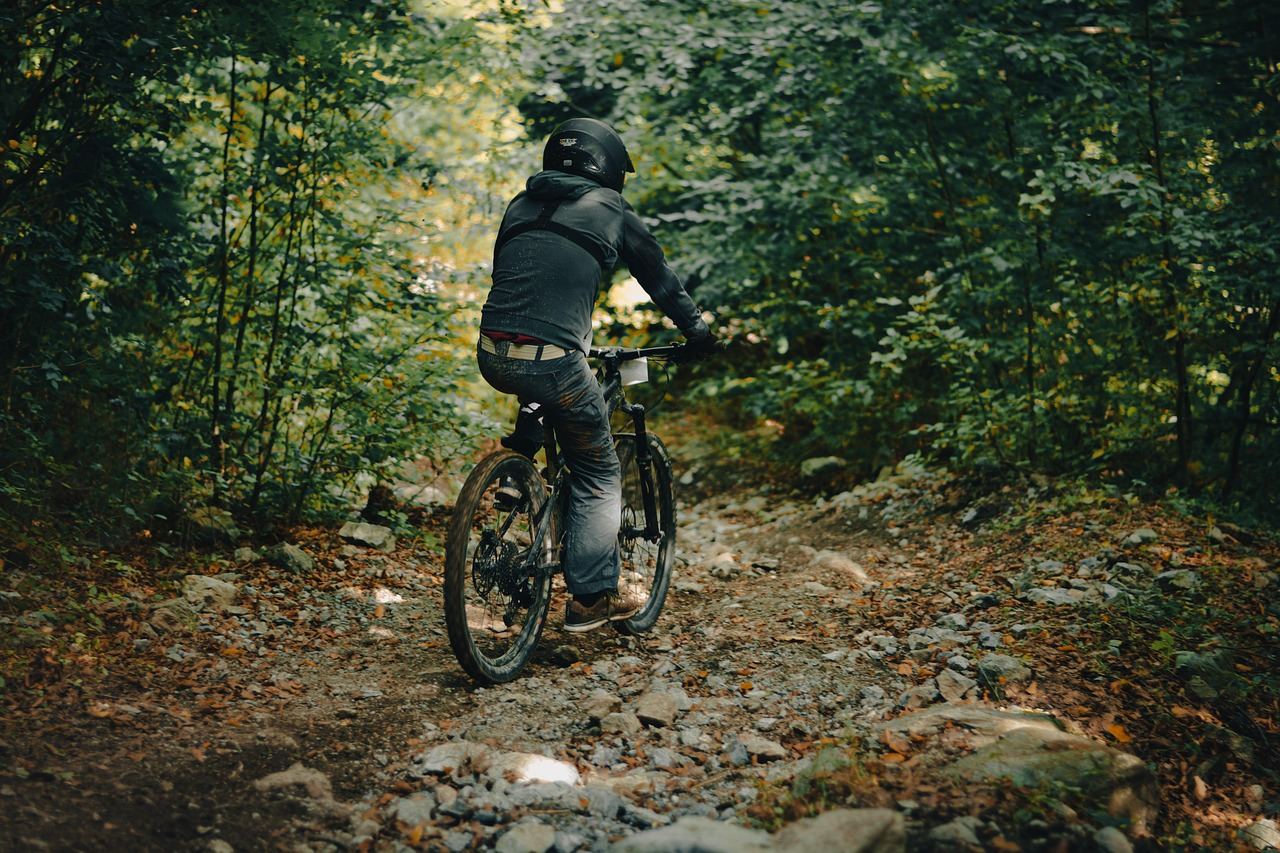
Gravel cycling isn’t just rough road cycling; it's a completely self-sufficient adventure where you'll discover hidden trails and forge a personal connection with your bike and the terrain.
Getting started with gravel cycling as a beginner opens up a world of adventure on unpaved roads – dirt, gravel, and forest tracks – on a drop-bar bike built to handle rougher terrain than a road bike but move faster than a mountain bike.
You pedal. The surface fights back.
That middle-ground is the whole point – it's exploration-first cycling, where the route matters more than your average speed.
Gravel cycling involves riding specialized gravel bikes on unpaved surfaces like dirt trails and gravel roads, where cyclists navigate varied terrain while maintaining sustained pedaling power and managing technical challenges such as loose gravel and climbs, often planning routes using maps or apps.
Gravel cycling alleviates boredom through route novelty and terrain variability, fostering a flow state with its physical demands and immersive experiences, while providing incremental skill feedback and a sense of accomplishment from completing challenging rides in diverse settings.
You think gravel cycling is just road cycling on a rougher path. Maybe you imagine someone in full lycra, grimacing through a muddy field, wondering why they didn't stick to the smooth tarmac.
That's not what this is.
True gravel riding isn't about speed or competition. There's no Strava segment to chase, no peloton to keep up with. It's you, choosing which unmarked track calls.
The terrains tackled in gravel riding would stop a road bike in its tracks. Packed dirt, loose gravel, forest doubletrack — it transforms your route possibilities. Your world expands into fire roads you never knew were there.
A rider in Colorado charted a course through four towns using only forest service roads and ranch tracks.
Total distance: 60 miles. Total pavement: under four miles.
After a decade on road bikes, he found gravel felt entirely different — not harder, just broader.
The gear you choose before hitting the trails matters more than you think. That's what we explore next.
Jumping into gravel cycling from watching videos feels like a reality check. The video riders seem serene, handling loose terrain without a hitch, but your first ride may snap you back to reality quickly.
Smooth pavement instincts make your hands tense up, and rough patches can surprise you. You might hit the brakes too hard or grip the handlebars like they owe you money. Even tiny off-road upsets can feel monumental at the start.
Early rides feel sluggish. More tiring than advertised as you constantly adjust to the bike's demands. Looseness becomes comforting by the third week when you navigate corners with less panic and more control.
Your first instinct is likely wrong when it comes to tire pressure. Most beginners inflate tires 10–15 PSI too high, making the ride harsher. Gravel needs less pressure to handle vibrations and grip better. If your bike feels rough and unyielding, it's usually just a setup issue, not your abilities.
Switching gears in your mind before quitting is essential. The grueling start isn't a verdict. It's just the part that never makes it to the highlight reels. Up next, let's look at common mistakes keeping your rides less fun.
When to start: Early morning
Duration: 2 hours
Cost to try: $15
Success criteria: If you completed the ride without serious mechanical issues, do session 2.
Road cyclists often run their tires at 90–100 PSI out of habit. On gravel, this turns small rocks into big problems.
Lower pressures, like 30–40 PSI for tubeless or 45–55 PSI for tubed tires, transform the ride. Suddenly, your bike feels like it belongs on gravel.
Going all-out on the first hill means you'll be walking by the fourth. Gravel rides are about endurance, not sprints.
Shift earlier and aim for a cadence above 70 RPM. Even if it feels like you're barely moving, your legs will thank you later.
Leaning hard into gravel corners leads to slides because gravel just doesn't grip the same way road surfaces do.
Keep the bike more upright. Let the wheels naturally find traction without forcing it.
Backpacks mess with your center of gravity and will soak your back in sweat.
Use a frame bag or seat pack. A 10-liter seat bag has plenty of room for a day without ruining your ride.
Different surfaces like wet hardpack and dry sand behave differently. Beginners learn the hard way by speeding through them without caution.
Slow down on each new surface until you're familiar with it. You'll gain speed as you gain experience.
Gravel cycling thrives anywhere lacking pavement. Ride on gravel roads, forest service paths, rail trails, or parks with mixed surfaces. If it's unpaved and rideable, it's game.
Strava clubs and local Facebook groups host real communities. USA Cycling handles events, but this is where the culture lives.
Show up and ask, "I'm newer to gravel – what's the pace like today?"
You'll get advice, a wheel to follow, and someone who might just hang back with you.
Bikepacking is for those who crave a combo of gravel cycling and camping. Ride remote routes, camp under the stars, and embrace an expedition-style journey. If you've done solo gravel rides, this is your next step. But be prepared for extra costs – budget around $300–600 for gear and planning.
Competitive events like Unbound Gravel or SBT GRVL offer a race against the clock with fellow riders. Distances range from 25 to over 200 miles. If a fixated date keeps you motivated, these races fit perfectly. Expect entry fees of $50–150 and a nudge towards optimizing your bike setup.
Urban Gravel Riding is perfect for city dwellers who want versatility. Use a gravel bike for commuting and tackling dirt paths or patchy roads. Begin here for frequent rides without big commitments.
Gravel Gran Fondos invite those who love a social scene without the race. Join organized rides on gravel courses with support stops. Picture it as a race, minus the stress.
Cyclocross Crossover is ideal for improving handling skills on tricky terrain. Many gravel fans train on cyclocross courses in cooler months. Great for refining control on rough rides. Gear is mostly shared, so no significant extra investments.
Track Cycling lives in the same world — different mechanics, similar appeal.
A close neighbor worth considering: Mountain Biking.
Another variant that pulls from the same roots is Cycle Touring.
Active upper body decoupling changes everything for mountain bikers. It's about letting your arms absorb trail feedback independently from your core. Your bike should move under you, not toss you around.
The key is to let your grip relax. Bend your elbows like suspension and keep your torso quiet. Let the front wheel feel the trail on its own terms.
Once you stop gripping the bars tightly, your bike's design comes alive. The geometry supports you, the tires grip better, and rough trails become less daunting.
Tension in your arms sends unwanted steering signals. This turns loose rock corners and roots into unpredictable challenges you didn't sign up for.
Gravel cycling demands commitment. Aim for 6 rides over 30 days, about one and a half rides per week. This allows you to get past the initial soreness, understand how the bike handles loose terrain, and feel the impact of longer rides on your body and mind.
If you're already thinking about your next ride before finishing the current one, that's the signal. You're not just enduring the effort — you're excited about new routes, longer distances, maybe even planning a bikepacking adventure.
It's time to register for your first timed gravel event and invest in better gear.
If the rides left you indifferent, you're not necessarily in the wrong hobby. This might mean you're on the wrong terrain or taking the wrong distance. Try two more rides, experimenting with one longer route and one on a genuinely rough surface, before deciding.
Feeling frustrated by the mud or watching the clock signals that this might not be for you. Gravel cycling thrives on solitude, mechanical challenges, and hours spent away from it all. If these aspects don't appeal, that's a clear answer.
You're repeatedly drawn to satellite maps, curious about roads that shift from grey to white and vanish into nature. This isn't training — it's an urge to explore.
That pull towards unknown distances is what gravel cycling thrives on.
For ideas that take five minutes instead of five weeks, see things to do when you're bored.
Gravel cycling focuses on riding unpaved roads, fire roads, and mixed terrain on a specialized gravel bike, which is lighter and faster than a mountain bike. Mountain biking tackles steeper, more technical trails with obstacles, while gravel cycling emphasizes endurance and covering long distances on varied but manageable terrain.
Entry-level gravel bikes start around $400–$600, while mid-range quality bikes run $800–$1,500. High-end gravel bikes with advanced components can exceed $2,500, but beginners can start affordably and upgrade components over time.
No special fitness is required to begin gravel cycling—you can start with short, easy routes and build endurance gradually. Most people of reasonable fitness can enjoy gravel cycling by starting at their own pace and increasing distance and difficulty over weeks or months.
Gravel rides range from casual 15–30 mile outings to epic 100+ mile bikepacking adventures. Beginners typically start with 20–40 mile rides and can increase distance as fitness and bike handling improve.
At minimum, you need a gravel bike, helmet, and basic maintenance tools (pump, spare tube, multi-tool). For longer rides, add a backpack or frame bag, plenty of water, snacks, lights for low-visibility conditions, and weather-appropriate clothing.
Gravel cycling is generally safe if you ride defensively, stay aware of your surroundings, and choose well-maintained routes. Start on quieter, established gravel roads, wear bright colors or lights, and avoid riding in heavy traffic or poor visibility.