BoredomBusted — Find Your Next Favorite Thing To Do
Discover hobbies, activities, places, and ideas that spark joy. Whether you're looking for something creative, active, social, or relaxing, BoredomBusted helps you find your next favorite thing to do.
Browse our hobby guides, things-to-do collections, and place ideas to never be bored again.
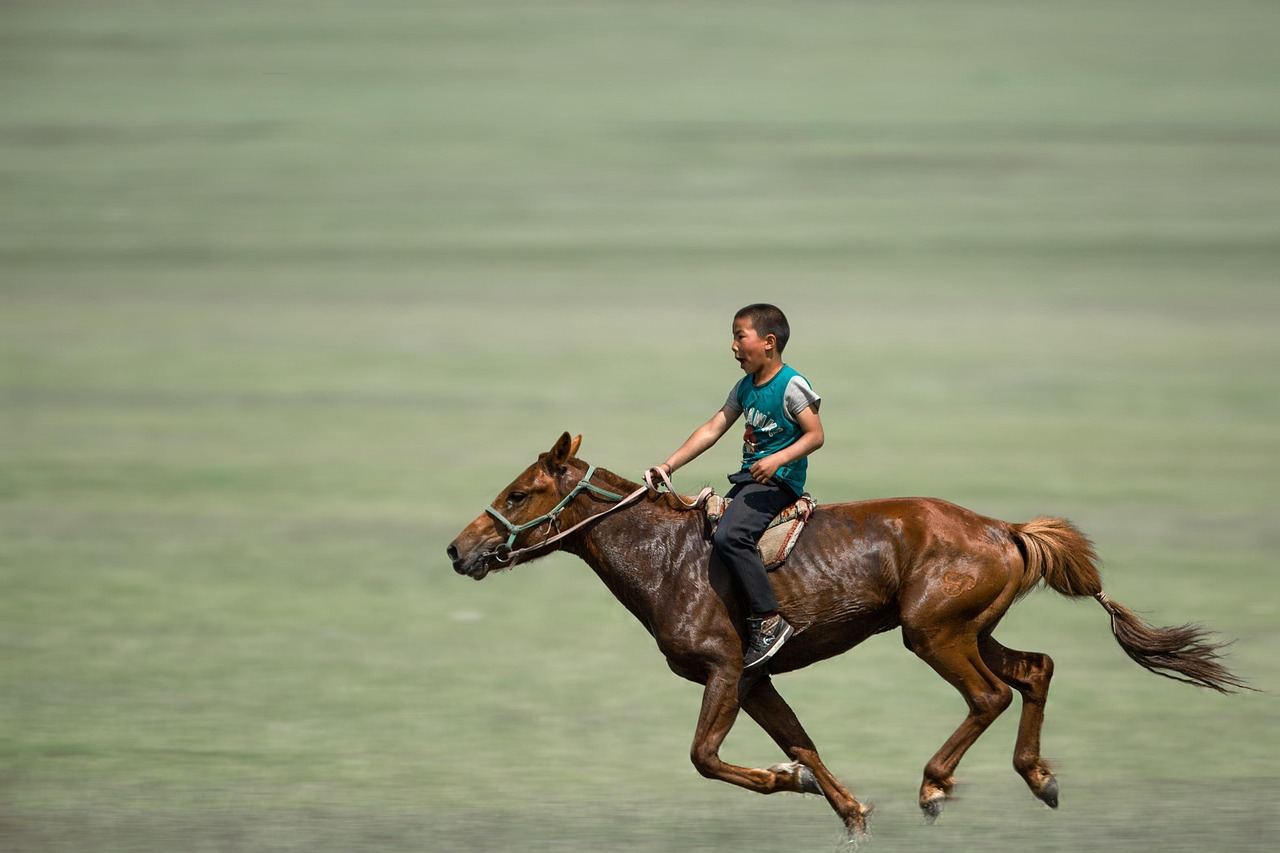
Horseback riding isn't just sitting; it's a complex dance where your body language communicates with a 1,200-pound partner, testing your core awareness and problem-solving skills.
Learning horseback riding as a beginner is about developing the skills to harmonize with a horse through your seat, legs, and hands.
Unlike a bicycle or car, a horse has its own mind that you must understand.
Riders must adapt to the animal's behavior and emotions.
In horseback riding, you mount a horse and engage in exercises that emphasize balance, posture, and communication through subtle cues, guiding the horse through movements like walking, trotting, or cantering while maintaining a stable core and adapting to the horse's motion.
Horseback riding induces a flow state as you focus on maintaining balance and timing cues, providing immediate feedback from the horse that fosters a sense of accomplishment and motivation through continuous skill improvement and novel experiences during each ride.
You might think horseback riding is just sitting on a horse and letting it do the work.
You're not just sitting there. The horse reads your posture, weight, and even your breathing. Every unintended signal affects how it moves.
Riding tests your core, balance, and timing at once. A 1,200-pound partner provides instant, honest feedback, making body awareness crucial.
You're managing an animal's moods, instincts, and responses. It's a constant problem-solving challenge while you're in the saddle.
A competitive equestrian once thought she was learning to steer in her first year of lessons. Instead, she discovered she was communicating fear to the horse without meaning to.
That experience of not knowing what you're really communicating feels disorienting.
But that's what makes this hobby fascinating. You're mastering a nuanced language where feedback is immediate, and that's where the real connection begins.
Sitting on a horse isn't what it looks like from the ground. You're riding a living thing with its own ideas, and it goes from looking elegant to feeling like a challenge.
The elegance you see isn't natural; the control you feel isn't easy.
In the beginning, you'll mostly mount, halt, and steer. Riding takes a backseat to understanding basics, and that's how it should be. Soon, the trot comes in, and your body bounces until it learns.
This moment feels further away than it is. One day, your hips find a rhythm and, for those brief seconds, it just works.
By week four, you'll notice the horse's mood before the instructor points it out. That's when riding becomes real, but you're not "there" yet. Early rides have you questioning if the horse dislikes everyone or just you.
Skip the new jeans when riding for the first time. Inseams press into your leg and cause extra issues you don't need. Leggings, yoga pants, or breeches are better. Your instructor may not tell you, but your legs will.
When to start: Early morning
Duration: 2 hours
Cost to try: $50
Success criteria: If you mounted, walked 10 minutes in the arena, and kept a straight posture with soft hands, do session 2.
Nervous tension flows through the reins. Horses sense and react to it, often leading to more anxiety and firmer grips from the rider.
Imagine holding a small bird — firm enough to control, but gentle enough not to hurt it.
This often goes unnoticed until pointed out by a trainer. By then, it's already a habit.
Watch the outside shoulder; rise when it moves forward. Sit an extra beat if needed to adjust.
It seems like you're gathering information. Instead, you're hurting your posture and shifting weight forward.
Focus on a point ahead at eye level. Your body will adjust naturally.
Beginners often push feet forward, relying on stirrups. It feels secure until the horse changes speed unexpectedly.
Try no-stirrup exercises each session. It develops seat balance faster.
Horses at riding schools have different temperaments. Some are calm, others easily startled, each with unique responses.
Spend the start of your ride testing commands at a walk. Avoid surprises later at quicker paces.
You can find horseback riding at equestrian centers, riding stables, and ranch facilities in various forms.
Tell the instructor your experience level. If your last ride was a pony at a birthday party, say so.
This honesty ensures you get a quieter horse, a more controlled setting, and an instructor who matches your pace.
Western riding features a larger, horned saddle, perfect for long hours and stability. Beginners find it forgiving.Cheaper lessons and tack rentals make it accessible, especially in North America.
English riding requires a smaller saddle and active balance. It's the base for jumping and dressage.Be ready for higher costs and a steeper learning curve
Trail riding takes you through parks, forests, and hills. Technique isn't the focus.Perfect for those wanting a scenic ride. Outfitters often rent horses with little experience required.
Dressage emphasizes precise, choreographed movements with the horse. Ideal for those seeking a long-term technical challenge. It rewards patience and attention to detail over time.
Jumping involves riding over fences quickly, judged by clears and time.Requires solid fundamentals. Beginners aren't put over fences immediately, a mark of good teaching. Serious competition ramps up gear costs.
Readers who enjoy this often gravitate toward Scuba Diving next.
Another variant that pulls from the same roots is Shelter Building.
Readers who enjoy this often gravitate toward Mushroom Foraging next.
Independent seat is the one skill that makes horseback riding click. Most beginners obsess over their hands – where to hold them, how tight to grip, whether they look 'right.'
The hands are the last thing that matters.
The real problem is your seat.
You need to absorb the horse's movement through your hips and lower back without tensing or bracing. Your upper body will stay quiet while your pelvis follows the horse's motion automatically, like a shock absorber that learned the rhythm.
When your seat follows the horse, your hands stop bouncing. They were never the problem. Your reins stop fighting your body's movements, and the horse receives clear signals.
With a stable seat, every signal through your legs, weight, and reins becomes clear.
Try four horseback riding sessions over a month. Aim for one session each week to gauge your feelings and investment.
One session doesn't reveal much. Four sessions, however, provide almost all the clarity you need.
Most beginner lessons are about an hour. After a few sessions, you'll have a feel for riding basics like position and steering. You'll know if you and the horse connect or if you're just going through the motions.
If you're planning your next ride before leaving, you're in. This isn't just enthusiasm; it's a clear indication that you're enjoying the interaction. The next step is committing to regular sessions with a monthly package.
Feeling neutral often means the excitement hasn't hit yet, but you're not uncomfortable. It's worth trying four more rides. Early riding can feel awkward, so neutrality now isn't the end of the road.
If you're constantly checking the time and relieved it's over, that's telling. Not everyone resonates with horseback riding, particularly if animals as partners aren't appealing. It's not a flaw—it's just the way it is.
The real test is an involuntary attraction. If you find yourself lingering near horse enclosures or watching televised equestrian events out of interest, that's the magnetism that suggests trying riding.
Limited access can be a dealbreaker. If your closest stable is 90 minutes away without transportation, logistics will overwhelm any enthusiasm.
Certain health conditions such as lower back issues or hip replacements may mean riding isn't feasible. It's important to consult a doctor prior to beginning.
Unpredictable schedules don't mix well with riding. Consistency is key and stables require advance bookings, so if you can't commit, this hobby might not fit.
For quicker fixes, see our roundup of things to do when you're bored.
Most beginners can develop basic riding skills within 4–8 weeks of consistent lessons, typically 1–2 hours per week. However, building confidence and progressing to intermediate techniques usually takes 6–12 months of regular practice. The timeline depends on your physical fitness, natural balance, and frequency of practice.
You don't need to be an athlete to begin riding, but moderate fitness helps. Horseback riding requires core strength, balance, and leg stability, so activities like walking, light strength training, or yoga beforehand can speed up your progress. Most people at any age and fitness level can start with proper instruction and a patient horse.
Beginner lessons typically range from $30–$75 per hour at local stables, with many offering package deals of $150–$300 for a 5-lesson series. If you buy your own horse, expect $3,000–$10,000+ for purchase, plus $200–$500 monthly for boarding, feed, and care. Renting or leasing offers a more affordable middle ground at $100–$300 per month.
Horseback riding has inherent risks like any sport, but serious injuries are rare when you follow safety rules and wear proper equipment, especially a helmet. Beginners work with calm, well-trained horses in controlled environments, which significantly reduces risk. Most falls are minor, and proper instruction teaches you how to balance and respond to prevent accidents.
Wear long pants (jeans or riding pants), closed-toe boots with a small heel to prevent your foot from slipping through the stirrup, and a helmet for safety. Avoid loose clothing, shorts, and sneakers. Most riding facilities provide helmets, but bringing your own ensures proper fit.
Yes—many riders start nervous and build confidence through gradual, positive experiences with calm horses and patient instructors. Spending time grooming and handling horses on the ground before riding helps you bond and reduces anxiety. A good instructor will match you with a suitable horse and work at your pace.