BoredomBusted — Find Your Next Favorite Thing To Do
Discover hobbies, activities, places, and ideas that spark joy. Whether you're looking for something creative, active, social, or relaxing, BoredomBusted helps you find your next favorite thing to do.
Browse our hobby guides, things-to-do collections, and place ideas to never be bored again.
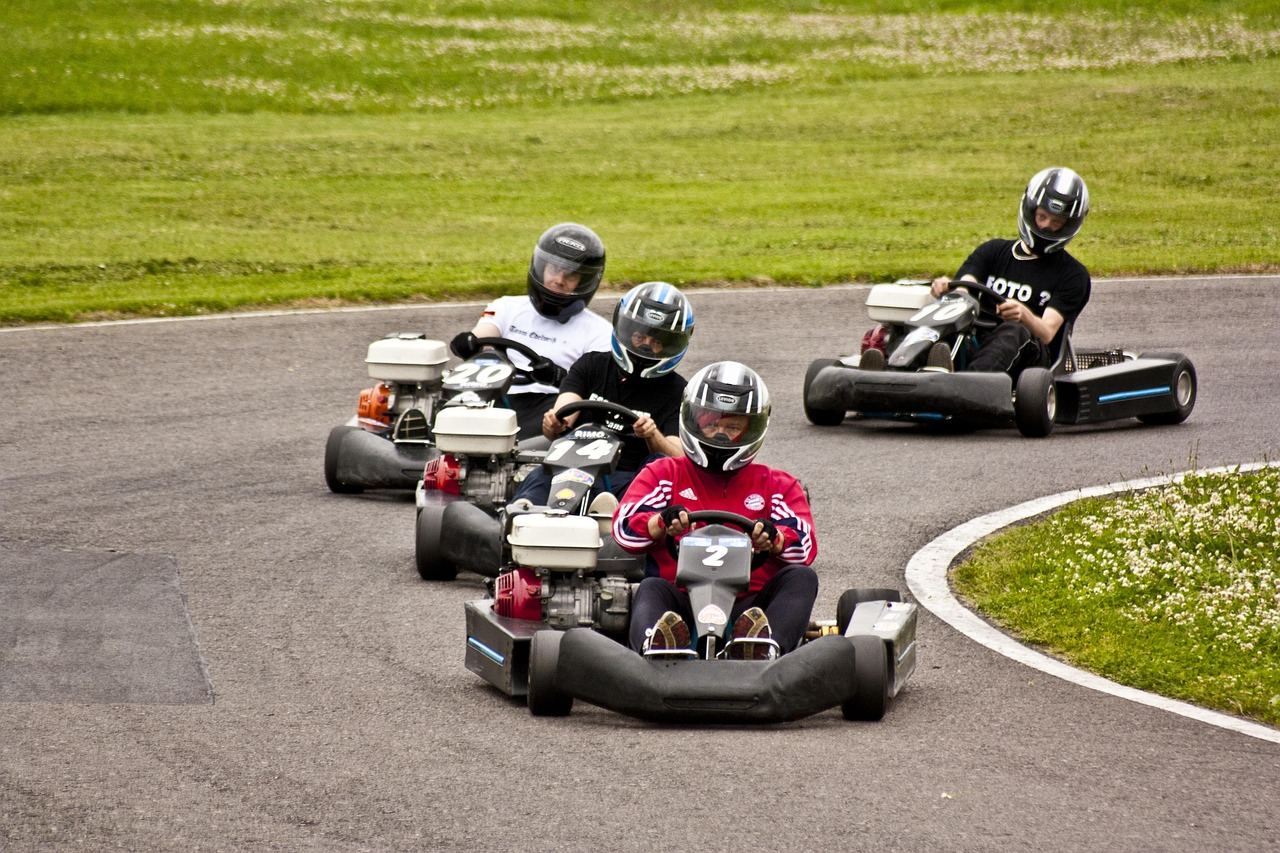
Kart racing isn't just for kids — it's a demanding sport where your body is the sensor and every tiny setup detail alters performance.
Getting started with kart racing as a beginner allows you to experience the thrill of speed while mastering the basics of handling an open-wheel vehicle on a dedicated circuit. You compete against others for fastest lap times or race positions.
Unlike sim racing or go-kart tourism, competitive karting rewards real car control skills – the same ones that launched Senna, Schumacher, and Hamilton.
In kart racing, you engage in competitive lap driving on closed tracks, focusing on mastering vehicle control, optimizing speed, and improving lap times. You learn to navigate tight turns and straightaways while managing steering precision, throttle control, and braking timing. Participation can range from using rental karts to owning and maintaining personal equipment, all within a community set…
Kart racing combats boredom through measurable progress and skill feedback, as lap times provide immediate, quantifiable results. This creates a cycle of goal-setting and improvement, satisfying psychological needs for competence and achievement. Additionally, the supportive community fosters social belonging, while the excitement of racing offers novelty and seasonal engagement.
You think kart racing is for kids' birthday parties. Go-karts, arcade tokens, maybe a prize ticket if you're lucky – that's the box you've already put this in.
You're missing a genuinely technical, physical, and competitive hobby.
A club racer at a regional enduro once ran the same track for six hours and made chassis adjustments between every stint based on how the rear end was feeling through Turn 3.
No telemetry. Just feel, observation, and a wrenching knowledge he'd built across two seasons.
That learning curve is exactly what makes this worth showing up for – and what comes next will get you prepped for your first track day.
Watching karting looks like controlled aggression – smooth lines, tidy exits, effortless speed.
Sitting in one feels like you're hurtling "a lawnmower engine bolted to a go-kart" at a wall. That gap between how it looks and what it feels like is exactly where you'll spend your first few sessions. Get ready for unexpected chaos.
Braking too late. Understeer into every apex. Neck sore after lap three. Hands gripping like you're hanging off a cliff. Late apex starting to click. Braking point picked earlier. Neck still sore, honestly. Hands a little looser.
Your first week, you'll wrestle the kart – oversteer out of corners, brake too early, then nearly stop before hitting the apex. By week two, you'll find consistency in your lines, but your speed might disappoint. Intentional practice, not reckless speed, gets you results.
In week three, one corner starts to feel right, and you'll obsess over it for the rest of the session. By week four, the kart stops being an unpredictable machine. It becomes a tool you can work with.
Expect to quit and come back a few times. This cycle is common before things start to make sense. Those who stick with it aren't more talented – they're simply intrigued by the challenge rather than embarrassed by failure.
Your braking point is later than you think. Rental karts are heavier and respond more sluggishly than race karts. Stop borrowing your braking instincts from road driving unless you want to lose speed. Find a physical track marker, stick to it, and push it further with each clean lap.
When to start: Morning
Duration: 1.5 hours
Cost to try: $50
Success criteria: If you finished without crashing and felt comfortable on the track, do session 2.
New drivers learn brake before the corner as a rule. This becomes their only technique.
Do your heaviest braking in a straight line. But keep slight brake pressure as you turn in. This keeps the front tires loaded and helps them bite.
Chasing someone down feels exciting but deceptive. You're reacting to their errors instead of driving your own path.
Focus on the apex, not the bumper. Pick your reference points and drive to them even if the other kart is distracting.
Beginners tend to overcorrect because it feels like the kart isn't responding. The reality is that it just needs a moment more.
Use small, deliberate steering inputs. If you feel understeer, unwind the wheel slightly instead of adding more lock.
Tire pressure changes as rubber heats up. What works on lap one can ruin your grip by lap five.
Check pressure cold before each session. Drop 2–3 PSI below the manufacturer's hot target so you hit the right range as temperatures climb.
It feels fast. It loses you half a second per lap.
Wait until the kart is fully oriented towards the exit before applying full throttle. A clean, straight acceleration phase is always faster than a wide, scrubbing one.
Kart racing thrives at dedicated outdoor circuit tracks and indoor rental facilities. Both offer unique experiences. Expect to spend plenty of time at motorsport venues and indoor racing centers.
The World Karting Association (WKA) gives you needed coverage and access to race weekends. Membership is a must for serious racers in the US.
Introduce yourself to someone at the track as a first-timer. They'll often provide a track tour and gear guidance. This is essential help to avoid buying a kart that isn't raced locally.
You show up, pay, and race – no kart ownership, no maintenance, no trailer. This is where almost everyone should start, and honestly where most recreational racers stay permanently.
You buy or lease a kart, join a local club, and race a proper points season. The step up from rental karting is bigger than it looks – you're now responsible for setup, tuning, and repairs.
Teams of 2–6 drivers share one kart over a race lasting 1–12 hours. Strategy, consistent lap times, and clean driver swaps matter more than outright speed.
These karts have 6-speed gearboxes and hit 100+ mph. Not a beginner variant – the speed and mechanical complexity assume you already know what you're doing in a kart.
Cost is substantially higher; crashes are also substantially more consequential.
Dedicated karting sims like *KartKraft* let you practice tracks and setups without track fees. It won't replace seat time, but it's a legitimate training tool once you have real-world reference points to work from.
Ice Sailing lives in the same world — different mechanics, similar appeal.
If the texture of this appeals to you, Knife Throwing is built on similar bones.
A close neighbor worth considering: Skeet Shooting.
Throttle timing out of slow corners is the one skill that transforms lap times in karting.
Learning to apply gas before the kart is fully pointed helps build rear grip still forming.
Karts have no differential. Wait to feel "safe" before throttling and you've already stalled.
Get on the throttle early and commit. This loads the rear tires and the kart handles better through the exit.
Timing throttle poorly? That's steering with the wheel and losing speed right when you need it most.
Missing this skill means being quick in a straight line but falling behind in corners.
Four sessions in 30 days. One session a week is enough to build feel without hitting your budget or schedule too hard.
If you're planning your fifth session before the fourth finishes, the hobby is calling you. Start exploring membership options at your local track or ask about arrive-and-drive series.
Feeling indifferent after finishing four sessions usually signals the rental kart experience may not represent the true thrill. Try one session in a faster class before deciding to move on.
If you dreaded each session, reluctant rather than just nervous, motorsport might not be for you. Motorsport has a fear ceiling, and pushing past it doesn't make you braver; it might make you slower and more at risk.
You're watching onboard lap videos late at night without needing to explain why. Karting sticks when your mind starts running laps around passes or perfecting that tricky hairpin you haven't forgotten.
Sometimes you just need something for the next ten minutes — that's what things to do when bored is for.
Kart racing costs typically range from $20–$75 per session at most recreational tracks, depending on location and track duration. High-end facilities with professional-grade karts may charge more, while group packages and membership discounts are often available to reduce per-session costs.
Most recreational kart tracks allow children as young as 5–8 years old to race in junior classes, though age requirements vary by facility. Adult supervision and proper sizing to the kart are essential for safety and comfort.
A standard kart racing session usually lasts 10–20 minutes of actual track time, with additional time for safety briefings, kart setup, and scoring. Some facilities offer longer experiences or competitive heats that extend to 30–45 minutes total.
Kart racing is beginner-friendly since recreational tracks provide instruction and vehicles designed for all skill levels. Most people grasp basic driving techniques within a lap or two, though improving lap times and mastering advanced cornering techniques takes practice.
Wear comfortable, closed-toe athletic shoes, long pants, and a long-sleeved shirt to protect against friction and minor scrapes. Most tracks provide helmets, gloves, and suits, though it's worth checking in advance what protective gear is included.
Yes, many racers transition from recreational tracks to competitive leagues and championships once they develop their skills. Competitive kart racing involves joining local clubs, purchasing or leasing a competition-grade kart, and entering sanctioned events.