BoredomBusted — Find Your Next Favorite Thing To Do
Discover hobbies, activities, places, and ideas that spark joy. Whether you're looking for something creative, active, social, or relaxing, BoredomBusted helps you find your next favorite thing to do.
Browse our hobby guides, things-to-do collections, and place ideas to never be bored again.
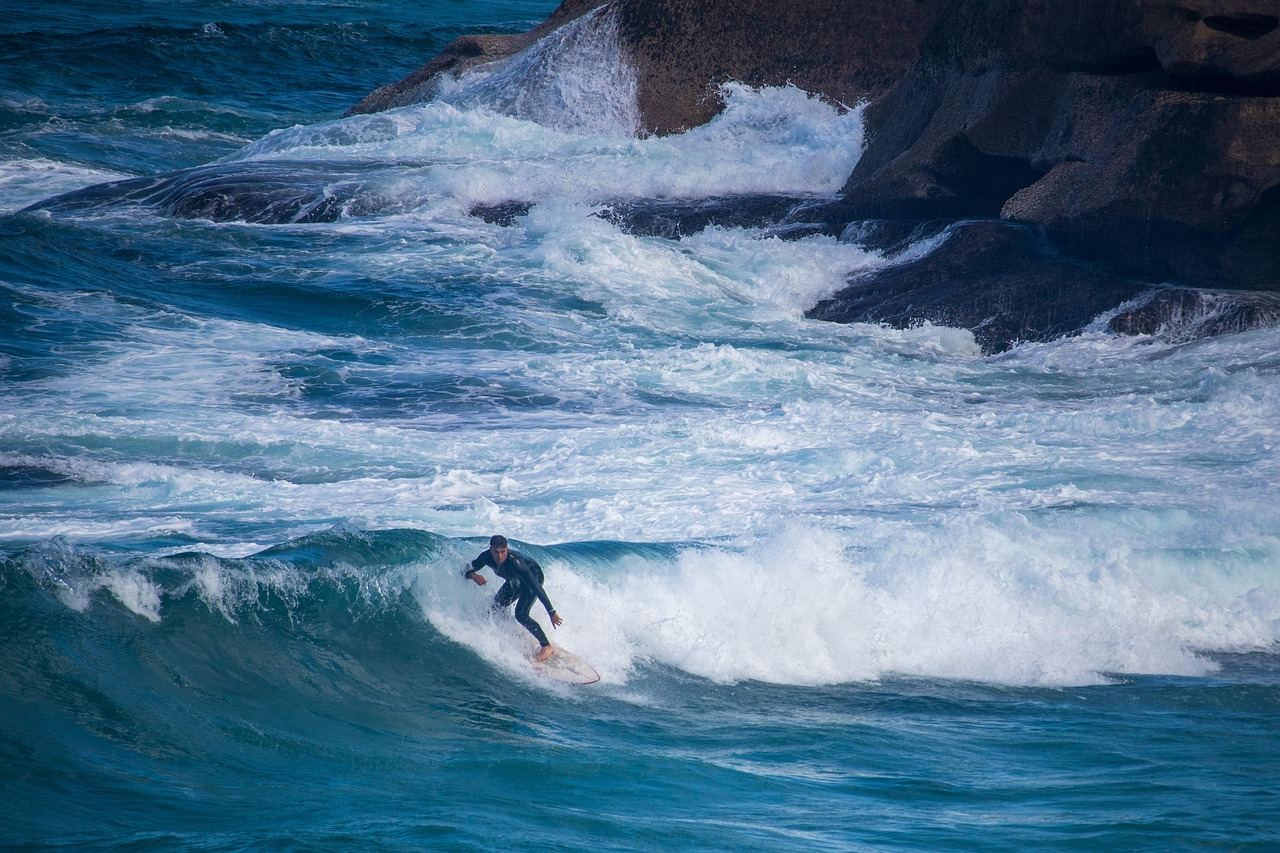
Longboard surfing isn't just for beginners — mastering noseriding and wave reading requires skills that even seasoned shortboarders lack.
Learning longboard surfing as a beginner involves mastering the art of riding waves on a board typically 9 feet or longer, using smooth, gliding footwork instead of sharp, power-driven turns.
Unlike shortboarding, the goal isn't aerial tricks – it's control, flow, and walking the board, including nose-riding right at the tip of the wave.
In longboard surfing, practitioners paddle out into ocean waves on a longboard, catch waves by timing their strokes, and execute a series of maneuvers such as pop-ups, turns, and cross-stepping to maintain balance and style while riding the wave.
Longboard surfing induces a flow state through rhythmic movements and skill challenges, provides immediate feedback on performance via self-filming, fosters creative expression through personalized style, and generates a sense of accomplishment as surfers master complex maneuvers.
So you think longboard surfing is the starter pack for newbies?
Picture this: a shortboarder with a decade of experience struggles on a 9'0" board. They're not bad surfers; they're just in new waters. Longboarding demands separate skills. The balance, footwork, and positioning are distinct. It's like switching from chess to checkers — similar goals, but a whole different strategy.
Longboarding isn't easier; it's a different beast entirely. The patience and wave reading required set the truly dedicated apart, and it's about the craft, not just catching waves.
Feeling ready to drop into this world? Let's talk gear next.
The ocean is humbling. Watching someone glide down a wave on a longboard appears slow and graceful. Then you paddle out, and the board feels unwieldy while even small waves seem to win every battle.
Everything is slippery, and your arms feel battered. Standing lasts half a second, yet you catch yourself grinning.
Week one is mostly about falling off and getting tossed by waves you thought wouldn't bother you anymore. By week two, you might stand—briefly and often in the wrong direction—but standing is progress.
In week three, you begin to sense where the wave is headed rather than always reacting. By week four, you experience a ride that feels completely different, and that's the one you'll replay in your mind.
Catching the wave requires more foresight on a longboard. You'll need to paddle earlier than you think due to the board's drag. Acknowledge that moment around session three or four when doubt sets in. You're not alone in feeling like nothing works just yet.
Those who succeed are the ones paddling back out, ready to tackle the next wave. Now, let's talk about the mistakes that keep people stuck on the shore.
When to start: Early morning
Duration: 1-2 hours
Cost to try: $15 for snacks and water
Success criteria: If you pop up cleanly on 3 small waves and ride each one at least 10 board-lengths while staying centered, do session 2.
New surfers love the middle of the board. It feels stable when you're on land. In the water, though, it slows you down – the nose dips or the tail drags.
Lie down with your toes touching the tail kick. If the nose is 2–3 inches above the water, you've found your trim spot.
Landing with feet facing the nose feels natural but limits movement. You end up unable to steer, trim, or walk the board smoothly.
Pivot your back foot 45 degrees toward the rail. This lets your hips move with the wave, not against it.
Whitewater provides initial practice but quickly becomes a crutch. It tunes your pop-up to weak pushes that real waves don't offer.
Shift to small, clean wave shoulders within three sessions. The steeper drop corrects your timing with real-world feedback.
Crouching for security locks your hips, turning walking into a crab-like shuffle. This position isn't helpful for board movement.
Stand tall, leading with your hips, and take one step at a time. Cross-stepping needs you upright to work properly.
You paddle hard, thinking earlier effort helps, only for the nose to plunge deep when the wave finally hits. This just makes you mistime catches even more.
Wait until you feel the wave lift the tail before taking three strong strokes. This moment, not the white line, is the right signal to act.
Longboard surfing benefits from slower, mushier waves that shortboarders often pass up, making it ideal for those with longboards.
Introduce yourself as a newcomer before heading out to surf. Mentioning that you're still learning lineups and rules can earn you a helpful spotter and some friendly advice.
Picture yourself on a 9-foot-plus single-fin board. Smooth, flowing rides. Cross-stepping and noseriding define the experience. This is the heart of longboarding.
It's about style and wave connection, not speed or tricks. If you're new to the surf, start here.
Noseriding feels like its own world. The challenge is walking to the tip and hanging toes over for as long as possible.
Ideal for traditionalists seeking a meditative surfing journey.
Longboard performance surfing is a different beast. Shorter, thinner boards, around 8 to 8'6", with more rocker. Thruster or 2+1 fin setups enable sharper turns.
Pushed by surfers wanting to blend athleticism with the longboard's grace. A next step for those who've nailed the basics but don't want to shortboard yet.
Tandem surfing is not a casual leap. Two surfers, one board; one lifts and balances the other mid-wave.
A niche competitive sport demanding strength and coordination. Requires a wide, high-volume board to handle the extra weight.
Logboarding is all about heavy single-fin boards. Minimal rocker. Perfect for small, slow waves.
The heavy board creates a unique glide. Relive the past while embracing a bit of a workout — carrying over 25 pounds to the shore.
If this resonates, Skimboarding explores a similar direction.
Shortboard Surfing is a sibling pursuit and often surfaces the same kind of curiosity.
Some of the same instincts show up in Windsurfing — worth a look if this clicked.
Most beginners focus on popping up faster and standing stable. But pop-up isn't the bottleneck. Weight distribution is.
You might nail the jump but feel rigid because you don't learn to move on the board.
The game-changer is cross-stepping. This is walking your feet towards the nose as the wave carries you. Not shuffling. Not hopping. It's deliberate.
You place your feet heel-to-toe while gauging the wave's speed. This control is known as trim.
Walking the board liberates your moves. Suddenly, you dictate how fast the board goes, when it stalls, and when to hang five.
Your feet stop holding you hostage. Noserides, cutbacks, and cheater fives only happen when your stance is dynamic.
Eight sessions over 30 days. Two sessions a week with enough rest so your body adapts rather than gets worn out.
Longboard surfing reveals itself in thousands of tiny adjustments. You'll feel the difference between your first paddle out and the rhythm you find by session eight.
If you replay waves in your mind and can't wait until the next weekend, you're in. You're not just managing challenges, you're drawn into them. Start thinking about a beginner board purchase and tapping into local surf circles.
If each session blurs into the next with no emotional tug, that's telling. Test different conditions for four more sessions as a last check. But if that doesn't change how you feel, that's your answer.
If a cancelled session feels like a blessing, consider why. If it's about avoiding the cold and exhaustion, embrace that clarity. Surfing isn't for everyone and knowing that is useful.
That late-night fascination with footage of moves you can barely imagine isn't just thrill-seeking. It means you're interested in mastering the dance, not just soaking in the beach life.
Longboard Surfing is one path among many — browse the full hobbies list to weigh it against the rest.
If nothing here clicks, our guide to what to do when bored covers shorter, lower-commitment options.
Longboards are typically 8-9+ feet long with a wider, more stable platform, making them easier to paddle and better for beginners catching waves. Shortboards are smaller and require more skill and strength to maneuver, designed for experienced surfers seeking aggressive turns and steeper waves.
Most beginners can stand up and ride waves within their first few lessons—often 1-3 sessions. Developing solid technique and comfort in varying conditions typically takes 4-8 weeks of regular practice, though mastering advanced carving and style is an ongoing journey.
A beginner setup costs $300-$800: a decent starter longboard ($250-$500), wetsuit ($50-$150), and board bag ($50-$100). Factor in lessons ($50-$100 per session) and beach access fees if applicable. Many beaches offer free public access, and used boards can significantly reduce initial costs.
While you don't need to be Olympic-level, comfortable swimming ability and water confidence are important for safety and enjoyment. Focus on floating, treading water, and staying calm in mild currents—your surfboard provides flotation, but ocean awareness is essential.
Beginner-friendly waves are small (2-3 feet), slow-moving, and consistent—typically found at beach breaks with sandy bottoms. Avoid crowded lineups and strong currents when starting out; many experienced surfers recommend learning at local breaks known for forgiving conditions and friendly communities.
A wetsuit protects you from cold, abrasion, and sun—thickness depends on your local water temperature (3mm for warm water, 4-5mm for cold). Most surfers also wear board shorts or rashguards under wetsuits, and consider booties for rocky beaches. Sunscreen on exposed skin is crucial even with a suit.